
How Rotary Screw Air Compressors Actually Work
The Twin-Rotor Compression Cycle
At the heart of every rotary screw compressor sit two helical rotors — a male and a female — machined to mesh with micron-level precision. As the male rotor turns (driven by the motor through a gear train or direct-drive coupling), it pulls the female rotor in counter-rotation. Air enters through the inlet valve, fills the cavity between the rotor lobes and the stator bore, and is then progressively trapped as the lobes mesh together. The meshing action reduces the cavity volume continuously, raising air pressure without the reciprocating shock loads associated with piston compressors. The compression ratio per stage is typically 7:1 to 13:1 for standard single-stage units delivering pressures between 6 bar and 13 bar gauge — the range that covers the vast majority of UK industrial tooling, conveying, and process applications.
Oil-Injected vs Oil-Free Variants
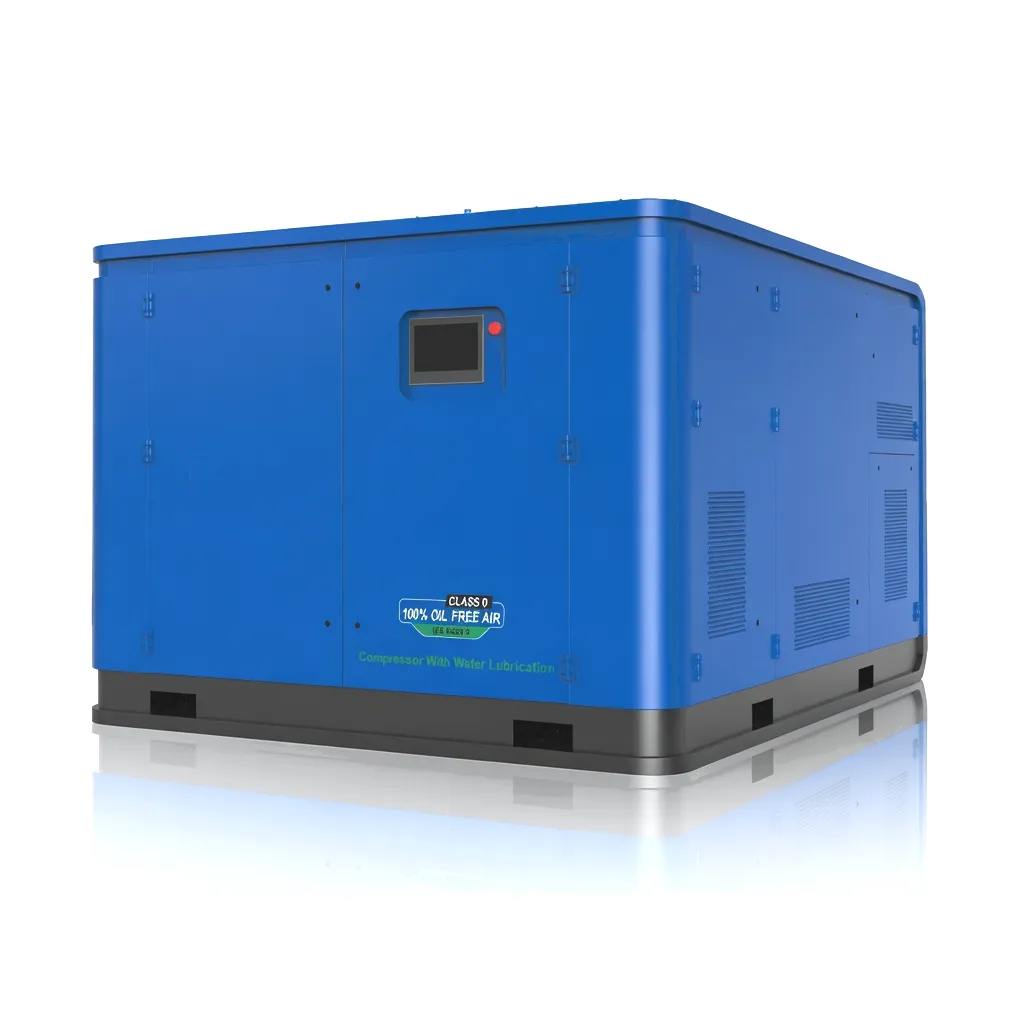
Oil-injected screw compressors inject a precisely controlled oil film into the compression chamber. This lubricant performs three functions simultaneously: it seals the clearance gaps between rotors and housing (preventing blow-by), absorbs and carries away compression heat (keeping discharge temperatures manageable without inter-cooling), and lubricates the rotor-bearing interfaces. The oil is then separated from the compressed air in a high-efficiency oil separator rated at 3 mg/m3 or better, and the cleaned air passes through downstream filtration. Oil-free variants — used in pharmaceutical, semiconductor, and food-contact applications — achieve sealing through extremely tight rotor tolerances or water injection, and they typically operate at lower differential pressures to manage the heat build-up that oil normally handles. Both configurations enter the UK market, with oil-injected units representing the dominant share of general industrial installations due to their superior energy density and lower acquisition cost.
Variable Frequency Drive Integration
The single biggest advancement in screw compressor technology over the past two decades has been the integration of inverter-controlled variable frequency drives (VFDs). In a fixed-speed compressor, the motor runs at full speed continuously, and excess capacity is wasted through load/unload cycling — consuming roughly 30% of full-load power even at zero delivery when unloaded. A VFD-equipped unit instead ramps motor speed precisely in response to instantaneous air demand, maintaining system pressure within a tight band (typically ±0.1 bar) while consuming only the power the system actually requires at that moment. Independent assessments conducted across West Midlands manufacturing sites have consistently shown 30–50% energy savings compared with fixed-speed predecessors when demand is variable — which describes nearly every real-world production environment. This translates directly to reduced electricity bills, lower carbon footprint, and improved compliance with the UK’s Energy Savings Opportunity Scheme obligations.
Core Materials Engineering in Industrial Screw Compressors
Rotormaterial
The male and female rotors are manufactured from high-grade case-hardened alloy steel (typically 20CrMnTi or equivalent EN36A specification). After precision hobbing, the rotor profiles undergo case-hardening to a surface hardness of HRC 58–62 followed by precision grinding to tolerances within ±3 microns. This ensures dimensional stability throughout decades of thermal cycling and prevents the micro-wear that would gradually degrade volumetric efficiency. Premium units for harsh-duty applications additionally receive a thin-film DLC (diamond-like carbon) or titanium nitride surface treatment to further reduce friction coefficient and resist chemical attack from process gases.
Stator Housing
The compression body — or stator block — is typically cast from high-tensile grey cast iron (EN-GJL-300 or equivalent) for standard-duty units, providing excellent vibration damping characteristics alongside the rigidity needed to maintain rotor clearances under operational temperatures up to 110°C. Where corrosion resistance is paramount (coastal installations in areas like Plymouth or Aberdeen, or marine applications), ductile iron with epoxy-based internal coatings or aluminium alloy housings are specified. The casting is precision bored on CNC machining centres to achieve bore tolerances of H7, ensuring the rotor-to-bore clearance remains within the 15–30 micron range that defines the sealing gap in oil-injected machines.
Separator & Filtration
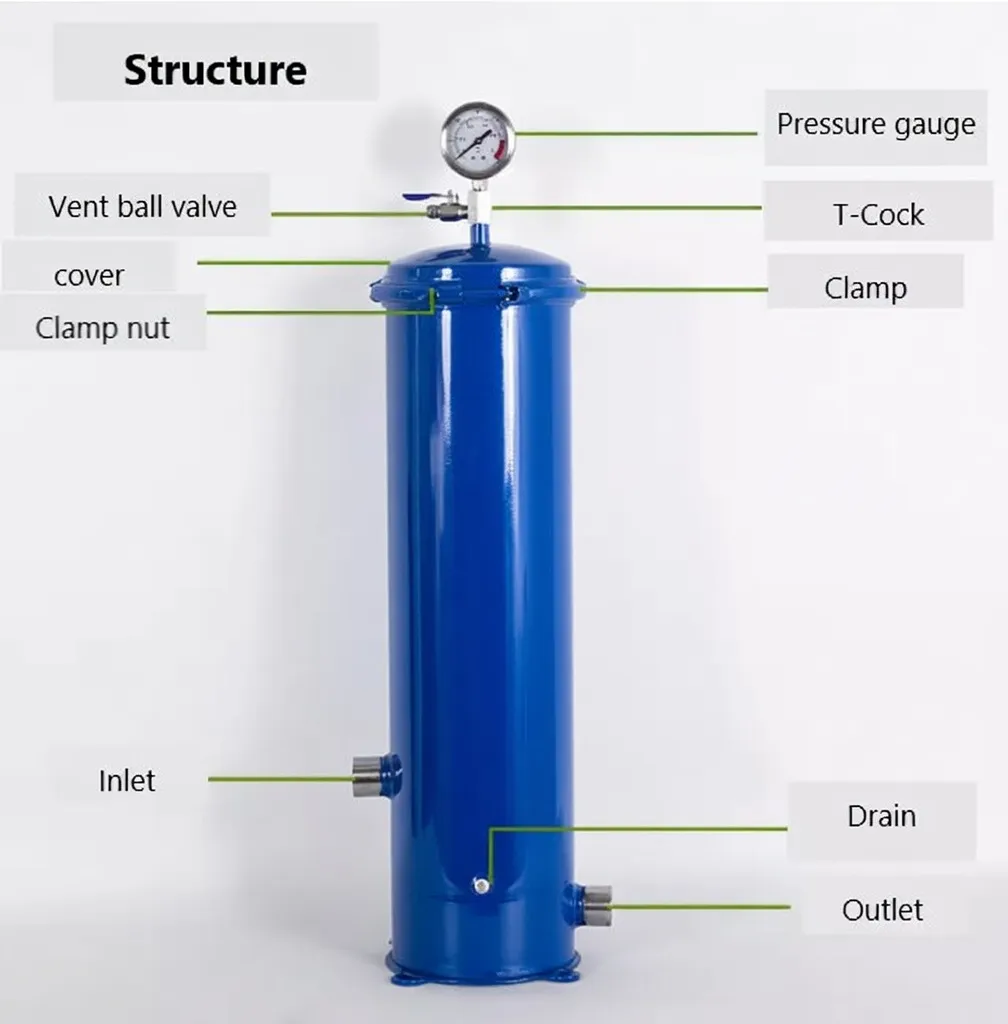
Oil separation vessels in modern screw compressors use borosilicate glass-fibre coalescing media housed in 304 stainless steel pressure vessels rated to the relevant PED category. The coalescing element captures oil aerosol particles down to sub-micron size through inertial impaction and diffusion mechanisms. Downstream, stainless steel precision filters with sintered bronze or pleated paper elements reduce residual oil content to 0.01 mg/m3 for Class 1 air quality per ISO 8573-1:2010 — a specification mandatory for pharmaceutical and electronics manufacturing and increasingly demanded in food processing environments across Yorkshire and Lincolnshire.
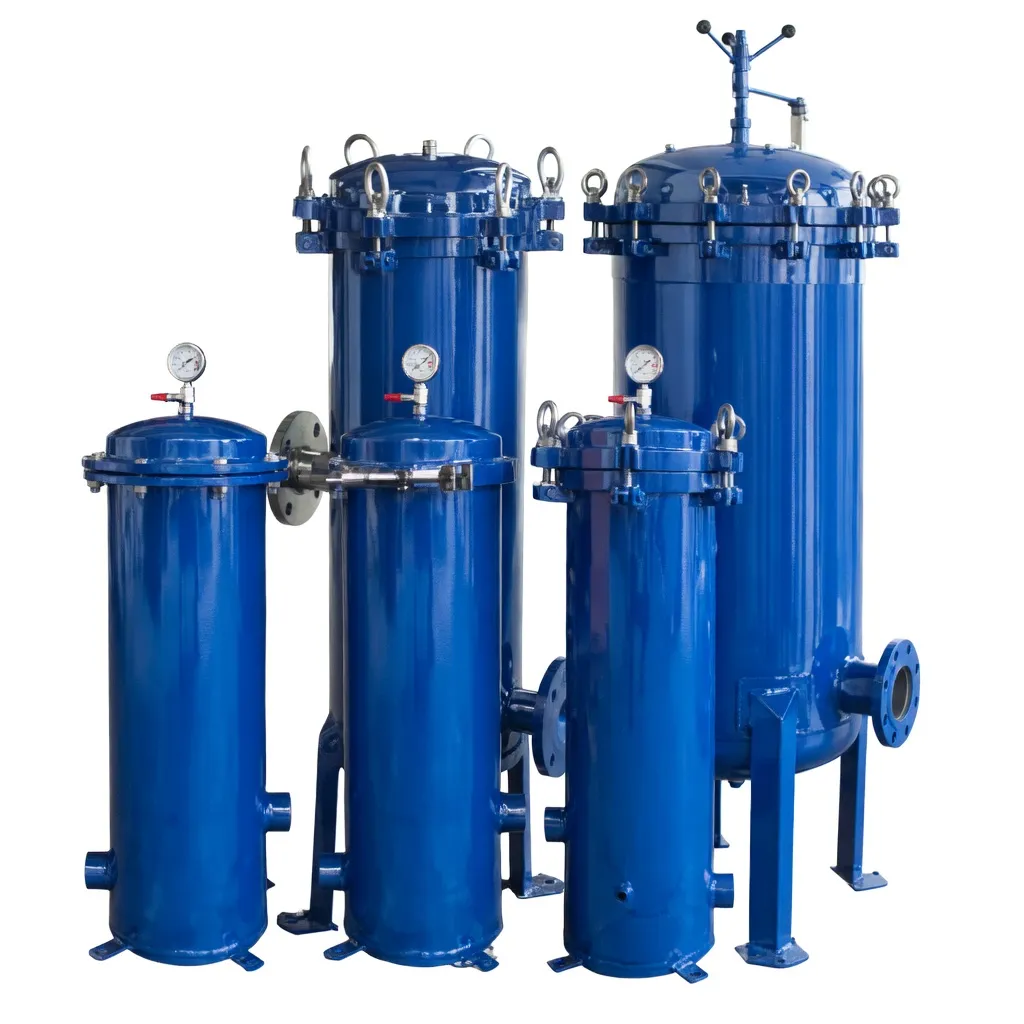 Compressed air quality is not simply a function of compressor design — it is equally determined by the post-processing train installed downstream. In the UK, where legacy pipework in older industrial facilities such as the former steel mills of Sheffield or the textile machinery shops of Bradford can introduce additional contamination, a correctly specified air treatment sequence is critical. A typical post-processing train for industrial-grade applications includes a refrigerant dryer targeting a pressure dew point of +3°C to +7°C (preventing condensation in distribution pipework during British winters), coalescing pre-filters for bulk liquid and aerosol oil removal, activated carbon adsorbers for vapour-phase hydrocarbon elimination, and a particulate after-filter rated at 0.01 micron to deliver Class 1 air per ISO 8573-1.
Technical Performance Parameters — Screw Air Compressor Reference Table
| Parameter | Standard Fixed-Speed | VFD Variable-Speed | Oil-Free Class |
|---|---|---|---|
| Leistungsbereich | 7.5 kW to 250 kW | 11 kW to 315 kW | 15 kW to 500 kW |
| Betriebsdruck | 6 bar to 13 bar (g) | 6 bar to 16 bar (g) | 4 bar to 10 bar (g) |
| Kostenlose Luftfracht | 0.8 to 40 m3/min | 1.0 to 55 m3/min | 0.5 to 30 m3/min |
| Specific Power (kW per m3/min) | 5.8 to 7.2 kW/(m3/min) | 5.2 to 6.5 kW/(m3/min) | 6.8 to 9.0 kW/(m3/min) |
| Entladungstemperatur | Ambient + 8 to 15°C | Ambient + 8 to 12°C | Ambient + 15 to 30°C |
| Geräuschpegel in 1 m Entfernung | 65 to 76 dB(A) | 62 to 72 dB(A) | 70 to 80 dB(A) |
| Rotormaterial | Alloy steel, HRC 58-62 | Alloy steel, DLC coated | 316L SS or aluminium |
| Residual Oil Content (post-filter) | Less than 3 mg/m3 | Less than 1 mg/m3 | 0.01 mg/m3 (Class 1) |
| Motor Protection Class | IE3 (min. per UK ErP) | IE4 / PM motor option | IE3 to IE4 |
| Maintenance Interval (oil change) | 2,000 to 4,000 hours | 4,000 to 8,000 hours | N/A (water-cooled) |
Key Technical Advantages of Modern Screw Compressor Technology
⚡
Continuous Pulsation-Free Delivery
Unlike reciprocating compressors, screw machines deliver a smooth, continuous airflow with pressure ripple below 0.5%. This characteristic is essential for precision processes — laser cutting, plasma cutting, instrument air supplies, and automated painting lines where pressure fluctuation would introduce quality defects. The vibration-free operation also eliminates the fatigue loading on downstream pipework and fittings that shortens system service life in piston-driven installations.
🌿
Superior Energy Efficiency with VFD
The combination of a high-efficiency screw airend with an IE4-class permanent magnet motor and VFD inverter delivers specific energy consumption figures that approach thermodynamic best-practice limits. For a typical 75 kW installation operating at 70% average load, switching from fixed-speed to VFD screw technology saves approximately 18,000 to 25,000 kWh per year — representing around GBP 4,000 to 6,500 annually at current UK industrial electricity tariffs. This payback arithmetic makes VFD screw compressors the default specification for any UK plant running more than one shift per day.
🕐
Verlängerte Serviceintervalle
Compared with reciprocating compressors requiring valve maintenance every 500 to 1,000 operating hours, modern screw units with synthetic lubricants achieve oil change intervals of 4,000 to 8,000 hours. The airend itself typically carries a design life exceeding 40,000 hours before overhaul when correctly lubricated and filtered. For UK manufacturers operating continuous 24/7 processes — chemical batch plants in Teesside or automotive stamping facilities in Sunderland — this translates to substantially lower planned maintenance burden and near-elimination of unplanned downtime attributable to compression system failures.
🔌
Compact Footprint & Low Noise
Package screw compressors integrating airend, motor, cooler, separator, and controls into a single enclosure require floor space of as little as 1.2 m x 0.8 m for 15 kW units — a fraction of the equivalent piston compressor installation. Acoustic enclosures with vibration-isolated compressor packages achieve noise floors of 62 to 68 dB(A) at 1 metre, enabling machine room-free installation in light industrial and commercial environments where noise regulations under the UK’s Environmental Protection Act 1990 are strictly enforced. This is particularly relevant for growing manufacturing SMEs in mixed-use urban regeneration zones across Manchester and Leeds.
💻
Intelligent Control & Remote Monitoring
Contemporary screw compressor controllers integrate with industrial Ethernet, Modbus RTU/TCP, and PROFIBUS networks to enable full supervisory control and remote diagnostics. Plant SCADA systems can monitor discharge pressure, temperature, motor current draw, oil pressure, separator differential pressure, and running hours in real time. Trend analysis of these parameters through predictive maintenance algorithms allows maintenance teams — whether in Birmingham’s tool-making sector or the Humber’s refinery support facilities — to schedule interventions before failures occur, transforming compressed air from an afterthought into a managed utility with quantifiable KPIs.
🌋
Heat Recovery Potential
Up to 90–96% of the electrical energy consumed by a screw compressor is converted to heat that can be recovered through heat exchangers integrated into the oil cooler and aftercooler circuits. For a 110 kW compressor running 6,000 hours per year, this represents roughly 593,000 kWh of recoverable thermal energy — enough to supply substantial portions of a facility’s space heating or process hot water demand. UK energy auditors working within Carbon Trust and Environment Agency frameworks increasingly flag compressor heat recovery as a zero-capital quick win for industrial energy reduction programmes, and modern screw compressor packages are engineered to facilitate straightforward heat recovery connection without airend performance penalty.
 The breadth of screw air compressor deployment across British industry is difficult to overstate. Virtually every manufacturing sector relies on compressed air for some combination of power transmission, process chemistry, material handling, or quality control. What varies dramatically between applications is the specific pressure, flow, quality, and reliability requirement — which is why careful application mapping precedes any responsible equipment selection.
🏭 Laser Cutting & Metal Fabrication
High-pressure nitrogen assist gas generation for fibre laser cutting of stainless steel and aluminium requires screw compressors capable of sustaining 13–16 bar output continuously. Facilities in the Black Country — Dudley, Wolverhampton, and surrounding areas — operating CO2 and fibre laser cutting machines rely on ultra-clean, dry air feeds to prevent lens contamination and maintain cut-edge quality to tolerance. VFD screw compressors with integrated refrigerant dryers and coalescing filtration are the standard choice, often supplemented by nitrogen generation membranes or PSA separators fed from the compressed air system.
🌿 Food & Beverage Processing
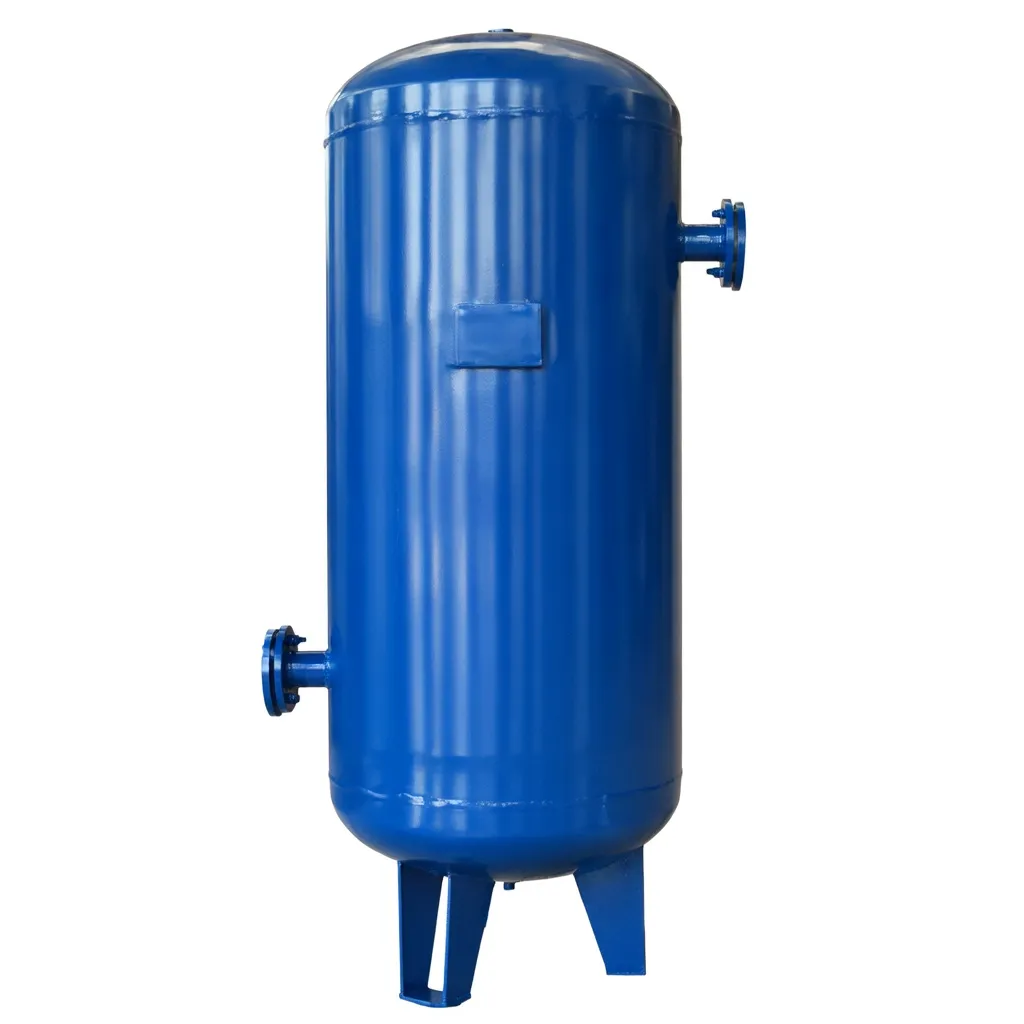
UK food manufacturers — from the confectionery factories of Birmingham to the dairy cooperatives of Somerset — face stringent food-contact air quality requirements under the BRC Global Standard for Food Safety. Oil-free screw compressors delivering Class 0 air per ISO 8573-1 (zero detectable oil) are mandated for any application where compressed air contacts product or primary packaging. These include pneumatic conveying of dry ingredients, PET bottle blowing, filling machine actuation, and CIP (clean-in-place) system pressurisation. Stainless steel air receivers and HACCP-compliant piping complete these installations.
💊 Pharmaceutical Manufacturing
The UK pharmaceutical sector — centred on clusters in Cambridge, Oxford, and the North East — requires medicinal-grade compressed air meeting European Pharmacopoeia 5.10 and ISO 8573-1 Class 1 specifications. Oil-free screw compressors form the backbone of these systems, delivering air with verified oil content below 0.01 mg/m3 and microbial contamination below 0.001 CFU/cm3. Full traceability documentation, Factory Acceptance Test (FAT) records, and IQ/OQ/PQ validation packages are standard procurement requirements — a documentation burden that demands a manufacturing partner with both technical capability and quality management system depth.
⚒ Automotive Assembly & Body Shops
From Nissan in Sunderland to Jaguar Land Rover in Coventry and Solihull, automotive assembly plants operate compressed air systems handling volumes of 100 to 500 m3/min across multi-compressor ring main networks. Screw compressors in these environments must meet demanding cycle duty ratings, provide redundancy through N+1 or N+2 configurations, and integrate seamlessly with plant-wide SCADA systems for centralised monitoring. Pressure zoning — feeding robotics at 6 bar, tyre inflation at 8 bar, and sand-blasting operations at 10 bar — requires careful system design and intelligent sequencer controllers that screw compressor packages now routinely provide.
🔍 Textile & Weaving Mills
Airjet weaving machines in Yorkshire’s remaining textile manufacturing base — particularly in the Huddersfield and Halifax areas — are among the most air-intensive industrial applications per unit of production output, consuming approximately 0.8 to 1.2 m3 of free air per metre of woven fabric. Pressure accuracy is critical: variations of more than 0.2 bar from the setpoint degrade weft insertion consistency and increase yarn breakage rates. Multi-unit screw compressor installations with master-slave sequencing and pressure averaging controls are the standard solution, often running 24 hours per day with maintenance windows planned around weekly loom schedules.
🔩 Chemical & Process Industries
Chemical plants on Teesside and along the Humber Estuary — one of the UK’s largest industrial concentrations — rely on instrument air systems built around screw compressors for pneumatic valve actuation, analyser purging, and plant air networks. These applications impose the strictest reliability requirements of any sector: a loss of instrument air can trigger emergency shutdown of entire process units, with restart costs running to millions of pounds per hour. Redundant compressor configurations with automatic changeover, high-capacity air receivers providing buffer storage, and continuous dew point monitoring are baseline specifications. Spark-free ATEX-certified variants are mandatory in classified hazardous areas.
Featured Compressor Products
Kundenerfolgsgeschichte
Sheffield Precision Aerospace Components Manufacturer Cuts Compressed Air Energy Spend by 44%
A specialist subcontract machining company operating in Sheffield’s Advanced Manufacturing Park serves Tier-1 aerospace and defence clients including multiple prime contractors on long-term supply agreements. Their compressed air system — supporting CNC machining centres, coordinate measuring machines, robotic deburring cells, and a nitrogen generation unit for laser cutting operations — had been running on a bank of three ageing fixed-speed reciprocating compressors installed in the early 2000s. Annual electricity consumption attributable to compression was exceeding 380,000 kWh, representing one of the facility’s largest single energy cost centres.
Following an independent compressed air audit conducted over two weeks of metered operation, the engineering team identified that average demand was running at approximately 58% of installed fixed-speed capacity, with significant overnight and weekend unloaded running consuming power with zero output. Ever Power’s application engineering team proposed a replacement system comprising two 132 kW VFD screw compressors in a lead-lag configuration with intelligent sequencing — a design allowing the primary unit to modulate between 40% and 100% of capacity, with the secondary unit starting only when demand exceeds single-unit capability. The existing air receivers were retained after inspection and recertification under PSSR 2000, reducing capital outlay.
Commissioning was completed during a planned factory shutdown period to avoid production disruption. Twelve months of metered post-installation data confirmed an annual electricity saving of 167,000 kWh — a 44% reduction against the baseline — delivering a full payback on the capital investment within 26 months. System pressure stability improved from ±0.8 bar variation with the old system to ±0.1 bar, eliminating sporadic dimensional rejections on CMM inspection that had previously been traced to pressure-related pneumatic fixture inconsistency. The facility’s energy manager subsequently presented the project as a case study at a Made in Yorkshire network event.
★★★★★
“The pressure stability improvement was immediately noticeable on our CMM fixtures. We were seeing sporadic pneumatic clamping inconsistencies that we had never been able to trace — they disappeared completely within the first week of the new system running. The Ever Power application team understood our process requirements from the first conversation and sized the installation correctly without over-specifying.”
— Engineering Manager, Aerospace Subcontractor, Sheffield
★★★★★
“We compared three suppliers on this project — all offering what looked like equivalent VFD compressor specifications on paper. What separated Ever Power was the depth of application data they provided during the selection process and their willingness to provide guaranteed performance figures tied to our specific operating profile. Post-installation metered figures actually beat the guaranteed savings by about 7 percentage points.”
— Facilities Director, Advanced Manufacturing Park Tenant, South Yorkshire
★★★★★
“Documentation and compliance support made a genuine difference here. We needed PSSR 2000 inspection reports, CE declarations, and commissioning records that would satisfy our aerospace customer quality audit. Ever Power supplied a complete package that went straight into our controlled document system without any back-and-forth. Lead time was 18 working days from order to on-site, which kept our shutdown window on schedule.”
— Quality Systems Manager, Precision Machining, Sheffield
 Purchasing a screw air compressor for a UK industrial site involves considerably more than comparing headline kW ratings and pressure specifications from competing catalogues. The total cost of ownership (TCO) calculation must incorporate electricity consumption over the expected service life, maintenance material costs, planned downtime allowance, and installation costs including civil works, electrical supply upgrade, and pipework modification. For most UK manufacturing environments, electricity accounts for 75 to 80% of TCO over a 10-year period — meaning that a unit with lower acquisition cost but 8% higher specific power consumption will typically cost substantially more over its service life than a premium-efficiency alternative.
Häufig gestellte Fragen
Ready to Discuss Your Compressed Air Requirements?
Contact the Ever Power technical sales team for application engineering support, product selection guidance, and a detailed price quotation tailored to your specific UK site requirements.
bearbeitet von gzl