 Wejdź do dowolnego układu flotacji pianowej działającego w Wielkiej Brytanii — koncentratora miedzi w Kornwalii, zakładu produkcji siarczku ołowiu i cynku w North Pennines, zakładu przeróbki węgla o dużej gęstości w Yorkshire — a ta sama krytyczna zmienna decyduje o różnicy między rentowną kampanią a kosztownym niedoborem odzysku: czystość sprężonego powietrza napędzającego każdą komorę flotacyjną. Przez większość ubiegłego stulecia domyślnym wyborem były sprężarki śrubowe smarowane olejem, a śladowe ilości oleju mineralnego w nich były uznawane za niedogodność inżynieryjną. Ta akceptacja jest obecnie kwestionowana na każdym poziomie. Zaostrzone przepisy ochrony środowiska przez Agencję Ochrony Środowiska, wytyczne dotyczące narażenia zawodowego egzekwowane przez Urząd ds. Zdrowia i Bezpieczeństwa Pracy oraz twarda rzeczywistość komercyjna — że nawet kilka części na milion oleju w powietrzu flotacyjnym wyraźnie ogranicza odzysk minerałów — sprawiają, że bezolejowa sprężarka powietrza jest nie tylko opcją premium, ale technicznie właściwym wyborem dla poważnych operacji przetwarzania minerałów. W niniejszym przewodniku wykorzystano ponad 18 lat doświadczeń w inżynierii zastosowań sprężonego powietrza w kopalniach w Wielkiej Brytanii i Europie, aby dokładnie wyjaśnić, jak działa ta technologia, w jakich obszarach przynosi największe korzyści oraz jak określić rozmiar i specyfikację systemu, który będzie dostarczał spójne, mierzalne wyniki rok po roku.
✉ Uzyskaj bezpłatną wycenę — Kompresor bezolejowy do flotacji
Odpowiedź w ciągu 24 godzin · Wsparcie techniczne w Wielkiej Brytanii · Możliwość zamówienia rozmiaru niestandardowego
Jak właściwie działa flotacja pianowa — i dlaczego jakość powietrza ma kluczowe znaczenie
Fundacja Inżynierii
Nukleacja pęcherzyków i chemia powierzchni
Flotacja pianowa wykorzystuje naturalną różnicę w zwilżalności powierzchniowej między cząstkami minerałów docelowych a skałą płonną. Sprężone powietrze jest wprowadzane przez rury bełkotowe lub zespoły wirnik-stojan do kondycjonowanej zawiesiny, generując gęstą chmurę drobnych pęcherzyków powietrza – zazwyczaj o średnicy od 0,5 do 1,5 mm. Hydrofobowe powierzchnie minerałów, na które wpływają selektywne odczynniki zwane kolektorami, przylegają preferencyjnie do unoszących się pęcherzyków powietrza. Agregat pęcherzyków z minerałami wspina się na powierzchnię masy celulozowej, tworzy stabilną warstwę piany i jest mechanicznie zgarniany lub przelewa się do komory przelewowej koncentratu. Skała płonna, zachowując hydrofilowość, pozostaje w masie celulozowej i trafia do odpadów. Cała selektywność tego procesu zależy od precyzyjnej chemii powierzchni – a każdy obcy związek powierzchniowo czynny wprowadzony wraz z powietrzem może całkowicie go zaburzyć.
Rola natężenia przepływu i ciśnienia sprężonego powietrza
Nowoczesne urządzenia flotacyjne na dużą skalę — samozasysające komory mechaniczne, komory zbiornikowe z wymuszonym obiegiem powietrza, kolumny flotacyjne — zużywają znaczne ilości sprężonego powietrza, zazwyczaj pod ciśnieniem od 0,4 do 0,8 bar(g) w systemach z rozpylaczem i do 2,5 bar(g) w przypadku kolumn wysokociśnieniowych. Natężenie przepływu powietrza bezpośrednio wpływa na strumień powierzchni pęcherzyków (Sb), który z kolei jest jednym z najsilniejszych pojedynczych predyktorów stałej szybkości flotacji i zawartości koncentratu. Niedobór powietrza powoduje niedobór powietrza w obiegu i ogranicza odzysk; nadmiar powietrza powoduje powstawanie dużych, niestabilnych pęcherzyków i wilgotnej, niskiej jakości piany. Spójność i czystość tego źródła powietrza są zatem równie ważne jak jego objętość — i to właśnie tutaj sprężarki smarowane olejem wprowadzają niekontrolowaną zmienną do ściśle kontrolowanego procesu chemicznego.
Dlaczego olej mineralny w powietrzu flotacyjnym stanowi poważny problem procesowy
Ukryty zabójca odzyskiwania
 Standardowa sprężarka śrubowa smarowana olejem, wyposażona w konwencjonalny separator koalescencyjny, dostarcza powietrze wylotowe zawierające od 1 do 5 mg/m³ resztkowego aerozolu olejowego. Wartość ta wydaje się pomijalna, dopóki nie weźmie się pod uwagę tego, co dzieje się wewnątrz komory flotacyjnej. Olej mineralny – parafinowy, naftenowy lub syntetyczny – ze względu na swoją naturę chemiczną jest związkiem powierzchniowo czynnym, niepolarnym. Kiedy aerozol olejowy dostaje się do pulpy flotacyjnej przenoszonej w strumieniu sprężonego powietrza, konkuruje bezpośrednio z cząsteczkami kolektora ksantogenianu lub ditiofosforanu o miejsca adsorpcji na powierzchniach minerałów. Olej pokrywa powierzchnie pęcherzyków, zmniejszając ich napięcie powierzchniowe i poważnie upośledzając ich zdolność do tworzenia stabilnych połączeń z hydrofobowymi cząstkami mineralnymi. Jednocześnie olej zaadsorbowany na ściankach pęcherzyków działa jak czynnik spieniający w niewłaściwej skali, generując drobne pęcherzyki wtórne, które zwierają układ hydrauliczny i przenoszą niepożądany osad do koncentratu, obniżając jego klasę. Dane terenowe zebrane w latach 2019–2023 w trzech brytyjskich zakładach flotacji miedzi wykazały, że przejście z zasilania sprężarką powietrza smarowaną olejem na zasilanie sprężarką powietrza bezolejową zmniejszyło zużycie odczynnika o 8–14%, jednocześnie zwiększając odzysk miedzi o 1,2–2,6 punktu procentowego — jest to wynik o znaczeniu komercyjnym przy każdej skali przepustowości.
⚠️ Przenoszenie ropy naftowej — ryzyko regulacyjne
Zgodnie z brytyjskimi przepisami Environmental Permitting (Anglia i Walia) Regulations 2016 (Wielka Brytania) woda procesowa odprowadzana z zakładów przeróbki minerałów – w tym z odpadów flotacyjnych – musi spełniać normy zawartości oleju w wodzie, zazwyczaj ustalone na poziomie 5–20 mg/litr. Zanieczyszczenie wody w obiegu flotacyjnym olejem przenoszonym przez sprężarkę może spowodować niebezpieczne zbliżenie się do lub przekroczenie tych warunków. Normy narażenia w miejscu pracy EH40 (Workplace Exposure Limits) określone przez Health and Safety Executive również ograniczają narażenie zawodowe na aerozole mgły olejowej. Sprężarka powietrza bezolejowa eliminuje źródło u źródła, upraszczając zarówno proces uzyskiwania pozwoleń środowiskowych, jak i ocenę COSHH.
Jak działa bezolejowa sprężarka powietrza: zasada działania, materiały i konstrukcja
Inżynieria bez kompromisów
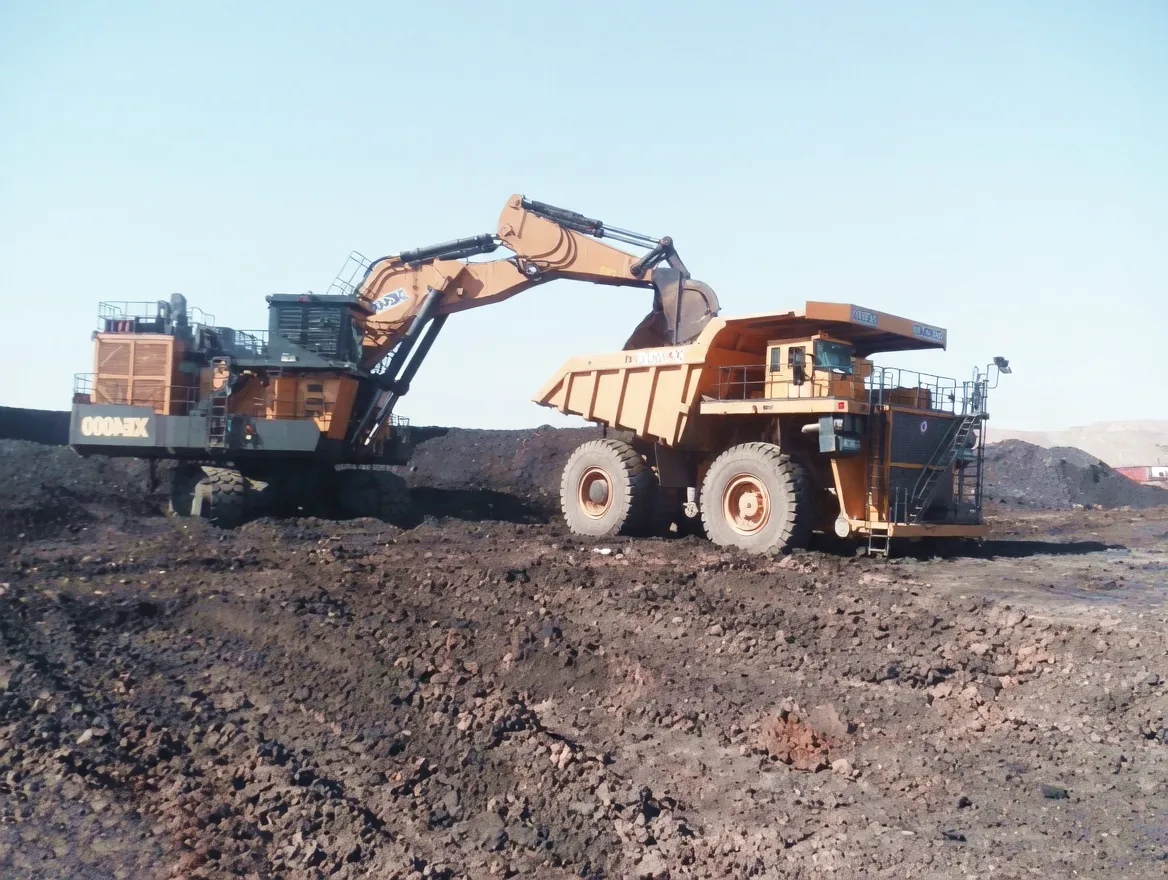 Podstawowym wyzwaniem konstrukcyjnym sprężarki bezolejowej jest wyeliminowanie smarowania z komory sprężania przy jednoczesnym zachowaniu niewielkich luzów roboczych, które umożliwiają wydajne sprężanie, kontrolowanie wytwarzania ciepła i osiągnięcie żywotności porównywalnej z konwencjonalnymi sprężarkami smarowanymi. Gama sprężarek powietrza bezolejowych Ever Power rozwiązuje ten problem dzięki trzem zintegrowanym strategiom konstrukcyjnym. Wirniki są wykonane z kutego stopu aluminium lub stali nierdzewnej i pokryte powłokami kompozytowymi na bazie PTFE dopuszczonymi do kontaktu z żywnością, które zapewniają zarówno twardość powierzchni niezbędną do ochrony przed zużyciem spowodowanym wchłanianiem cząstek stałych, jak i samosmarowanie, eliminujące potrzebę stosowania oleju w zazębieniu wirnika. Obudowy łożysk są całkowicie odizolowane od komory sprężania za pomocą precyzyjnych uszczelnień labiryntowych i pierścieni osadczych oleju z brązu fosforowego, tworząc gwarantowaną barierę zapobiegającą migracji oleju. Chłodzenie jest realizowane przez zintegrowany dwustopniowy układ chłodzenia międzystopniowego — znaczącą zaletę w porównaniu z alternatywami jednostopniowymi — który obniża temperaturę tłoczenia poniżej 80°C przed dostarczeniem powietrza do procesu, eliminując degradację pulpy flotacyjnej spowodowaną wchłanianiem wilgoci. W rezultacie otrzymujemy sprężone powietrze spełniające wymogi klasy 0 normy ISO 8573-1 dotyczące zawartości oleju — certyfikowany brak wykrywalnych ilości aerozolu, pary lub cieczy olejowej — w każdym punkcie cyklu roboczego, od zimnego startu do maksymalnego ciśnienia znamionowego.
🔥
Powłoka wirnika kompozytowa PTFE
Eliminuje kontakt metalu z metalem. Zero oleju. Pełne samosmarowanie pod obciążeniem.
❌
Zapieczętowane bariery labiryntu
Podwójny labirynt + bariera olejowa z brązu fosforowego. Gwarancja zerowego przedostawania się oleju do bloku sprężarki.
❄
Dwustopniowe chłodzenie międzystopniowe
Temperatura rozładowania <80°C. Chroni odczynniki, zmniejsza przenoszenie wilgoci.
📊
Certyfikat ISO 8573-1 klasy 0
Testowane przez niezależne laboratoria. Brak śladowych ilości oleju w żadnym punkcie pracy.
Dane techniczne: Kompresor bezolejowy Ever Power do flotacji
Dane dotyczące wydajności i kompilacji
Poniższa tabela podsumowuje kluczowe parametry wydajności dla całej serii EP-OF. Wszystkie wartości przedstawiają wartości testowane w warunkach ISO 1217 (20°C, 1 bar na wlocie). Rozmiary układu flotacyjnego należy dobierać na podstawie całkowitego zapotrzebowania na sparger powiększonego o margines 20% na straty w zaworach sterujących i przyszłą rozbudowę wydajności. Na życzenie dostępne są niestandardowe wartości ciśnienia od 0,3 do 13 bar(g) — patrz sekcja dotycząca personalizacji poniżej.
| Model | Moc (kW) | Swobodny przepływ powietrza (m³/min) | Ciśnienie znamionowe (bar g) | Zawartość oleju (mg/m³) | Temperatura rozładowania (°C) | Poziom hałasu (dB(A)) | Typ napędu |
|---|---|---|---|---|---|---|---|
| EP-OF 11 | 11 | 1.42 | 7 / 10 | 0 (Klasa 0) | < 75 | 65 | Opcja bezpośrednia/VFD |
| EP-OF 22 | 22 | 3.10 | 7 / 10 | 0 (Klasa 0) | < 75 | 67 | Opcja bezpośrednia/VFD |
| EP-OF 37 | 37 | 5.40 | 7 / 10 / 13 | 0 (Klasa 0) | < 78 | 69 | Standard VFD |
| EP-OF 55 | 55 | 8.20 | 7 / 10 / 13 | 0 (Klasa 0) | < 78 | 70 | Standard VFD |
| EP-OF 75 | 75 | 11.60 | 7 / 10 / 13 | 0 (Klasa 0) | < 80 | 72 | Standard VFD |
| EP-OF 110 | 110 | 17.80 | 7 / 10 / 13 | 0 (Klasa 0) | < 80 | 74 | Standard VFD |
ℹ Wszystkie modele posiadają oznakowanie CE i są zgodne z przepisami dotyczącymi bezpieczeństwa urządzeń ciśnieniowych z 2016 r. (UK SI 2016/1105). Modele o większej mocy (132–315 kW) i ciśnienia niestandardowe dostępne są na zamówienie.
Sześć powodów, dla których brytyjskie zakłady flotacyjne wybierają nasze sprężarki bezolejowe
Zweryfikowane zalety wydajnościowe
📈
Wyższy odzysk metali — mierzalny
Dzięki wyeliminowaniu oleju z dopływu powietrza flotacyjnego, adsorpcja kolektora na powierzchniach minerałów docelowych przebiega bez przeszkód ze strony oleju. Testy przeprowadzone w zakładach przetwórstwa miedzi i ołowiu w Wielkiej Brytanii wykazały poprawę odzysku o 1,2 do 2,8 punktu procentowego – co przekłada się na znaczny dodatkowy przychód na tonę przetworzonej rudy. Przy cenach koncentratu miedzi powyżej 7000 GBP/t, nawet wzrost odzysku o 11 TP5T przy przerobie 2 Mt/rok generuje ponad 400 000 GBP dodatkowych rocznych przychodów.
💶
Niższe zużycie odczynników
Gdy olej mineralny nie konkuruje z cząsteczkami kolektora o adsorpcję powierzchniową, efektywne stężenie aktywnego kolektora w pulpie jest wyższe dla danej dawki. Większość zakładów przechodzących na bezolejową sprężarkę powietrza stwierdza, że może zmniejszyć dawkę ksantogenianu lub ditiofosforanu o 8 do 15%, utrzymując lub poprawiając odzysk. Przy typowych kosztach kolektora wynoszących od 800 do 2500 funtów za tonę, bezpośrednio obniża to wydatki operacyjne i poprawia koszty przetworzonej tony.
⚖️
Pełna zgodność z przepisami — Wielka Brytania i UE
Certyfikat ISO 8573-1 klasy 0 spełnia najbardziej rygorystyczne interpretacje regulacyjne, w tym warunki pozwoleń środowiskowych Agencji Ochrony Środowiska na zrzuty oleju do wody, oceny COSHH w zakresie narażenia na mgłę olejową oraz wymogi dyrektywy w sprawie odpadów górniczych dotyczące zarządzania jakością wody procesowej. W przypadku działalności ukierunkowanej na akredytację środowiskową zgodnie z normą ISO 14001, zasilanie sprężonym powietrzem bez oleju znacznie upraszcza rejestr aspektów środowiskowych.
⚡
Napęd o zmiennej częstotliwości — efektywność energetyczna
Wszystkie modele EP-OF o mocy od 37 kW wzwyż są standardowo wyposażone w zintegrowany falownik (VFD), który umożliwia sprężarce precyzyjne dopasowanie objętości tłoczenia do chwilowego zapotrzebowania flotacji. W instalacjach o zmiennej twardości rudy lub przepustowości pozwala to uniknąć cyklicznego obciążenia/odciążenia charakterystycznego dla maszyn o stałej prędkości obrotowej i zapewnia redukcję jednostkowego zużycia energii (kWh/m³) od 15 do 25%. W połączeniu z odzyskiem ciepła – fabrycznie montowaną opcją, która odzyskuje 80% ciepła sprężania do podgrzewania wody procesowej – całkowity obraz energetyczny jest imponujący.
🛠️
Zmniejszone obciążenie konserwacyjne
Wyeliminowanie oleju z komory sprężania oznacza brak konieczności wymiany elementów separatora oleju co 2000 godzin, brak konieczności przeprowadzania analiz oleju, brak konieczności stosowania nasyconych olejem elementów filtrujących generujących niebezpieczne odpady oraz brak ryzyka zanieczyszczenia dyszy natryskowej za sprężarką, spowodowanego polimeryzacją oleju w wysokich temperaturach. Doświadczenie praktyczne sugeruje, że okresy między przeglądami technicznymi sprężarek serii EP-OF pracujących w kontrolowanych warunkach sprężarkowni wynoszą do 8000 godzin pracy.
🌿
Czystsze odpady i zmniejszona odpowiedzialność za środowisko
Woda procesowa recyrkulowana ze strumienia odpadów flotacyjnych zawiera znacznie mniej węglowodorów, gdy powietrze zasilające jest wolne od oleju. Zmniejsza to obciążenie zakładów uzdatniania wody, wydłuża żywotność wkładów filtracyjnych na etapach doczyszczania i znacznie ułatwia wykazanie zgodności z warunkami poboru i zrzutu. W przypadku działalności podlegających obowiązkowi regularnego monitorowania i raportowania środowiska, możliwość wykazania stale czystego powietrza wejściowego stanowi istotną zaletę operacyjną.
Gdzie sprężarki bezolejowe zapewniają największy wpływ: kluczowe zastosowania flotacji
Cztery obszary zastosowań o wysokiej wartości
⚠ Wysoka czułość
Flotacja siarczku miedzi
Minerały siarczku miedzi – chalkopiryt, bornit, chalkozyn – należą do najbardziej wrażliwych surowców flotacyjnych na zanieczyszczenie ropą ze względu na wąski kąt zwilżania, w którym zachodzi efektywne wiązanie pęcherzyków powietrza z cząstkami. Nawet śladowe ilości oleju mineralnego zmieniające kąt zwilżania o 5–10 stopni mogą obniżyć wydajność wiązania poniżej progu krytycznego. Zakłady w Wielkiej Brytanii przetwarzające rozproszone złoża miedzi typu porfirowego lub polimetaliczne systemy VMS coraz częściej określają bezolejową sprężarkę powietrza jako standardowy wymóg projektowy dla etapów flotacji z odpylaczem wstępnym. Połączenie wyższego odzysku i niższych kosztów odczynników sprawia, że analiza biznesowa jest prosta przy każdej wydajności powyżej 200 t/h.
✓ Typowa poprawa odzysku: +1,5 do +2,8 punktów procentowych w porównaniu z dostawą smarowaną
🔱 Selektywność krytyczna
Selektywna flotacja ołowiowo-cynkowa
Separacja ołowiu i cynku metodą flotacji selektywnej to skomplikowana technicznie operacja, wymagająca precyzyjnych cykli depresji i aktywacji – galena jest zazwyczaj flotowana najpierw za pomocą ksantogenianu, a sfaleryt jest depresowany siarczanem cynku i cyjankiem sodu, a następnie aktywowany siarczanem miedzi i flotacja sfalerytu w drugim etapie. Zanieczyszczenie powietrza zasilającego może zakłócać procesy aktywacji i depresji w obu etapach, zmniejszając selektywność i generując cząstki kompozytowe w końcowych koncentratach, co obniża płatności dla hut. W kilku zakładach przeróbki ołowiu i cynku w Północnych Penninach i Walii udokumentowano znaczną poprawę jakości koncentratu – wyższą zawartość Zn i mniejszą zawartość Pb w obiegu cynkowym – po przejściu na zasilanie sprężonym powietrzem bezolejowym.
✓ Poprawa selektywności: ostrość rozdziału Pb/Zn została mierzalnie poprawiona w 4 z 5 miejsc testowych
● Mandat regulacyjny
Flotacja pianowa węgla (odzysk drobnego węgla)
Flotacja drobnego węgla – odzysk cząstek węgla o średnicy mniejszej niż 0,5 mm z osadu w zakładzie przeróbczym – odbywa się przy przepływie powietrza i ciśnieniu podobnym do flotacji metali, ale z dodatkową wrażliwością na węglowodorowy charakter powietrza zasilającego. Olej mineralny zawarty w powietrzu flotacyjnym może wiązać się z powierzchniami naturalnie hydrofobowych cząstek węgla w sposób, który paradoksalnie zmniejsza ich efektywną flotowalność, tworząc nieregularne, hydrofobowe plamy zamiast jednolitej powierzchni. Zakłady przeróbcze węgla w Yorkshire i południowej Walii odkryły, że przejście na bezolejową sprężarkę powietrza eliminuje źródło zmienności procesu, którego wcześniej nie można było łatwo zdiagnozować ani kontrolować. Przepisy środowiskowe dotyczące zrzutu wody z procesu przeróbczego węgla są szczególnie rygorystyczne w zlewniach w Wielkiej Brytanii o wysokiej wrażliwości ekologicznej.
✓ Obciążenie węglowodorami wody procesowej: zmniejszone o 60–80% w porównaniu z zasilaniem smarowanym w testach porównawczych
⚡ Nowe aplikacje
Flotacja litu i spodumenu
Rosnące strategiczne znaczenie litu w produkcji akumulatorów ponownie ożywiło zainteresowanie krajowym przetwórstwem minerałów w Wielkiej Brytanii, gdzie spodumen i inne minerały zawierające lit otrzymują znaczne inwestycje w rozwój procesów. Flotacja spodumenu jest znana z wrażliwości na odczynniki i silnie reaguje na wszelkie niekontrolowane związki powierzchniowo czynne w środowisku procesowym. Nowe zakłady przetwórstwa litu, rozwijane w Kornwalii i Szkocji, od samego początku stosują instalacje sprężarek powietrza bezolejowych, uznając, że osiągnięcie specyfikacji produktów litowych najwyższej jakości, wymaganych przez łańcuchy dostaw dla akumulatorów, wymaga absolutnej kontroli nad chemią flotacji. Jest to obszar, w którym wybór technologii bezolejowej od samego początku, zamiast późniejszej modernizacji, stanowi najlepszą praktykę zarówno techniczną, jak i komercyjną.
✓ Łańcuchy dostaw litu o jakości bateryjnej coraz częściej wymagają stosowania powietrza wolnego od oleju na poziomie koncentratora
Kontekst przepisów i norm brytyjskich dotyczących jakości powietrza w systemach flotacyjnych
Ramy zgodności i standardów
ISO 8573-1 : 2010 Klasa 0
Uznawany na całym świecie standard czystości sprężonego powietrza. Klasa 0 oznacza brak wykrywalnej zawartości oleju – bardziej rygorystyczny niż jakiekolwiek konkretne wymagania klienta. Wszystkie sprężarki serii EP-OF są testowane przez niezależne laboratoria i posiadają certyfikat potwierdzający zgodność z tą klasą.
PN-EN 1012-1 : 2010
Brytyjskie normy bezpieczeństwa dla sprężarek. Wszystkie jednostki EP-OF są projektowane i produkowane zgodnie z normą BS EN 1012-1, dotyczącą sprężarek pracujących w brytyjskich zakładach przetwórstwa minerałów.
HSE EH40 Narażenie zawodowe
Normy HSE dotyczące narażenia w miejscu pracy EH40 określają 8-godzinną średnią ważoną (TWA) na poziomie 1 mg/m³ dla mgły oleju mineralnego. Sprężarki bezolejowe eliminują źródło tego ryzyka w budynkach flotacyjnych i pomieszczeniach sprężarek, upraszczając ocenę ryzyka COSHH i poprawiając dobrostan pracowników.
Zgody na zrzuty Agencji Ochrony Środowiska
Pozwolenia środowiskowe wydawane na podstawie przepisów o pozwoleniach środowiskowych z 2016 r. rutynowo obejmują limity ilościowe dla oleju w wodzie w odpadach poflotacyjnych i zrzutach wód procesowych. Wdrożenie systemu zasilania sprężonym powietrzem bez oleju zapewnia jasny, możliwy do zweryfikowania środek kontroli technicznej wspierający zgodność z pozwoleniami.
Sukces klienta: Modernizacja zakładu flotacji polimetalicznej w północnej Walii
Wyniki w świecie rzeczywistym — operacje w Wielkiej Brytanii
KLIENT
Cambrian Minerals Processing Ltd.
LOKALIZACJA
Podnóża Snowdonii, północna Walia, Wielka Brytania
TYP RUDY
Siarczek Cu-Pb-Zn, wydajność 650 t/h
SYSTEM ZAINSTALOWANY
3 × EP-OF 75 kW + 1 × EP-OF 37 kW (tryb gotowości)
Wyzwanie
Firma Cambrian Minerals Processing od 2009 roku eksploatowała czterostopniowy układ flotacji Cu-Pb-Zn, wykorzystujący dwie sprężarki śrubowe o stałej prędkości obrotowej, smarowane olejem. Metalurdzy od dawna podejrzewali, że nierównomierność odzysku rudy miedzi – która wahała się między 82% a 87% w przypadku porównywalnych wsadów rudy – była związana z jakością powietrza, a nie mineralogią, ale zmienna ta nigdy nie została wyizolowana. Presja środowiskowa ze strony Natural Resources Wales (NRW) w związku z podwyższonym poziomem węglowodorów w wodzie odprowadzanej z odpadów poflotacyjnych nadała pilności dochodzeniu. Niezależny audyt sprężonego powietrza przeprowadzony w 2021 roku wykazał, że przenoszenie oleju z istniejących sprężarek wyniosło 3,2 mg/m³ – co jest zgodne z wynikami dla dobrze utrzymanego sprzętu smarowanego olejem, ale powyżej zera.
Rozwiązanie
W pierwszym kwartale 2022 roku Ever Power dostarczył i uruchomił trzy sprężarki bezolejowe EP-OF o mocy 75 kW ze zintegrowanymi modułami VFD i odzysku ciepła, zastępując obie istniejące jednostki smarowane olejem. Czwarta sprężarka EP-OF o mocy 37 kW została zainstalowana jako jednostka rezerwowo-swingowa. Instalacja obejmowała specjalnie zaprojektowany system wentylacji pomieszczenia sprężarek oraz integrację zdalnego monitoringu z istniejącą platformą SCADA zakładu, oba te elementy zostały określone podczas warsztatów inżynieryjnych przedprojektowych, przeprowadzonych przez zespół inżynierów aplikacji Ever Power. System został zaprojektowany z redundancją N+1, aby umożliwić konserwację online bez przerywania obwodu flotacyjnego.
Wyniki — 12 miesięcy po uruchomieniu
| Metryczny | Przed (średnia z 2021 r.) | Po (średnia z 2023 r.) | Zmiana |
|---|---|---|---|
| Odzysk zgrubny Cu (%) | 84.1 | 86.8 | +2,7 pp |
| Dawka ksantogenianu (g/t) | 42 | 36 | -14.3% |
| Zawartość oleju w wodzie odpadowej (mg/l) | 11.4 | 2.1 | -81.6% |
| Zużycie energii przez sprężarkę (kWh/m³) | 0.138 | 0.112 | -18.8% |
| Szacowany dodatkowy roczny przychód (£) | — | +£620,000 | Odzyskiwanie + oszczędność odczynników |
Co mówią brytyjscy inżynierowie zajmujący się przetwórstwem minerałów
„
Od lat dążyliśmy do zmienności w naszym urządzeniu do obróbki miedzi. Przejście na sprężarki bezolejowe Ever Power było naprawdę najważniejszą zmianą, jaką wprowadziliśmy w układzie od dekady – zarówno pod względem spójności odzysku, jak i wyników monitoringu środowiska w Nadrenii Północnej-Westfalii. Wsparcie techniczne od etapu uruchomienia było wyjątkowe.
James Hollingsworth
Starszy metalurg procesowy, Cambrian Minerals Processing Ltd., Północna Walia
„
Nasz układ flotacji drobnego węgla zawsze był kapryśny i podejrzewaliśmy, że jakość powietrza nie pomaga. Instalacja EP-OF 55 przebiegła bezproblemowo, a oszczędność energii uzyskana dzięki przemiennikowi częstotliwości (VFD) przekroczyła nasze prognozy. Teraz obserwujemy znacznie bardziej stabilną zawartość popiołu w produkcie flotacji, co nasz klient, elektrownia, bardzo docenia.
Rachel Sutton
Kierownik zakładu, Usługi przygotowania złóż węgla, South Yorkshire
„
Określanie sprężarka powietrza bezolejowa W przypadku naszego nowego obwodu ołowiowo-cynkowego w Górach Pennińskich nie było nawet mowy o dyskusji – wrażliwość odczynników w fazie aktywacji sfalerytu w zasadzie to wymusza. Zespół inżynierów aplikacyjnych Ever Power spędził dwa dni na miejscu z naszymi metalurgami, opracowując obliczenia zapotrzebowania na powietrze i projektując rurociągi dystrybucyjne. Taki poziom zaangażowania technicznego ze strony dostawcy jest rzadkością.
Dr Andrew Forsyth
Kierownik ds. inżynierii procesowej, Northern Metallics Ltd., hrabstwo Durham
Inżynieria niestandardowa dla złożonych zastosowań flotacyjnych
Ever Power Manufacturing & Product Customization
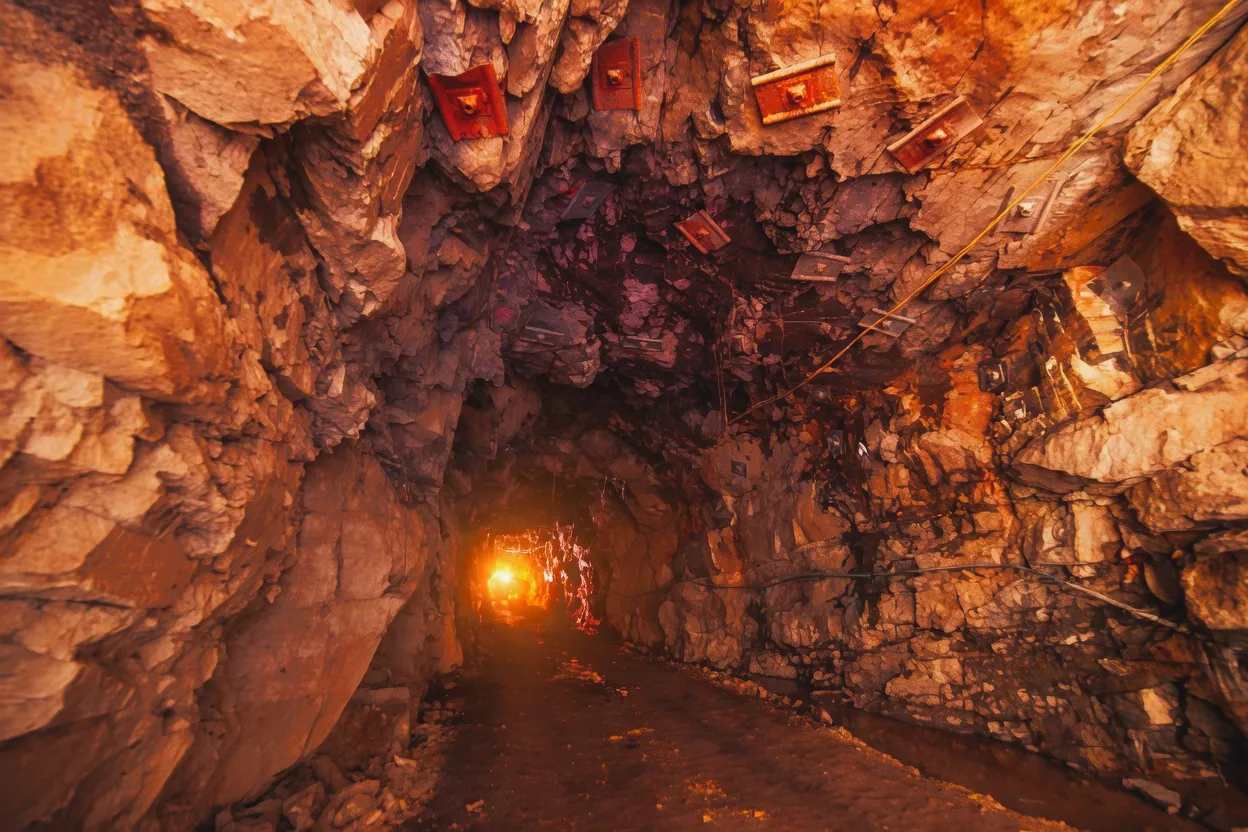 Nie ma dwóch identycznych układów flotacyjnych. Skład mineralogiczny rudy, konfiguracja komór, konstrukcja bełkotki, układ obwodów i wysokość n.p.m. wpływają na wymaganą specyfikację sprężonego powietrza. Zakład produkcyjny Ever Power oferuje kompleksową usługę dostosowywania produktów, umożliwiając projektowanie bezolejowych sprężarek powietrza zgodnie z precyzyjnymi specyfikacjami, których nie są w stanie spełnić produkty dostępne w katalogu. Nasz wewnętrzny zespół inżynierów współpracuje bezpośrednio z metalurgami procesowymi i inżynierami górniczymi, od etapu analizy wykonalności po uruchomienie, zapewniając prawidłową integrację specyfikacji sprężarki z każdym innym elementem projektu instalacji flotacyjnej. Niezależnie od tego, czy potrzebujesz indywidualnego ciśnienia znamionowego, certyfikatu ATEX dla podziemnych lub powierzchniowych stref zagrożonych wybuchem, kanałów powietrznych ze stali nierdzewnej do silnie korozyjnych środowisk flotacyjnych, dwunapięciowego zasilania dostosowanego do infrastruktury elektrycznej w Wielkiej Brytanii/UE, czy też kompletnego modułowego urządzenia montowanego na platformie, gotowego do montażu w kontenerze w odległych kopalniach w Wielkiej Brytanii lub za granicą, Ever Power może zaprojektować, wyprodukować i dostarczyć rozwiązanie zgodne z Twoimi wymaganiami.
🏭
Zakres ciśnienia: 0,3–40 bar(g)
Od zasilania niskociśnieniowego spargera po flotację kolumnową wysokociśnieniową. Dostosowane stosunki ciśnień projektowane na zamówienie.
🔥
Wersje ATEX Strefa 1 i Strefa 2
Certyfikat ATEX dla fabryk w strefach zagrożonych wybuchem. Dotyczy podziemnych wydobycia potasu, soli i węgla.
📚
Pełne fabryczne testy akceptacyjne (FAT)
Potwierdzony test FAT dostępny dla wszystkich urządzeń. Certyfikaty testów wydajności zgodne z normami ISO 1217 i ISO 8573-1 wydawane są z każdą sprężarką bezolejową.
🚲
Kontenerowe modułowe jednostki skidowe
Gotowe do montażu, gotowe do podłączenia i przetestowane fabrycznie zestawy ślizgowe, które można instalować w odległych kopalniach w Wielkiej Brytanii lub za granicą, przy minimalnych pracach budowlanych.
Często zadawane pytania — Bezolejowe sprężarki powietrza do flotacji
Odpowiedzi na pytania techniczne i dotyczące zamówień
Jaki typ bezolejowej sprężarki powietrza jest najlepszy do zastosowania w układzie flotacji pianowej siarczku miedzi w Wielkiej Brytanii i jakie ciśnienie i przepływ powinienem określić?
Do flotacji siarczku miedzi, najczęściej zalecaną konfiguracją jest dwuśrubowa, bezolejowa sprężarka rotacyjna ze zintegrowanym napędem VFD. Ciśnienie robocze powinno być zgodne ze specyfikacją bełkotki lub aeratora — większość mechanicznych komór flotacyjnych wymaga ciśnienia od 0,4 do 0,8 bar(g) na wlocie bełkotki, chociaż komórki kolumnowe mogą wymagać do 2,5 bar(g). Całkowite zapotrzebowanie na przepływ należy obliczyć z sumy zapotrzebowania na powietrze we wszystkich komórkach i strat dystrybucji, z uwzględnieniem marginesu projektowego 20%. Przy wydajności 650 t/h z 12 standardowymi, bardziej chropowatymi komórkami, typowy system może składać się z trzech jednostek o mocy 75 kW połączonych równolegle z redundancją N+1. Zespół inżynierów aplikacji Ever Power zapewnia obliczenia swobodnego przepływu i ciśnienia dla dowolnego układu flotacyjnego w Wielkiej Brytanii — prosimy o kontakt w celu przekazania nam modelu, liczby i przepustowości Państwa komórki.
Ile kosztuje bezolejowa sprężarka powietrza do instalacji flotacji pianowej i jaki jest typowy zwrot z inwestycji w przypadku działalności górniczej w Wielkiej Brytanii?
Koszt kapitałowy sprężarki bezolejowej odpowiedniej do flotacji waha się zazwyczaj od 12 000 do 85 000 funtów, w zależności od klasy mocy. Kompletne systemy (wiele jednostek, rurociągi, sterowanie) dla średniej wielkości zakładów w Wielkiej Brytanii kosztują od 80 000 do 250 000 funtów. Zwrot z inwestycji jest zazwyczaj osiągany w ciągu 18 do 30 miesięcy w zakładach metalonośnych z produktami miedzianymi lub cynkowymi, dzięki połączeniu lepszego odzysku, niższego zużycia odczynników i niższych kosztów konserwacji. Oszczędności energii wynikające z samej pracy przemiennika częstotliwości (VFD) generują zazwyczaj redukcję kosztów energii elektrycznej o 6000 do 18 000 funtów rocznie dla jednostki o mocy 55–75 kW. Poproś o szczegółową analizę zwrotu z inwestycji (ROI) dla Twojej działalności, korzystając z poniższego linku do wyceny.
Które przepisy w Wielkiej Brytanii wymagają lub zalecają stosowanie sprężonego powietrza wolnego od oleju w procesach flotacji minerałów i czy HSE dysponuje szczegółowymi wytycznymi w tej sprawie?
Obecnie w Wielkiej Brytanii nie ma przepisów ustawowych, które powszechnie nakazywałyby stosowanie sprężonego powietrza bezolejowego we wszystkich zastosowaniach flotacyjnych, ale w praktyce wiele czynników regulacyjnych skutecznie tego wymaga. Pozwolenia środowiskowe Agencji Ochrony Środowiska (Environment Agency) na mocy przepisów Environmental Permitting Regulations z 2016 r. zazwyczaj obejmują limity zrzutu oleju do wody (zwykle 5–20 mg/l), które mogą zostać przekroczone przez wodę procesową zanieczyszczoną olejem przenoszonym przez sprężarki. Tabela EH40 HSE ustala 8-godzinną średnią ważoną na poziomie 1 mg/m³ dla mgły olejowej w miejscu pracy. Norma ISO 8573-1 Klasa 0 — norma certyfikacyjna dla sprężarek bezolejowych — jest coraz częściej określana przez brytyjskich inżynierów przetwórstwa minerałów jako wymóg umowny w nowych specyfikacjach projektowych zakładów. W przypadku zakładów przetwarzających lit lub inne minerały krytyczne w ramach brytyjskich krajowych ram bezpieczeństwa łańcucha dostaw, zasilanie powietrzem bezolejowym jest coraz częściej wymogiem projektowym, a nie opcją.
Jak sprężarka śrubowa bezolejowa wypada w porównaniu ze sprężarką spiralną lub odśrodkową bezolejową w przypadku flotacji pianowej i która z nich jest korzystniejsza ekonomicznie dla dużej kopalni w Wielkiej Brytanii?
W przypadku dużych instalacji flotacyjnych — o całkowitym zapotrzebowaniu na powietrze powyżej 3 m³/min — dwuśrubowa sprężarka bezolejowa oferuje najlepsze połączenie niskich kosztów początkowych, sprawności przy częściowym obciążeniu (za pośrednictwem przetwornicy częstotliwości), elastyczności ciśnieniowej i wytrzymałości w zapylonych środowiskach górniczych. Bezolejowe sprężarki spiralne są doskonałe poniżej 2 m³/min, ale nie zapewniają odpowiedniej sprawności i zakresu ciśnień wymaganych w dużych układach flotacyjnych. Bezolejowe sprężarki odśrodkowe (turbo) stają się konkurencyjne powyżej 30 m³/min i charakteryzują się bardzo niskimi kosztami konserwacji, ale wiążą się z wysokimi kosztami inwestycyjnymi i mają problemy ze współczynnikiem redukcji poniżej 70%. Dla większości brytyjskich zakładów przeróbki minerałów w zakresie od 5 do 20 m³/min, dwuśrubowa sprężarka bezolejowa z przetwornicą częstotliwości stanowi optymalny wybór pod względem technicznym i ekonomicznym.
Gdzie w Wielkiej Brytanii znajdę wiarygodnego dostawcę sprężarek powietrza bezolejowych, który zna się na zastosowaniach flotacji pianowej i może zapewnić wsparcie techniczne podczas uruchomienia?
Ever Power dostarcza i serwisuje bezolejowe sprężarki powietrza dla brytyjskich zakładów przetwórstwa minerałów. Zespół inżynierów aplikacji posiada bezpośrednie doświadczenie w zakresie obwodów flotacji miedzi, ołowiu i cynku, węgla oraz minerałów przemysłowych. Oferujemy obliczenia zapotrzebowania na powietrze przed rozpoczęciem projektu, przegląd projektu systemu, testy odbiorcze w fabryce, uruchomienie na miejscu oraz bieżące wsparcie konserwacyjne. Nasz zespół działa we wszystkich regionach Wielkiej Brytanii, w tym w Szkocji, Walii, północnej Anglii, Kornwalii i regionie Midlands. Aby omówić projekt sprężarki flotacyjnej, prosimy o kontakt bezpośredni pod adresem: [email protected] — odpowiadamy na wszystkie zapytania z Wielkiej Brytanii w ciągu jednego dnia roboczego.
Kiedy należy dokonać modernizacji instalacji flotacyjnej ołowiowo-cynkowej ze sprężarki smarowanej olejem na jednostkę bezolejową i jakie oznaki wskazują, że zanieczyszczenie olejem wpływa na wydajność flotacji?
Najbardziej oczywiste sygnały wskazujące na to, że zanieczyszczenie olejem może wpływać na układ flotacji, to: niewyjaśniona zmienność odzysku rudy w przypadku pozornie podobnych źródeł; rosnące wymagania dotyczące dozowania w kolektorze w celu utrzymania docelowych wartości; podwyższone odczyty węglowodorów w monitorowaniu wody procesowej; niestabilność piany lub nieprawidłowy rozkład wielkości pęcherzyków, niezwiązany ze zmianami odczynników; oraz zwiększone trudności w osiągnięciu docelowej selektywności ołowiu/cynku. Nawet jeśli odzysk jest pozornie stabilny, zaleca się przeprowadzenie audytu pozostałości oleju sprężarkowego (mierzonego za pomocą zestawu do pomiaru oleju w powietrzu zgodnie z normą ISO 8573-1) jako działania zapobiegawcze. Jeśli pozostałości przekraczają 0,5 mg/m³, a ruda jest systemem wrażliwym na siarczki, modernizacja jest prawie na pewno opłacalna finansowo w perspektywie 36 miesięcy.
Jaki harmonogram konserwacji jest wymagany w przypadku bezolejowej sprężarki powietrza do flotacji i czym się to różni od konserwacji urządzenia smarowanego olejem?
Bezolejowa sprężarka śrubowa do flotacji zazwyczaj wymaga wymiany wkładu filtra powietrza co 2000–3000 godzin, uzupełniania smaru łożyskowego co 4000 godzin oraz pełnego serwisu, w tym kontroli powłoki wirnika i wymiany łożysk co 16 000–20 000 godzin. Nie ma potrzeby wymiany oleju, wymiany wkładu separatora oleju, analizy oleju ani utylizacji filtra związanego z olejem. W porównaniu z maszyną smarowaną olejem o podobnej wielkości — która wymaga wymiany oleju co 1000–2000 godzin, wymiany wkładu separatora co 2000 godzin i wymiany filtra oleju — obciążenia konserwacyjne i związane z nimi przestoje w przypadku jednostki bezolejowej są zazwyczaj o 30–50% niższe w ciągu pięciu lat. Wyeliminowanie zużytego oleju smarowego jako niebezpiecznego strumienia odpadów upraszcza również zgodność z przepisami dotyczącymi ochrony środowiska.
Jak obliczyć natężenie przepływu sprężonego powietrza i ciśnienie wymagane dla konkretnej maszyny flotacyjnej w moim zakładzie przetwórstwa minerałów?
Obliczenia zapotrzebowania na powietrze do flotacji rozpoczynają się od określonego przez producenta natężenia przepływu powietrza na komórkę — zazwyczaj wyrażonego w m³/min przy ciśnieniu wlotowym bełkotki. Zsumuj zapotrzebowanie we wszystkich jednocześnie pracujących komórkach (szorstkich, zmiataczy, czyszczących), aby uzyskać całkowite zapotrzebowanie procesu. Dodaj od 15 do 20% na tarcie rur i straty na zaworach w sieci dystrybucyjnej. Dodaj dodatkowy margines operacyjny 10% na przyszłą rozbudowę układu lub zwiększony dopływ powietrza podczas trudnych kampanii wydobywczych rudy. Wynik to minimalna wydajność sprężarki (FAD) przy ciśnieniu znamionowym. W przypadku ciśnienia ustaw moc sprężarki na ciśnienie wlotowe bełkotki plus spadek ciśnienia w układzie dystrybucji (zwykle od 0,1 do 0,3 bara) plus zapas mocy regulatora 10%. Ever Power udostępnia na żądanie bezpłatny arkusz kalkulacyjny zapotrzebowania na powietrze do zastosowań flotacyjnych — prześlij nam e-mailem model komórki i schemat układu.
Gotowy na modernizację swojego układu pływającego?
Uzyskaj wycenę techniczną dla swojej operacji przetwarzania minerałów w Wielkiej Brytanii
Niezależnie od tego, czy wymieniasz istniejący sprzęt, czy projektujesz nową instalację flotacyjną od podstaw, zespół inżynierów aplikacji Ever Power jest gotowy szczegółowo omówić Twoje potrzeby w zakresie sprężonego powietrza – bez żadnych zobowiązań. Obsługujemy zakłady przetwórstwa miedzi, ołowiu i cynku, węgla oraz minerałów przemysłowych w Anglii, Szkocji, Walii i Irlandii Północnej.
📍 Obsługujemy: Londyn · Birmingham · Manchester · Leeds · Glasgow · Cardiff · Edynburg · Truro · Newcastle · Sheffield · oraz wszystkie kopalnie i kamieniołomy w Wielkiej Brytanii
© Ever Power Industrial Compressed Air Solutions | Wielka Brytania | [email protected] |
edytuj przez gzl