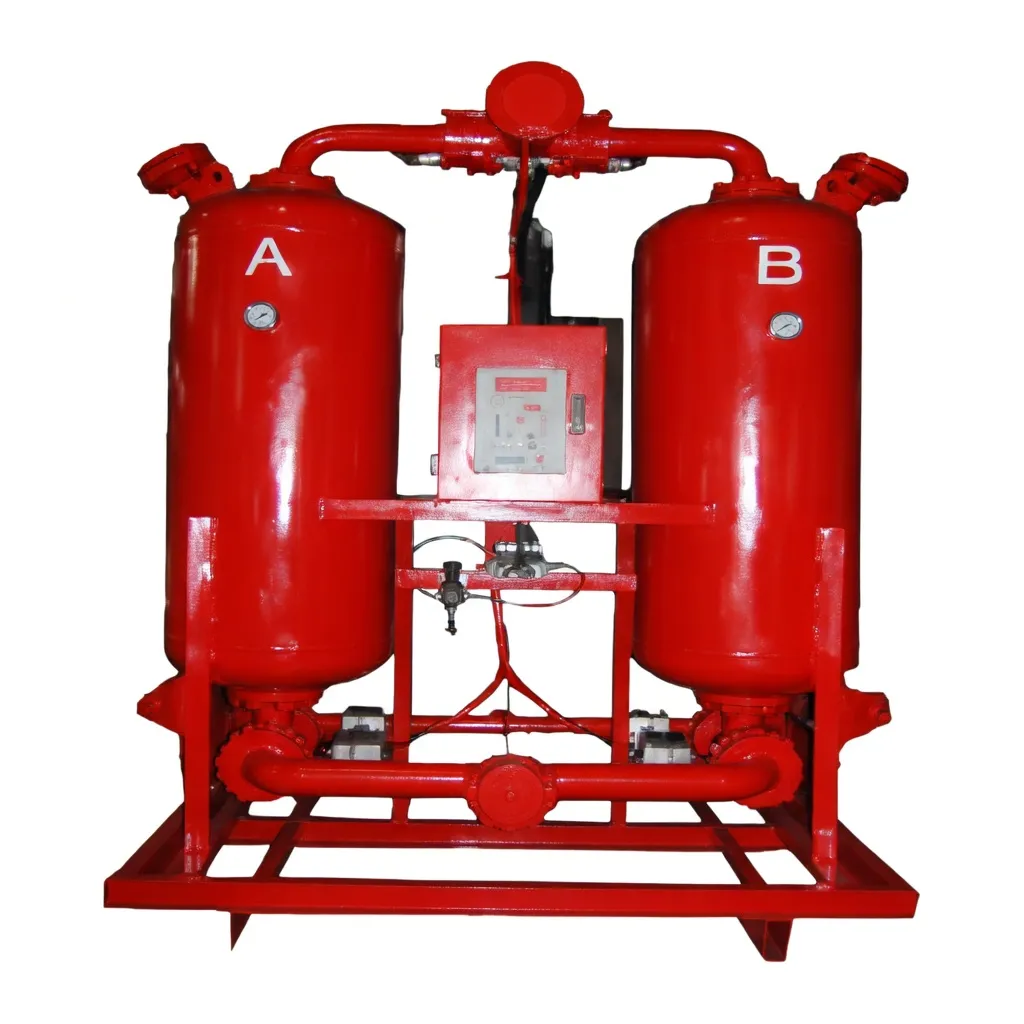
 Przespaceruj się po niemal każdej miejskiej oczyszczalni ścieków w Wielkiej Brytanii – od średniej wielkości zakładu w Yorkshire po duży zakład miejski pod Manchesterem – a usłyszysz nieustanny szum systemów dmuchaw tłoczących sprężone powietrze do zbiorników napowietrzania biologicznego. Proces ten, znany jako napowietrzanie osadem czynnym, stanowi serce nowoczesnego systemu oczyszczania ścieków. Mikroorganizmy zawieszone w roztworze wodnym pochłaniają rozpuszczone zanieczyszczenia organiczne, ale tylko wtedy, gdy otrzymują ciągły, niezawodny dopływ tlenu. Bez odpowiedniego napowietrzania biologia załamuje się, jakość ścieków gwałtownie spada, a oczyszczalnia ryzykuje przekroczenie limitów emisji określonych przez Agencję Ochrony Środowiska. Sprężarka powietrza, a dokładniej niskociśnieniowa dmuchawa bezolejowa, nie jest zatem urządzeniem peryferyjnym – jest silnikiem napędzającym wydajność oczyszczania biologicznego przez każdą godzinę każdego dnia.
Przez dziesięciolecia standardem w branży były dmuchawy rotacyjne typu Rootsa smarowane olejem. Są one proste mechanicznie, stosunkowo niedrogie w zakupie i powszechnie znane zespołom konserwacyjnym. Problem polega na tym, że maszyny smarowane olejem nieuchronnie pozwalają na migrację śladowych ilości środka smarnego do strumienia powietrza. W zbiorniku napowietrzającym olej ten tworzy cienką warstwę na powierzchni wody, która hamuje transfer tlenu, hamuje aktywność mikrobiologiczną i wprowadza zanieczyszczenia węglowodorowe do środowiska, w którym głównym celem jest oczyszczanie biologiczne. Operatorzy od dawna akceptują to jako nieunikniony kompromis. Tak jednak nie jest. Nowoczesne bezolejowe sprężarki powietrza – a w szczególności konstrukcje dmuchaw dwuśrubowych i odśrodkowych, zaprojektowane do dostarczania powietrza bezolejowego 100% – fundamentalnie zmieniły możliwości napowietrzania ścieków, zarówno pod względem technicznym, jak i ekonomicznym.
📧 Uzyskaj bezpłatną wycenę już dziś
Nasi inżynierowie odpowiadają w ciągu 24 godzin · Zapraszamy do składania zapytań z Wielkiej Brytanii
Dlaczego do napowietrzania ścieków potrzebne jest sprężone powietrze całkowicie wolne od oleju
Proces osadu czynnego wymaga utrzymania delikatnego ekosystemu mikrobiologicznego. Bakterie tlenowe, pierwotniaki i inne organizmy tworzą kłaczki biologiczne, które aglomerują zawiesiny i absorbują rozpuszczony węgiel organiczny. Organizmy te wymagają wydajności transferu tlenu, która jest niezwykle wrażliwa na napięcie powierzchniowe na granicy faz powietrze-woda wewnątrz zbiornika napowietrzającego. W opublikowanej literaturze inżynierii środowiska wykazano, że nawet stężenie dwóch do trzech miligramów oleju mineralnego na litr roztworu mieszanego zmniejsza wydajność transferu tlenu o osiem do piętnastu procent. W ciągu całego roku ciągłej pracy zakładu, którego rachunki za energię elektryczną sięgają już setek tysięcy funtów, ta pozornie niewielka redukcja przekłada się jednocześnie na znaczne zwiększenie zużycia energii i pogorszenie jakości ścieków.
Oprócz kwestii transferu tlenu, istnieje wymiar regulacyjny, którego brytyjscy operatorzy nie mogą ignorować. Zgodnie z ustawą o przemyśle wodnym (Water Industry Act) i ramami udzielania zezwoleń na zrzuty Agencji Ochrony Środowiska (Environment Agency), każda forma wprowadzenia węglowodorów do procesu oczyszczania, która mogłaby dotrzeć do ścieków końcowych, podlega kontroli. Chociaż przenoszenie oleju z konwencjonalnych dmuchaw rzadko powoduje bezpośrednie naruszenie zgody, przyczynia się do ogólnego obciążenia jakościowego, z którym muszą radzić sobie operatorzy, i komplikuje zarządzanie osadami, ponieważ osad biologiczny zanieczyszczony olejem ma zmniejszoną wartość zastosowania w rolnictwie w ramach brytyjskiej Strategii Zasobów Biologicznych. Przejście na certyfikowany, bezolejowy system sprężarek powietrza całkowicie eliminuje tę ścieżkę zanieczyszczenia, upraszczając zarówno zarządzanie procesem, jak i sprawozdawczość regulacyjną.
Zero zanieczyszczeń olejowych
Certyfikowany strumień powietrza klasy 0 zgodnie z normą ISO 8573-1 — do zbiornika napowietrzającego nie przedostają się żadne aerozole olejowe, opary ani cząsteczki przy żadnym obciążeniu roboczym.
20%+ Oszczędności energii
Integracja napędu o zmiennej prędkości i zaawansowana geometria wirnika zapewniają udokumentowane oszczędności energii przekraczające 20% w porównaniu ze starszymi dmuchawami Rootsa o stałej prędkości.
Zredukowana konserwacja
Brak konieczności wymiany oleju, filtrów oleju i serwisowania separatora oleju. Interwały konserwacyjne wynoszą ponad 4000 godzin, co skraca przestoje zakładu i koszty cyklu życia.
Zgodność z przepisami
Wspiera przestrzeganie zgody Brytyjskiej Agencji Ochrony Środowiska i jest zgodne z celami OFWAT dotyczącymi efektywności programów inwestycyjnych AMP8 w przedsiębiorstwach wodociągowych.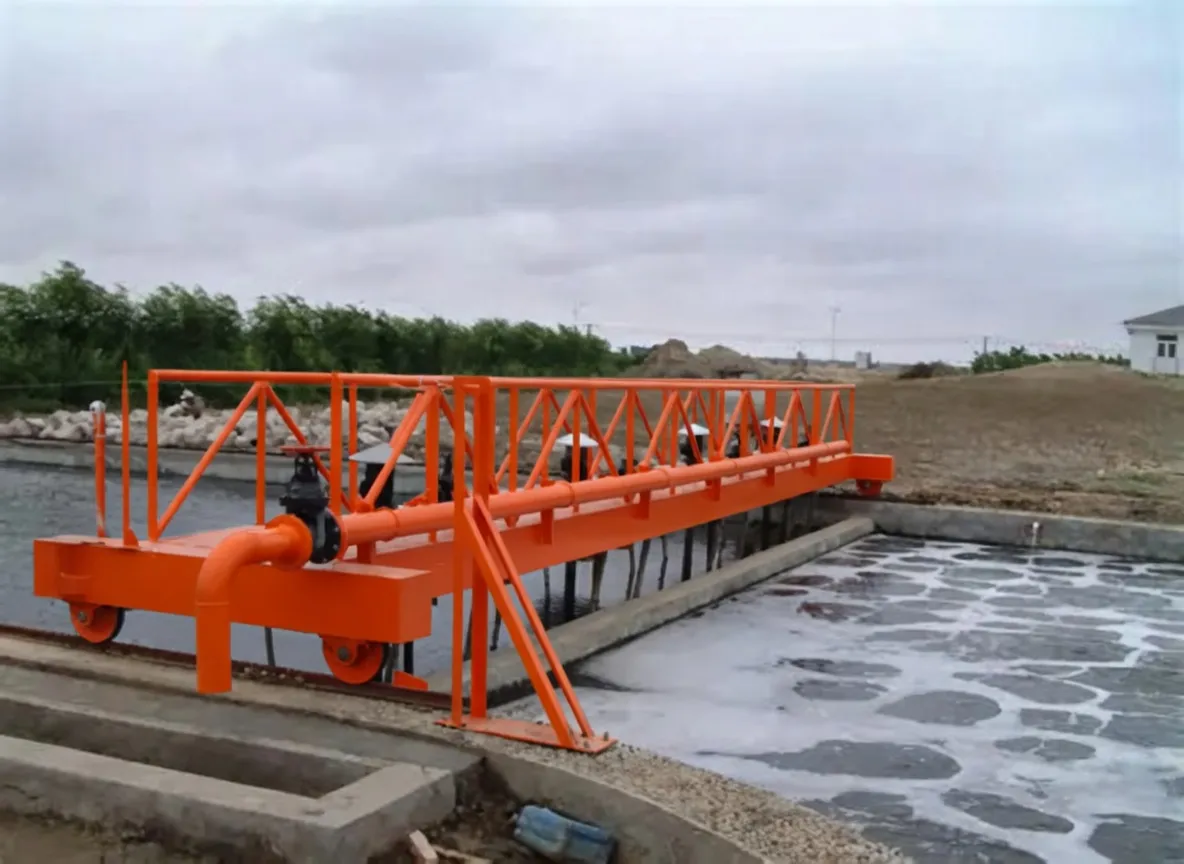
Jak działa bezolejowa dmuchawa śrubowa w systemie napowietrzania biologicznego
Dwuśrubowa dmuchawa bezolejowa działa na zasadzie wyporu, ale z istotną różnicą konstrukcyjną w stosunku do odpowiednika zalewanego olejem: wirniki męski i żeński są obrabiane z tolerancją submikronową i utrzymywane w precyzyjnej synchronizacji przez koła zębate rozrządu, a nie przez warstwę oleju smarującego. Ponieważ wirniki nigdy nie stykają się fizycznie ze sobą ani z obudową, w komorze sprężania nie jest wymagany żaden środek smarny. Powietrze jest zasysane na wlocie, zatrzymywane między łopatkami wirnika i stopniowo sprężane w miarę obrotu wirnika, a następnie odprowadzane pod wymaganym ciśnieniem wylotowym – zazwyczaj od 0,4 do 1,0 bara w przypadku napowietrzania osadu czynnego. Cały proces sprężania jest bezolejowy w najczystszym mechanicznym sensie, a nie tylko filtrowany.
Dmuchawy odśrodkowe (turbo) działają na innej zasadzie, wykorzystując wirnik wysokoobrotowy do przekazywania energii kinetycznej masie powietrza, a następnie przekształcania jej w ciśnienie w spiralnej obudowie. Ze względu na brak powierzchni styku na drodze sprężania, konstrukcja ta charakteryzuje się pracą bezolejową. Łopatki wlotowe o zmiennej prędkości i napędy o zmiennej prędkości pozwalają dmuchawom odśrodkowym na śledzenie sygnału zadanego stężenia tlenu rozpuszczonego z systemu SCADA zakładu z wyjątkową precyzją, zwiększając lub zmniejszając przepływ w szerokim zakresie regulacji, bez wahań lub zjawiska falowania, które kiedyś ograniczało stosowanie maszyn odśrodkowych w aplikacjach uzdatniania wody. W dużych zakładach komunalnych – zakładach przetwarzających przepływy powyżej 100 megalitrów dziennie – układy turbodmuchaw stały się technologią pierwszego wyboru, podczas gdy dwuśrubowe jednostki bezolejowe pozostają wysoce konkurencyjne w mniejszych i średnich zakładach w całej Anglii, Szkocji i Walii.
Przepływ procesu napowietrzania
Filtracja powietrza wlotowego
Kompresja bezolejowa
Chłodnica końcowa
Dyfuzory drobnopęcherzykowe
Leczenie biologiczne
Parametry wydajności technicznej
Poniższa tabela podsumowuje kluczowe parametry techniczne dmuchaw bezolejowych Ever Power skonfigurowanych do napowietrzania ścieków. Wartości te przedstawiają standardową wydajność w warunkach odniesienia (ISO 1217 wyd. 4, 20°C, 1 bar ciśnienia bezwzględnego, wilgotność względna 0%). Dane dotyczące wydajności dla konkretnego obiektu mogą być dostarczone na życzenie, w oparciu o rzeczywistą wysokość, temperaturę na wlocie i docelowe ciśnienie tłoczenia dla danego obiektu.
| Parametr | Dmuchawa śrubowa bezolejowa | Dmuchawa odśrodkowa (turbo) | Dmuchawa Oiled Roots (Legacy) |
|---|---|---|---|
| Zakres przepływu (m³/min) | 1 – 80 | 20 – 600+ | 0,5 – 120 |
| Ciśnienie wylotowe (bar g) | 0,3 – 1,5 | 0,4 – 1,0 | 0,3 – 1,0 |
| Klasyfikacja oleju | ISO 8573-1 Klasa 0 | ISO 8573-1 Klasa 0 | Zanieczyszczony olejem |
| Energia właściwa (kW na m³/min) | 4,8 – 6,2 | 4.2 – 5.5 | 6,5 – 8,5 |
| Poziom hałasu (dB(A) w odległości 1 m) | 72 – 78 | 70 – 75 | 82 – 92 |
| VSD (napęd o zmiennej prędkości) | Standard | Standard | Fakultatywny |
| Interwał konserwacji (godziny) | 4000 – 8000 | 8 000 – 16 000 | 1500 – 3000 |
| Typowy okres zwrotu | 18 – 30 miesięcy | 24 – 42 miesiące | — |
Scenariusze zastosowań w sektorach gospodarki wodnej i przemysłu w Wielkiej Brytanii
Zapotrzebowanie na niezawodne, bezolejowe powietrze do napowietrzania wykracza daleko poza tradycyjne miejskie oczyszczalnie ścieków. W całej zróżnicowanej bazie przemysłowej Zjednoczonego Królestwa coraz częściej wdrażane są procesy biologicznego oczyszczania ścieków, ponieważ firmy borykają się z zaostrzonymi warunkami pozwoleń na ścieki przemysłowe i rosnącymi opłatami za odprowadzanie ścieków. Producenci żywności i napojów – browary w Burton-on-Trent, mleczarnie w Somerset, producenci napojów bezalkoholowych w całym regionie Midlands – prowadzą własne oczyszczalnie ścieków, które opierają się na identycznej technologii napowietrzania. Zakłady produkcyjne przemysłu farmaceutycznego, zwłaszcza te w klastrze biotechnologicznym Cambridge i rozwiniętym korytarzu farmaceutycznym północno-zachodniej Anglii, również korzystają z wysoce czułych systemów biologicznego oczyszczania ścieków, w których ryzyko zanieczyszczenia biomasy węglowodorami jest całkowicie niedopuszczalne zarówno z punktu widzenia procesu, jak i regulacji.
Obiekty akwakultury i wylęgarnie ryb wymagają utrzymywania odpowiedniego poziomu tlenu rozpuszczonego w ścisłych granicach, aby zapewnić zdrowie stada. Bezolejowe systemy sprężonego powietrza służą zarówno jako dodatkowe źródło natleniania, jak i główny czynnik napowietrzania biofiltrów w recyrkulacyjnym systemie akwakultury (RAS). Nawet w obiektach fermentacji beztlenowej (AD) – gdzie główny proces odbywa się oczywiście beztlenowo – dmuchawy bezolejowe są wymagane do etapów kondycjonowania biogazu, napowietrzania odcieków oraz systemów oczyszczania pofermentu. Wspólnym mianownikiem wszystkich tych zastosowań jest to samo: obecność oleju w strumieniu powietrza procesowego stwarza problemy, które znacznie przewyższają wszelkie oszczędności kapitałowe uzyskane dzięki zakupowi tańszego sprzętu smarowanego olejem.
Miejskie Zakłady Kanalizacyjne
Praca ciągła 24/7, populacja od 5000 do ponad 500 000. Sterowanie VSD połączone z czujnikami DO w celu precyzyjnego śledzenia obciążenia.
Ścieki browarniane i spożywcze
Wysokie obciążenie BZT z fermentacji i strumieni spłukiwania. Powietrze wolne od oleju zachowuje integralność kłaczków biologicznych w szczytowych cyklach produkcyjnych.
Miejsca farmaceutyczne
Zerowa tolerancja zanieczyszczeń. Certyfikat ISO 8573-1 klasy 0 jest podstawowym wymogiem w zakładach produkcyjnych podlegających regulacjom GMP.
Akwakultura i RAS
Napowietrzanie biofiltrów w systemach recyrkulacyjnych. Zanieczyszczenie olejem byłoby zabójcze dla zasobów — certyfikowane dostawy wolne od oleju są nie do negocjacji.
Odcieki ze składowisk odpadów
Agresywna chemia odcieków wymaga kompatybilnych materiałowo i łatwych w utrzymaniu rozwiązań w zakresie dmuchaw. Bezolejowe agregaty śrubowe niezawodnie radzą sobie ze strumieniami bogatymi w amoniak.
Przemysłowe zakłady MBR
Powietrze czyszczące bioreaktor membranowy musi być całkowicie wolne od oleju, aby zapobiec nieodwracalnemu zanieczyszczeniu membrany i zachować przepuszczalność.
Sukces klienta: rzeczywiste instalacje w całej Wielkiej Brytanii
Dowód na skuteczność każdej technologii leży nie w arkuszach specyfikacji, lecz w praktyce. Poniższy przypadek podsumowuje reprezentatywną instalację z naszego portfolio projektów w Wielkiej Brytanii, wraz z opiniami operatorów instalacji i inżynierów ds. zaopatrzenia, którzy przeszli na napowietrzanie bezolejowe.
Studium przypadku · Yorkshire, Wielka Brytania · Miejskie przedsiębiorstwo wodociągowe
Wymiana sześciu dmuchaw Rootsa w zakładzie osadu czynnego o powierzchni 95 000 PE
Zakład wodociągowy z siedzibą w Yorkshire, obsługujący oczyszczalnię osadu czynnego o równoważnej liczbie mieszkańców wynoszącej 95 000, korzystał z sześciu smarowanych olejem dmuchaw Rootsa zainstalowanych pod koniec lat 90. Do 2021 r. koszty konserwacji znacznie wzrosły, przenoszenie oleju do kanałów napowietrzania powodowało trwały film powierzchniowy, a jednostkowe zużycie energii na napowietrzanie wynosiło 7,8 kWh na kilogram usuniętego BZT — znacznie powyżej współczesnych standardów. Po przeprowadzeniu studium wykonalności, wspieranego przez Ever Power, w 2022 r. uruchomiono cztery dwuślimakowe bezolejowe dmuchawy ze zintegrowanym napędem VSD. W ciągu dwunastu miesięcy od uruchomienia, jednostkowe zużycie energii spadło do 5,4 kWh na kilogram usuniętego BZT (redukcja o 31%), powierzchniowy film olejowy całkowicie zniknął, a zgodność ze standardem amoniaku w ściekach poprawiła się z 94% do 99,2% próbek spełniających dopuszczalny limit 3 mg/l. Przy obecnych stawkach taryfowych dla przemysłu w Wielkiej Brytanii roczne oszczędności energii elektrycznej wynoszą w tym miejscu około 185 000 funtów.
31%
Redukcja energii
185 tys. funtów
Roczne oszczędności
99.2%
Zgodność ze zgodą
0
Zdarzenia związane z zanieczyszczeniem oleju
“
Stosowaliśmy protokoły odtłuszczania od dwudziestu lat. Montaż bezolejowych dmuchaw śrubowych rozwiązał cały problem z dnia na dzień. Dane dotyczące wydajności biologicznej mówią same za siebie — od momentu uruchomienia nie mieliśmy żadnego wycieku amoniaku.
— Kierownik ds. procesów, Yorkshire Water Utility, Wielka Brytania
“
Objętość naszych ścieków przemysłowych ulega ogromnym wahaniom między cyklami produkcyjnymi. Dzięki płynnej regulacji prędkości w jednostkach Ever Power system dmuchaw automatycznie dostosowuje się do obciążenia. Nasze zużycie energii elektrycznej w procesie napowietrzania spadło, a nitryfikacja jest lepsza niż kiedykolwiek wcześniej.
— Inżynier ds. mediów, Midlands Brewery Group, Wielka Brytania
“
Z perspektywy audytu MCERTS, możliwość wykazania certyfikatu ISO 8573-1 klasy 0 dla naszego systemu napowietrzania znacznie uprościła nasz coroczny audyt środowiskowy. Zespół inżynierów Ever Power od samego początku rozumiał nasze regulacje prawne.
— Kierownik ds. zgodności z przepisami ochrony środowiska, Scottish Pharmaceutical Site, Wielka Brytania
Ever Power – możliwości produkcyjne i inżynierii niestandardowej
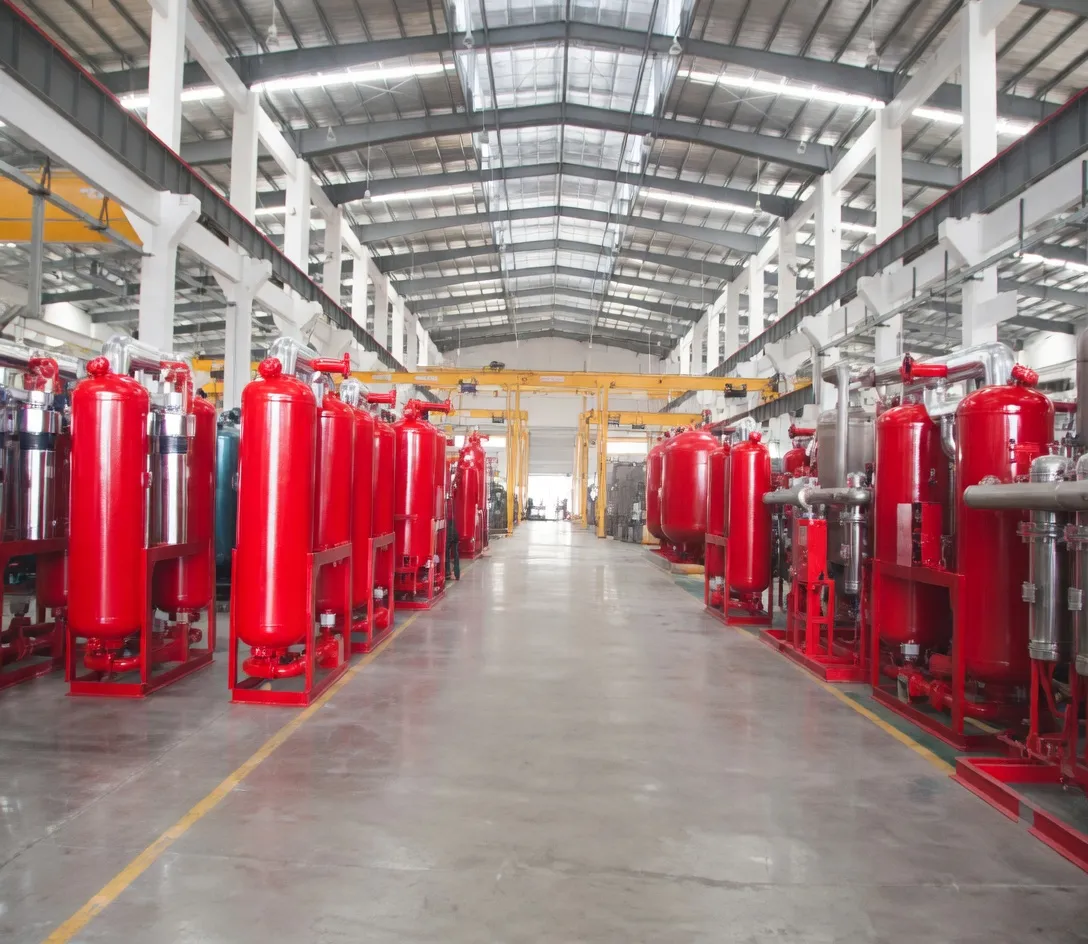
Ever Power prowadzi specjalnie zaprojektowany zakład produkcyjny, wyposażony w precyzyjne centra obróbcze CNC, zautomatyzowane urządzenia do docierania wirników oraz pełnowymiarową komórkę testową, zdolną do odtworzenia dowolnych warunków panujących na terenie Wielkiej Brytanii, od poziomu morza do 600 metrów nad poziomem morza. Nasz zespół inżynierów posiada ponad osiemnastoletnie doświadczenie w zakresie niskociśnieniowych, bezolejowych systemów sprężonego powietrza, które wykorzystujemy w ramach ustrukturyzowanego procesu personalizacji, który rozpoczyna się od warunków wlotowych, a kończy na kompletnym rozwiązaniu systemowym, a nie na produkcie katalogowym.
Dla klientów z branży ścieków i ścieków przemysłowych w Wielkiej Brytanii, nasze usługi personalizacji obejmują: niestandardowe zestawy dmuchaw z orurowaniem ze stali nierdzewnej, przystosowane do pracy w agresywnym środowisku kondensatu, certyfikat ATEX Strefa 2 dla instalacji na składowiskach odpadów i w obiektach oczyszczania ścieków, projektowanie paneli sterowania na zamówienie z integracją Ethernet/IP lub Modbus RTU z istniejącymi platformami SCADA oraz projektowanie obudów akustycznych w celu spełnienia limitów hałasu określonych w planach w newralgicznych lokalizacjach. Każda jednostka jest testowana fabrycznie przed wysyłką i dołączany jest do niej raport FAT potwierdzony przez niezależnego biegłego rewidenta. Możemy skonfigurować systemy od pojedynczej kompaktowej dmuchawy obsługującej małą instalację, aż po wielojednostkowe układy równoległe dla dużych obiektów komunalnych. Nasi inżynierowie projektu odwiedzą Państwa placówkę w Wielkiej Brytanii na każdym etapie procesu zaopatrzenia – od wstępnej analizy wykonalności, przez uruchomienie, po szkolenie operatorów.
Rozwiązania niestandardowe obejmują
- ✓ Certyfikacja ATEX Strefa 2
- ✓ Integracja SCADA/BMS
- ✓ Obudowy akustyczne na zamówienie
- ✓ Konstrukcje ze stali nierdzewnej
- ✓ Testowanie odbiorcze w fabryce
- ✓ Uruchomienie i szkolenie w Wielkiej Brytanii
Obsługujemy zakłady uzdatniania wody i oczyszczalnie przemysłowe w Anglii, Szkocji, Walii i Irlandii Północnej
Brytyjski sektor wodny działa pod nadzorem regulacyjnym Ofwat, a każda firma wodno-kanalizacyjna inwestuje w modernizację aktywów w ramach pięcioletnich cykli Planu Zarządzania Aktywami (AMP). AMP8, realizowany w latach 2025–2030, kładzie bezprecedensowy nacisk na efektywność energetyczną, redukcję emisji dwutlenku węgla i zgodność z przepisami ochrony środowiska – wszystkie te obszary, w których przejście z dmuchaw Rootsa z olejem na bezolejowe dmuchawy śrubowe lub odśrodkowe przynosi mierzalne i możliwe do zweryfikowania korzyści. Thames Water, Anglian Water, Severn Trent, United Utilities, Yorkshire Water, Southern Water, South West Water, Welsh Water, Scottish Water i NI Water – wszystkie te przedsiębiorstwa posiadają aktywne programy inwestycyjne, które obejmują modernizację systemów dmuchaw jako zdefiniowany miernik efektywności.
Oprócz regulowanych przedsiębiorstw użyteczności publicznej, równie ważny rynek stanowi rozległy brytyjski sektor oczyszczania ścieków przemysłowych. Klastry produkcyjne w regionie West Midlands, północno-zachodniej Anglii, południowej Walii i centralnej Szkocji obsługują przemysłowe oczyszczalnie ścieków, które borykają się z takimi samymi wyzwaniami w zakresie chemii procesowej i zużycia energii jak ich odpowiedniki komunalne, często dysponując mniejszymi zasobami inżynieryjnymi do ich obsługi. Brytyjski łańcuch dostaw Ever Power, partnerzy wsparcia technicznego i responsywna logistyka części zamiennych sprawiają, że jesteśmy praktycznym wyborem nie tylko w przypadku dużych projektów inwestycyjnych, ale także w zakresie stałego wsparcia operacyjnego w całym kraju – od wiejskich oczyszczalni pakietowych po duże miejskie oczyszczalnie obsługujące setki tysięcy mieszkańców.
Często zadawane pytania
Najczęściej zadawane pytania przez inżynierów wodnych, kierowników ds. zaopatrzenia i operatorów zakładów w Wielkiej Brytanii.
Gotowy na modernizację swojego systemu napowietrzania ścieków?
Porozmawiaj z inżynierem ds. aplikacji Ever Power już dziś. Oferujemy bezpłatne obliczenia doboru wielkości, szacunki oszczędności energii i konkurencyjne oferty cenowe dla każdej brytyjskiej oczyszczalni ścieków lub oczyszczalni ścieków przemysłowych.
📧 Napisz do nas: [email protected]
Odpowiedź w ciągu 24 godzin · Bezpłatna konsultacja techniczna · Dostawa na terenie całej Wielkiej Brytanii
© Ever Power Industrial Air Solutions · Specjalistyczne sprężone powietrze bezolejowe do oczyszczania ścieków · edytowane przez gzl