
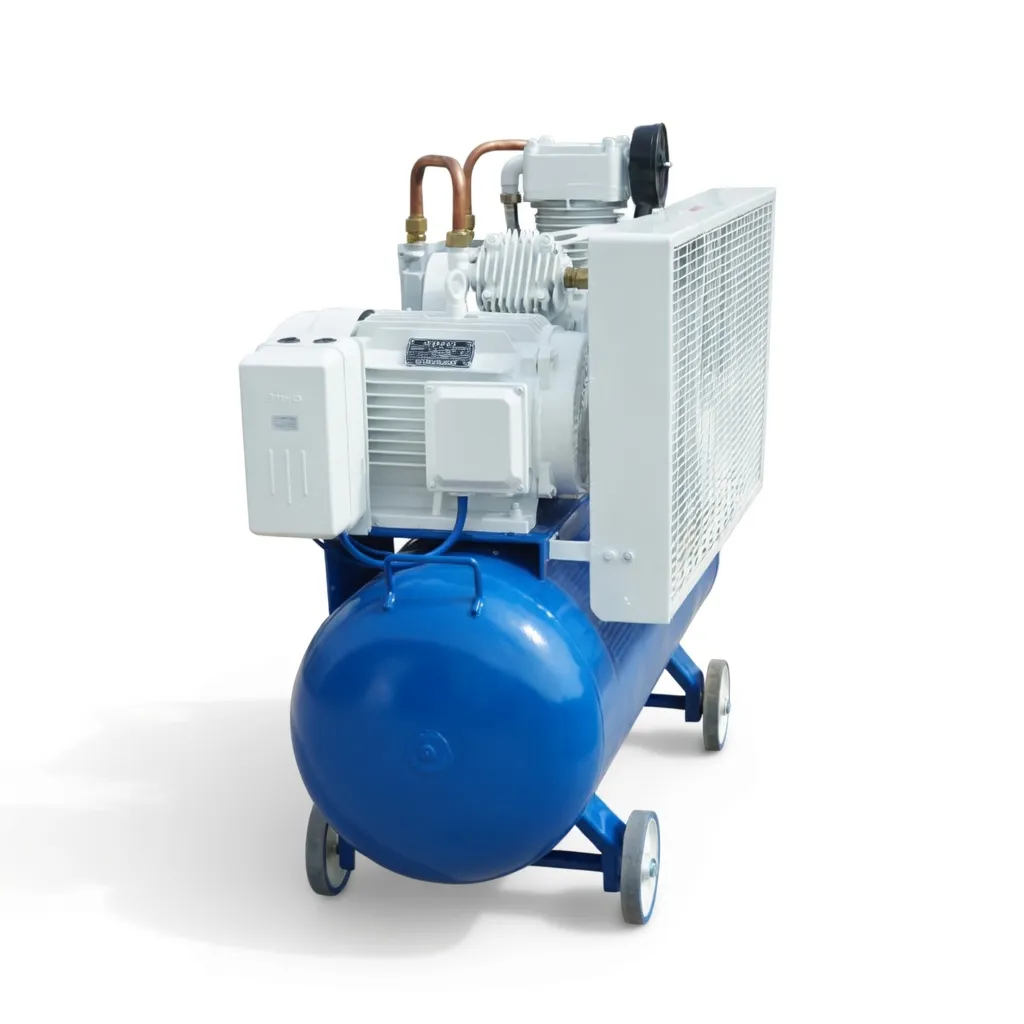
 Sprężone powietrze to niewidzialne serce każdego gabinetu stomatologicznego. Wprawia ono w ruch końcówki turbiny powietrznej z prędkością do 300 000 obrotów na minutę, uruchamia strzykawkę wodno-powietrzną, napędza pneumatyczne skalery ultradźwiękowe i zasila funkcje mechaniczne nowoczesnych foteli stomatologicznych. Jeśli w sprężonym powietrzu znajdują się nawet śladowe ilości oleju smarującego, wilgoci lub zanieczyszczeń mikrobiologicznych, konsekwencje są nie tylko techniczne, ale i kliniczne. Cząsteczki aerozolu olejowego podrażniają błonę śluzową jamy ustnej, maskują smak leków i – co najważniejsze – stwarzają warunki do zakażeń krzyżowych między pacjentami, gdy osadzają się na narzędziach chirurgicznych lub w obrębie opracowanych brzegów ubytków.
HTM 02-01, brytyjskie memorandum techniczne dotyczące zdrowia, regulujące systemy rurociągów do gazów medycznych, jest w tej kwestii jednoznaczne: sprężone powietrze w stomatologii musi spełniać określone normy czystości, a praktyki podlegające inspekcji CQC w Anglii, inspekcji HIS w Szkocji lub inspekcji HIW w Walii są coraz częściej zobowiązane do udokumentowania tej zgodności. Specjalnie skonstruowana bezolejowa sprężarka powietrza do foteli dentystycznych rozwiązuje ten problem u źródła — nie poprzez filtrację, która może bezgłośnie ulec awarii, ale poprzez mechanizm sprężania, który wytwarza czyste powietrze już od pierwszego etapu pracy. Niniejszy przewodnik wyjaśnia, jak działają te systemy, co odróżnia sprawne urządzenie od nieodpowiedniego oraz dlaczego gabinety dentystyczne w całej Wielkiej Brytanii wymieniają starzejący się sprzęt smarowany olejem na nowoczesną technologię bezolejowych sprężarek dentystycznych.
Dlaczego konwencjonalne sprężone powietrze nie ma zastosowania w gabinecie stomatologicznym
⚠
Zanieczyszczenie aerozolem olejowym
Sprężarki tłokowe smarowane olejem wprowadzają aerozol oleju mineralnego do strumienia powietrza. Nawet przy stężeniu zaledwie 0,1 mg/m³ – niewidocznym gołym okiem – zanieczyszczenie to wystarcza, aby pozostawić tłustą warstwę na ściankach turbin pneumatycznych, pokrywając wiertło, port irygacyjny i powierzchnię opracowywanego ubytku. Pacjenci natychmiast wyczuwają smak, a podrażnienie niezrogowaciałej błony śluzowej jamy ustnej może powodować dyskomfort pooperacyjny, podważając zaufanie do gabinetu. Dla zespołu klinicznego pozostałości oleju w doprowadzanym powietrzu tworzą również powierzchnię sprzyjającą osadzaniu się drobnoustrojów wewnątrz samej rękojeści, co utrudnia dekontaminację między pacjentami. Inspektorzy CQC w Anglii rutynowo sygnalizują zanieczyszczenie olejem jako problem z zapobieganiem i kontrolą zakażeń podczas inspekcji stomatologicznych.
🦠
Biofilm mikrobiologiczny w rurociągach
Pozostałości oleju pokrywające wewnętrzne ścianki zbiorników sprężarek, rurociągów dystrybucyjnych i odbiorników powietrza tworzą bogate w składniki odżywcze podłoże dla kolonizacji bakteryjnej i grzybiczej. Pseudomonas aeruginosa i Legionella pneumophila należą do organizmów udokumentowanych w zanieczyszczonych systemach wentylacji stomatologicznej, a po osadzeniu się w biofilmie, patogeny te są odporne na standardowe procedury płukania powietrza i dekontaminacji chemicznej. Usunięcie oleju z systemu sprężonego powietrza usuwa główny substrat, od którego zależą te organizmy – dzięki czemu bezolejowa sprężarka stomatologiczna staje się podstawowym środkiem kontroli zakażeń, a nie jedynie preferencją. Praktyki działające w ramach kontraktów NHS mają szczególny obowiązek dokumentowania jakości powietrza w ramach obowiązkowej samooceny kontroli zakażeń.
📋
Zgodność z przepisami w Wielkiej Brytanii
Norma HTM 02-01: Systemy rurociągów do gazów medycznych definiuje progi jakości powietrza dla placówek stomatologicznych i opieki zdrowotnej w Anglii i Walii, a równoważne wytyczne obowiązują w Szkocji i Irlandii Północnej. Prawidłowo zaprojektowana bezolejowa sprężarka powietrza do zabiegów stomatologicznych stale dostarcza powietrze w tych progach – zawartość oleju poniżej 0,01 mg/m³ i ciśnieniowy punkt rosy poniżej +3°C – bez konieczności stosowania kaskady elementów filtrujących umieszczonych dalej, które starzeją się, nasycają i bezgłośnie obchodzą przewody między przeglądami. Gabinety, w których wdrożono plany działania CQC w odpowiedzi na obawy dotyczące jakości sprężonego powietrza, konsekwentnie informują, że przejście na specjalnie zaprojektowaną bezolejową sprężarkę stomatologiczną rozwiązało problem zgodności i uprościło bieżące obowiązki dokumentacyjne.
Dane techniczne: Seria bezolejowych kompresorów stomatologicznych Ever Power
Zaprojektowany dla brytyjskich gabinetów stomatologicznych obsługujących od 1 do ponad 10 foteli jednocześnie. Wszystkie modele standardowo wyposażone są w zintegrowany osuszacz chłodniczy, trzystopniową filtrację i automatyczny system odprowadzania kondensatu.
| Model | Fotele dentystyczne | Przepływ (l/min) | Ciśnienie (bar) | Hałas (dB) | Zbiornik (L) | Moc (kW) | Zawartość oleju |
|---|---|---|---|---|---|---|---|
| EP-D1S | 1 – 2 | 100 – 160 | 5,5 – 8 | ≤ 55 | 24 | 0.75 | < 0,01 mg/m³ |
| EP-D2S | 2 – 4 | 200 – 320 | 5,5 – 8 | ≤ 58 | 50 | 1.5 | < 0,01 mg/m³ |
| EP-D4S | 4 – 6 | 380 – 560 | 5,5 – 8 | ≤ 60 | 100 | 2.2 | < 0,01 mg/m³ |
| EP-D6T | 6 – 10 | 600 – 900 | 5,5 – 8 | ≤ 62 | 200 | 3.7 | < 0,01 mg/m³ |
| EP-D10T | 10 – 16 | 1000 – 1400 | 5,5 – 8 | ≤ 65 | 300 | 5.5 | < 0,01 mg/m³ |
* Wszystkie modele: tłoki bezolejowe pokryte PTFE · Olej klasy 1 zgodny z normą ISO 8573-1 · Osuszacz chłodniczy w zestawie · Certyfikat UKCA + CE · Możliwość konfiguracji 230 V/50 Hz lub 400 V/50 Hz · Punkt rosy ≤ +3 °C. Konfiguracje niestandardowe dostępne na życzenie.
Sześć powodów, dla których brytyjskie gabinety stomatologiczne wybierają Ever Power
🫧
Dostawa powietrza całkowicie bezolejowa
Nasza gama sprężarek powietrza do zastosowań stomatologicznych wykorzystuje pierścienie tłokowe z kompozytu PTFE, które nie wymagają smarowania w komorze sprężania. Nie ma miski olejowej, separatora mgły olejowej ani filtra koalescencyjnego, który stanowiłby ostatnią linię obrony przed zanieczyszczeniami. Powietrze opuszczające głowicę sprężającą, zgodnie z projektem, nie zawiera środka smarującego. Zawartość oleju resztkowego w całej naszej ofercie stomatologicznej utrzymuje się na poziomie poniżej 0,01 mg/m³ – przekracza to normę ISO 8573-1 dla klasy 1 czystości oleju i spełnia najsurowsze normy czystości sprężonego powietrza stosowane obecnie w stomatologii i medycynie w Wielkiej Brytanii.
🔇
Prawie bezgłośna praca w środowisku klinicznym
Lęk przed wizytą u dentysty dotyka znaczną część dorosłych pacjentów w Wielkiej Brytanii — akustyka gabinetu ma znaczenie kliniczne, nie tylko estetyczne. Starsze kompresory smarowane olejem zazwyczaj pracują z poziomem hałasu 78–90 dB, który przenika do poczekalni i gabinetów zabiegowych, podnosząc poziom hormonów stresu u pacjentów i utrudniając komunikację między lekarzem a pacjentem. Każdy model z naszej gamy bezolejowych kompresorów stomatologicznych pracuje z poziomem hałasu od 52 do 65 dB. Przy poziomie 55 dB, EP-D1S generuje mniej hałasu niż standardowa drukarka biurowa. Wiele brytyjskich gabinetów instaluje obecnie te urządzenia w pobliżu gabinetów bez osłon akustycznych, a pacjenci rzadko kiedy są świadomi, że system w ogóle działa.
💧
Wbudowane suszenie i trzystopniowa filtracja
Każdy model z tej serii jest dostarczany ze zintegrowanym osuszaczem sprężonego powietrza z czynnikiem chłodniczym, separatorem wilgoci z automatycznym spustem pływakowym, filtrem koalescencyjnym wychwytującym cząstki submikronowe oraz filtrem z węglem aktywnym do usuwania zapachów i resztek oparów. Osuszacz obniża ciśnieniowy punkt rosy poniżej +3°C, zapobiegając kondensacji wilgoci w dowolnym miejscu sieci dystrybucyjnej. To zintegrowane podejście oznacza, że instalator sprzętu stomatologicznego nie musi szukać, dobierać rozmiaru i instalować oddzielnych komponentów osuszających i filtrujących – system dostarczany jest jako kompletny, wstępnie przetestowany zestaw, który można podłączyć do rozdzielacza fotela stomatologicznego w dniu instalacji.
📐
Kompaktowy rozmiar dla realiów praktyki w Wielkiej Brytanii
Gabinety stomatologiczne w Wielkiej Brytanii są niezwykle zróżnicowane — wiktoriańskie szeregowce przekształcone w gabinety lekarskie, specjalnie wybudowane centra podstawowej opieki zdrowotnej, przekształcone sklepy przy głównych ulicach handlowych i oddziały szpitali uniwersyteckich – wszystkie te obiekty charakteryzują się odmiennymi ograniczeniami infrastrukturalnymi. Nasza najmniejsza sprężarka bezolejowa do zastosowań stomatologicznych (EP-D1S) zajmuje zaledwie 0,28 m² powierzchni użytkowej. Większe modele dwugłowicowe są dostępne w konfiguracji wolnostojącej o niewielkich gabarytach, odpowiednich do standardowych szafek na sprzęt pod schodami. Wszystkie obudowy wykonane są z malowanej proszkowo stali, przystosowanej do warunków wewnętrznych i wytrzymują wahania temperatury w nieogrzewanych pomieszczeniach technicznych podczas typowej brytyjskiej zimy bez pogorszenia wydajności.
🔧
Drastycznie zmniejszone obciążenie konserwacyjne
Brak oleju smarującego eliminuje cały proces konserwacji związany z systemami smarowanymi olejem: brak konieczności wymiany oleju co 500–1000 godzin, brak elementów separatora oleju kosztujących 80–150 funtów za sztukę, brak kondensatu olejowo-wodnego wymagającego specjalistycznej utylizacji jako odpad niebezpieczny oraz brak ryzyka, że uszkodzony separator oleju uwolni zanieczyszczenia w dół strumienia bez uruchomienia alarmu. Planowa konserwacja naszych bezolejowych modeli sprężarek stomatologicznych obejmuje coroczną wymianę wkładu filtra i ogólny przegląd – zadanie to zazwyczaj wykonuje się w czasie krótszym niż 45 minut. Średni czas między przeglądami głowic sprężających przekracza 10 000 godzin pracy w warunkach stomatologicznych, co oznacza około cztery do sześciu lat bez konieczności serwisowania podzespołów wewnętrznych.
🏛
Pełna zgodność z normami brytyjskimi — UKCA, PED, PSSR 2000
Każde urządzenie dostarczane na rynek brytyjski posiada certyfikat UKCA i jest standardowo skonfigurowane do zasilania jednofazowego 230 V lub trójfazowego 400 V. Naczynia ciśnieniowe są konstruowane i testowane zgodnie z brytyjskimi przepisami dotyczącymi bezpieczeństwa urządzeń ciśnieniowych (Pressure Equipment (Safety) Regulations) z 2016 r. oraz przepisami dotyczącymi bezpieczeństwa systemów ciśnieniowych (Pressure Systems Safety Regulations) z 2000 r. Zintegrowany zawór bezpieczeństwa, automatyczne zabezpieczenie przed przeciążeniem termicznym oraz sterowanie za pomocą wyłącznika ciśnieniowego zapewniają prawidłowe działanie systemu w całym cyklu pracy, zgodnie z wymogami ustawy o bezpieczeństwie i higienie pracy z 1974 r. oraz szczegółowymi wymogami normy HTM 02-01 dla placówek stomatologicznych i opieki zdrowotnej.
Jak właściwie działa bezolejowy kompresor powietrza do zabiegów stomatologicznych
Techniczne rozróżnienie między bezolejową sprężarką do zastosowań stomatologicznych a smarowaną jednostką przemysłową zaczyna się od pierścieni tłokowych. W maszynie smarowanej olejem pierścienie są metalowe i wymagają warstwy oleju mineralnego, aby uszczelnić ściankę cylindra i wytrzymać ciepło sprężania. Usunięcie tego oleju powoduje szybkie zużycie pierścieni. Bezolejowa sprężarka stomatologiczna rozwiązuje to wyzwanie inżynieryjne, wytwarzając pierścienie tłokowe z samosmarujących materiałów kompozytowych — najczęściej PTFE (politetrafluoroetylenu), czasami zmieszanego z włóknem węglowym lub cząsteczkami brązu — które uszczelniają i ślizgają się bez zewnętrznego smarowania. Tuleje cylindrów są odpowiednio anodowane lub powlekane, aby zapewnić kompatybilną powierzchnię o niskim współczynniku tarcia. Zarządzanie ciepłem staje się głównym wyzwaniem inżynieryjnym, dlatego właśnie w stomatologii... sprężarki bezolejowe Prawie powszechnie stosuje się konfiguracje dwustopniowe lub wielogłowicowe z chłodzeniem międzystopniowym w celu utrzymania wydajności sprężania i trwałości podzespołów.
Alternatywną technologią, coraz częściej spotykaną w wysokiej klasy gabinetach stomatologicznych w Wielkiej Brytanii, jest sprężarka spiralna. Zamiast tłoków i cylindrów, sprężarka spiralna bezolejowa wykorzystuje dwa zazębiające się elementy spiralne – jeden nieruchomy, a drugi poruszający się mimośrodowo – do wychwytywania i stopniowego sprężania powietrza przez zmniejszające się kieszenie w geometrii spirali. Mechanizm spiralny zapewnia wyjątkowo płynny przepływ powietrza o niskiej pulsacji i z natury niższym poziomie hałasu niż w przypadku porównywalnych konstrukcji tłokowych. Sprężarki spiralne bezolejowe są szczególnie preferowane w wysokiej klasy gabinetach stomatologicznych, gdzie priorytetem klinicznym są warunki akustyczne i praca bez wibracji. Nasze modele EP-D1S i EP-D2S są dostępne w wersjach spiralnych na życzenie.
Niezależnie od technologii kompresji, dalszy ciąg procesu jest spójny w całej naszej ofercie stomatologicznej: sprężone powietrze opuszczające głowicę kompresora o podwyższonej temperaturze przepływa przez osuszacz chłodniczy, gdzie jest schładzane w celu skroplenia wilgoci, a następnie oddzielane i automatycznie odprowadzane. Następnie suche powietrze przechodzi przez filtr cząstek stałych (usuwający cząstki stałe o średnicy powyżej 1 mikrona), filtr koalescencyjny (usuwający aerozole submikronowe do stężenia poniżej 0,01 mg/m³), a na końcu przez filtr z węglem aktywnym, który pochłania wszelkie pozostałości oparów węglowodorów i eliminuje zapach. W rezultacie otrzymujemy sprężone powietrze spełniające normę ISO 8573-1 Klasa 1:2:1 — wymaganą do zastosowań w bezpośrednim kontakcie z pacjentem w środowisku stomatologicznym i medycznym.
Gdzie w brytyjskich gabinetach stomatologicznych stosuje się bezolejowe kompresory stomatologiczne
Od gabinetów lekarskich prowadzonych przez osoby prowadzące indywidualną praktykę po uniwersyteckie szpitale stomatologiczne — w każdym przypadku wymagane jest takie samo, wolne od oleju powietrze.
Aplikacja 01
Końcówki turbinowe szybkoobrotowe
Turbiny napędzane powietrzem obracają się z prędkością 200 000–300 000 obr./min i wymagają ciągłego dopływu suchego, bezolejowego powietrza o ciśnieniu 2,2–2,8 bara. Wszelkie zanieczyszczenia olejowe przy tej prędkości obrotowej są zasysane bezpośrednio do styku wiertła z zębem oraz do środowiska wewnątrzustnego. Nasza bezolejowa sprężarka stomatologiczna utrzymuje punkt rosy i czystość oleju, wymagane przez te precyzyjne instrumenty, zapewniając stałą wydajność cięcia i chroniąc łożyska rękojeści przed zużyciem przyspieszonym przez wilgoć.
Aplikacja 02
Pneumatyczne skalery ultradźwiękowe
Skalery pneumatyczne, stosowane w zabiegach periodontologicznych i profilaktycznych, wymagają stałego dopływu wody o ciśnieniu około 2,5 bara. Przenoszenie wilgoci powoduje nierównomierną amplitudę drgań i przyspieszoną korozję wewnętrzną korpusu skalera. Nasz bezolejowy kompresor stomatologiczny z wbudowanym osuszaczem całkowicie eliminuje to ryzyko, chroniąc podzespoły skalera i zapewniając stałą wydajność kliniczną przez cały dzień wizyt periodontologicznych.
Aplikacja 03
Strzykawki wodno-powietrzne 3 w 1
Strzykawka wodno-powietrzna jest jednym z najczęściej używanych narzędzi stomatologicznych, stosowanych do osuszania ubytków, retrakcji tkanek i płukania płynem. Strumień powietrza, który przenosi olej lub cząstki stałe, wprowadza zanieczyszczenia bezpośrednio do przygotowanego ubytku przed nałożeniem materiałów wiążących – sytuacja klinicznie niedopuszczalna, która może osłabić siłę wiązania i trwałość wypełnienia. Bezolejowa sprężarka zapewnia, że strumień powietrza nadaje się do bezpośredniego użytku wewnątrzustnego bez dodatkowej filtracji w miejscu użycia.
Aplikacja 04
Systemy napędowe foteli dentystycznych
Współczesne fotele dentystyczne wykorzystują sprężone powietrze do sterowania zagłówkami, ustawienia fotela, sterowania nożnego i spluwaczki. Te siłowniki pneumatyczne zawierają gumowe uszczelki i EPDM, które szybko ulegają degradacji pod wpływem zanieczyszczeń olejowych, co prowadzi do wycieków powietrza, niedokładnego pozycjonowania i ostatecznie do awarii mechanicznych. Koszty wymiany foteli dentystycznych w Wielkiej Brytanii wynoszą od 8000 do 25 000 funtów za sztukę — ochrona tej inwestycji poprzez dostarczanie czystego, suchego i wolnego od oleju powietrza jest po prostu ekonomiczna, a także zgodna z najlepszymi praktykami klinicznymi.
Aplikacja 05
Laboratorium dentystyczne w domu
Praktyki stomatologiczne posiadające własne laboratorium protetyczne i rekonstrukcyjne wykorzystują sprężone powietrze do przygotowania powierzchni metodą abrazji powietrznej, piaskarek stomatologicznych oraz frezarek CAD/CAM. Nasza gama bezolejowych sprężarek stomatologicznych dostarcza powietrze o ciśnieniu 4–6 barów, co jest odpowiednie do wszystkich standardowych zastosowań laboratoryjnych. Dzięki temu jedna centralnie zainstalowana jednostka może obsługiwać zarówno gabinety kliniczne, jak i laboratorium, korzystając z jednego, czystego i zgodnego z normami źródła powietrza.
Aplikacja 06
Chirurgia implantologiczna i ortodoncja
Wszczepienie implantu wymaga chirurgicznie czystego powietrza wokół miejsca osteotomii – jakiekolwiek zanieczyszczenie na tym etapie niesie ze sobą udokumentowane powiązania z wczesnym uszkodzeniem implantu i zapaleniem tkanek okołowszczepowych. Klejenie zamków ortodontycznych jest również wrażliwe na zanieczyszczenie powierzchni szkliwa olejem lub wilgocią bezpośrednio przed aplikacją kleju. Bezolejowa sprężarka powietrza do użytku stomatologicznego nie jest opcjonalna w tych zaawansowanych dyscyplinach klinicznych; jest warunkiem koniecznym do uzyskania przewidywalnych rezultatów.
Historia sukcesu klienta · Leeds, Wielka Brytania
Bridgewood Dental Group, Leeds — pięć gabinetów NHS i prywatna praktyka
Wyzwanie
Bridgewood Dental Group, firma łącząca NHS i praktykę prywatną, prowadząca pięć gabinetów w Headingley w Leeds, korzystała z dwóch starzejących się gabinetów z systemem smarowania olejem kompresory Zainstalowano w 2011 roku. Podczas inspekcji CQC w 2022 roku inspektor zażądał dowodów badania jakości sprężonego powietrza w ramach przeglądu zapobiegania i kontroli zakażeń. Rutynowe pobieranie próbek wody i powietrza wykazało następnie odczyty stężenia aerozolu olejowego powyżej progu określonego w polityce kontroli zakażeń placówki. W placówce wdrożono 30-dniowy plan działania w celu rozwiązania problemu i przedstawienia pisemnego dowodu na jego rozwiązanie. Kierownik placówki, Sarah Thornton, otrzymała zadanie znalezienia trwałego i opłacalnego rozwiązania, które nie zakłóciłoby harmonogramu pracy placówki, przyjmującej 60 pacjentów dziennie, podczas instalacji.
Rozwiązanie
Po przeanalizowaniu ofert dwóch renomowanych brytyjskich dealerów sprzętu stomatologicznego oraz bezpośredniej propozycji od Ever Power, firma Bridgewood wybrała bezolejowy kompresor stomatologiczny EP-D6T — dwugłowicową jednostkę o mocy 3,7 kW z 200-litrowym zbiornikiem, zintegrowanym osuszaczem chłodniczym i trójstopniowym systemem filtracji. System został zainstalowany w ciągu jednego weekendu przez autoryzowanego wykonawcę Ever Power, aby uniknąć zakłóceń w pracy kliniki. Testy jakości powietrza przeprowadzone przez niezależne laboratorium akredytowane przez UKAS 14 dni po instalacji potwierdziły zawartość oleju poniżej 0,005 mg/m³ i ciśnieniowy punkt rosy +1°C — co mieści się w granicach wymagań HTM 02-01 oraz specyfikacji kontroli zakażeń obowiązujących w placówce. Kontrola jakości powietrza (CQC) została formalnie zakończona z wynikiem zadowalającym i nie jest wymagany dalszy monitoring.
Wynik
Dwadzieścia miesięcy po instalacji firma Bridgewood odnotowała brak nieplanowanych przestojów związanych z systemem sprężonego powietrza. Roczny koszt konserwacji systemu EP-D6T — obejmujący wymianę wkładu filtracyjnego i planową wizytę kontrolną — wynosi około 185 funtów, w porównaniu z wydatkami na konserwację przekraczającymi 520 funtów rocznie w przypadku poprzednich urządzeń smarowanych olejem, które dodatkowo wymagały dwóch interwencji w nagłych wypadkach w ostatnim roku eksploatacji. Całkowity koszt posiadania (CCO) spadł o około 641 funtów w porównaniu z systemem TP5T. Sarah Thornton zauważa, że niemal bezgłośna praca nowego systemu znacząco poprawiła warunki akustyczne w gabinetach lekarskich, a kilku członków zespołu klinicznego zwróciło szczególną uwagę na redukcję hałasu otoczenia podczas wizyt pacjentów.
Co brytyjscy dentyści mówią o Ever Power
„
Prowadzimy cztery gabinety w centrum Birmingham i od lat zmagaliśmy się z hałasem sprężarki. Po przejściu na bezolejowy agregat EP-D4S, nasi pacjenci zauważyli, jak bardzo atmosfera w gabinecie stała się spokojniejsza. Zespół kliniczny jest zauważalnie bardziej zrelaksowany podczas zabiegów, dokumentacja zgodności, której potrzebujemy do dokumentacji kontroli zakażeń, jest łatwa do sporządzenia, a od osiemnastu miesięcy nie mieliśmy ani jednej nieplanowanej wizyty serwisowej. To naprawdę jedna z najlepszych inwestycji w infrastrukturę, jakie poczyniliśmy w naszej klinice.
Dr Harpreet Sandhu
Główny dentysta — prywatna praktyka z 4 gabinetami, Birmingham
„
Jako implantolog stomatologiczny pracujący w gabinecie z dwoma gabinetami w Edynburgu, potrzebuję absolutnej pewności co do zasilania sprężonym powietrzem podczas zabiegów chirurgicznych. Bezolejowy kompresor Ever Power zapewnia tę pewność w pełni. Nigdy nie widzę wilgoci w liniach fotela, dokumentacja jakości powietrza dla moich plików zgodności HTM jest prosta w przygotowaniu, a urządzenie praktycznie nie wymaga konserwacji między corocznymi przeglądami. Dla każdej praktyki implantologicznej działającej pod szkocką kontrolą służby zdrowia, system bezolejowy jest dla mnie nie do negocjacji — i to właśnie ten polecam bez wahania.
Dr Fiona MacAllister
Implantolog stomatologiczny — 2-specjalistyczna praktyka chirurgiczna, Edynburg
„
Nasza klinika stomatologiczna w Cardiff obsługuje jednocześnie dwanaście foteli w godzinach szczytu. Mieliśmy poważne obawy, czy system bezolejowy będzie w stanie niezawodnie obsłużyć tak duże zapotrzebowanie, ale instalacja dwustanowiskowa EP-D6T konsekwentnie przekraczała oczekiwania. Ciśnienie nigdy nie spada poniżej 5,5 bara, nawet przy maksymalnym obciążeniu fotela, przepływ jest zawsze odpowiedni, a zespół inżynierów stomatologicznych uznał, że urządzenia są bardzo łatwe w kontroli i konserwacji. Dział zamówień uniwersyteckich był również zadowolony z uzasadnienia kosztów i pakietu dokumentacji UKCA dostarczonego przez Ever Power.
Profesor Rhys Williams
Kierownik ds. operacji klinicznych — Uniwersytecka Klinika Stomatologiczna, Cardiff
Dostawa bezpośrednio z fabryki i konfiguracja na zamówienie dla brytyjskich nabywców sprzętu stomatologicznego
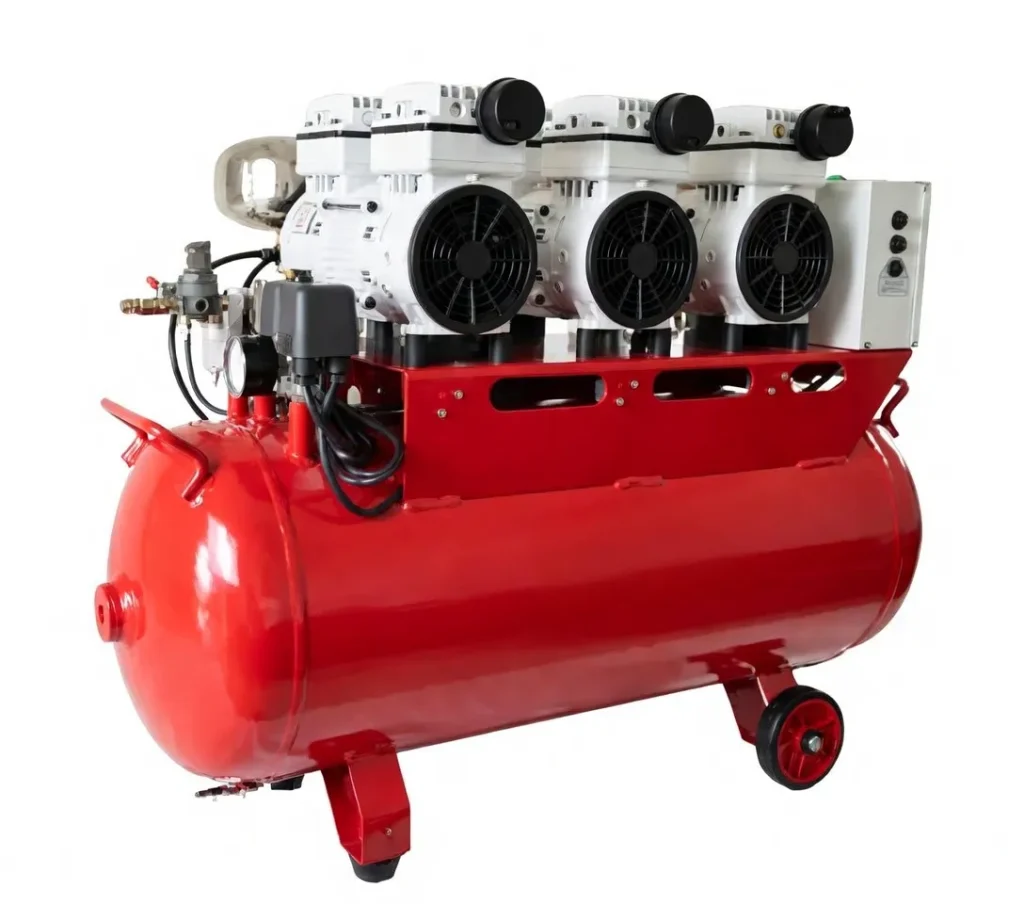 Ever Power jest producentem, a nie dystrybutorem. Nasz dedykowany zakład produkcyjny systemów sprężonego powietrza dla stomatologii i opieki zdrowotnej pozwala nam kontrolować każdy aspekt specyfikacji komponentów, jakości montażu i testów przed dostawą – a także oferować brytyjskim klientom z branży stomatologicznej bezpośredni dostęp do zespołu inżynierów, którzy mogą skonfigurować system dokładnie zgodnie z ich wymaganiami lokalowymi, klinicznymi i zgodnościowymi, bez dodatkowych kosztów pośredników. Dla gabinetów porównujących oferty od dealerów sprzętu stomatologicznego, często oznacza to wymierną przewagę kosztową przy identycznych lub lepszych specyfikacjach.
Nasze możliwości personalizacji dla brytyjskich gabinetów stomatologicznych są szerokie. Możemy modyfikować pojemność zbiorników w zakresie od 24 litrów do 500 litrów, konfigurować systemy dupleksowe z pojedynczą lub podwójną głowicą (gdzie głowica rezerwowa zapewnia automatyczne przełączenie awaryjne w przypadku awarii głowicy kompresorowej – co jest niezbędne w gabinetach, które nie są w stanie zniwelować przestoju klinicznego), określać zasilanie jednofazowe 230 V lub trójfazowe 400 V, a także zapewniać indywidualne kodowanie kolorystyczne i etykietowanie obudów zgodnie z wymaganiami marki korporacyjnej szpitala stomatologicznego lub ośrodka podstawowej opieki zdrowotnej. W przypadku dużych projektów obejmujących wiele gabinetów oferujemy zestawy stacji sprężonego powietrza do stomatologii, montowane na ramie i wyposażone w orurowanie, w których wszystkie komponenty – sprężarka, odbiornik, osuszacz, filtracja i rozdzielacz – są montowane i poddawane próbom ciśnieniowym w fabryce, a następnie dostarczane na miejsce w stanie gotowym do ostatecznego podłączenia.
Każde zamówienie na usługi stomatologiczne w Wielkiej Brytanii jest weryfikowane przez nasz zespół inżynierów ds. zastosowań stomatologicznych przed rozpoczęciem produkcji. Zespół weryfikuje konfigurację pod kątem podanej liczby foteli, współczynnika jednoczesnego użytkowania obliczonego na podstawie zalecanych przez Brytyjskie Stowarzyszenie Stomatologiczne współczynników zapotrzebowania, szczytowego zapotrzebowania na przepływ, dostępnych wymiarów pomieszczenia produkcyjnego oraz charakterystyki zasilania elektrycznego. Wystawiamy podpisane pisemne uzasadnienie techniczne dla wybranej specyfikacji, sformatowane w celu uwzględnienia w dokumentacji oceny ryzyka infekcji. Czas realizacji standardowych modeli dostępnych w magazynie wynosi zazwyczaj 5–8 dni roboczych ex-works; konfiguracje niestandardowe wymagają zazwyczaj 15–25 dni roboczych, w zależności od stopnia skomplikowania, a potwierdzony termin produkcji jest potwierdzany w momencie składania zamówienia.
Uzyskaj spersonalizowaną wycenę — wyślij e-mail do naszego brytyjskiego zespołu stomatologicznego
Często zadawane pytania
Chcesz unowocześnić system dopływu powietrza do Twojego gabinetu stomatologicznego?
Skontaktuj się bezpośrednio z inżynierem Ever Power specjalizującym się w aplikacjach stomatologicznych. Ocenimy liczbę foteli, układ placówki, wymogi zgodności i budżet, a następnie zaproponujemy odpowiednią konfigurację bezolejowej sprężarki stomatologicznej dla Twojej praktyki w Wielkiej Brytanii, wraz z pełnym wsparciem w zakresie dokumentacji, certyfikatem UKCA oraz pisemnym uzasadnieniem technicznym dla Twojej dokumentacji kontroli zakażeń.
Uzyskaj wycenę — wyślij e-mail do naszego brytyjskiego zespołu sprzedaży usług stomatologicznych
edytuj przez gzl