 Compressed air is one of the most critical yet frequently underestimated utilities in modern laser cutting operations. Whether a facility runs fibre laser systems in a Sheffield steel fabrication shop, CO2 cutters in a Birmingham automotive components plant, or mixed-technology lines serving the aerospace supply chain around Bristol, the quality and consistency of the compressed air supply has a direct and measurable impact on cut precision, lens longevity, and overall throughput. A poorly specified air compressor does not simply underperform — it introduces moisture, particulates, and pressure fluctuations that corrupt cutting results, increase maintenance downtime, and quietly erode profitability over months and years. For UK manufacturers operating in highly competitive global supply chains, this is a risk that cannot be tolerated. Understanding how air compressors for laser cutters are engineered, selected, and maintained is therefore not an optional technical exercise; it is a core competency for anyone responsible for plant efficiency.
How Air Compressors for Laser Cutters Actually Work
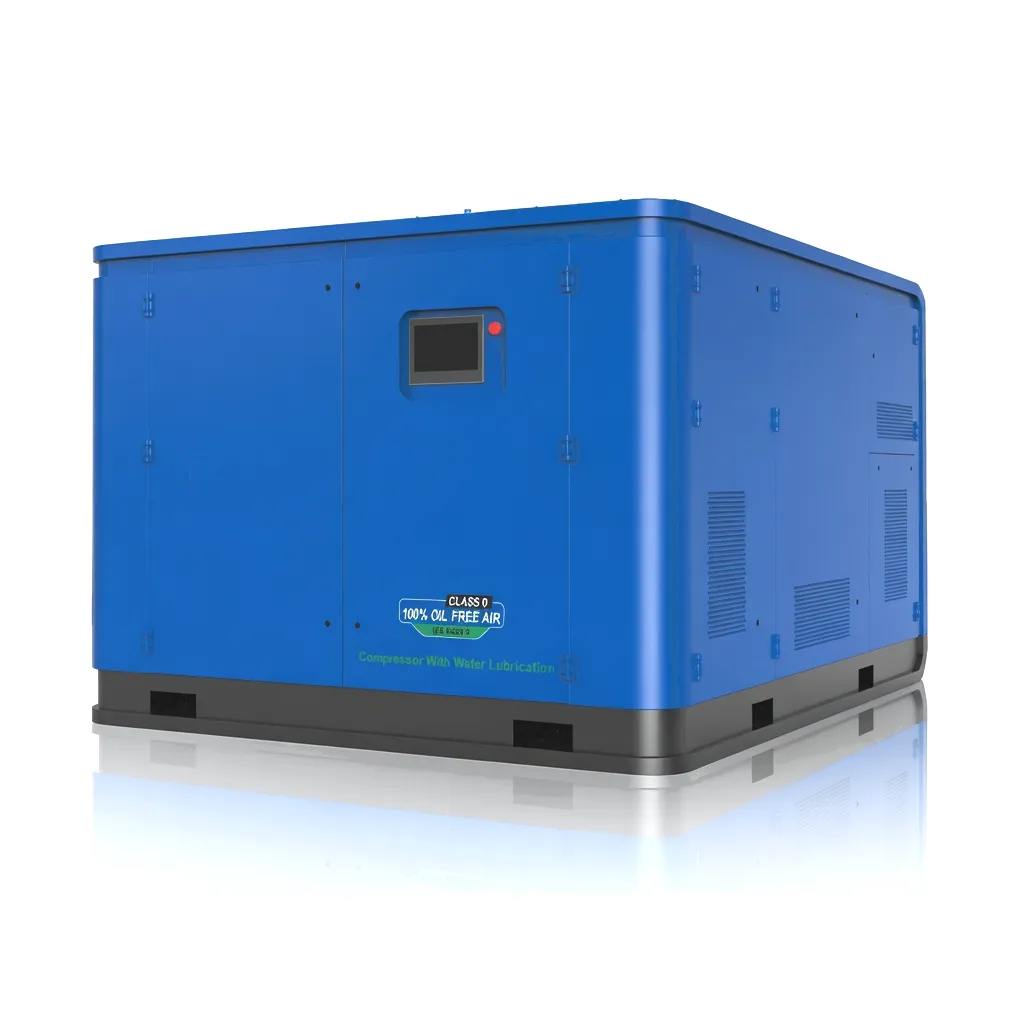
The rotary screw air compressor is by far the dominant technology in laser cutting facilities across the UK. Two precision-machined helical rotors — a male and a female — rotate in opposite directions within an engineered housing, drawing ambient air through an intake filter and progressively trapping it between the rotor lobes and the casing wall. As the rotors turn, the trapped air pocket is continuously reduced in volume, raising pressure steadily along the length of the rotors until the compressed air exits through the discharge port. This process is inherently continuous, producing a smooth, pulse-free air delivery that laser cutting machines — with their sensitivity to pressure variation — demand. Unlike reciprocating (piston) compressors, screw units generate far less vibration and heat per unit of compressed air output, making them far better suited to the sustained duty cycles of production-grade laser operations. Modern oil-injected screw compressors inject a fine film of oil directly into the compression chamber, providing lubrication, sealing the rotor clearances, and absorbing a significant portion of the heat of compression. This oil is then separated from the compressed air downstream, typically to residual oil carry-over levels below 3 ppm, before the air stream enters the filtration and drying stages.
Variable frequency drive compressors have fundamentally changed the economics of compressed air generation for laser cutting applications. Traditional fixed-speed machines run at constant RPM regardless of actual air demand, meaning they load and unload repeatedly as the laser cutter’s consumption pattern fluctuates — a highly inefficient operating mode that wastes energy and accelerates mechanical wear. A VFD compressor modulates its motor speed continuously, matching output precisely to demand at any given moment. In a typical laser cutting facility where cutting programmes vary in geometry complexity, material thickness, and assist gas requirements, compressed air demand rarely stays constant. A well-matched VFD unit can reduce energy consumption by 30% to 50% compared with a fixed-speed equivalent, a saving that translates directly to reduced operating cost and a faster return on the capital investment. For facilities operating under UK energy efficiency obligations or pursuing ISO 50001 certification, VFD technology also provides the metering and monitoring data needed to document performance improvements.
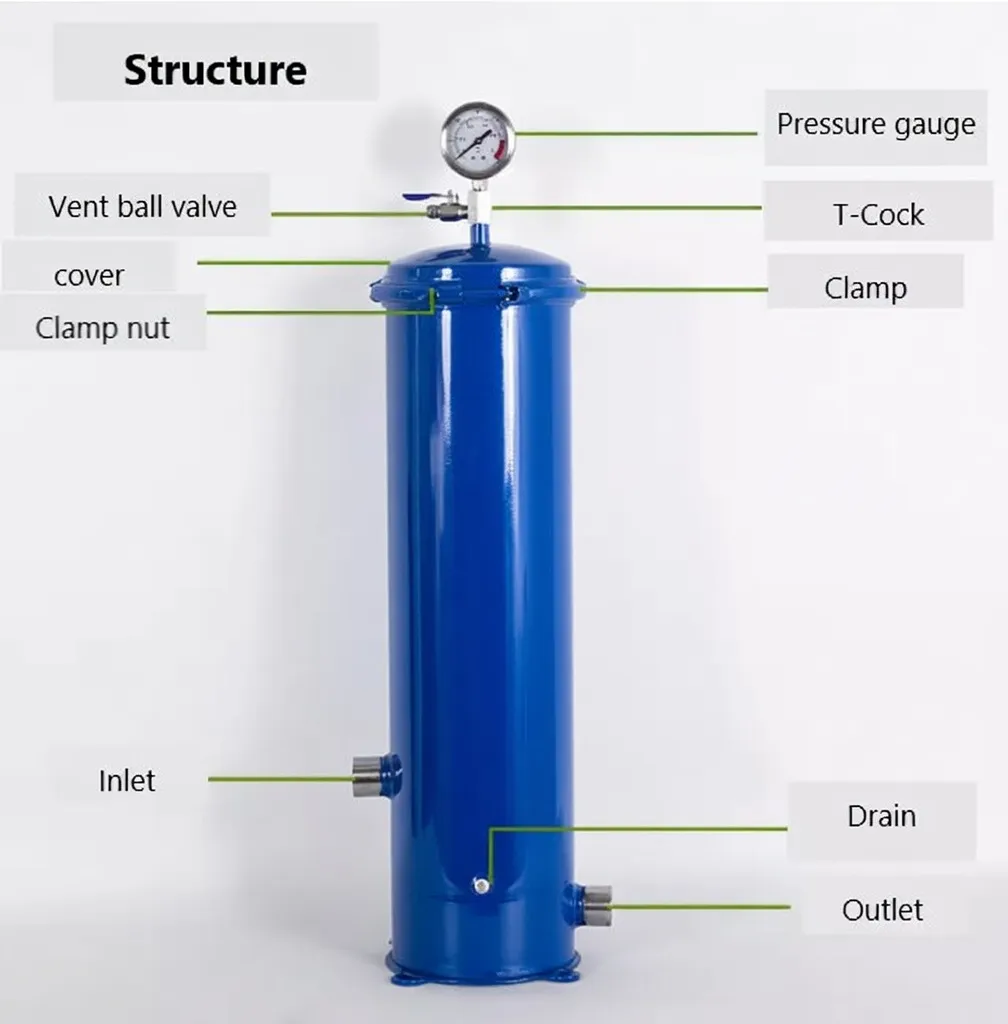
Compressed air leaving the compressor’s aftercooler is warm, saturated with water vapour, and carries residual oil aerosols and particulates from the intake environment. Before this air reaches a laser cutting head, it must pass through a carefully designed treatment chain. A refrigerant dryer removes bulk moisture by cooling the air to a pressure dew point typically between +3°C and +7°C, condensing water vapour for drain. A coalescing pre-filter traps oil aerosols and larger particles, while a fine particulate filter catches submicron contamination. For fibre laser applications — which are particularly sensitive to contamination — an additional activated carbon filter is often included to remove hydrocarbon vapour traces. The entire treatment chain must be sized correctly for the compressor’s output flow, the operating pressure, and the ambient temperature of the plant environment. Many UK facilities, particularly those in older industrial buildings in areas like Leeds or Wolverhampton where ambient conditions can be challenging, find that undersized treatment equipment is the most common source of cutting quality problems attributed incorrectly to the laser machine itself.
Core Materials & Manufacturing Standards
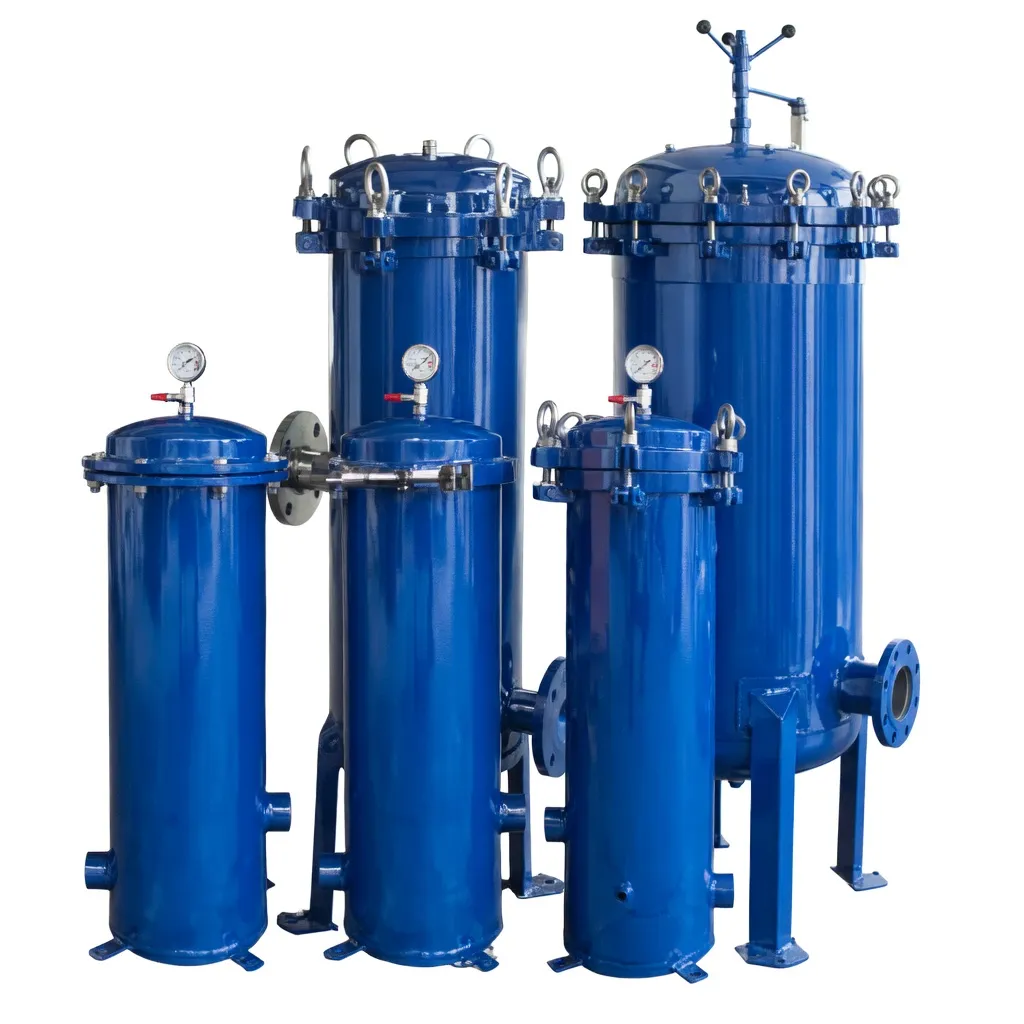
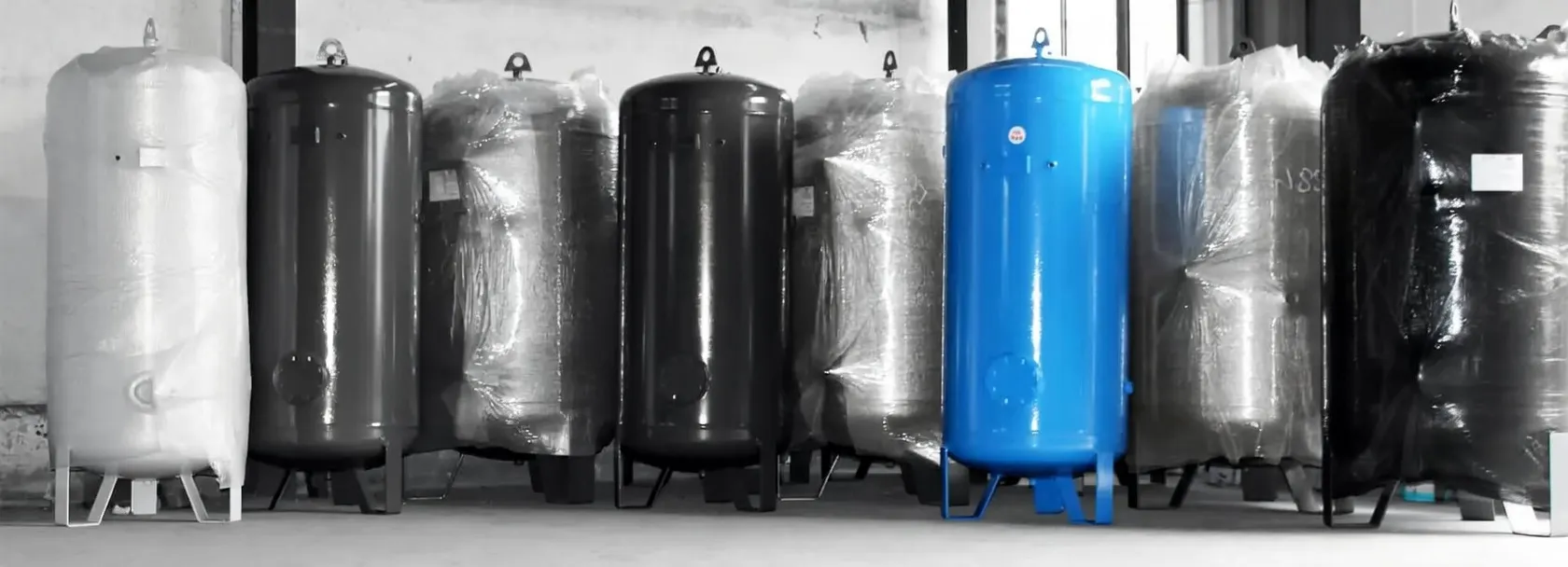
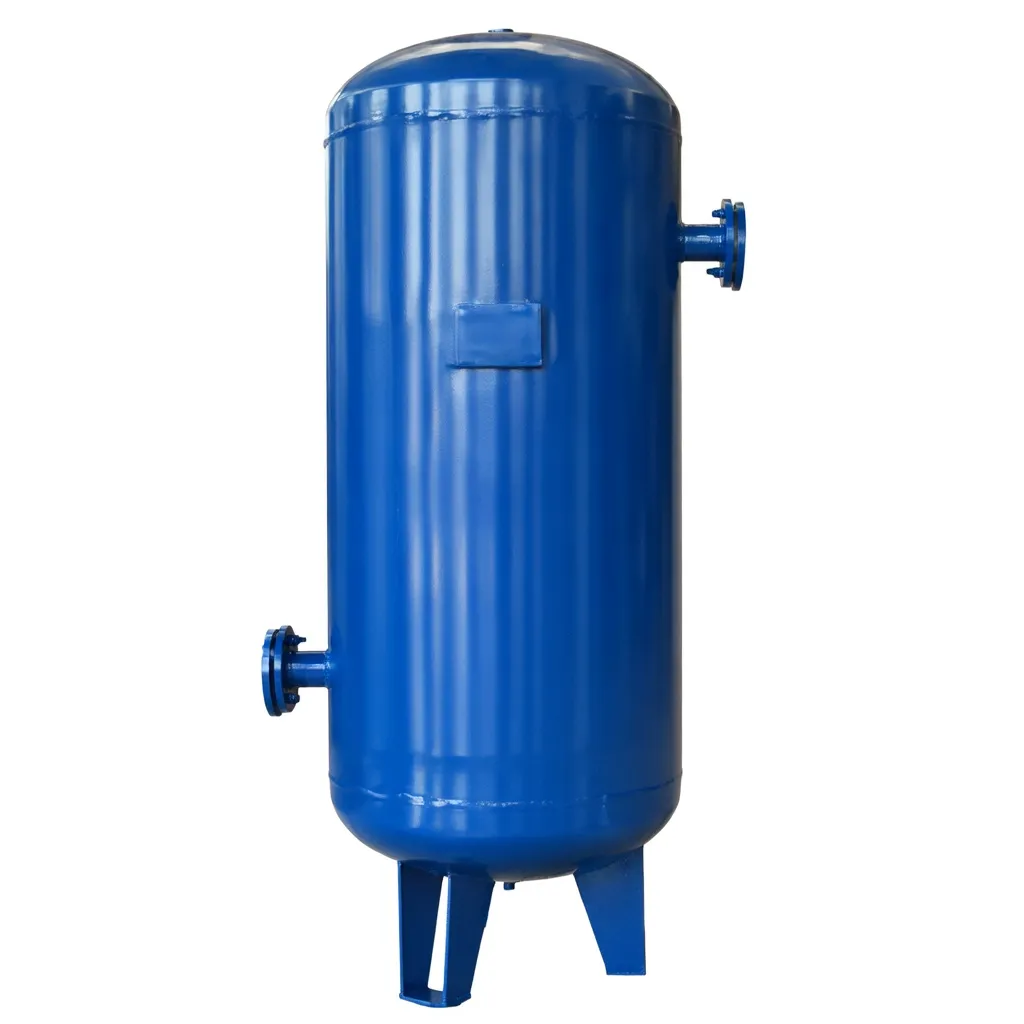
Air receiver tanks, which buffer the downstream pressure and provide storage capacity to accommodate demand peaks during the laser cutting process, must comply with the UK Pressure Systems Safety Regulations 2000 (PSSR 2000) and carry CE or UKCA marking with full documentation. Reputable receivers are manufactured from carbon steel plate to EN 10025 specification or stainless steel to AISI 304 or 316 grade, with pressure ratings to 11 bar (g) or higher as required. All weld seams undergo full radiographic or ultrasonic testing, and each vessel is hydraulically pressure tested at 1.5 times its maximum allowable working pressure before dispatch. The stainless steel precision filter housings used in post-compression treatment serve not only a functional role but must themselves resist corrosion, pressure fatigue, and the thermal cycling inherent in industrial production environments. Grade 316L stainless is increasingly specified for filter bodies where the facility processes materials — such as aluminium or galvanised steel — that produce aggressive cutting fumes capable of corroding lesser materials over time.
Core Technical Advantages for Laser Cutting Applications
Modern screw compressors for laser cutting maintain working pressure within ±0.05 bar of the set point across the full range of demand fluctuation. This level of stability is essential because pressure drop at the cutting head directly affects assist gas flow dynamics, beam focus position, and the melt pool behaviour in the kerf. Facilities cutting thin-gauge stainless steel sheets — common in Yorkshire’s food processing equipment sector — are particularly vulnerable to pressure variation: even minor fluctuations cause visible striations in the cut edge that render parts non-conforming to tight surface finish specifications.
VFD-equipped air compressors for laser cutting deliver specific power (kW per m³/min free air delivery) consistently at or below 6.0 kW/(m³/min) across their operating range. When electricity costs are running at the rates that UK manufacturers are currently facing, this efficiency advantage translates to annual energy savings of several thousand pounds per machine for a typical mid-sized fibre laser installation. Heat recovery packages, available as factory-fitted options, capture up to 80% of the compressor’s waste heat and redirect it to space heating or process water heating — further improving the overall energy balance of the facility and supporting compliance with UK carbon reduction commitments.
When the complete system — compressor, dryer, and filtration chain — is properly specified, laser cutting compressed air systems can reliably deliver air classified to ISO 8573-1 Class 1 for particles, Class 1 for water (dew point -70°C), and Class 1 for oil content (below 0.01 mg/m³). This classification is not merely a datasheet claim; it is a prerequisite for protecting the laser resonator optics, cutting head lenses, and beam delivery windows from contamination that would otherwise cause catastrophic and expensive damage. A single instance of oil-contaminated air reaching a high-power fibre laser’s optical path can require lens replacement at a cost exceeding £2,000 and a full day of unplanned downtime.
Sound-attenuated enclosures on modern screw compressors bring operational noise levels to below 68 dB(A) at one metre — a significant practical advantage in shared workshop environments where operators work in close proximity to the machine. UK Health & Safety Executive (HSE) regulations set daily noise exposure action levels at 80 dB(A), and many facilities are required to demonstrate active noise control measures as part of their risk assessments. Integrated anti-vibration mounts prevent transmission of mechanical vibration to the building structure and to other precision equipment on the same floor slab, protecting measurement instruments, CNC machines, and — critically — the laser cutter itself from induced resonance.
Technical & Performance Parameter Reference Table
| Parametro | Gamma di specifiche | Unit / Standard | Note |
|---|---|---|---|
| Potenza del motore | 7.5 – 355 | kW | IE3 or IE4 efficiency class standard |
| Consegna aerea gratuita (FAD) | 0.80 – 58.0 | m³/min | Measured per ISO 1217 Annex C |
| Pressione di scarico | 7.0 – 13.0 | bar (g) | Adjustable in 0.1 bar increments via controller |
| Specific Energy Consumption | 5.4 – 7.2 | kW/(m³/min) | At full load, 7 bar discharge; VFD models at lower end |
| Livello di rumore | 62 – 75 | dB(A) @ 1 m | Sound-attenuated canopy; measured to ISO 2151 |
| Oil Carry-Over (Class 1) | < 0,01 | mg/m³ | After filtration; per ISO 8573-1 Class 1 |
| Pressure Dew Point (Dryer) | +3 to -70 | °C PDP | Refrigerant dryer: +3°C; desiccant: down to -70°C |
| Capacità del serbatoio di ricezione | 270 – 5,000+ | litres | PSSR 2000 compliant; UKCA / CE marked |
| Particulate Filtration | 0.01 | µm | Fine filter stage; ISO 8573-1 Class 1 particle rating |
| Intervallo operativo ambientale | 0 – 45 | °C | Standard range; low-ambient kits available for UK winters |
| Rotor Profile | 4+6 lobe asymmetric | — | CNC-ground to ±2 µm tolerance |
Scenari di applicazione industriale nel settore manifatturiero del Regno Unito
 Laser cutting has penetrated virtually every branch of UK heavy manufacturing over the past two decades, and the compressed air infrastructure required to support these machines varies significantly depending on the application. In the automotive components sector centred on the West Midlands — encompassing suppliers in Coventry, Solihull, and Bromsgrove — high-throughput laser cutting of mild and high-strength steel pressings demands large-capacity screw compressors running at 10 to 12 bar discharge pressure, with VFD control to manage the wide demand swings between programme changeovers. The compressed air in these facilities serves not only the laser cutting heads but also the pneumatic clamping, sheet-loading shuttle systems, and robotic handling that surround each cutting machine in an automated line. Correct sizing of the central compressor or compressor network for this multi-point demand pattern is a discipline in its own right, one that requires careful measurement of actual consumption profiles rather than reliance on machine-plate data.
Aerospace component manufacturers operating around Bristol’s well-established aerospace cluster — supplying to programmes at Airbus UK, GKN Aerospace, and their tier-2 chains — face some of the most demanding compressed air quality requirements in the entire manufacturing sector. Laser cutting of titanium alloy frames, aluminium aerostructure panels, and composite material profiles demands absolutely oil-free air at the cutting head. Any hydrocarbon contamination risks metallurgical effects on the cut face that can compromise fatigue life and must be detected during subsequent inspection, causing costly rework. Desiccant dryer systems with activated carbon polishing stages are mandatory in these environments, delivering pressure dew points of -40°C or better and oil content below 0.003 mg/m³.
Sheffield and Rotherham remain central to the UK’s structural steel fabrication industry, with dozens of firms running high-powered fibre laser systems — typically 12 kW to 30 kW — to cut structural sections, plates, and complex weldment components. At these power levels, nitrogen is frequently used as the primary assist gas for cutting, with compressed air from the building system supplying the pneumatic actuators, protective air curtains, and optical purge functions within the cutting head assembly. The compressed air system must maintain cleanliness standards sufficient to protect optics that represent tens of thousands of pounds of replacement value. A well-configured air compressor system in these heavy fabrication environments typically includes a large-capacity receiver tank to buffer demand peaks when multiple cutting stations draw simultaneously.
The food processing equipment sector across West Yorkshire is a significant consumer of laser-cut stainless steel components — conveyor frames, vessel panels, hygienic enclosures, and precision-formed pipework flanges. These components ultimately enter environments regulated under UK Food Safety legislation, and the laser cutting process itself must not introduce contamination. Compressed air quality is therefore tied directly to product compliance: ISO 8573-1 Class 1 air is routinely specified on cutting line purchase orders by procurement teams in Leeds and Harrogate facilities that supply equipment to the UK’s major food manufacturers. Oil-free screw compressors or high-quality filtration packages are the only acceptable solutions in this context, and suppliers who cannot demonstrate compliance face disqualification from approved vendor lists.
The corridor connecting Cambridge and Oxford has become one of the UK’s most dynamic advanced manufacturing zones, with a high concentration of electronics, photonics, and precision instrument companies employing laser cutting for thin-gauge aluminium chassis, copper heat spreaders, and PCB-adjacent components. These applications require the lowest possible air assist pressures — often below 5 bar — combined with the highest achievable air purity, as the cut material is thin and the tolerances are tight. Compact, quiet screw compressors in the 7.5 to 22 kW range with integrated VFD drives and refrigerant dryers are the most commonly specified solution, offering the combination of low noise output, precise pressure regulation, and manageable physical footprint needed in the campus-style facility environments typical of this region.
Featured Ever Power Air Compressor Solutions
The CM160PVF is engineered specifically for high-demand industrial laser cutting environments where air consumption profiles fluctuate significantly across the production shift. Its precision VFD control system continuously modulates compressor speed to match exact demand, eliminating the energy waste of load-unload cycling while maintaining discharge pressure within a tight ±0.05 bar band. With a rated output capacity suited to multi-machine laser cutting facilities, the CM160PVF integrates seamlessly with plant-level monitoring systems and carries full documentation for UK regulatory compliance.
This variable speed drive screw air compressor delivers consistent, high-quality compressed air across the full range of laser cutting applications, from delicate thin-sheet precision work to heavy-section industrial cutting. The advanced drive system achieves energy savings of 30% to 50% over conventional fixed-speed alternatives, significantly reducing operating costs per unit of compressed air delivered. Backed by Ever Power’s precision manufacturing and comprehensive quality assurance process, this compressor is designed for continuous-duty industrial service with minimal maintenance intervention and maximum availability in demanding production environments.
Customer Success Story: Nottingham Precision Fabrication
 Meridian Precision Fabrications Ltd, a Sheffield-originated company with its primary laser cutting facility now located in the Nottingham Enterprise Zone, was experiencing persistent cut quality issues that the facility management team had attributed to their ageing fibre laser machines. A detailed compressed air audit, however, revealed that the root cause was the installed reciprocating compressor: pressure at the cutting head was dropping by up to 1.8 bar under peak demand, the measured dew point downstream of the dryer was rising to +14°C during summer operation (well above the permitted limit for the laser manufacturer’s warranty), and oil carry-over from the ageing separator element was registering at nearly 5 mg/m³ — a level that posed a genuine risk to the optics and had already contributed to premature lens degradation. The management team contacted Ever Power’s sales engineering team after reviewing technical documentation online, and within three working days had received a full compressed air system audit report and a specification proposal for a replacement package comprising a VFD screw compressor, a high-performance refrigerant dryer rated to maintain +3°C PDP across UK summer ambient conditions, a three-stage filtration train, and a 2,000-litre stainless steel receiver tank. Ever Power’s team provided full dimensional drawings, electrical load data, and installation coordination documentation that allowed Meridian’s in-house maintenance team to complete the changeover during a planned two-day shutdown. Within the first week of operation following commissioning, cut edge quality on 4 mm stainless had improved to the point where a post-cut grinding operation — previously considered necessary — was eliminated entirely, saving an estimated £18,000 per year in labour and consumable costs. The VFD compressor’s lower specific power consumption is delivering an additional electricity saving of approximately £9,500 annually at current tariff rates.
“The cut quality improvement was immediate and dramatic. We had been chasing a laser alignment issue for months — turned out it was contaminated, inconsistent air all along. Ever Power’s system solved it completely, and the documentation package they provided was exactly what we needed for our AS9100 audit trail.”
“The VFD specification that Ever Power recommended has genuinely surprised us on energy efficiency. We ran a before-and-after comparison over four weeks and the compressor electricity cost dropped by 41%. At current electricity rates in the UK that is not a small number. The customisation to fit our existing pipework layout saved us significant installation cost as well.”
“Lead time was a genuine concern for us — we had a contract to fulfil and could not afford an extended shutdown. Ever Power committed to a four-week delivery from order confirmation and hit that date. The technical support during installation commissioning was knowledgeable and responsive. For a UK buyer dealing with an international supplier, that level of service and communication makes a very substantial difference.”