
Why Hydrogen Compressors Are Central to the UK Energy Transition
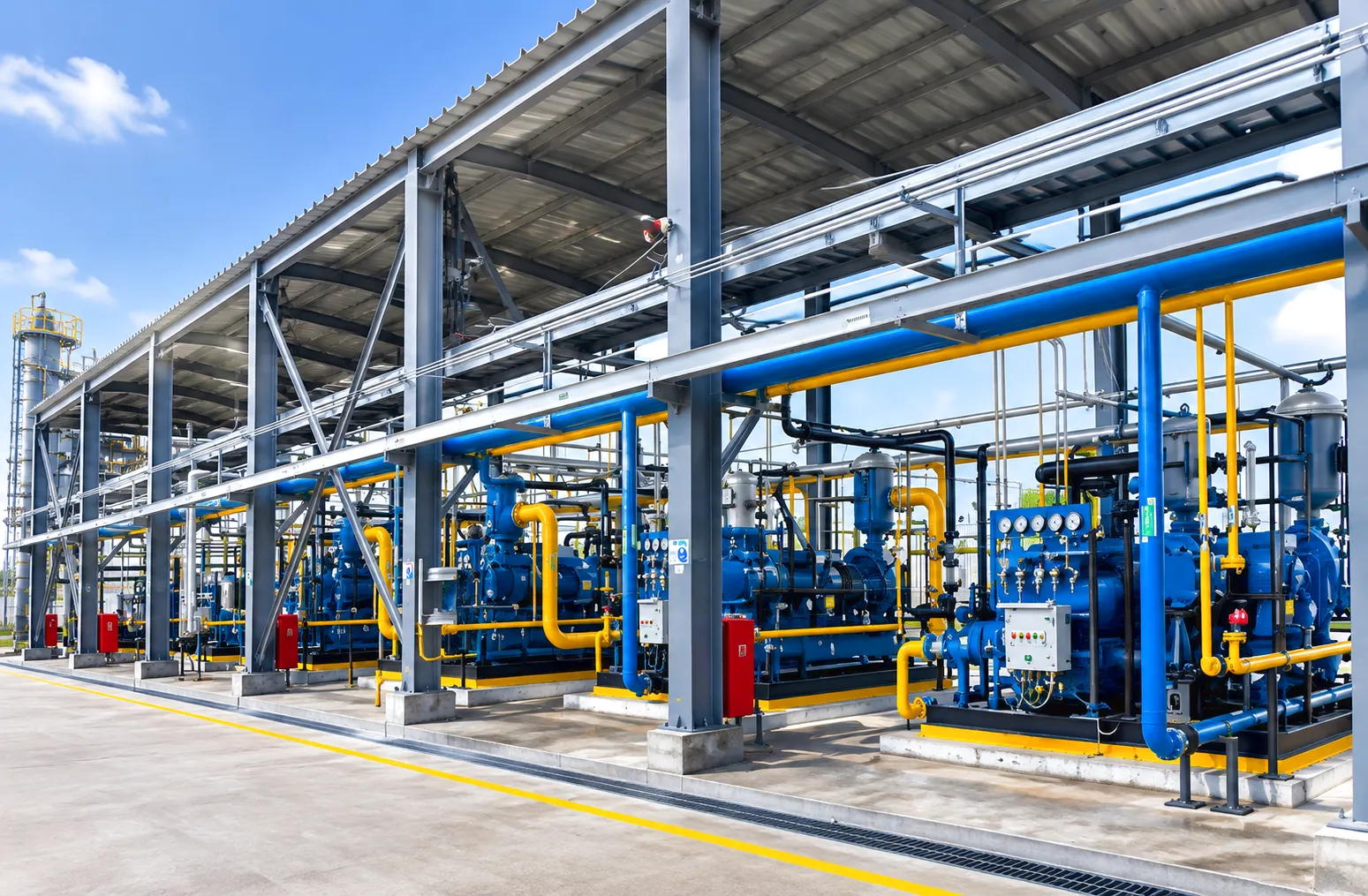
The United Kingdom’s commitment to net-zero by 2050 has placed hydrogen at the heart of energy strategy, from the British Energy Security Strategy to regional hydrogen clusters in Humberside, Teesside, and Scotland. As industrial operators, utility providers, and research facilities ramp up hydrogen handling infrastructure, the demand for high-performance hydrogen compressors has never been greater. These machines are not peripheral components — they sit at the operational core of every hydrogen production, storage, and dispensing facility.
A hydrogen compressor must handle a gas that is simultaneously the lightest, most diffuse, and most energy-dense substance in routine industrial use. Engineering a compressor that manages hydrogen’s low molecular weight, high permeability, and broad flammability range requires a fundamentally different design philosophy compared to nitrogen or CO2 compression. Our reciprocating and diaphragm hydrogen compressor series are purpose-built for exactly this environment, with design choices proven in hydrogen fuelling, chemical processing, and energy storage applications across Europe and the UK.
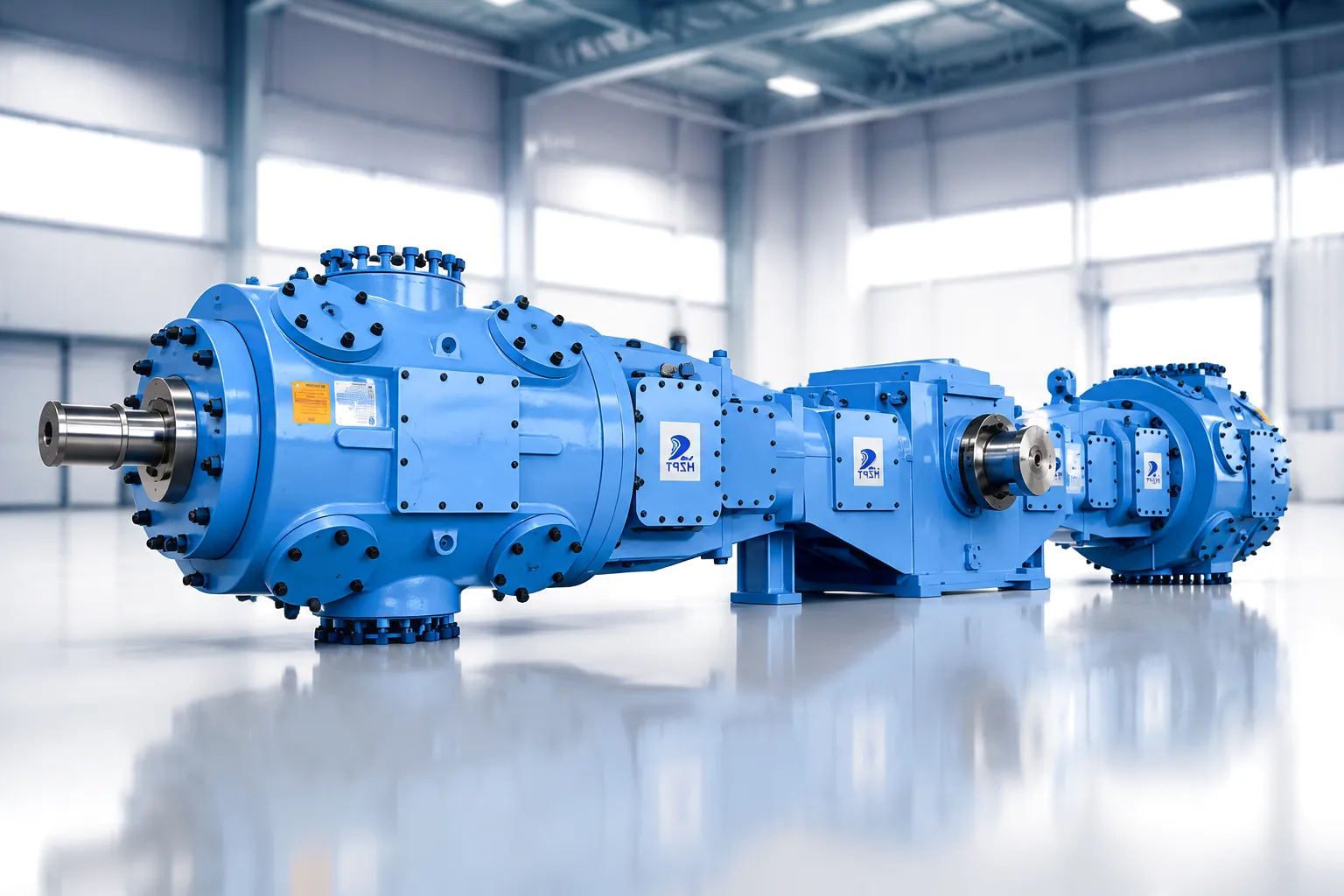
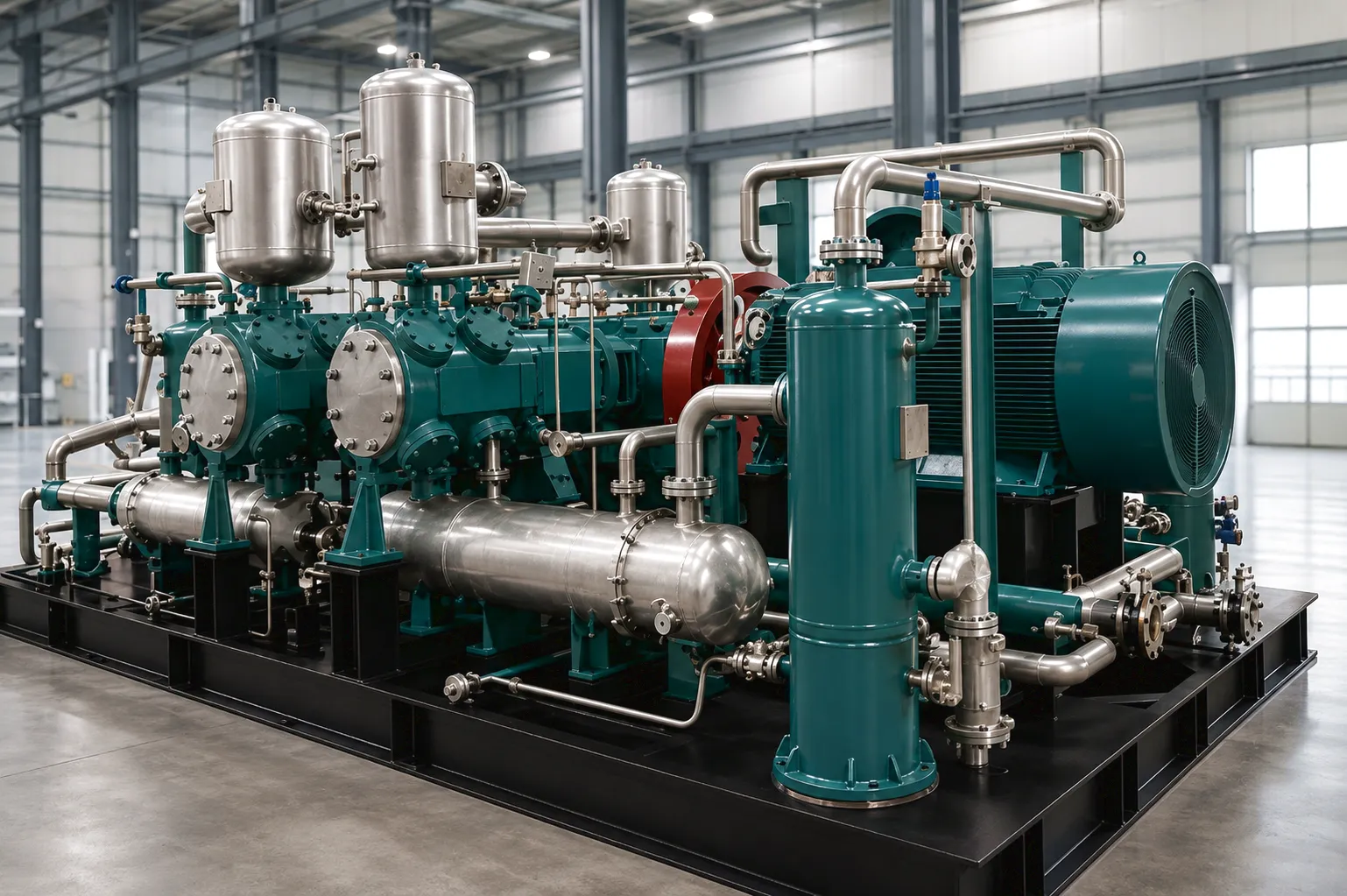
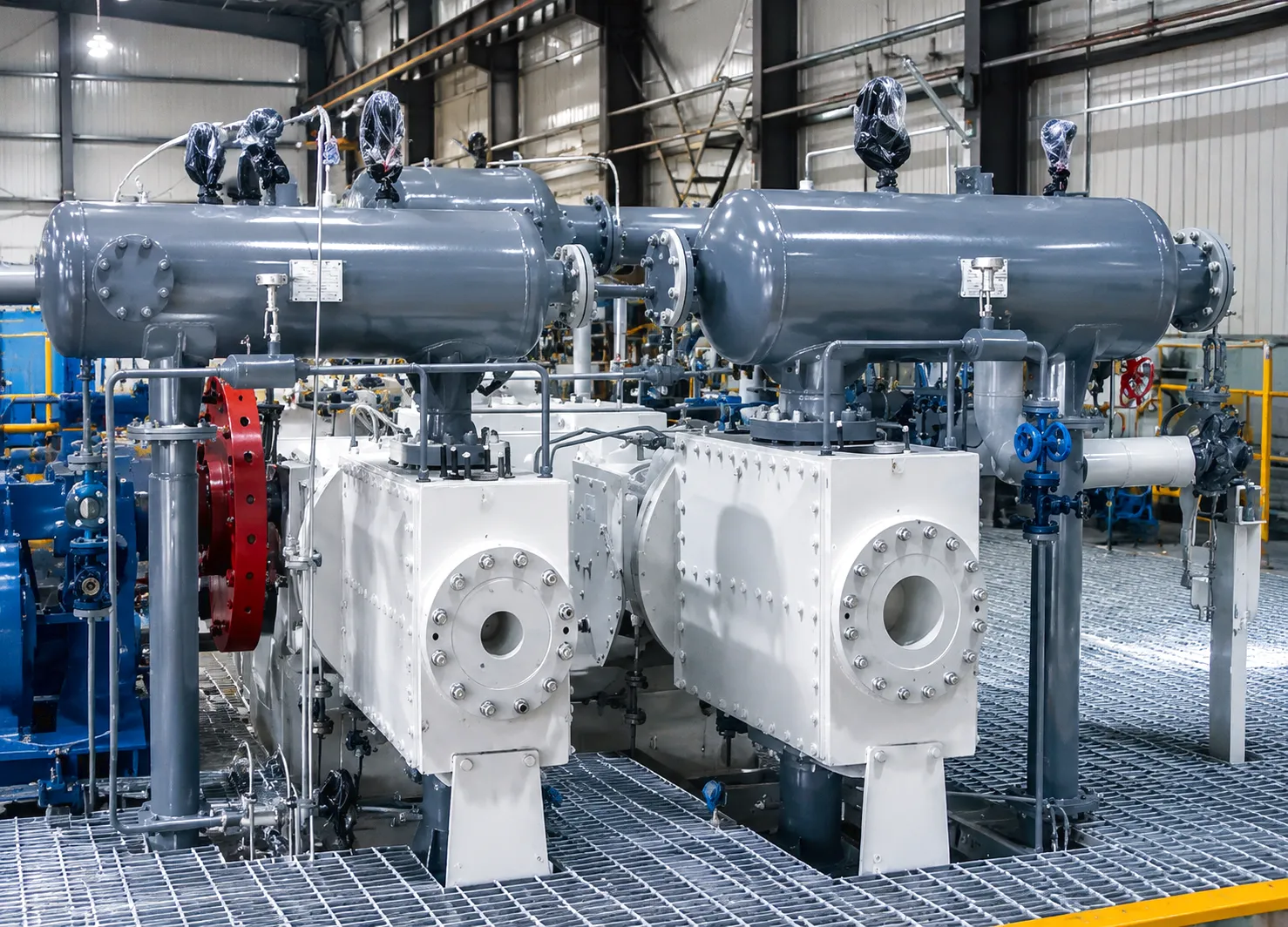
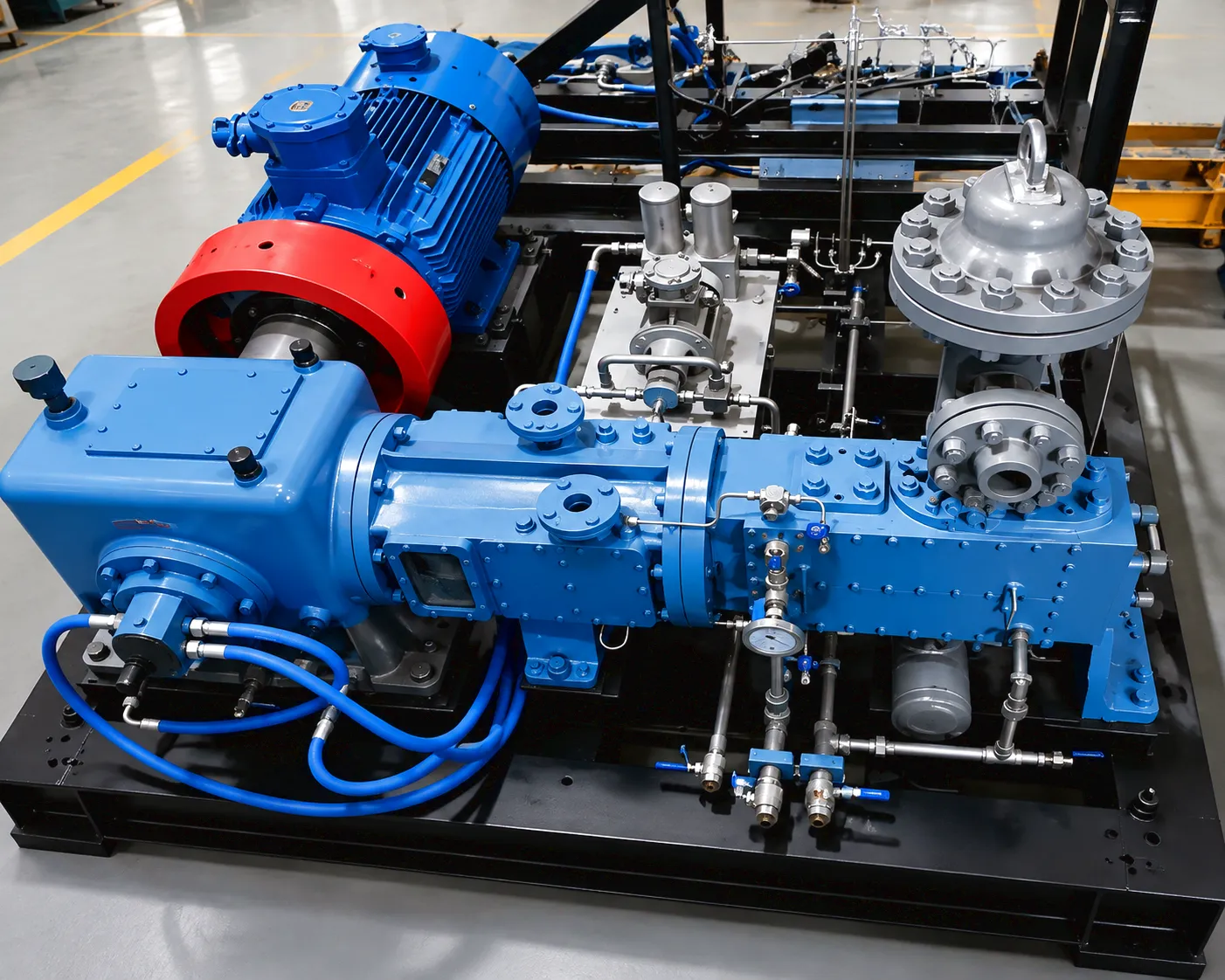
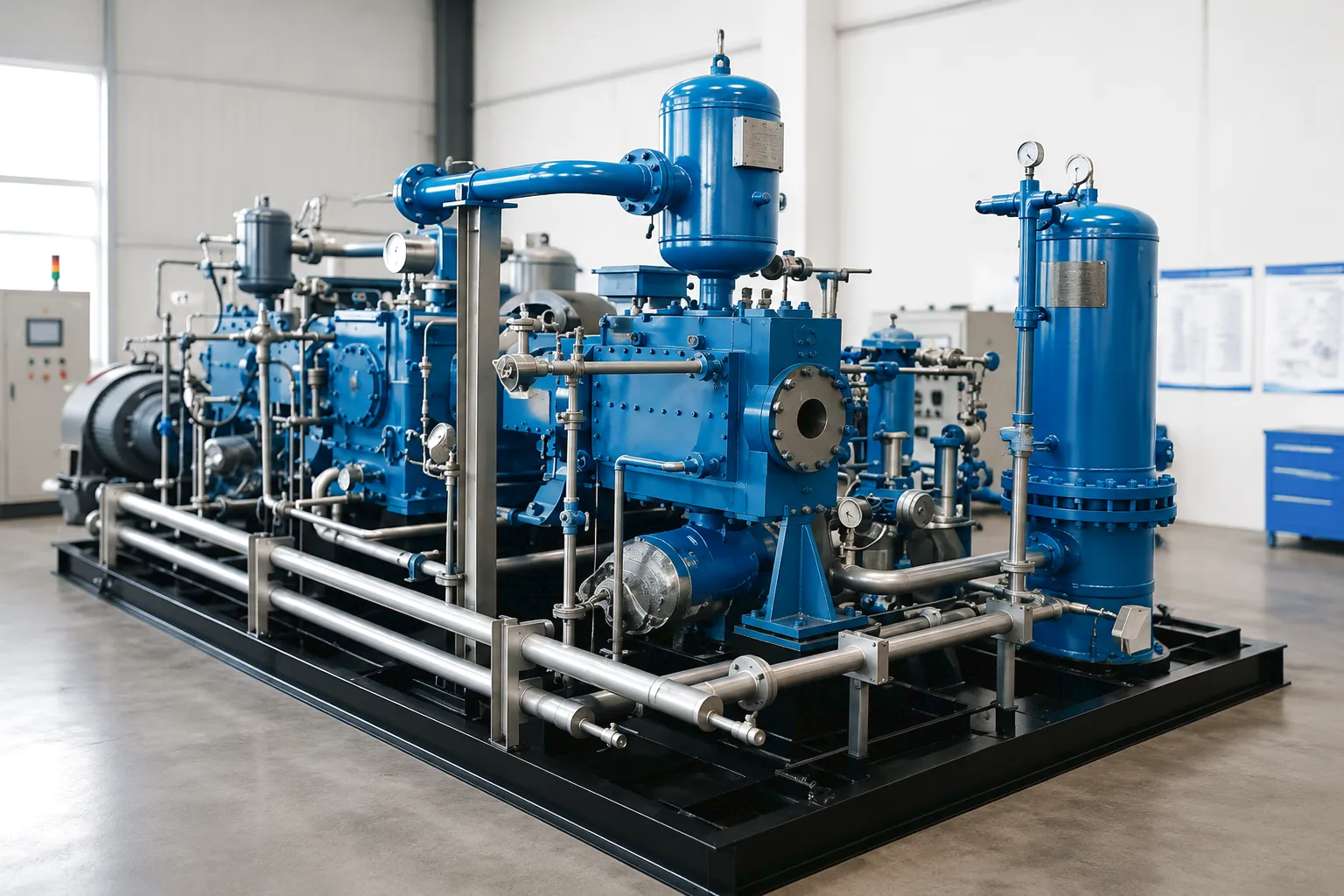
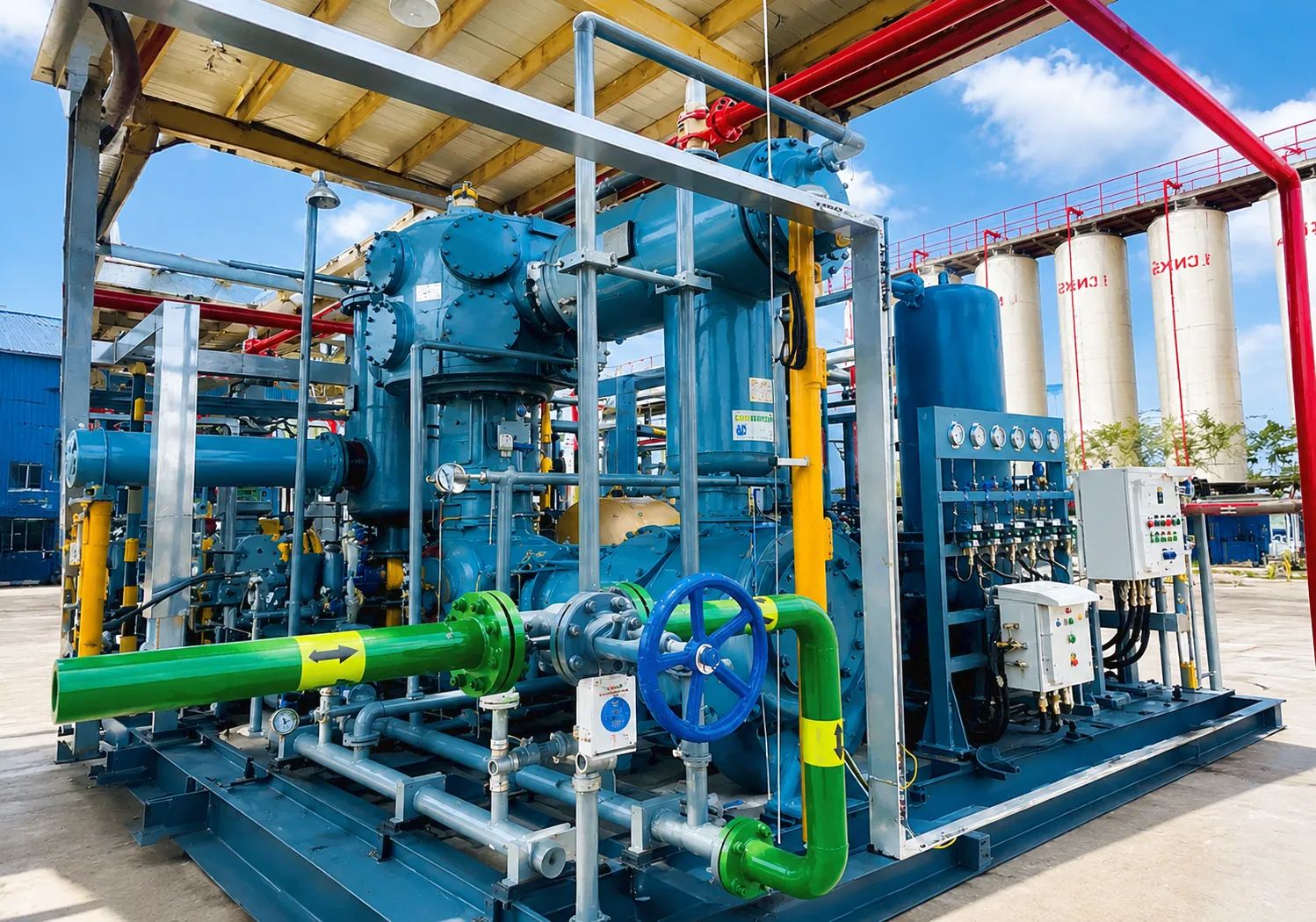
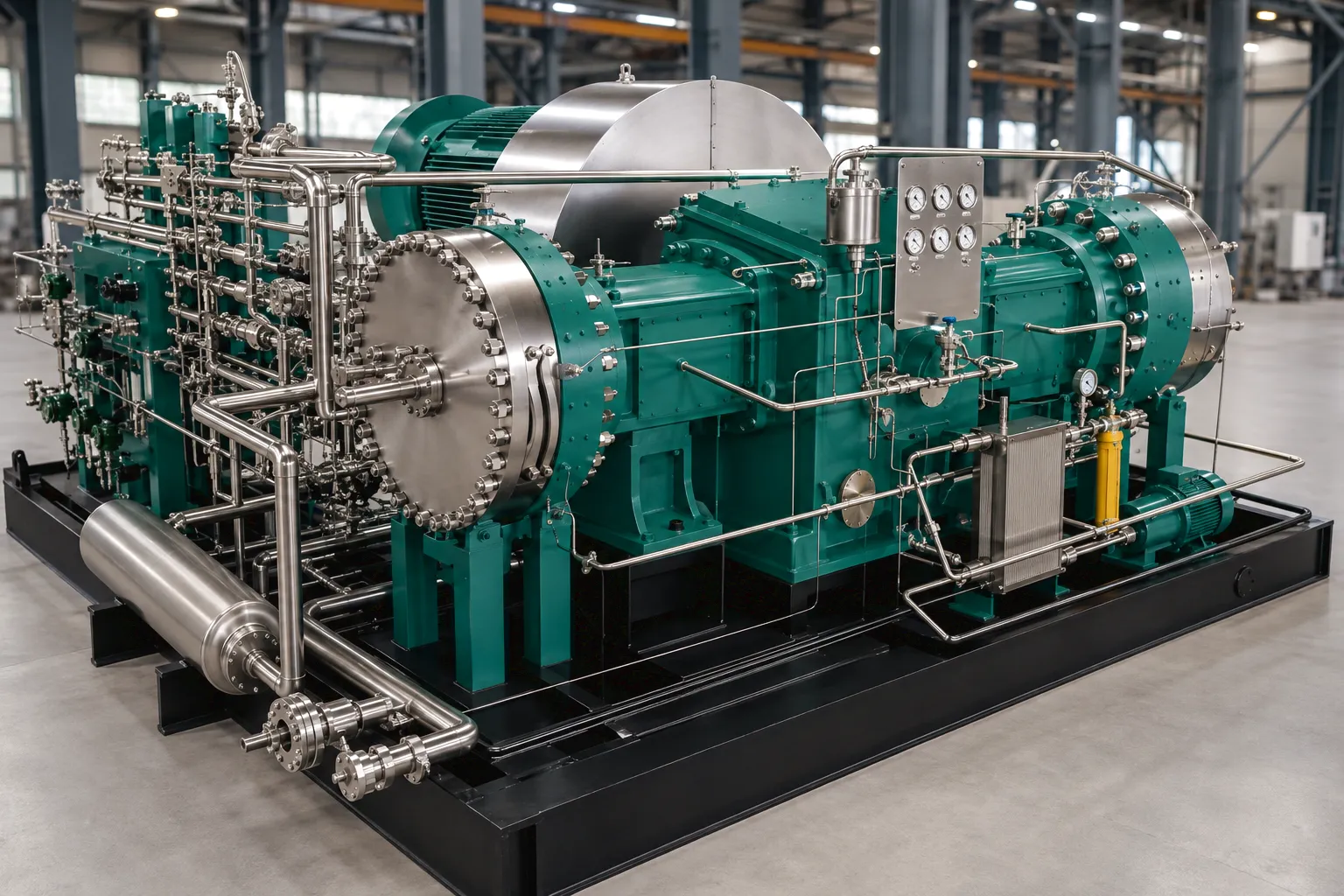
Complete Hydrogen Compressor Model Range
9 models covering diaphragm, reciprocating, and piston configurations — for specific datasheet parameters, contact our engineering team.
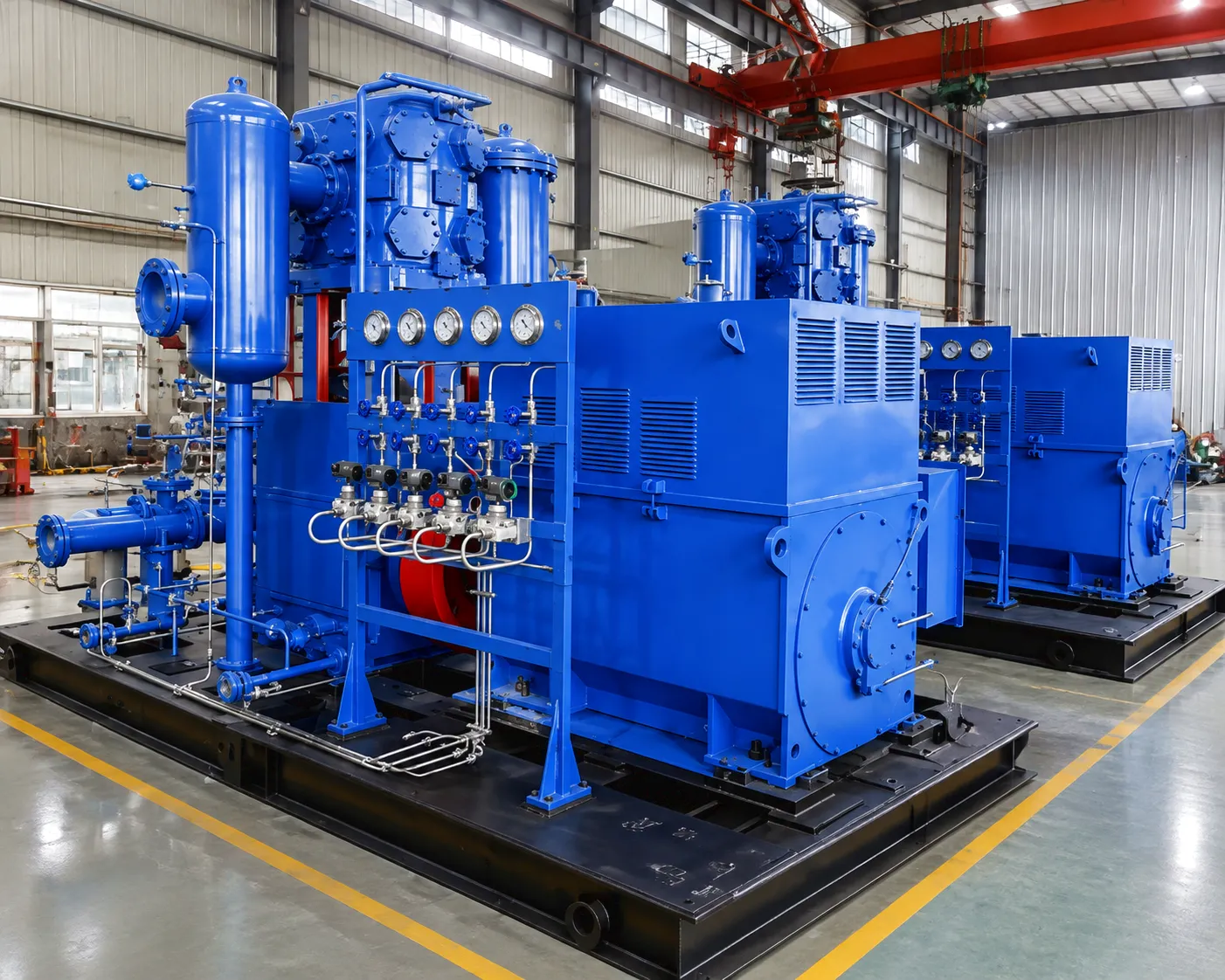
Technical Specifications — General Series Parameters
The table below lists the universal performance envelope across all nine hydrogen compressor models. For individual product datasheets, pressure curves, or motor sizing recommendations specific to your application, please contact our engineering team.
| Parameter | Series Range | Notes |
|---|---|---|
| Displacement Capacity | 2 – 500 Nm³/min | Per single unit; parallel trains available |
| Compressed Medium | Hydrogen (H2) / Hydrogen-mixed gas | Syngas blends on request |
| Discharge Pressure | 0.1 – 32.00 MPa | Ultra-HP models extend to 320 MPa (D1812H series) |
| Motor Power Range | 5.5 – 8,000 kW | IE3 / IE4 efficiency class motors standard |
| Piston Force | 1.5 – 150 T | Frame type determines load rating |
| Frame Type | M, D, P, L, Z | Selected based on flow, pressure, and footprint |
| Compressor Type | Diaphragm / Reciprocating piston / Z-type | Oil-free diaphragm available for purity-critical duty |
| Cooling Method | Water-cooled (standard) / Air-cooled (select models) | Inter-stage cooling included on multi-stage units |
| Compliance | PED 2014/68/EU (UK retained), ATEX Zone 1/2 | CE / UKCA marking available |
* For specific performance curves, P&ID diagrams, or application-engineered parameters, email [email protected]
How Hydrogen Compressors Work — Principles, Materials & Design
Reciprocating Piston Principle
In reciprocating hydrogen compressors, a motor-driven crankshaft translates rotary motion into linear piston strokes within a sealed cylinder. As the piston retracts, hydrogen enters through an inlet valve; on the return stroke, it is compressed and discharged through a one-way outlet valve at the target pressure. Multi-stage configurations repeat this process across two, three, or four stages, with inter-stage cooling between each step to manage heat of compression and prevent thermal degradation of seals. The reciprocating design is favoured in hydrogen duty because it can achieve very high compression ratios across a wide pressure range without continuous lubricant contact with the gas stream — critical when gas purity and hydrogen embrittlement risk both demand meticulous engineering.
Diaphragm Compression — Zero Contamination
The diaphragm compressor (our DW and PW series) places a flexible metallic or composite membrane between the hydraulic oil system and the gas cavity. The hydraulic piston flexes this diaphragm rhythmically, compressing the hydrogen without any oil-to-gas contact whatsoever. This makes diaphragm types the gold standard for applications requiring 99.9999% purity output — medical hydrogen generation, fuel cell membrane electrode assembly (MEA) testing, and semiconductor hydrogen atmospheres. Diaphragm life is engineered to exceed 8,000 operating hours before scheduled replacement, with condition monitoring ports available as standard.
Materials Engineered for Hydrogen Service
Hydrogen embrittlement is not a theoretical concern — it has caused catastrophic failures in inadequately specified equipment. Our hydrogen compressors use hydrogen-compatible 316L stainless steel for all gas-wetted components, with PTFE-based valve seats and PEEK piston rings that resist hydrogen permeation and withstand high-cycle fatigue. Crankcase components are grade-selected alloy steel with surface treatment to minimise stress corrosion cracking. Every external connection uses hydrogen-rated NPT or BSP fittings with double-ferrule compression seals, and all compressors in the range are factory leak-tested at 1.5 times rated working pressure with helium before shipment.
Where These Hydrogen Compressors Are Deployed — UK Application Scenarios
From Scotland’s renewable hydrogen corridors to Greater London’s industrial gas networks, our compressors serve a breadth of real UK sectors.
⚡
Green Hydrogen Production
Electrolyser output at 0.3–3 MPa compressed to storage or pipeline pressure. Humber Zero and NorthH2-style projects.
⛭
Hydrogen Refuelling Stations
HRS compression from tube trailer pressure to 35 MPa or 70 MPa dispenser pressure for buses, HGVs, and passenger vehicles.
🏭
Chemical & Refinery Process
Hydrocracking, hydrotreating, and ammonia synthesis make-up gas compression at refinery sites in Grangemouth, Stanlow, and Lindsey.
📋
Power-to-Gas Storage
Seasonal storage of surplus renewable electricity as compressed hydrogen in salt caverns or repurposed natural gas infrastructure.
🔬
R&D & Laboratory
University of Birmingham, ITM Power, and similar research institutions compressing hydrogen for fuel cell and materials testing at precision pressure.
Screw Air Compressors for Supporting Hydrogen Plant Utilities
Many hydrogen production and compression facilities also require instrument air, nitrogen purge air, and general utility compressed air as part of their auxiliary systems. For these utility duties, our permanent magnet variable speed drive screw compressors provide class-leading efficiency at the lower pressure ranges where reciprocating hydrogen units would be over-specified. Two commonly selected models in UK hydrogen plant utility applications are:
132kW PM VSD Screw Air Compressor | CM132PVF | Ever Power UK
A 132 kW permanent magnet VSD screw compressor with up to 35% energy saving versus fixed-speed equivalents — ideal for instrument air supply in hydrogen compression buildings, where demand fluctuates but reliability is mandatory.
CM160PVF 160kW Permanent Magnet VSD Screw Air Compressor — Built for UK Industry
The 160 kW CM160PVF handles heavier air utility loads at hydrogen refinery and storage sites. Its inverter-driven PM motor delivers premium class efficiency continuously — reducing site electricity costs alongside your hydrogen compressor fleet.
Why UK Operators Choose This Hydrogen Compressor Series
🔒 Leak-Proof Safety Architecture
All gas-wetted joints are helium pressure-tested at 1.5x rated WP before dispatch. Intrinsically safe enclosures, ATEX Zone 1 rating, and flame-proof terminal boxes are standard — meeting UK DSEAR 2002 regulation requirements for hydrogen handling environments.
♻ Wide Pressure Envelope
A single supplier covering 0.1 MPa through to 320 MPa discharge means your project team can source the entire pressure cascade — low-pressure electrolyser boost, mid-pressure storage, and high-pressure cascade fill — from one validated manufacturer, reducing interface risk and procurement overhead.
🔧 Customisation & Engineering Support
Our factory engineering team provides full P&ID review, skid integration design, and application-specific valve timing adjustment for every project. No two hydrogen compressor installations are identical — we configure each unit to its duty cycle, suction conditions, and downstream constraints rather than selling a standard catalogue item without engineering review.
🕔 Long Service Intervals
Valve inspection intervals of 4,000 hours and piston ring replacement at 12,000 hours are achievable in clean hydrogen service when our recommended maintenance protocols are followed. This translates directly to higher annual availability — a key metric when the compressor is on the critical path of a hydrogen dispensing or production operation.
🇧🇷 UK-Compliant Documentation
Full UKCA-aligned technical files, CE declarations (retained post-Brexit for EU-destined export projects), PED conformity assessment reports, and ATEX certificates are provided with each unit. Our documentation package is pre-formatted to meet the expectations of UK principal contractors and HSE inspection processes.
Customer Success — UK & European Hydrogen Projects
The following represent real-world deployment contexts. Specific project names are withheld under NDA; contact us for reference letters.
Humber Industrial Cluster — Hydrogen Refuelling Infrastructure
A UK-based infrastructure development company building three hydrogen refuelling stations along the Humber estuary selected two DW-75/6 units and one 4MW-22/1.2-18 reciprocating compressor for their cascade fill system. The project required compression from electrolyser output at approximately 1.5 MPa up to 45 MPa storage bank, and from the storage bank to 70 MPa dispenser rails for heavy goods vehicle fuelling. Engineering support included full PFD review, inter-stage cooler sizing, and commissioning supervision by our UK-based partner service team. The system has operated continuously since commissioning with zero unplanned downtime recorded in 14 months of operation.
Location: East Yorkshire, UK
Units: 3 compressors
Uptime: 100% in 14 months
“We evaluated four hydrogen compressor suppliers before selecting this range. The deciding factors were the comprehensive ATEX documentation, the willingness to provide engineering review of our P&ID at no charge before PO stage, and a pressure envelope that covers both our current and planned future stations without switching supplier.”
— Head of Plant Engineering, UK Hydrogen Mobility Operator, West Midlands
“The DW diaphragm units have run without a single gas leak since installation — 8,200 hours and counting. For a laboratory environment where even a minor hydrogen event would require full site evacuation, that reliability record is not just commercially important, it is a matter of staff safety.”
— Senior R&D Engineer, Fuel Cell Research Facility, South East England
“We needed a hydrogen compressor supplier who could respond to technical queries within 24 hours and had documentation ready for HSE submission immediately. The technical team here answered every query same-day and had the full CE file and ATEX certificate pack to us within 48 hours of order. Genuinely impressed.”
— Procurement Manager, Chemical Process Plant, Teesside, UK
Manufacturing Capability & Product Customisation
Our hydrogen compressor manufacturing facility operates under a certified quality management system and holds pressure vessel fabrication certification applicable to ASME VIII and EN 13445 standards. Machining of critical crankshafts, crossheads, and cylinders is performed in-house on CNC turning and boring centres, maintaining dimensional tolerances to within 0.01 mm on bore diameter. This level of in-house process control — from raw material inspection through to final assembly and pressure test — is what allows us to offer meaningful customisation without sacrificing quality or extending lead times beyond what project schedules can accommodate.
Customisation options include bespoke skid packages with integrated suction knockout drums, inter-stage separators, and discharge pulsation dampeners sized to your specific application; non-standard flange connections (ASME 150# through 2500#, EN PN16 through PN250); custom motor voltage configurations for 415V UK standard or 690V high-voltage installations; and fully packaged control panels with PLC logic pre-configured to customer SCADA communication protocols including Modbus RTU, Profibus-DP, and Ethernet IP. Acoustic enclosures with noise attenuation to 70 dB(A) at 1 metre are available for urban siting requirements.
Frequently Asked Questions
Ready to Specify Your Hydrogen Compressor?
Send us your duty conditions — inlet pressure, discharge pressure, flow rate, and gas composition — and our application engineering team will respond within one working day with a model recommendation and indicative price for your UK hydrogen project.
edit by gzl