
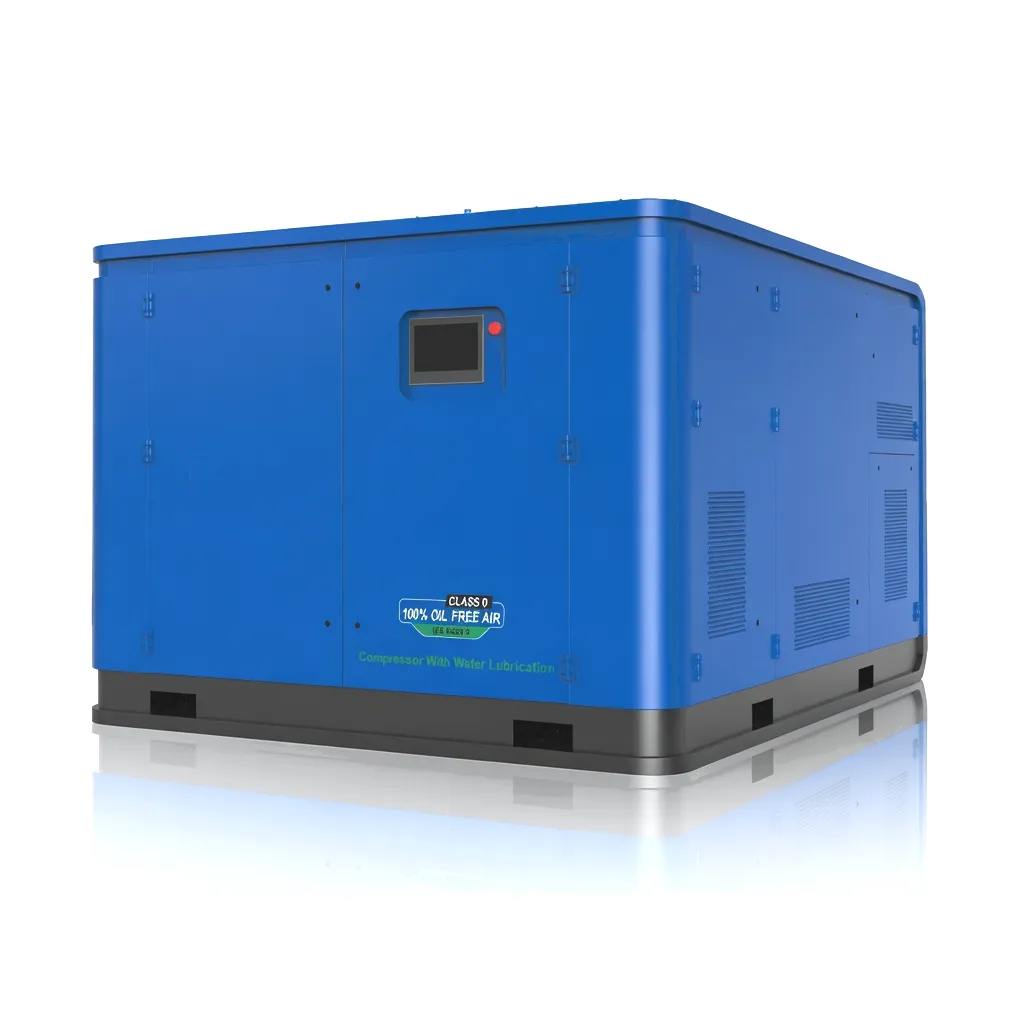
How a Screw Air Compressor Actually Works: The Engineering Fundamentals
Working Principle — Rotary Twin-Screw Technology
Intake & Sealing Phase
Ambient air is drawn through an intake filter into the space formed between two helical rotors — a male (drive) rotor and a female (gate) rotor — as their lobes unmesh at the inlet port. The precision of this meshing geometry, typically manufactured to tolerances within 5 microns, determines volumetric efficiency. A finely engineered oil-injection system simultaneously injects a controlled film of oil to seal the rotor clearances, cool the compressed air charge, and lubricate the bearing surfaces, reducing thermal stress across the full operating cycle.
Compression Phase
As the rotors turn, the air-oil mixture is trapped in progressively smaller inter-lobe cavities and moves axially toward the discharge port. This positive displacement action is continuous and pulse-free, unlike the reciprocating piston action of older technology. The compression ratio is fixed by the rotor geometry and port timing. In variable-frequency drive (VFD) units, the motor speed is dynamically adjusted to match actual air demand, which is the key differentiator for energy efficiency in modern UK manufacturing environments where production schedules are rarely constant.
Separation & Discharge Phase
Compressed air and oil exit together into an oil separator vessel. A multi-stage separation system — centrifugal separation followed by coalescing filtration — reduces residual oil carryover to below 3 parts per million (ppm), meeting ISO 8573-1 Class 1 requirements. The separated oil is cooled in an aftercooler before being recirculated. The compressed air stream then passes through an aftercooler, moisture separator, and downstream filtration train before reaching the laser cutting machine’s assist gas inlet — ensuring the beam path remains completely free of aerosol contamination that could damage optics costing tens of thousands of pounds.
Material Science Behind Industrial Air Compressor Construction
Core Materials — Rotor, Housing, Filtration & Sealing Components
High-grade cast iron (GG25 or equivalent EN-GJL-250) or forged steel alloys form the rotor body, chosen for dimensional stability under cyclic thermal loading. Chrome-plated or DLC (Diamond-Like Carbon) coated rotor surfaces dramatically reduce friction, extend service intervals beyond 40,000 hours, and resist the micro-corrosion typical in humid UK plant environments.
Compressor airends are typically housed in precision-cast aluminium alloy (AlSi10Mg or A380) for lightweight installations, or nodular cast iron for heavy-duty continuous-duty applications. The housing geometry is computer-optimised using finite element analysis to maintain dimensional accuracy under working pressures up to 13 bar, preventing rotor contact and ensuring the 5-micron clearance profile is preserved throughout the service life of the machine.
Downstream filter housings and receiver tanks are manufactured from 304 or 316L stainless steel, conforming to BS EN 13445 for unfired pressure vessels — a critical compliance requirement under UK Pressure Systems Safety Regulations (PSSR 2000). The stainless construction eliminates internal rust particulates that would otherwise contaminate laser cutting assist gas streams and damage sensitive optical components inside the cutting head.
Tapered roller bearings rated to ABEC-5 precision class handle combined radial and axial loads from rotor thrust. Shaft seals — typically nitrile rubber (NBR) or fluoroelastomer (FKM/Viton) lip seals — must be chemically compatible with synthetic polyalphaolefin (PAO) compressor lubricants. FKM seals are strongly recommended for high-pressure (10+ bar) applications given their superior resistance to heat aging and hydrocarbon swell, both of which degrade sealing performance over extended UK operating schedules.
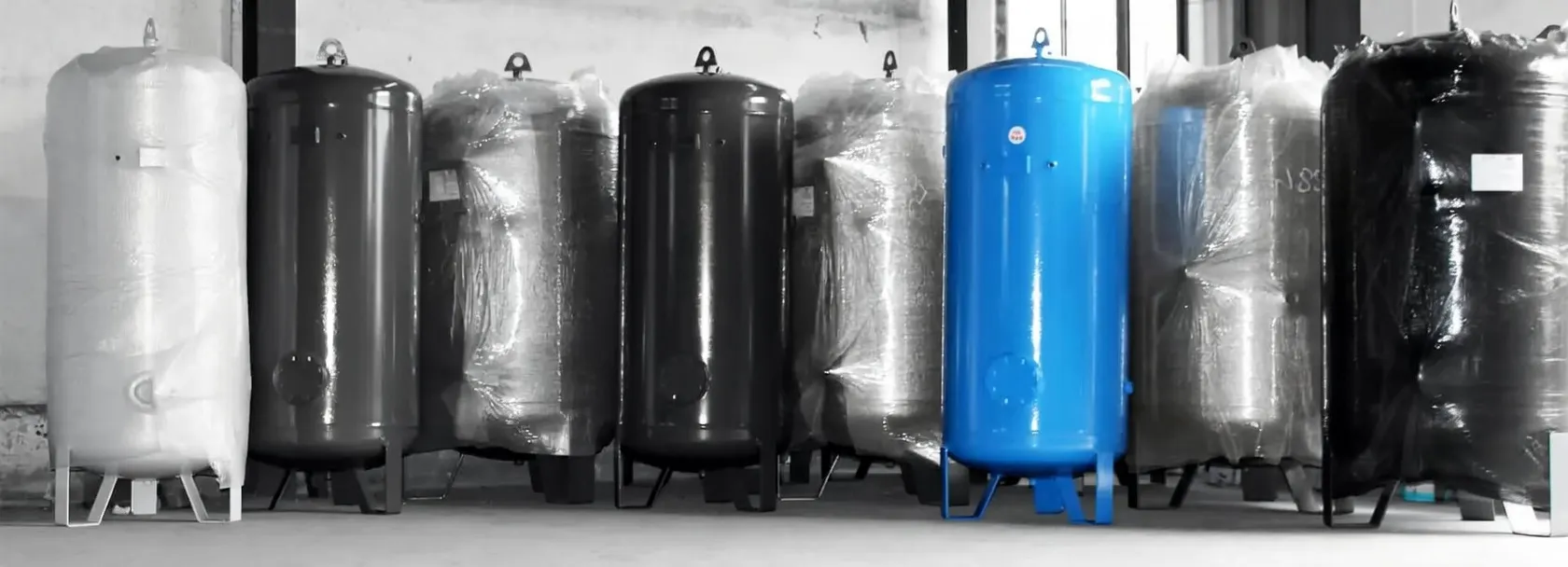
Seven Core Technical Advantages of Modern Variable-Frequency Screw Air Compressors
Product Advantages — Why VFD Screw Technology Outperforms Fixed-Speed & Piston Alternatives
ISO 8573-1 Class 1 Air Purity for Optical Protection
Paired with the appropriate downstream filtration train — coalescing pre-filter, activated carbon filter, and membrane or refrigeration dryer — these compressor systems deliver oil-free air quality at Class 1 for both particulate and oil content. This level of purity is non-negotiable for protecting focusing lenses and protective windows inside laser cutting heads, components that can cost between £800 and £3,500 per piece on high-power fibre laser systems.
Intelligent PLC Control with Remote Monitoring
Modern units integrate Siemens or Schneider PLC controllers with touchscreen HMI panels, Modbus RTU/TCP communications, and optional IoT gateways supporting SCADA integration. For multi-site UK manufacturers, centralised remote monitoring of discharge pressure, air temperature, oil life, filter differential pressure, and motor current across a plant network enables predictive maintenance scheduling — reducing reactive breakdown calls and overtime maintenance costs significantly over a 5-year asset lifecycle.
CE Marked — UK PSSR 2000 & UKCA Ready
Every compressor system supplied into the United Kingdom must comply with the Pressure Systems Safety Regulations 2000 and carry appropriate conformity marking. Post-Brexit regulatory alignment means UKCA marking is becoming the standard requirement for pressure vessels placed on the GB market. Our systems are supplied with full technical documentation packages, Written Scheme of Examination templates, and statutory pressure test certificates — removing significant administrative burden from UK plant managers responsible for PSSR compliance.
Technical Performance Parameters — Industrial Air Compressor Specification Table
Key Metrics Across Power Range — 7.5 kW to 250 kW Models
| Model / Power | Free Air Delivery (m³/min) | Working Pressure (bar) | Motor Power (kW) | Noise Level dB(A) | Oil Carryover (ppm) | Rotor Material | Drive Type | ISO Purity Class |
|---|---|---|---|---|---|---|---|---|
| EP-7.5A | 0.85 – 1.1 | 7 / 8 / 10 | 7.5 | <62 | <3 | Cast Iron / DLC | Belt / Direct | Class 1-2 |
| EP-15VF | 1.6 – 2.4 | 7 – 13 | 15 | <63 | <3 | Cast Iron / DLC | VFD Direct | Class 1 |
| EP-37VF | 4.2 – 6.8 | 7 – 13 | 37 | <65 | <3 | Alloy Steel / Chrome | VFD Direct | Class 1 |
| CM160PVF | 18.0 – 28.0 | 7 – 13 | 160 | <72 | <2 | Alloy Steel / DLC | VFD Direct | Class 1 |
| EP-250VF | 28.0 – 44.0 | 7 – 10 | 250 | <75 | <2 | Forged Steel / Chrome | VFD Direct | Class 1 |
All FAD values measured at 20°C, 1 bar(a), 0% relative humidity per ISO 1217 Ed.4. Purity class per ISO 8573-1:2010 with matched filtration train.
UK Industrial Application Scenarios for High-Performance Air Compressors
Application Scenarios — From Laser Cutting Cells to Automotive Stamping Facilities
Automotive Stamping & Body Panel Production — Coventry & East Midlands OEM Tier Plants
The Midlands automotive cluster — encompassing Jaguar Land Rover supply facilities, Geely-Lotus components suppliers, and a dense network of tier 2 stamping houses — operates stamping presses, robotic spot welding lines, and paint pre-treatment tunnels that collectively demand large-volume compressed air at 7–10 bar. A 185 kW to 250 kW VFD screw air compressor system, properly sized with a variable-volume buffer receiver, prevents pressure transients when multiple pneumatic actuators fire simultaneously during high-speed stamping cycles — protecting tooling investment and maintaining body panel dimensional accuracy to within 0.1 mm tolerances required for Class A surface quality.
Food & Beverage Packaging — Hygienic Compressed Air in North West England Processing Plants
Food manufacturing facilities in Greater Manchester and Cheshire require compressed air systems complying with British Compressed Air Society (BCAS) hygiene guidelines and British Retail Consortium (BRC) Global Standard requirements. Applications include pneumatic conveyors for dry ingredients, form-fill-seal packaging machine actuators, bottling line blow moulding, and product contact CO2 cylinder filling ancillaries. Oil-injected screw compressors with properly designed and certified downstream filtration — producing Class 0 oil content per ISO 8573-1 — are accepted in food-contact adjacent applications where true oil-free compressors carry a cost premium that cannot be justified on ROI grounds.
Medical Device & Pharmaceutical Production — Clean Room Air Supply in Cambridge & Stevenage
The Cambridge-Stevenage life sciences corridor is home to some of the UK’s most technically demanding compressed air applications. Pharmaceutical manufacturers and medical device producers require Grade D or Grade E Pharmaceutical Compressed Air per European Pharmacopoeia 2.1.7, which specifies limits on water content (dew point ≤ -20°C at 7 bar), oil content (≤ 0.1 mg/m³), and particulate loading. Ultra-dry VFD screw systems with integrated membrane or heatless desiccant dryers, 0.01-micron final filtration, and stainless steel pipework distribution are specified to meet Medicines and Healthcare products Regulatory Agency (MHRA) GMP expectations in these environments.
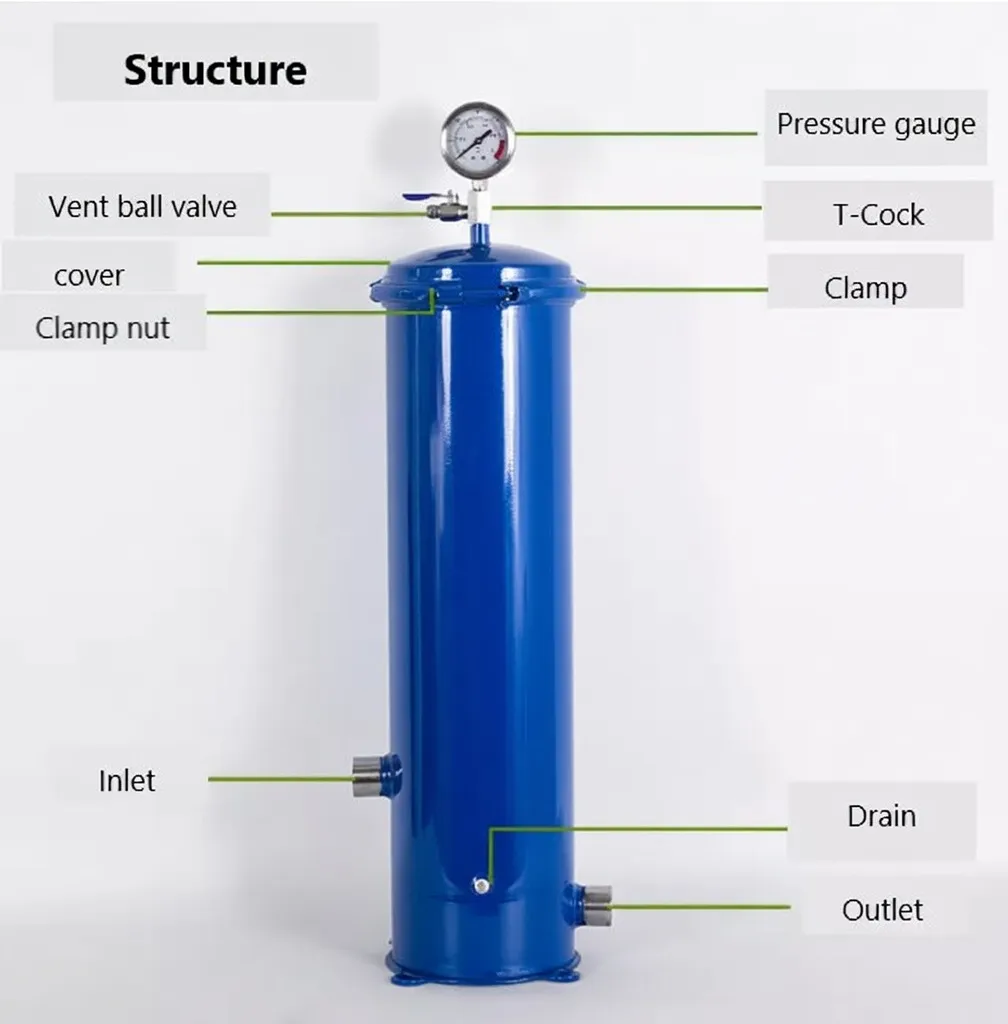
Featured Variable-Frequency Screw Air Compressor Products
High-Efficiency VFD Models Available for UK B2B Procurement
CM160PVF Variable Frequency Screw Air Compressor
The CM160PVF is a 160 kW industrial-grade variable-frequency screw air compressor engineered for large-scale continuous-duty applications including multi-head laser cutting cells, automotive stamping lines, and aerospace pneumatic tool circuits. Its permanent magnet synchronous motor (PMSM) achieves IE4 super-premium efficiency classification, delivering free air delivery of 18.0 to 28.0 m³/min across a working pressure range of 7 to 13 bar. The integrated VFD ensures discharge pressure stability within ±0.1 bar regardless of demand fluctuation — a critical parameter for maintaining cut-edge quality consistency on high-power fibre laser systems processing stainless steel and aluminium. Discharge oil carryover is rated below 2 ppm, protecting optical components and filtration investment downstream. UKCA-compliant technical documentation is included as standard.
Variable Speed Drive Screw Air Compressor
The Variable Speed Drive Screw Air Compressor series offers a versatile power range from 7.5 kW to 132 kW, making it the go-to choice for UK fabricators who need a single compressor solution capable of adapting across multiple production scenarios without over-provisioning capacity. The integrated frequency converter continuously adjusts motor speed from 25 Hz to 70 Hz, matching output to real-time system demand with millisecond response times. This eliminates the energy waste associated with fixed-speed load/unload cycling and removes the mechanical stress of repeated direct-on-line starts. The series is particularly well-suited to UK sheet metal workshops transitioning from CO2 laser to fibre laser technology, where compressed air consumption patterns change significantly during the technology upgrade cycle. Quiet canopy design at below 65 dB(A) supports open-plan workshop integration without dedicated acoustic enclosures.
Customer Success Story: Precision Fabrication Ltd — Sheffield, South Yorkshire
Aerospace Sub-Contract Cutting | 24/7 Three-Shift Operation | 37% Energy Reduction Achieved
 Precision Fabrication Ltd, a 47-year-old sub-contract laser cutting and waterjet profiling specialist based in the Attercliffe industrial district of Sheffield, had operated three ageing 75 kW fixed-speed screw compressors in a cascade arrangement to serve a 12-head laser cutting floor encompassing three 12 kW fibre laser systems and two 4 kW CO2 machines. Monthly electricity costs attributable to compressed air were running at approximately £14,200 — a figure the operations director described as “unsustainable against our current contract pricing structure with tier 1 aerospace clients.”
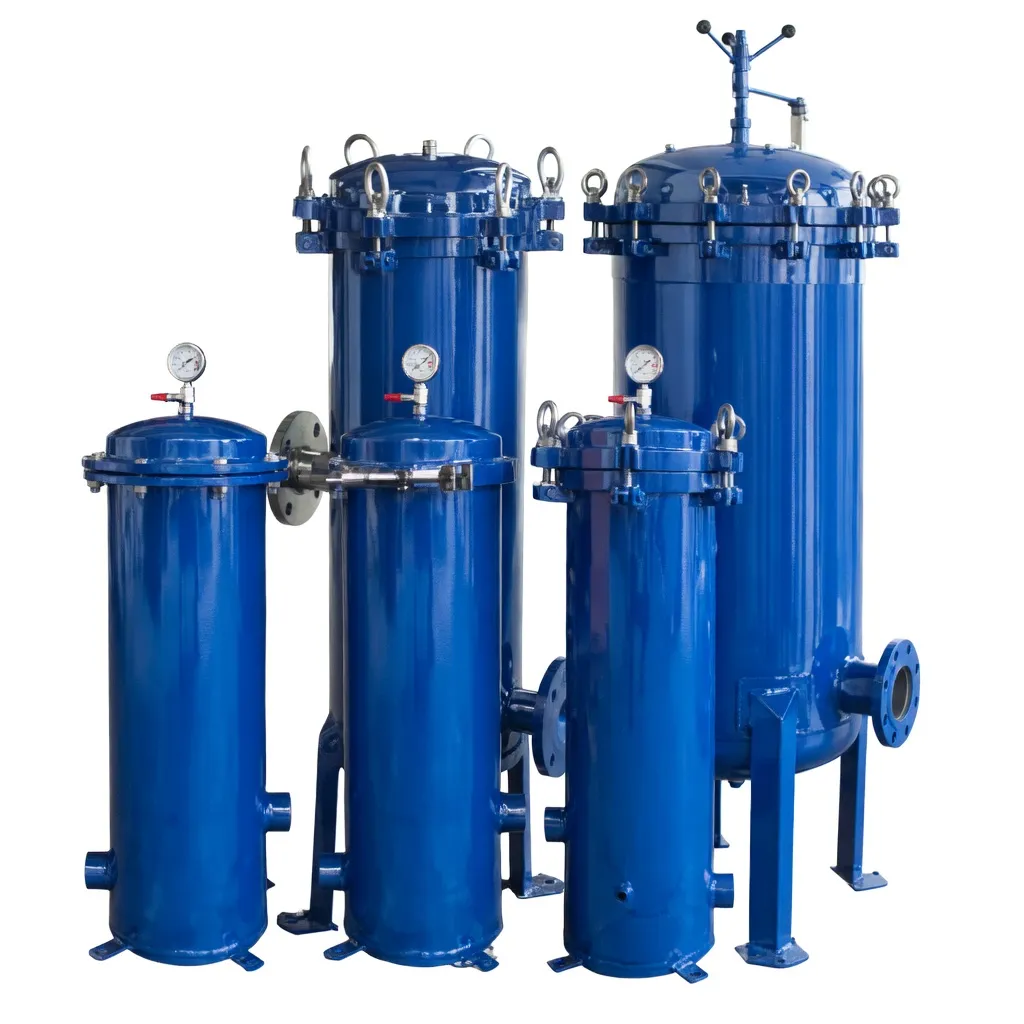
After a detailed compressed air audit — including 72-hour flow logging across all production shifts — Ever Power’s application engineering team recommended replacing the three legacy units with two CM160PVF Variable Frequency Screw Air Compressors operating in a master-slave configuration, sized to handle peak demand of 38 m³/min during the Monday-to-Friday day shift while dropping to a single low-speed unit covering the reduced weekend maintenance periods. The complete system included two Ever Power stainless steel precision filters to ISO Class 1 standard and a 3,000-litre 316L stainless receiver vessel, maintaining stable system pressure at 9.5 bar throughout the production cycle.
Post-installation energy monitoring recorded a 37.2% reduction in kilowatt-hours consumed per cubic metre of compressed air delivered — equivalent to an annual saving of £52,800 against pre-installation baseline. Cut-edge quality rejection rates on 3 mm stainless fell by 18% within the first production month, attributed directly to the elimination of ±1.2 bar pressure swings that had plagued the old fixed-speed cascade system during simultaneous multi-head cutting sequences. The installation qualified for Enhanced Capital Allowance (ECA) scheme designation under the UK government’s energy-saving technology list, providing Precision Fabrication Ltd with immediate 100% first-year capital allowance on the full system investment.
“The CM160PVF units have genuinely transformed our cutting floor energy profile. We were sceptical about the projected savings but the 72-hour monitoring data after commissioning showed we were actually saving more than the audit predicted. The pressure stability at the laser head has been immaculate — no more edge quality complaints from our aerospace customers.”
“Ever Power’s technical team understood our specific demand profile better than any supplier we had previously worked with. The custom 9.5 bar set-point configuration and the stainless filter specification were exactly right for our stainless and aluminium cutting mix. We haven’t had a single unplanned compressor-related stoppage in fourteen months of continuous operation.”
“The PSSR documentation package was complete and immediately acceptable to our insurance company’s inspecting engineer — that alone saved us three weeks of back-and-forth that we had experienced with a previous supplier. The Ever Power team understood exactly what British regulatory compliance means in practice, not just in theory. Delivery was on time and the installation commissioning support was excellent.”
Frequently Asked Questions — UK Industrial Air Compressors for Laser Cutting
Voice-Search Optimised Technical & Commercial FAQs for UK Procurement Teams
Ready to Optimise Your Compressed Air System?
Talk to an Ever Power application engineer today. We provide free system sizing, energy saving calculations, and a detailed technical quote — with full UK compliance documentation included.
edit by gzl