
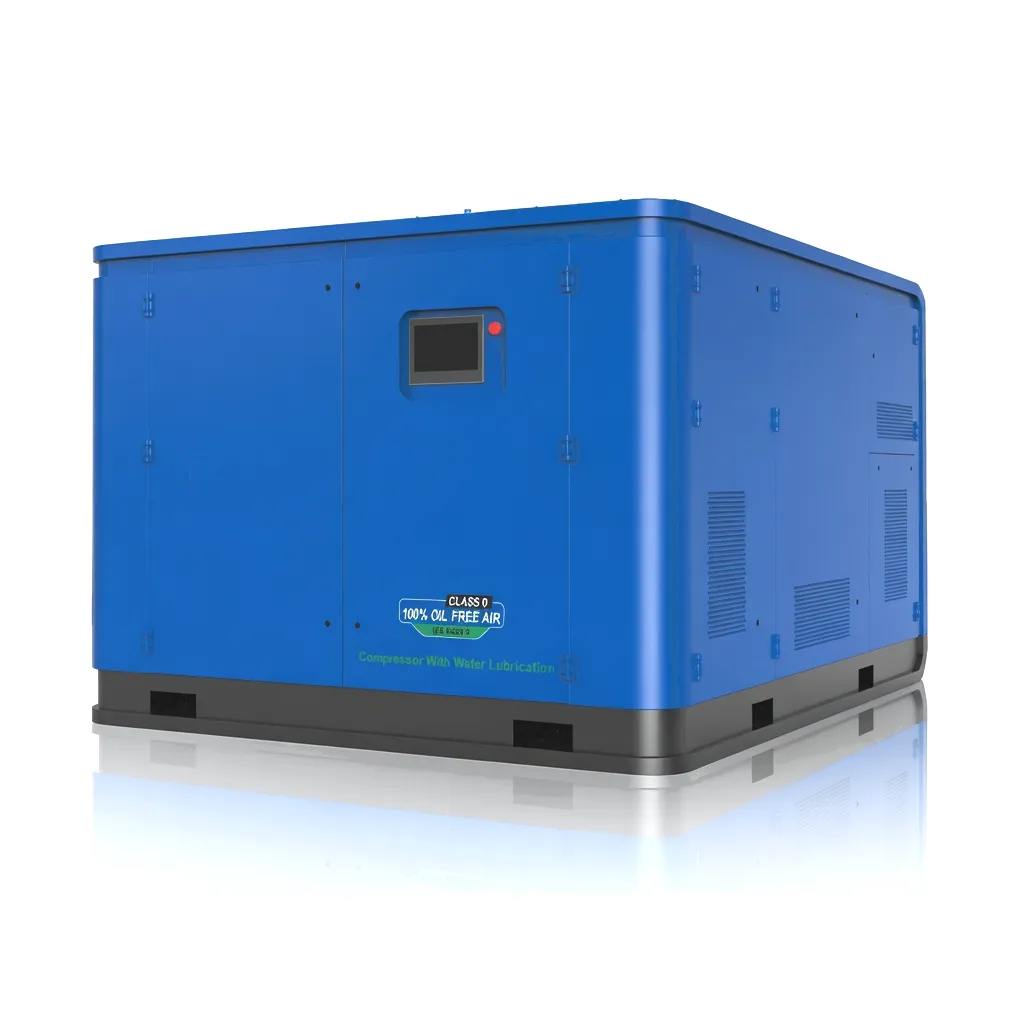
 Industrial laser cutting has transformed British manufacturing over the past two decades, enabling sheet metal workshops in Sheffield, automotive component suppliers in Coventry, and aerospace fabricators in Bristol to achieve tolerances that were impossible with conventional tooling. At the heart of every reliable laser cutting system sits a component that rarely gets the recognition it deserves: the air compressor. The quality, pressure consistency, and moisture content of the compressed air supply directly determines cut quality, nozzle life, and machine uptime. A poorly specified air compressor for laser cutter applications can contaminate the beam path with oil mist, introduce moisture that degrades fibre optic connections, or fluctuate in delivery pressure — each of these failures translating into scrapped material, costly downtime, and unhappy customers.
UK manufacturers face a particular challenge: the combination of variable ambient temperatures, the increasing adoption of nitrogen-assisted cutting, and the shift toward multi-kilowatt fibre laser platforms all demand a compressor specification that goes well beyond what was adequate ten years ago. This guide examines every dimension of that specification — working principles, materials, performance parameters, application scenarios, and the critical questions procurement teams need answered before committing to a purchase.
How an Air Compressor Works in a Laser Cutting Environment
Stage 1 — Intake & Filtration
Ambient air is drawn through multi-stage intake filters that remove particulates down to sub-micron levels. In UK industrial environments — particularly in metal-fabrication zones near Birmingham’s Jewellery Quarter or Sheffield’s advanced manufacturing corridor — ambient dust loads can be surprisingly high. Pre-filtration at this stage protects downstream components and extends the service interval of the internal compression elements.
Stage 2 — Rotary Screw Compression
The dominant technology in modern laser-cutting applications is rotary screw compression. Two precision-ground helical rotors — a male and a female — mesh together inside a machined housing. As the rotors turn, the inter-lobe volume progressively decreases, compressing the trapped air continuously and smoothly. Unlike piston compressors, this process delivers pulsation-free output, which is critical for maintaining stable beam focus pressure at the laser nozzle throughout long cutting runs.
Stage 3 — Cooling, Drying & Delivery
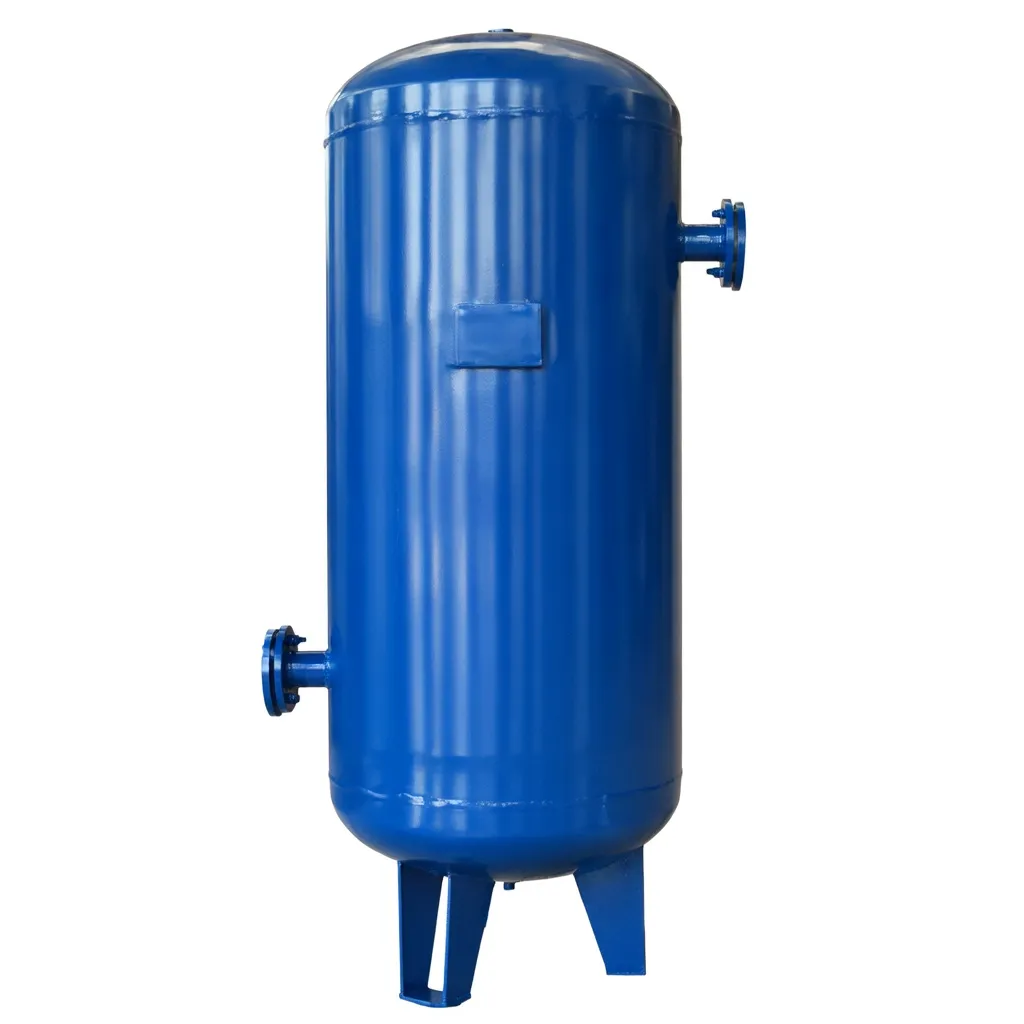
Compressed air exits the element at elevated temperature. An aftercooler drops the temperature, condensing a large proportion of moisture. The air then passes through a refrigerant dryer — targeting a pressure dew point of -20 °C or lower for laser applications — followed by coalescing filters that remove residual oil aerosols to concentrations below 0.01 mg/m³. The resulting clean, dry, oil-free air is stored in a receiver tank to buffer demand spikes and then delivered to the laser cutting head.
Variable Frequency Drive (VFD) Technology — Why It Matters for UK Energy Costs
Laser cutting machines rarely operate at a constant gas demand. During piercing, repositioning, and during fine-feature cutting, the airflow requirement can drop dramatically compared to full-speed straight-line cutting. A fixed-speed compressor wastes energy by unloading and reloading repeatedly — a cycle that also accelerates component wear. A variable frequency drive air compressor for laser cutter installations solves this by modulating motor speed in real time to match actual demand. With UK industrial electricity prices having climbed significantly in recent years, this translates to energy savings of 35–50% against fixed-speed equivalents in real-world duty cycles. VFD units also deliver softer starting characteristics, reducing inrush current and the associated demand charges on commercial electricity tariffs.
The CM160PVF platform exemplifies this approach: the permanent magnet synchronous motor maintains high efficiency across its entire speed range, rather than showing the efficiency drop-off characteristic of standard induction motors at partial load. For a laser fabrication shop running two or three shifts, the payback period on the premium over a fixed-speed unit can be as short as 14–18 months at current UK energy tariffs.
Core Materials and Engineering Choices in High-Performance Compressors
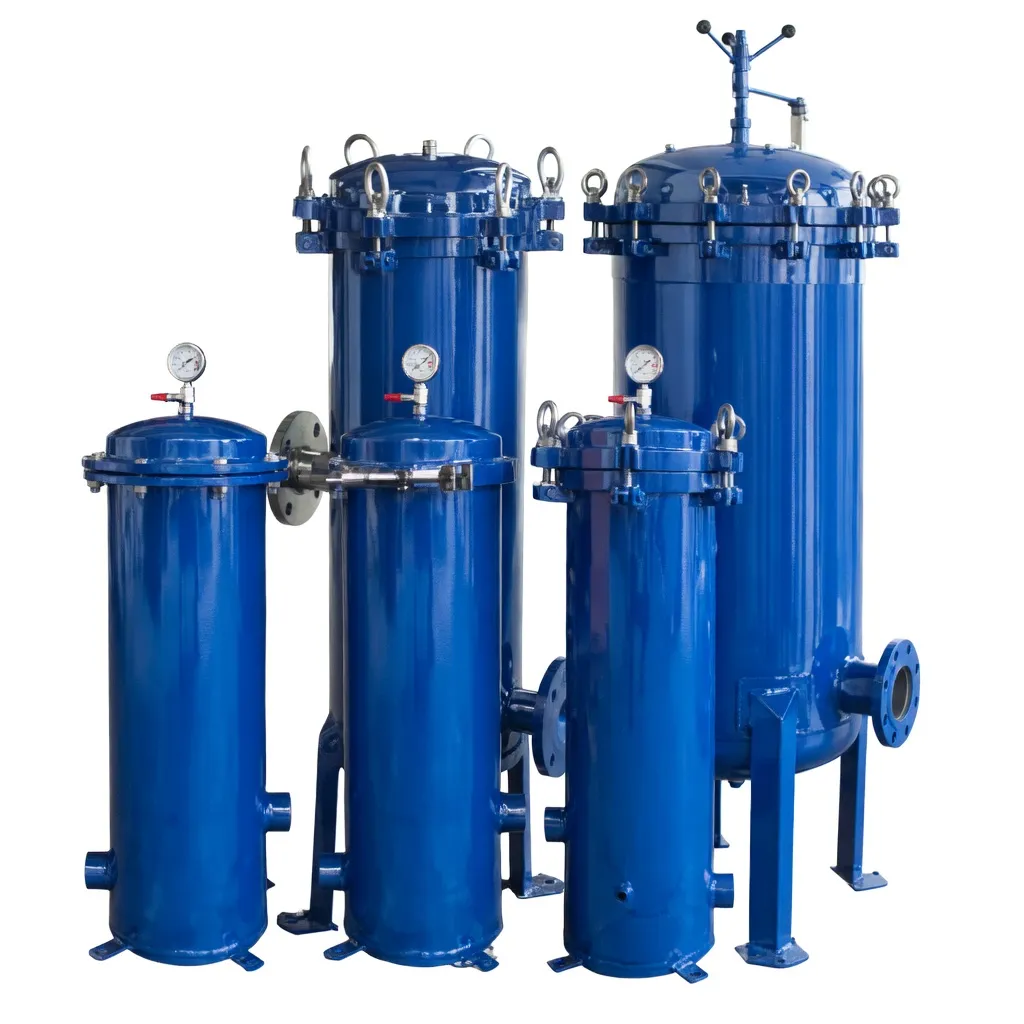
The performance longevity of any air compressor is inseparable from the materials chosen for its critical components. In the rotor pair — the heart of the machine — premium manufacturers use a forged or cast alloy steel billet that is CNC-ground to tolerances within a few micrometres. The rotor profile geometry is typically a five-lobe male and six-lobe female asymmetric design, which delivers a superior compression efficiency compared to the older symmetric profiles. Surface hardness through nitriding or precision hard-chrome treatment extends rotor life to 80,000 hours or beyond under correct maintenance regimes.
The air-end housing is typically manufactured from high-grade cast iron (GG25 or GG30) or aluminium alloy, depending on the pressure class. Cast iron offers superior vibration damping and thermal mass — advantages in continuous-duty industrial environments — while aluminium alloy reduces total unit weight, important for installations in upper-floor fabrication spaces where floor-loading limits apply. For post-processing filtration equipment such as precision coalescing filters, 316L stainless steel is the material of choice: it resists the corrosive condensate that forms as hot compressed air is cooled and dried, and it complies with UK and EU pressure vessel directives without the surface preparation requirements of mild steel.
Rotor Alloy Steel
CNC-ground to micrometre tolerances; nitrided surface for 80,000+ hour service life.
316L Stainless Filters
Resists acidic condensate; compliant with UK PED and PSSR 2000 regulations.
Cast Iron Housing GG25/GG30
Superior vibration damping and thermal mass for 24/7 industrial duty cycles.
Aluminium Alloy Housings
Reduced unit weight — essential where floor-loading constraints apply in older UK mill buildings.
PTFE / NBR Seals
Oil-resistant seal materials ensuring zero carryover — critical for protecting fibre laser optics.
PM Synchronous Motor Core
Permanent magnet rotor maintains IE4/IE5-class efficiency even at 20–30% speed range.
Product Technical and Performance Parameters
| Parameter | CM160PVF VFD Screw | Variable Speed Drive Series | Fixed-Speed Standard |
|---|---|---|---|
| Motor Power | 160 kW | 7.5 – 315 kW | 7.5 – 250 kW |
| Discharge Pressure Range | 0.6 – 1.3 MPa | 0.6 – 1.3 MPa | 0.7 – 1.25 MPa |
| Free Air Delivery (FAD) | 28.2 m³/min | 1.1 – 52 m³/min | 1.0 – 45 m³/min |
| Oil Content in Outlet Air | < 0.01 mg/m³ | < 0.01 mg/m³ | < 3 mg/m³ |
| Pressure Dew Point (with dryer) | -20 °C to -40 °C | -20 °C to -40 °C | +3 °C (refrigerant) |
| Noise Level | 68 dB(A) | 65 – 72 dB(A) | 72 – 82 dB(A) |
| Motor Efficiency Class | IE4 (PM) | IE4 (PM) | IE3 |
| VFD Speed Range | 20 – 100% | 20 – 100% | N/A (Fixed) |
| Air End Housing Material | Cast Iron GG30 | Cast Iron / Alloy | Cast Iron GG25 |
| Filter Housing Material | 316L Stainless Steel | 316L Stainless Steel | Carbon Steel (painted) |
| Energy Saving vs Fixed Speed | 35 – 50% | 35 – 50% | — |
| IP Protection Rating | IP55 | IP55 | IP54 |
Core Technical Advantages for Laser Cutting Applications
⚡
Zero-Pulsation Delivery
The twin-rotor screw mechanism eliminates pressure pulsation entirely. For laser cutting, this is non-negotiable — even minor pressure fluctuations at the nozzle translate directly into variations in cut kerf width and dross formation. Consistent delivery pressure maintains cut quality from the first piece to the last piece of a long batch run.
💧
Ultra-Low Oil Carryover
Oil contamination in the compressed air stream is the single most common cause of premature fibre laser optic damage. EP’s multi-stage coalescing filtration system, housed in 316L stainless steel bodies, delivers outlet air quality to ISO 8573-1 Class 1:2:1. This exceeds the requirements of all major laser OEMs including Trumpf, Bystronic, and Mazak, protecting optic investments that can run to tens of thousands of pounds.
⚙
Intelligent Pressure Management
The integrated PLC controller continuously samples system pressure 100 times per second and adjusts motor speed accordingly. The result is a discharge pressure held to within ±0.01 MPa of the setpoint — a level of control unachievable with traditional pressure-switch-based systems. This precision is particularly valuable when cutting materials that require different assist gas pressures for different thicknesses.
📈
Significant Energy Cost Reduction
Rotary screw compressors with VFD drives and PM motors can reduce compressed air generation costs by 35–50% against fixed-speed alternatives. For a UK fabrication business running a 160 kW compressor over two shifts, this represents an electricity cost saving of approximately £18,000 – £28,000 per year at current UK industrial tariff rates, with a typical payback period of under two years.
🗼
Remote Monitoring Ready
Modern EP compressor controllers support Modbus TCP and OPC-UA communication protocols, enabling integration with factory SCADA systems and enabling remote monitoring of operating hours, temperature, pressure, and filter saturation. For UK manufacturing sites operating in line with Industry 4.0 directives, this connectivity supports predictive maintenance schedules that eliminate unplanned downtime.
🔔
Low Acoustic Footprint
VFD-driven PM units operating at partial load can run below 65 dB(A) — comparable to normal conversation. This is significant for UK businesses operating under HSE noise-at-work regulations, where exceeding 80 dB(A) triggers action-level obligations. Quieter operation also improves the working environment and supports welfare considerations increasingly demanded by larger contract manufacturers.
Application Scenarios Across UK Industrial Sectors
 Compressed air demand in laser cutting is not uniform across industries — the required pressure, flow rate, air quality, and duty cycle vary considerably depending on what is being cut and how. Understanding the application landscape helps procurement teams at UK manufacturing businesses specify the right system from the outset, avoiding the costly mistakes that come from under-specifying for the actual duty or over-engineering for a demand profile that will never be reached.
Application Scenario: Sheet Metal Fabrication in Sheffield
Sheffield’s advanced manufacturing sector remains one of the UK’s most active for high-value sheet metal work. Laser cutting of mild steel, stainless, and aluminium sheet from 0.5 mm through to 25 mm represents a broad pressure demand — from 0.6 MPa for thin gauge to over 1.2 MPa for thick section nitrogen cutting. A variable speed drive air compressor for laser cutter installations in this sector typically delivers 8–28 m³/min depending on how many cutting heads are supplied from a common ring main. Oil-free or ultra-low-oil compressors are strongly preferred to protect surface finishes destined for powder coating or anodising.
Application Scenario: Automotive Component Suppliers in Coventry and Birmingham
The West Midlands automotive supply chain relies heavily on laser cutting for body panel blanks, bracket profiles, and structural reinforcements. These operations typically run three shifts and demand exceptional uptime from every utility system, including compressed air. Tier-1 and Tier-2 suppliers in the Birmingham area commonly specify dual-compressor systems with automatic changeover to guarantee continuous air supply. The integration of compressed air monitoring into MES (Manufacturing Execution Systems) is increasingly specified as part of IATF 16949 compliance programmes at these sites.
Application Scenario: Aerospace Precision Parts in Bristol and Filton
Aerospace-grade titanium and nickel-alloy cutting demands absolute compressed air purity. At Filton and across the Bristol aerospace cluster, compressors supplying laser cutting cells must consistently meet ISO 8573-1 Class 1 for both oil and particle content. Any compromise risks surface oxidation or contamination that would fail the stringent NDT (Non-Destructive Testing) checks required by AS9100 certification. Dedicated oil-free screw compressors with desiccant drying to -40 °C dew point are the standard specification for these applications.
Application Scenario: Signage and Display Manufacturing in Manchester
The signage manufacturing sector — concentrated in and around Manchester and the wider North West — relies on laser cutting for acrylic, aluminium composite, and stainless steel signage components. Air consumption per machine in this sector tends to be lower than heavy fabrication, typically 1.5–4 m³/min per cutting head, but the requirement for clean air is equally stringent: oil contamination of acrylic edges causes clouding and discolouration that renders the finished product unusable. Compact VFD screw compressors in the 7.5–22 kW range are the most common specification for single-machine sign shops.
Application Scenario: Electronics and PCB Fabrication in Cambridge Technology Cluster
Laser cutting of PCB substrates, flex circuits, and precision electronic enclosures requires perhaps the most demanding compressed air specification of any application — particle filtration to 0.01 micron, dew points below -40 °C, and oil content below 0.003 mg/m³. In the Cambridge and Cambridgeshire tech cluster, EMS (Electronics Manufacturing Services) businesses running UV and CO2 laser platforms demand these specifications consistently across multiple shifts. Centralised oil-free compressor rooms supplying clean dry air to multiple laser workstations via stainless distribution pipework are the norm.
Recommended Products from Ever Power
Ever Power’s compressor range has been developed specifically for demanding industrial applications where performance consistency and total cost of ownership take priority over headline purchase price. Two products stand out for laser cutting installations across the UK:
Flagship VFD Model
CM160PVF Variable Frequency Screw Air Compressor
160 kW PM motor with IE4 efficiency class, VFD speed control across 20–100% range, delivering 28.2 m³/min at up to 1.3 MPa. Designed for high-demand laser cutting facilities running multi-machine operations. Oil content below 0.01 mg/m³ standard. Ideal for Sheffield fabricators and Birmingham automotive suppliers running extended shift patterns.
Flexible Range Model
Variable Speed Drive Screw Air Compressor
Available from 7.5 kW to 315 kW, this series covers the full spectrum of laser cutting installation sizes — from a single-machine sign shop to a multi-machine precision fabrication facility. The modular design allows factory-side customisation of pressure range, filtration package, receiver tank capacity, and communication protocol to match exact site requirements. Suitable for new installations as well as compressor-room upgrades across existing UK manufacturing sites.
Ever Power: Manufacturing Capability and Customisation
 Ever Power operates purpose-built manufacturing facilities equipped with CNC machining centres, automated rotor grinding lines, and precision assembly bays where temperature and humidity are controlled to ensure dimensional stability during build. The manufacturing process begins with in-house rotor production: forged blanks are CNC-roughed, heat-treated, then precision-ground on multi-axis grinding machines that operate within a controlled environment. Every rotor pair is dynamically balanced before installation and tested for interlobe clearance using laser measurement equipment before the air end is sealed.
Customisation is central to what Ever Power offers UK buyers. Standard catalogue configurations cover the majority of laser cutting requirements, but Ever Power’s engineering team regularly works with UK distributors and end users to develop bespoke packages — modified receiver capacities, alternative pressure ranges, custom electrical supply configurations for UK 400V 50Hz three-phase installations, and tailored filtration packages for specific air quality targets. Communication protocol options, enclosure specifications, and remote monitoring integration can all be adapted to suit existing site infrastructure. Lead times for custom-configured units are typically 4–6 weeks from order confirmation, with units despatched via consolidated freight to UK ports.
Talk to Our Engineering Team
Custom-configured air compressor packages for laser cutting — built to your specification, delivered to your facility.
Customer Success Story: Precision Steel Fabrication in Leeds
A contract metal fabrication company based in the Hunslet industrial district of Leeds had been operating two high-wattage fibre laser cutting machines for three years. Their original compressor installation — a pair of fixed-speed piston compressors — had been adequate for initial production volumes, but as the business scaled up to two-shift working and added a third laser, the limitations became apparent. Pressure fluctuations during peak demand periods were causing cut-quality inconsistencies on stainless steel, requiring secondary deburring operations that were adding cost and time. Worse, a compressor failure during a bank holiday weekend resulted in two days of lost production and a penalty clause from a major supermarket fixture supply contract.
The company approached Ever Power through a UK industrial distributor in West Yorkshire. After an on-site audit of their existing compressed air system, Ever Power recommended a lead/standby configuration: one CM160PVF variable frequency screw air compressor as the primary unit, with a 75 kW VSD unit as an automatically engaged standby and additional capacity supplement during peak demand. The full package included stainless steel receiver tanks, refrigerant drying to +3 °C pressure dew point with an optional desiccant boost to -20 °C for stainless cutting, and a full remote monitoring module integrated into their existing SCADA system via Modbus TCP.
Six months after commissioning, the Leeds fabrication company reported a 41% reduction in compressed air generation electricity costs, the complete elimination of cut-quality rejects attributable to pressure variation, and zero unplanned downtime related to the compressed air supply. The predictive maintenance alerts from the remote monitoring system had flagged a filter element approaching saturation three weeks before it would have become a production issue — allowing a planned replacement during a scheduled maintenance window. The operations director confirmed that the project had returned its capital cost within 19 months including the installation costs.
★★★★★
“The CM160PVF has transformed our laser cutting operation. Pressure stability is exceptional — our quality reject rate on stainless dropped by over 60% in the first month. The electricity savings have genuinely surprised us; we are running three lasers for what our old setup cost to run two.”
— Operations Director, Contract Metal Fabrication, Leeds, West Yorkshire
★★★★★
“Ever Power’s engineering support during specification was far beyond what we expected from an overseas supplier. They understood our IATF requirements and configured the monitoring package to feed directly into our MES. The unit has been running for nine months without a single unplanned stop — that kind of reliability is what the automotive sector demands.”
— Facilities Manager, Tier-2 Automotive Component Supplier, Coventry
★★★★★
“We were sceptical about sourcing a compressor from outside the traditional UK supplier network, but the pricing, the customisation options, and the technical depth of Ever Power’s product documentation convinced us. Eighteen months on, the stainless filter housings look as good as the day they were installed and air quality readings have never been out of spec.”
— Technical Procurement Lead, Aerospace Parts Manufacturer, Bristol
Frequently Asked Questions
ⓘ Structured Data / JSON-LD Schema Note
The FAQPage + Speakable JSON-LD Schema markup for this article is provided separately below as requested. Paste it inside a <script type=”application/ld+json”> block in your WordPress page head, or use a plugin such as RankMath or Yoast to inject it. It is not included inline per production requirements.