
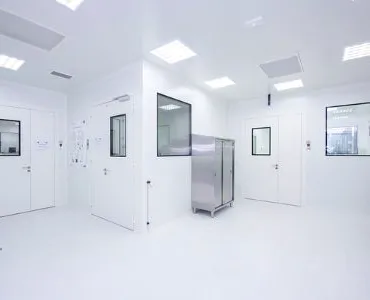
 Step inside any high-output flat panel display plant or precision optics facility and one thing becomes clear very quickly: compressed air is not just a utility — it is a critical process fluid that touches almost every manufacturing step. In cleanrooms producing LCD panels, OLED substrates, anti-reflection-coated lenses, photonic sensors, and waveguide arrays, the quality of that compressed air determines whether a production batch ships on time or ends up as expensive scrap. Even oil contamination at the parts-per-billion (ppb) level — concentrations invisible to the naked eye — is enough to disrupt nanometre-scale optical thin-film deposition, cause adhesion failures in transparent electrode layers, and introduce pinholes that only become visible during final inspection.
The oil-free air compressor has therefore shifted from a premium engineering choice to a non-negotiable production standard across the global display and optics industry. This article draws on over 18 years of hands-on application engineering experience — spanning semiconductor-adjacent optical manufacturing, display panel fab utilities, and precision instrument production — to give UK procurement teams, facilities engineers, and production managers a complete, practically grounded guide to specifying and operating oil-free compressed air systems in these demanding environments.
Whether you are commissioning a new ISO Class 6 cleanroom in the South East, retrofitting an ageing compressor room at an optics site in South Wales, or sourcing a bespoke multi-unit air supply system for a greenfield OLED display pilot line in the Midlands, the information here will give you a clear, confident starting point.
Why Compressed Air Purity Is Non-Negotiable in Optical & Display Manufacturing
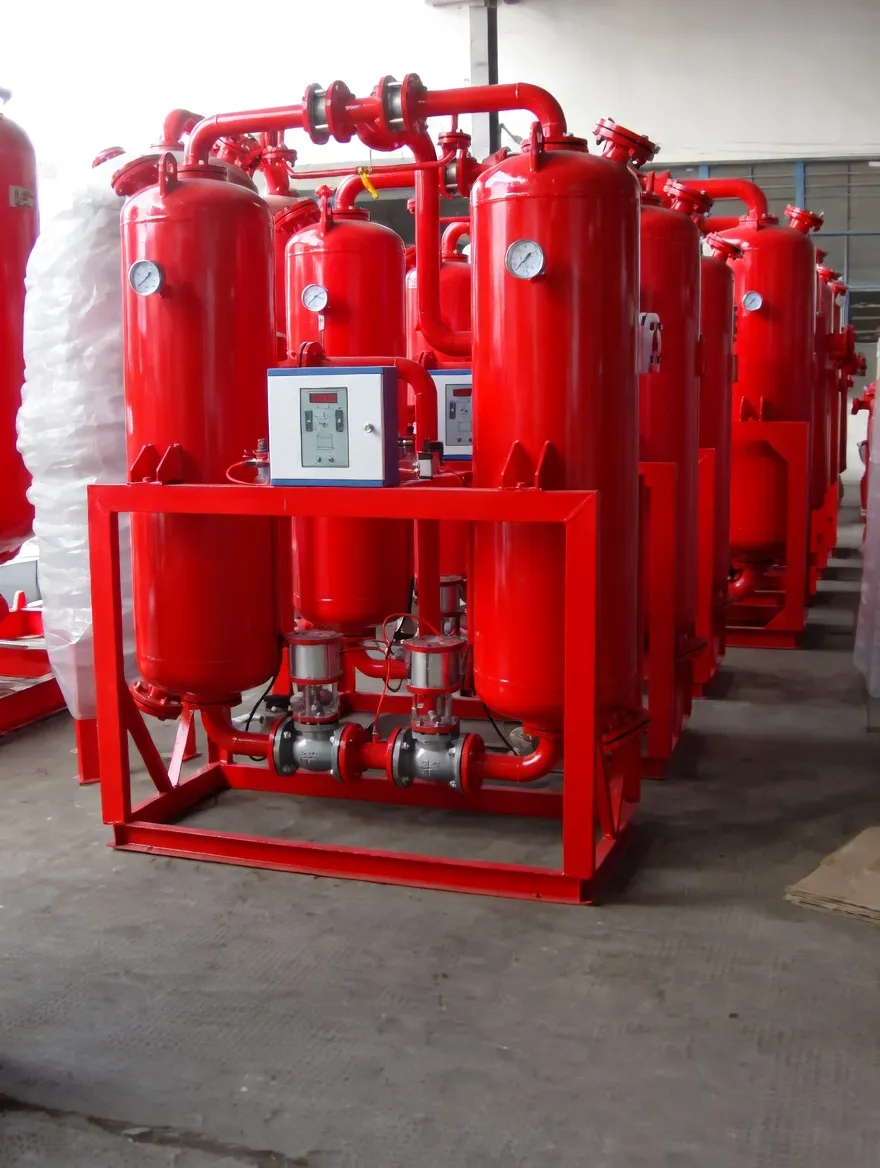 The physics of optical thin-film deposition and semiconductor-grade glass substrate processing leaves almost zero tolerance for hydrocarbon contamination. Anti-reflection (AR) coatings, ITO (indium tin oxide) transparent electrode layers, polarising films, colour filter arrays, and quantum dot enhancement films are applied in vacuum or closely controlled atmosphere chambers at thicknesses measured in single-digit nanometres. A single molecular layer of compressor oil aerosol — even at concentrations as low as 0.001 mg per cubic metre — is more than sufficient to cause adhesion failures, pinholes, localised haze, colour shift, and delamination events that render entire substrate batches unfit for use.
Conventional lubricated rotary screw compressors, even when equipped with high-efficiency multi-stage coalescent filtration, cannot reliably guarantee zero oil carryover across the full operating temperature range. Filter elements saturate. Bypass valves open under thermal load. Cold start cycles allow oil mist to pass before the coalescent media reaches operating efficiency. The ISO 8573-1 compressed air quality standard defines eight oil classes from 0 to 9. Class 1 allows up to 0.01 mg/m³ total oil. ISO Class 0 — achievable only with a true oil-free air compressor — pushes this below 0.001 mg/m³ or better, as agreed between the equipment supplier and the end user.
For display panel fabricators and optical manufacturers across the United Kingdom, ISO Class 0 certification is not a specification upgrade — it is the entry-level requirement. OEM qualification programmes from major automotive HUD module manufacturers, medical device suppliers, and premium consumer electronics brands all explicitly mandate Class 0 compressed air in their supplier process validation documentation. There is no engineering workaround for a lubricated compressor that matches this standard.
The Engineering Behind a True Oil-Free Air Compressor
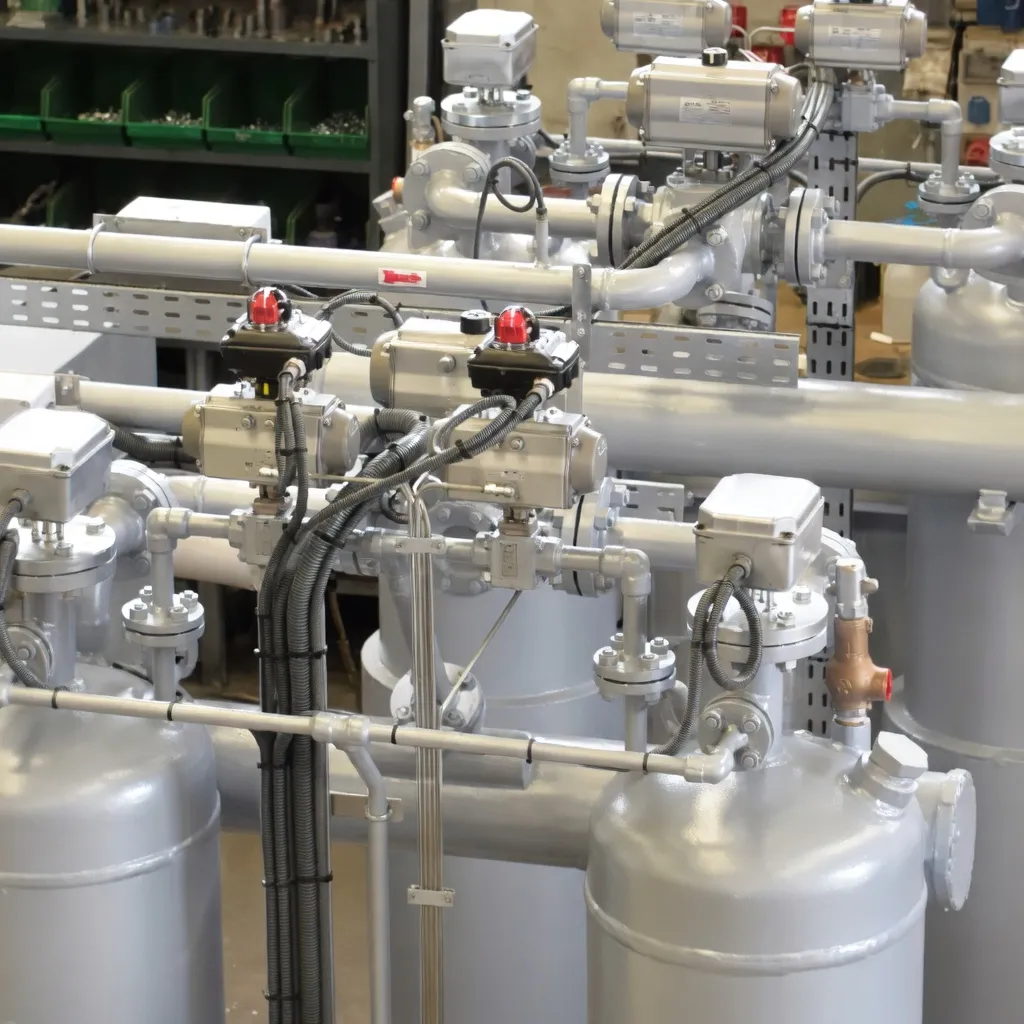 The phrase “oil-free” covers several distinct technologies, and understanding the differences is essential when specifying a system for optical or display applications. Three principal configurations are deployed in high-precision cleanroom facilities globally: oil-free centrifugal compressors, oil-free dry rotary screw compressors, and water-injected scroll or screw compressors. Each has a performance niche, and the right choice depends on required flow rate, site layout, utility connections, and process pressure profile.
An oil-free centrifugal compressor uses high-speed impeller stages — rotating at up to 50,000 RPM — to impart velocity energy to incoming air, which is then converted to pressure in a precision diffuser. There is no sliding metal-to-metal contact in the compression chamber, so no lubrication is needed in the air path at all. Magnetic or aerodynamic air-foil bearings in premium centrifugal units eliminate even the risk of bearing grease migration. These machines are the dominant solution for large-scale continuous flows above 30 m³/min and power the utility air systems of major display panel fabs across Europe, South Korea, and Japan. Several UK-based automotive display supply chain facilities operate centrifugal systems in this class.
Oil-free dry rotary screw compressors use twin PTFE-coated or precision-ground male and female rotor profiles that compress air without any metal-to-metal contact, relying on tight clearances maintained by external gearbox timing. These units are suited to mid-range flow requirements — typically 5 to 30 m³/min — and offer strong part-load efficiency, particularly when equipped with variable speed drive (VSD) inverters. They are the most common choice for small-to-medium UK optics factories, university research cleanrooms, and optical sensor production facilities.
Water-injected oil-free screw and scroll compressors introduce a fine demineralised water mist during the compression stage. The water simultaneously lubricates the rotor clearances, cools the compression process, and absorbs a portion of the moisture load. After compression, the water is fully separated and discharged. The resulting compressed air is completely hydrocarbon-free with a naturally low discharge temperature. Whatever the compression technology selected, the downstream air treatment train is equally critical: a properly sized refrigerant pre-dryer followed by a twin-tower desiccant dryer, submicron particulate filtration, and an activated carbon adsorber will achieve pressure dew points as low as -70°C and total hydrocarbon content below 0.001 mg/m³ at the point of use.
Technical Performance Parameters
| พารามิเตอร์ | Specification Range | Standard / Reference |
|---|---|---|
| Oil Content (Total) | < 0.001 mg/m³ | ISO 8573-1 คลาส 0 |
| Pressure Dew Point | -40°C to -70°C | ISO 8573-1 Class 1–2 |
| Particulate (0.1–0.5 µm) | < 100 particles/m³ | ISO 8573-1 Class 1 |
| Discharge Pressure | 6 bar(g) – 10 bar(g) | Adjustable per process demand |
| Free Air Delivery (FAD) | 2 m³/min – 500 m³/min | ISO 1217 Annex C |
| Specific Energy Ratio (SER) | 5.8 – 7.2 kW per m³/min | Full-load, 7 bar(g) |
| Motor Power Range | 7.5 kW – 355 kW | IE3 / IE4 Premium Efficiency |
| Noise Level | 62 – 75 dB(A) | 1 m free field |
| Ambient Operating Range | 5°C – 45°C | Utility / plant room use |
| Certification & Compliance | CE, PSSR 2000, TÜV | UK & EU Regulatory Compliance |
Six Reasons Leading UK Manufacturers Choose Our Oil-Free Air Compressor Range
Third-Party ISO Class 0 Verification
Every unit ships with an independently verified ISO 8573-1 Class 0 test certificate issued by an accredited laboratory. Total hydrocarbon content is confirmed below 0.001 mg/m³ before despatch, giving your QA team a solid contractual basis and eliminating any ambiguity about the air purity you will receive on-site from day one of operation.
Variable Speed Drive for Up to 35% Energy Savings
Integrated VSD inverter control allows the compressor motor to continuously track real-time air demand rather than cycling on and off at full load. Energy savings of 25–35% over fixed-speed equivalents are routinely achieved in facilities with variable production schedules. For UK sites operating under the Energy Savings Opportunity Scheme (ESOS), these savings directly support both carbon reporting and cost reduction targets.
Extended Maintenance Intervals & Process Uptime
Removing lubrication oil from the compression chamber eliminates oil separator element replacement, coalescing filter saturation, and oil carryover monitoring — the three most common causes of unplanned compressor downtime. Maintenance intervals extend to 4,000–8,000 running hours depending on configuration, and scheduled services can be completed without a full cleanroom shutdown in most installations, protecting your production schedule from costly interruptions.
IoT-Ready Real-Time Process Monitoring
Built-in smart controllers with Modbus RTU, Profibus DP, and optional OPC-UA connectivity allow direct integration into plant SCADA systems and MES platforms. Real-time dashboards display dew point trend, inline oil vapour sensor readings, motor current draw, and service countdown timers — giving process engineers the data visibility demanded by ISO 50001 energy management frameworks and modern production analytics requirements.
Full UK & EU Regulatory Compliance
All systems comply with the UK Pressure Systems Safety Regulations 2000 (PSSR 2000), the Provision and Use of Work Equipment Regulations 1998 (PUWER), and the Machinery Directive (2006/42/EC as retained in UK law). CE marking, Written Schemes of Examination for PSSR, and full Declaration of Conformity documentation are provided as standard, giving UK facilities managers a complete regulatory package for their HSE compliance files.
Bespoke Engineering & System Customisation
From compact single-unit skid packages to multi-compressor ring main networks with N+1 redundancy and automated duty/standby changeover, our engineering team builds systems around your specific air demand profile, cleanroom classification, footprint constraints, and utility connections. Every project starts with a detailed air demand survey — not a catalogue product number — because your facility is not the same as anyone else’s.
Where Oil-Free Compressed Air Is Used in Display & Optical Production
Clean, dry, oil-free compressed air is consumed at nearly every process step in optical component and flat panel display manufacturing. Correctly identifying all the downstream use points — and mapping the air quality requirements of each — is the starting point for accurate system sizing and ensures the specification of the oil-free air compressor is set to the most demanding application in the facility.
💡 Substrate Cleaning & Ionised Blow-Off
Glass panels and polished wafer substrates demand particle-free air jets before every deposition or bonding step. An oil-free air compressor delivering Class 0 air through ionising air bars removes sub-micron contaminants without depositing any organic residue, ensuring substrate surfaces are pristine at the molecular level — a prerequisite for high-adhesion optical coatings.
🤖 Bernoulli & Vacuum Chuck Handling
Non-contact Bernoulli grippers and venturi-vacuum end-effectors used in robotic panel transfer systems generate their holding force from a clean, stable compressed air supply. Any oil contamination in this source air is transferred directly onto the substrate surface. An oil-free air compressor is not a preference here — it is the only technically viable choice for high-value panel handling automation.
⚙️ PVD / CVD Chamber Actuation
Physical and chemical vapour deposition systems operate at base pressures in the millitorr range. The pneumatic actuators, isolation valves, and load-lock mechanisms that control these chambers rely on clean, dry compressed air from the utility ring main. Moisture or hydrocarbon contamination at these control points disrupts chamber vacuum levels and introduces impurities into the deposition target environment.
📷 OCA Lamination & Bonding
Optically clear adhesive (OCA) lamination of cover glass to OLED and LCD display modules is performed under compressed air pressure in bladder or diaphragm presses. Oil contamination of the OCA bond line introduces visible inclusions and triggers long-term delamination. Clean compressed air from an oil-free system with Class 0 certification eliminates this failure mode before a single panel enters production.
🔧 Pneumatic Actuators & Air Curtains
Hundreds of cylinders, rotary actuators, and proportional control valves operate robotic arms, precision stage positioning systems, and cleanroom air curtains in a typical display panel facility. These instruments require clean, dry, oil-free compressed air to avoid actuator seal swelling, control valve stiction, and pressure regulator contamination — failure modes that cause costly production stoppages on high-value panel processing lines.
🔬 Precision Optical Lens & Sensor Finishing
Optical lenses for cameras, LiDAR sensors, endoscopic medical devices, and spectroscopic instruments undergo sequential grinding, polishing, centring, and coating operations. Clean compressed air from an oil-free compressor is used throughout — for swarf evacuation, precision coolant control, and final pre-coat cleaning. A single contaminated lens element in a high-value optical assembly can cause a complete instrument rejection, making the case for oil-free air supply self-evident.
Customer Success Story
Photon Optics Ltd — Bridgend, South Wales, United Kingdom
Eliminating AR Coating Defects at a UK Precision Lens Manufacturer
Photon Optics Ltd — a specialist manufacturer of anti-reflection-coated optical lenses for the UK defence sector and medical imaging OEMs — was experiencing a persistent 6–8% defect rate on coated batches leaving their thin-film deposition line. Visual inspection identified recurring adhesion failures, localised haze patches, and sporadic pinhole clusters in the AR layer stack. Root cause analysis ultimately traced the contamination to residual oil aerosol carryover from their legacy fleet of lubricated rotary screw compressors, which were supplying both the coating chamber purge circuits and the robotic lens-handling end-effectors.
Following a detailed compressed air quality survey and a full process air demand audit, we specified a twin-unit oil-free dry rotary screw compressor installation rated at 22 kW each with VSD inverters, paired with a -40°C pressure dew point twin-tower desiccant dryer train and a point-of-use inline oil vapour monitor logging at 1-minute intervals. The system achieved ISO 8573-1 Class 0 air quality from the first day of production commissioning. Within three production cycles, the coating defect rate fell from 7.2% to below 0.4%. The reduction in substrate scrap alone — at the material cost of high-index optical glass — recovered the full capital investment in under 14 months. Energy consumption also fell by 28% compared with the legacy fixed-speed compressors the system replaced.
What Our Customers Say
“We switched to an oil-free air compressor system for our OLED panel assembly line after persistent quality issues with our previous lubricated units. The difference was immediate — not a single contamination-related reject in the first 3,200 production hours. The on-site commissioning support was thorough and professional throughout.”
James Whitfield
Process Engineering Manager — Cambridge Display Technologies, UK
“The custom-built system matched our cleanroom footprint constraints precisely and arrived with complete ISO 14644 cleanroom validation documentation. The pressure dew point has held rock-solid at -50°C for over two years without interruption. The total cost of ownership is significantly lower than our previous solution — the energy savings alone are substantial.”
Dr. Sarah Okonkwo
Cleanroom Facilities Director — BioLens Optics, Reading, UK
“As a procurement specialist sourcing compressed air equipment for optical sensor manufacturing lines across multiple UK sites, I’ve evaluated dozens of suppliers over the years. The combination of verified Class 0 certification, genuine VSD efficiency figures, responsive UK-based technical support, and genuinely competitive pricing on bespoke orders sets this supplier apart from the field.”
Marcus Hewitt
Senior Procurement Manager — Axiom Photonics Ltd, Edinburgh, UK
Our Manufacturing Capability & Custom Engineering Service
Our production facility operates a fully vertically integrated manufacturing process — from CNC-machined rotor profiles and precision casing components through to assembly, test bed commissioning, and quality inspection — giving us the engineering depth to produce genuinely bespoke oil-free เครื่องอัดอากาศ systems that no catalogue product can match. Unlike distributors who assemble systems from third-party components, our in-house design authority means we can modify rotor geometries, discharge port configurations, and control system architectures to meet application-specific requirements that lie outside the envelope of standard product ranges.
For UK-based optical and display manufacturing clients, our custom engineering service covers the full scope of an oil-free compressed air installation. This includes cleanroom-rated enclosure design with positive pressure HEPA filtration to protect internal components; bespoke ring main pipe sizing calculations for multi-bay production halls; integrated dryer and filtration skids with single-point service access; PLC control panels with BACnet/IP, Profinet, and Ethernet/IP integration options; acoustic attenuator enclosures for sites adjacent to laboratory or office spaces; and complete CE Declaration of Conformity documentation packages for PSSR 2000 compliance from commissioning day one.
Our in-house application engineers work directly alongside your process engineering team during the specification phase. Whether you are expanding an existing ISO Class 7 cleanroom in Bristol, commissioning a new optical sensor fab in Coventry, scaling an OLED display pilot line in Glasgow, or qualifying a compressed air supply for a medical device cleanroom in Cambridge — our team has the practical experience and design flexibility to deliver a system that performs exactly as specified. Minimum order capability extends to single-unit custom builds; production capacity supports multi-unit fleet contracts for large-scale display panel facility rollouts across the UK and internationally.
คำถามที่พบบ่อย
What type of oil-free air compressor is best suited for LCD and OLED display panel manufacturing in the UK, and how do I choose between centrifugal and screw technologies?
For high-volume LCD and OLED display panel manufacturing, oil-free centrifugal compressors are generally preferred where continuous free air delivery exceeds 30 m³/min, as they offer the lowest lifecycle cost at scale and near-zero air-path maintenance. For small to medium-scale UK optical facilities — including science park units and single-bay cleanrooms — oil-free variable-speed dry rotary screw compressors deliver better part-load efficiency and a smaller footprint. Both technologies must be validated to ISO 8573-1 Class 0 for oil. A desiccant dryer achieving a pressure dew point of -40°C or lower should always be specified as part of the downstream treatment train, regardless of compressor type.
How much does an oil-free air compressor cost for optical component manufacturing in the UK, and where can I get a competitive price or quote from a specialist supplier?
The installed cost of an oil-free air compressor system for optical manufacturing in the UK varies considerably depending on flow rate, discharge pressure, and the scope of downstream air treatment required. A mid-range oil-free screw compressor package in the 15–55 kW power band, including desiccant dryer and submicron filtration, typically ranges from £18,000 to £45,000 installed. Larger centrifugal systems for full-scale display panel fabs can exceed £150,000 for the complete utility package. We provide transparent, itemised quotations without hidden charges — contact us at [email protected] with your flow rate, pressure, and air quality requirements, and we will turn around a detailed proposal within 48 hours.
Which ISO standard should I specify for compressed air in a cleanroom used for optical coating and display panel production, and what class is required?
The governing standard is ISO 8573-1, which classifies compressed air quality by three contaminant types: solid particles, water vapour, and total oil content. For optical coating and display panel production, the typical minimum specification is ISO Class 0 for oil (below 0.001 mg/m³ as agreed with the supplier), ISO Class 1 for particles (fewer than 20,000 particles per m³ at 0.1–0.5 µm), and ISO Class 1 or 2 for water vapour (pressure dew point at -40°C or below). UK cleanroom qualification under ISO 14644-1 will also incorporate compressed air purity as a contamination control element in the facility validation documentation.
Where can I find a reliable oil-free air compressor supplier for precision optics factories in Bristol, Birmingham, Edinburgh, or Cambridge in the United Kingdom?
We supply, engineer, and commission oil-free air compressor systems for precision optics factories, display panel facilities, photonic device manufacturers, and medical device cleanrooms across the United Kingdom. Our service coverage includes the Bristol and Bath technology corridor, the Midlands manufacturing belt spanning Birmingham, Coventry, Derby, and Nottingham, the Cambridge and Oxfordshire science park clusters, the M4 corridor between London and South Wales, and central Scotland including Edinburgh and Glasgow. Our engineers conduct on-site air demand surveys and deliver factory-pre-tested skid packages to minimise site commissioning time. Contact us for availability, current lead times, and references from nearby UK installations.
How do I know if my existing compressed air system is the root cause of optical coating defects, and when is the right time to upgrade to an oil-free compressor?
Common indicators that a lubricated compressor is compromising your optical process include recurring unexplained adhesion failures in anti-reflection or conductive oxide coatings, intermittent haze or discolouration patterns that appear randomly across substrate batches, elevated particle counts in cleanroom environmental monitoring that correlate with compressor operating cycles, and visible oil staining or discolouration on point-of-use coalescent filter elements. Formal verification requires an ISO 8573 compliant oil content measurement at the point of use — if results exceed 0.01 mg/m³ (Class 1), an immediate upgrade to a true oil-free air compressor with validated downstream treatment is strongly recommended. Our application engineers offer free compressed air quality surveys at UK optical and display manufacturing sites — reach out to arrange an assessment visit.
Can an oil-free air compressor system be customised for a small UK optical sensor or photonics production facility with limited floor space and a tight capital budget?
Absolutely — compact, space-efficient oil-free air compressor packages for small and medium-sized photonic device and optical sensor manufacturers represent a significant part of our UK project work. We regularly design vertical stacking configurations that combine the compressor, desiccant dryer, filters, and receiver vessel into a single footprint of under 2 m², wall-mounted dryer and filter bank arrangements for sites with no floor area to spare, and acoustically attenuated enclosures for installations directly adjacent to open-plan laboratories or product testing areas. Capital budget phasing — for example, installing the base compressor now with provision for dryer upgrade in a later phase — is something our sales engineers can structure into the proposal. Send us your floor plan dimensions and process air flow requirement, and we will produce a concept layout drawing within 48 hours at no charge.
Ready to Specify the Right Oil-Free Air Compressor for Your Facility?
Our application engineers are ready to review your process requirements, cleanroom classification, and air demand profile — and return a fully costed, itemised proposal within 48 hours. No obligation, no generic catalogue pricing.
[email protected] · Serving UK Optics & Display Manufacturing
แก้ไขโดย gzl