
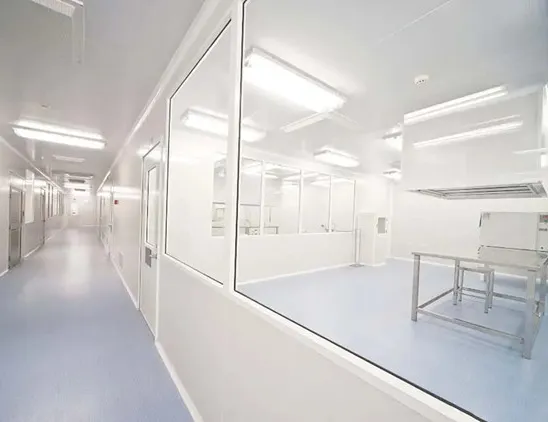
 Fremstillingen af flydende krystaldisplays, OLED-paneler og højpræcisionsoptiske komponenter kræver et niveau af miljøkontrol, som de fleste industrielle miljøer simpelthen ikke kan matche. Inde i et ISO klasse 3 eller klasse 4 renrum er et enkelt luftbårent oliemolekyle - målt i ppm - nok til at kompromittere integriteten af en optisk belægning, introducere en uklarhedsdefekt i et displaysubstrat eller ugyldiggøre et helt parti præcisionslinser. De økonomiske konsekvenser af sådanne kontamineringshændelser, forværret af de stramme produktionsvinduer, der er typiske for britiske display- og optikfaciliteter, gør trykluftkvalitet ikke en bekvemmelighed, men en produktionskritisk variabel.
Trykluft anvendes i alle produktionslinjer for optiske paneler og displaypaneler – fra de pneumatiske substratoverføringsarme og sugekophåndteringssystemer, der flytter skrøbelige glaspaneler uden fysisk kontakt, til højtryksblæsedyserne, der bruges til at rense partikler fra overflader før hver belægningsgennemgang, og instrumentluften, der forsyner automatiseret optisk inspektionsudstyr. Hvert af disse berøringspunkter er en potentiel kontamineringsvej. Når luftforsyningen bærer selv spor af kulbrinteoliedamp, er konsekvenserne usynlige, indtil de bliver irreversible.
Denne vejledning undersøger argumenterne for oliefri luftkompressorer i produktionsmiljøer med optiske paneler og displaypaneler, forklarer de tekniske principper bag moderne klasse 0-kompressorteknologi og hjælper britiske indkøbs- og anlægsingeniørteams med at forstå, hvad de skal kigge efter, når de specificerer et trykluftsystem til deres renrumsdrift.
Tal direkte med vores applikationsingeniører – svar inden for én hverdag.
Den usynlige trussel: Hvorfor olieforurening på ppb-niveau ødelægger optisk produktionsudbytte
At forstå kontamineringsmekanismen er det første skridt til at eliminere den
 Forholdet mellem trykluftens renhed og optiske produktkvalitet er ikke lineært – det er katastrofalt i marginalerne. En standard smurt skruekompressor vil, selv når den er udstyret med tre trin af downstream-filtrering, under visse betingelser lade kulbrinteolie-aerosoler og -dampe i koncentrationer mellem 0,003 og 0,1 mg/m³ passere ind i det downstream-luftkredsløb. Til generelle industrielle anvendelser er dette fuldt ud acceptabelt. For et optisk tyndfilmsaflejringskammer, der opererer med tolerancer på submikron, repræsenterer det en procesødelæggende kontamineringshændelse.
Oliedamp kondenserer på afkølede glassubstrater under sputteringforberedelsen og danner usynlige kulbrintelag, der forstyrrer vedhæftningen af antireflekterende, antirefleksbeskyttende og bølgelængdeselektive belægninger. På LCD- og OLED-substrater forstyrrer selv et enkelt lag af oliekontaminering justeringen af flydende krystalpolymerer og organiske emittermaterialer, hvilket resulterer i pixeluensartethed, reducerede kontrastforhold og accelereret luminansforfald. Optiske sensor- og kameramodullinser, der er belagt i kontaminerede renrum, viser øget spredt lys - en fejl, der kun kan detekteres efter den endelige samling med maksimale omarbejdningsomkostninger.
⚠ Branchedatapunkt
Data fra renrumsrevisioner fra britiske optikproducenter viser, at forurening med trykluftolie er ansvarlig for op til 34% af uforklarlige fejl i belægningsadhæsion – fejl, der typisk tilskrives substratforberedelse eller proceskemi, indtil luftkvaliteten testes.
Løsningen er i princippet ligetil: fjern olie helt fra kompressorteknologien. Oliefri kompressorer – uanset om det er centrifugal- eller skruekompressorer – eliminerer forureningskilden i stedet for at forsøge at filtrere den nedstrøms. Resultatet er en garanteret, målbar og dokumenterbar luftrenhedsstandard, som ingen oliefyldt kompressor, uanset hvor godt filtreret, pålideligt kan leve op til på tværs af alle driftsforhold og filterservicecyklusser.
Ingeniørprincipper: Hvordan oliefri kompressorer opnår renhed i klasse 0
To gennemprøvede teknologier, der begge leverer oliefri trykluft til de mest krævende renrumsapplikationer
Oliefri skruekompressorer
Oliefri skruekompressorer bruger et par præcisionsbearbejdede spiralformede rotorer – typisk belagt med PTFE (polytetrafluorethylen) eller et vandindsprøjtningssystem – der komprimerer luft uden kontakt mellem metaloverflader. Kompressionskammeret er fysisk isoleret fra leje- og gearkassesmørekredsløb af en række labyrinttætninger og trykluftsystemer. Denne mekaniske adskillelse sikrer, at ingen olie kan trænge ind i trykluftbanen under nogen driftsforhold.
Moderne oliefri skruekompressorer opererer i et flowområde på cirka 1 til 30 m³/min ved tryk fra 6 til 13 bar, hvilket gør dem til det foretrukne valg til mellemstore renrum til optiske paneler og displaypaneler. Deres variable hastighedsdrev (VSD) muliggør præcis flowtilpasning til behovet, hvilket reducerer energiforbruget med op til 35% sammenlignet med tilsvarende kompressorer med fast hastighed – en betydelig faktor i betragtning af den kontinuerlige 24/7-drift, der er typisk for displayproduktionslinjer.
Oliefri centrifugalkompressorer
Centrifugalkompressorer komprimerer luft dynamisk ved hjælp af den kinetiske energi fra højhastighedsløbehjul (der roterer med 20.000-80.000 o/min) til at accelerere og derefter decelerere luftstrømmen og omdanne hastighed til tryk. Fordi kompression opnås gennem fluiddynamik snarere end positiv forskydning, er der ingen kontakt mellem bevægelige komponenter i luftbanen, og oliebaseret smøring er helt fraværende i kompressionstrinnet. Resultatet er i sagens natur oliefri output på klasse 0-niveauer.
Disse systemer er arbejdshesten i storstilet fremstilling af LCD-glaspaneler og halvlederrenrum, og de er i stand til at levere flow på over 100 m³/min med exceptionel effektivitet. Deres kontinuerlige, pulsfri lufttilførsel er især værdsat i sputtering- og kemisk dampaflejringsprocesser (CVD), hvor trykudsving kan forstyrre belægningens ensartethed. Fraværet af slidende kompressionselementer betyder også lavere vedligeholdelsesomkostninger sammenlignet med smurte skruealternativer.
🔔 Tørringssystemet: Den anden halvdel af ligningen
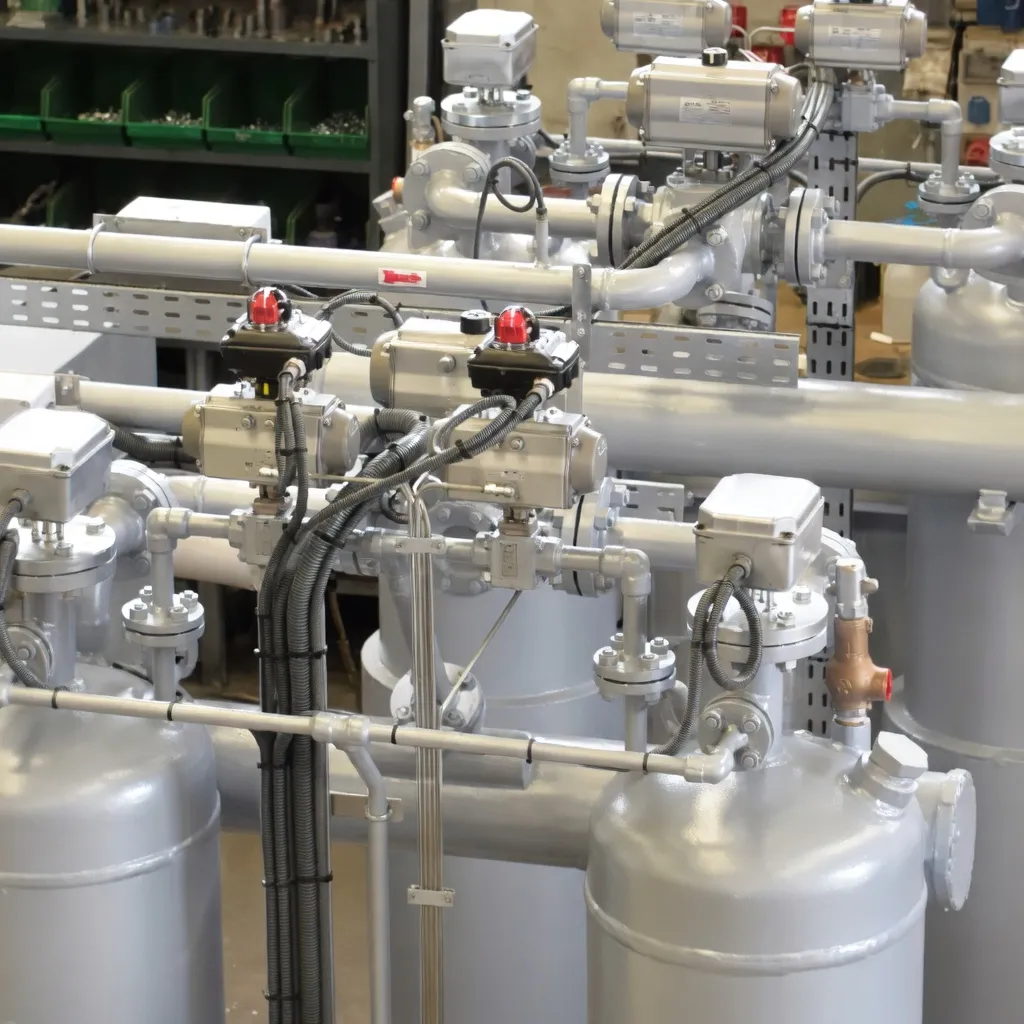
En oliefri kompressor alene er nødvendig, men ikke tilstrækkelig til trykluft af renrumskvalitet. Atmosfærisk luft, der suges ind i kompressorens indtag, indeholder vanddamp, som ved kompression bliver til flydende kondensat - en bærer for mikropartikler og mikrobiel kontaminering. Optiske produktionslinjer til renrum kræver trykluft med et trykdugpunkt på -40 °C eller lavere (ISO 8573-1 Klasse 2 fugt) for at forhindre kondens i pneumatiske ledninger og ved dysepunkter. Adsorptionstørrere, der bruger aktiveret aluminiumoxid eller molekylsigtemedier, er standardteknologien til at opnå dette og er specificeret som en integreret pakke med alle Ever Power renrumskompressorsystemer. Regenerative kompressionsvarmetørrere (HOC), der bruger selve kompressionens termiske energi til at regenerere tørremidlet, er også tilgængelige til energioptimerede installationer.
Tekniske specifikationer og ydeevnedata
Ever Power Cleanroom-serien — Oliefri skruekompressorserie (repræsentative modeller)
* Alle modeller CE-mærket. Dugpunktsydelse opnået med integreret tørremiddelpakke. VSD-modeller inkluderer energigenvindingsmulighed. Tilpassede tryk- og flowkonfigurationer er tilgængelige på forespørgsel.
Hvor oliefri trykluft gør forskellen: Vigtige anvendelsesscenarier
Seks kritiske procesfaser, hvor trykluftens renhed direkte bestemmer produktkvaliteten
Rengøring og afblæsning af underlagsoverflader
Trykluftsudblæsningsdyser fjerner submikronpartikler fra glassubstrater før hver aflejringscyklus. Enhver olietåge i luftstrømmen aflejres direkte på den rengjorte overflade og eliminerer dermed rengøringstrinnet fuldstændigt. Klasse 0-luft sikrer, at udblæsningsprocessen opnår det tilsigtede resultat.
Pneumatiske substrathåndterings- og overførselsarme
Vakuumsugekopper og pneumatiske endeeffektorer, der håndterer bart LCD-glas eller OLED-modersubstrater, kræver oliefri luft for at forhindre overførsel af kontaminering ved hver pick-and-place-operation. Selv kortvarig kontakt mellem en olieforurenet sugekop og et displaysubstrat kan forårsage permanente klæbemærker, der først opstår efter den endelige laminering.
Tyndfilmssputtering og PVD-forberedelse
Fysisk dampaflejringskamre (PVD), der bruges til at påføre ITO (indiumtinoxid) og metalelektrodelag, kræver udrensningsgasledninger for at opretholde kontrolleret atmosfære under substratpåfyldning. Oliedamp, der indføres via udrensningsledninger, forurener aflejringskammerets væg og målmaterialet, hvilket nedbryder filmens støkiometri og kræver dyre kammerrengøringscyklusser.
Centrerings- og monteringsbeslag til optiske linser
I fremstillingen af optiske linser er luftlejespindler og pneumatiske linsecentreringsanordninger afhængige af ultra-ren trykluft for at opretholde justeringsnøjagtighed på mikronniveau. Olieforurening i luftlejegabet øger friktionen uforudsigeligt, hvilket introducerer hældningsfejl, der spreder sig gennem hele den optiske enhed og kræver dyr justering efter belægning.
Optisk inspektions- og måleudstyr
Automatiserede optiske inspektionssystemer (AOI) og interferometriske måleværktøjer renses med ren, tør luft for at forhindre kondens på værdifulde optiske referenceelementer og CCD-sensorer. Forurenet luft forårsager gradvis forringelse af instrumentnøjagtigheden, hvilket introducerer falsk-positive defektopkald og undergraver målesporbarheden – begge alvorlige bekymringer for britiske faciliteter, der opererer under BS EN ISO-kvalitetsrammer.
Renrums HVAC og pneumatiske dørtætninger
Trykluft bruges også i selve renrumsinfrastrukturen – oppustelige dørtætninger, luftgardinsystemer og pneumatiske låse, der opretholder differenstryk mellem renrumskvaliteter. Olieforurenet luft i disse systemer nedbryder elastomere tætningsmaterialer, forkorter levetiden og kan introducere afgasning af flygtige organiske forbindelser (VOC) i renrumsmiljøet – en særlig bekymring for optiske belægningskemier.
Materialer, konstruktion og industricertificeringer
Kompressionselementerne i Ever Power oliefri skruekompressorer er bearbejdet af støbejernshuse af høj kvalitet med rotorprofiler, der er præcisionsslebet til tolerancer på ±2 mikrometer. Rotoroverfladerne er belagt med et proprietært PTFE-kompositlag, der giver lavfriktionsdrift, dimensionsstabilitet i hele driftstemperaturområdet og fuldstændig kemisk inertitet over for alle standard procesgasser og rengøringsmidler til renrum. Fraværet af oliebaseret smøremiddel i kompressionskammeret er en naturlig del af designet – det opnås ikke ved filtrering og kan ikke opvejes af en vedligeholdelsesfejl eller filterfejl.
Indvendige luftveje er konstrueret af 316L rustfrit stål eller elektropoleret aluminiumlegering, begge materialer med overfladeruhedsværdier på Ra ≤0,4 µm, der minimerer partikeladhæsion og forenkler interne validerings- og rengøringsprocedurer. Alle våde elastomerer og pakningsmaterialer er udvalgt for kompatibilitet med ISO klasse 5 renrumskemi ved hjælp af EPDM- eller Viton-formuleringer, der opfylder udgasningsstandarder i henhold til ASTM E595.
Hver enhed i Ever Power Cleanroom-serien er tredjepartscertificeret i henhold til ISO 8573-1 Klasse 0 for totalt olieindhold, udstedt af TÜV Rheinland. CE-mærkningen bekræfter overholdelse af det europæiske maskindirektiv 2006/42/EF og trykudstyrsdirektivet (PED) 2014/68/EU - begge direktiver, der fortsat er vedtaget i britisk lovgivning efter Brexit under den bevarede EU-lovgivning, med UKCA-mærkning kun tilgængelig for levering i Storbritannien.
✅ Certificeringer og standarder
- ✓ ISO 8573-1 Klasse 0 (Olieindhold)
- ✓ BS EN ISO 14644-1 Klar til renrum
- ✓ CE- og UKCA-mærket
- ✓ TÜV Rheinland tredjepartscertificeret
- ✓ Overholder PED 2014/68/EU
- ✓ IE3 / IE4 Motoreffektivitetsklasse
- ✓ ATEX Zone 2-mulighed tilgængelig
BRUG FOR DOKUMENTATION FOR TILBYDERCERTIFICERING?
Vi tilbyder komplette materialedatablade, FAT-rapporter og valideringspakker til renrum til alle systemer.
Betjener den britiske sektor for optik og displayproduktion
Fra Cambridge-forskerparker til skotske præcisionsoptikklynger — pålidelige trykluftløsninger til britiske producenter
Storbritannien er vært for en betydelig og voksende klynge af optiske og display-tilstødende produktionsvirksomheder, der spænder over producenter af medicinsk billeddannelsesudstyr i Thames Valley og det sydøstlige England, specialister i præcisionsoptik, der betjener kunder inden for luftfart og forsvar i Bristol-Bath-korridoren, universitets-spin-out fotonikproducenter i Cambridge og Oxford, og displayteknologiintegratorer, der understøtter HMI-sektoren for bilindustrien i Midlands. Hvert af disse faciliteter opererer under forskellige produktionsskalaer og renrumsklassifikationer, men deler ét fælles krav: en verificeret, auditerbar, oliefri trykluftforsyning.
Britiske renrumsstandarder er underlagt BS EN ISO 14644, som afspejler den internationale ISO-standard og klassificerer renrum fra ISO-klasse 1 (det reneste, partikelantal ≤10/m³ ved 0,1 µm) til ISO-klasse 9. Størstedelen af produktionsmiljøer til optisk belægning og displaypaneler opererer inden for ISO-klasse 4 til klasse 6-intervaller, hvor det samlede partikelantal kontrolleres nøje, og enhver procesintroduceret kontamineringskilde - herunder trykluft - skal valideres og dokumenteres som en del af anlæggets kontamineringskontrolstrategi (CCS) i henhold til de relevante sektorstandarder.
Lager i Storbritannien og hurtig levering
Standardmodeller er tilgængelige fra britiske forhandlere med levering inden for 2-4 uger til enhver fabrik på det britiske fastland.
Britisk-baseret serviceteam
Serviceteknikere er tilgængelige i hele England, Skotland og Wales til installation, idriftsættelse og PPM-kontrakter.
UKCA-dokumentation
Fuld UKCA-mærkning, overholdelse af UK PSSR 2000 og dokumentation for britiske standarder leveres med hver enhed.
GBP-priser tilgængelige
Alle tilbud er udstedt i britiske pund med momsbehandling i Storbritannien. Finansiering og leasingmuligheder er tilgængelige gennem britiske partnere.
Kundesucceshistorier
Resultater fra den virkelige verden fra producenter af optiske produkter og displays, der standardiserede Ever Power oliefri systemer
HMI-displayintegrator til bilindustrien i Storbritannien — Midlands, England
Montering af displaypanel | ISO klasse 5 renrum | 3 × EP-OF 55 VSD-enheder installeret
En producent med base i Midlands, der leverer buede OLED-displaymoduler til tre store europæiske bilproducenter, oplevede en gennemsnitlig defektrate på 4,7% ved den endelige optiske inspektion – primært manifesterende som disbånd og uensartethed på pixelniveau på tværs af displaycentret. Interne kvalitetsundersøgelser havde udelukket substratkilde, lamineringsudstyr i renrum og proceskemi som grundlæggende årsager over en atten måneders undersøgelsesperiode. Luftkvalitetstest, udført som en del af en trykluftrevision bestilt efter en konsulentanbefaling, afslørede et samlet kulbrinteindhold ved brugspunktsdyser på 0,038 mg/m³ – et godt stykke over den acceptable tærskelværdi for håndtering af OLED-substrater.
Tre EP-OF 55 VSD oliefri skruekompressorenheder blev installeret i en parallel ringkonfiguration, der erstattede to aldrende oliefyldte roterende skruekompressorer med tretrins downstream-filtrering. Integrerede adsorptionstørrere, der leverede et trykdugpunkt på -40 °C, blev inkluderet. Validering af luftkvaliteten efter installationen bekræftede et samlet olieindhold på 0,000 mg/m³ på tværs af alle 24 teststeder på brugsstedet.
Inden for otte uger efter idriftsættelsen faldt anlæggets afvisningsrate for optisk inspektion fra 4,7% til 0,6% – en reduktion på 87%. De årlige besparelser på omarbejdning og skrot blev beregnet til £620.000, hvilket gav et fuldt afkast af kapitalinvesteringen inden for elleve måneder. Anlægget er siden udvidet med en fjerde EP-OF 55-enhed for at understøtte en ny OLED-modulproduktionslinje.
Vigtigste resultater
"Vi har kørt Ever Power oliefri enheder i vores renrum i Cambridge Photonics i tre år nu. Den ensartede luftkvalitet er simpelthen ikke noget, vi behøver at tænke på længere – systemerne kører 24/7 uden overraskelser. Teamet var yderst kyndige omkring vores specifikke proceskrav i designfasen, hvilket gav os tillid, før vi forpligtede os."
— Chef for facilitetsteknik
Producent af fotoniske sensorer, Cambridge, Storbritannien
"Det, jeg sætter mest pris på, er dokumentationspakken. For vores ISO 13485-regulerede medicinske billeddannelsesoptiklinje har vi brug for fuld sporbarhed på alle kritiske forsyningsanlæg. Ever Power leverede en komplet FAT-rapport, materialecertifikater og TÜV-olieindholdscertificering, som vores kvalitetsteam godkendte uden anmodninger om yderligere oplysninger. Det er sjældent efter min erfaring."
— Leder af procesteknik
Producent af medicinsk optisk udstyr, Surrey, England
"Vi evaluerede fire leverandører, før vi valgte Ever Power til vores skotske AR-linsebelægningsanlæg. Den afgørende faktor var deres villighed til at konstruere et skræddersyet skidlayout, der passede til vores eksisterende anlægsrum – med en breddebegrænset til 900 mm mellem søjlerne. Andre leverandører gav os en katalogvare og et skuldertræk. Ever Power gav os en skræddersyet løsning, der passede perfekt og blev leveret til tiden."
— Fabrikdirektør
Producent af optiske AR-linser, Edinburgh, Skotland
Specialfremstillet ingeniør- og produktionskapacitet
Ingen to renrumsfaciliteter er ens – vores løsninger bør heller ikke være det.
Ever Powers produktionsanlæg driver en dedikeret specialudviklet afdeling, der håndterer ikke-standardiserede kompressorkonfigurationer fra det indledende koncept til fabriksgodkendelsestest (FAT). Denne kapacitet er især værdsat i den optiske og displayfremstillingssektor, hvor pladsbegrænsninger, specifikke strømforsyningskonfigurationer, integration med bygningsstyringssystemer (BMS) og behovet for skræddersyede valideringsdokumentationspakker gør standardløsninger utilstrækkelige.
Specialprojekter, vi har konstrueret for britiske og internationale renrumskunder, omfatter: smalprofilerede medermonterede systemer til eftermontering i eksisterende fabriksrum, vibrationssvage bundrammedesigns til faciliteter, hvor seismisk isolering er påkrævet for følsomt metrologiudstyr, redundante parallelle duty/standby-konfigurationer med automatisk omskiftning til 99.99% oppetidssikring, integreret SCADA-forbindelse med OPC-UA-protokol til Industri 4.0-anlægsovervågning og specielle systemer til verifikation af trykluftrenhed med kontinuerlig online oliedampovervågning og automatisk nedlukning ved tærskelværdioverskridelse.
Hvis din optiske komponent eller dit displaypanel har et krav, som standardkatalogprodukter ikke kan opfylde, vil vores applikationsingeniører gerne høre fra dig. Vi arbejder med anlægsteams i den tidligste designfase af nye renrumsbyggerier og eftermonteringer og kan tilbyde pre-FEED (pre-front-end engineering and design) rådgivning uden beregning til kvalificerede projekter. Målet er en specifikation for trykluftsystemet, der er korrekt dimensioneret til din behovsprofil, fremtidssikret til produktionsudvidelse og leverer den luftkvalitetsstandard, dine processer kræver – uden at overforbruge på kapacitet, du ikke har brug for i dag.
🔧 Vores brugerdefinerede muligheder
- ✦ Skræddersyede medermål og -layout
- ✦ Ikke-standard spænding og frekvens
- ✦ Integrerede tørretumbler- og filterpakker
- ✦ Redundante drifts-/standbysystemer
- ✦ SCADA / BMS / OPC-UA-integration
- ✦ Online oliedampovervågning
- ✦ Fabriksgodkendelsestest (FAT)
- ✦ Fuld dokumentation for validering af renrum
- ✦ ATEX / lavtemperaturvarianter
Ofte stillede spørgsmål
Svar på de spørgsmål, som britiske producenter af optiske apparater og displays stiller oftest
Klar til at sikre luftrenhed i klasse 0 til dit renrum?
Tal med en applikationsingeniør, der kender forskellen på en substrat-blæsedyse og en sputterkammer-renselinje. Vi hjælper dig med at specificere præcis, hvad din optiske fremstillingsproces har brug for – hverken mere eller mindre.
✉ Få en gratis ingeniørkonsultation
[email protected] | Svar inden for 1 hverdag | Projekter i Storbritannien og internationalt er velkomne
© Ever Power Compressor Technology. Alle produktspecifikationer kan ændres. ISO 8573-1 Klasse 0-certificering verificeret af TÜV Rheinland. For projektforespørgsler: sales@luftkompressor-til-laserskærer.com | redigeret af gzl