
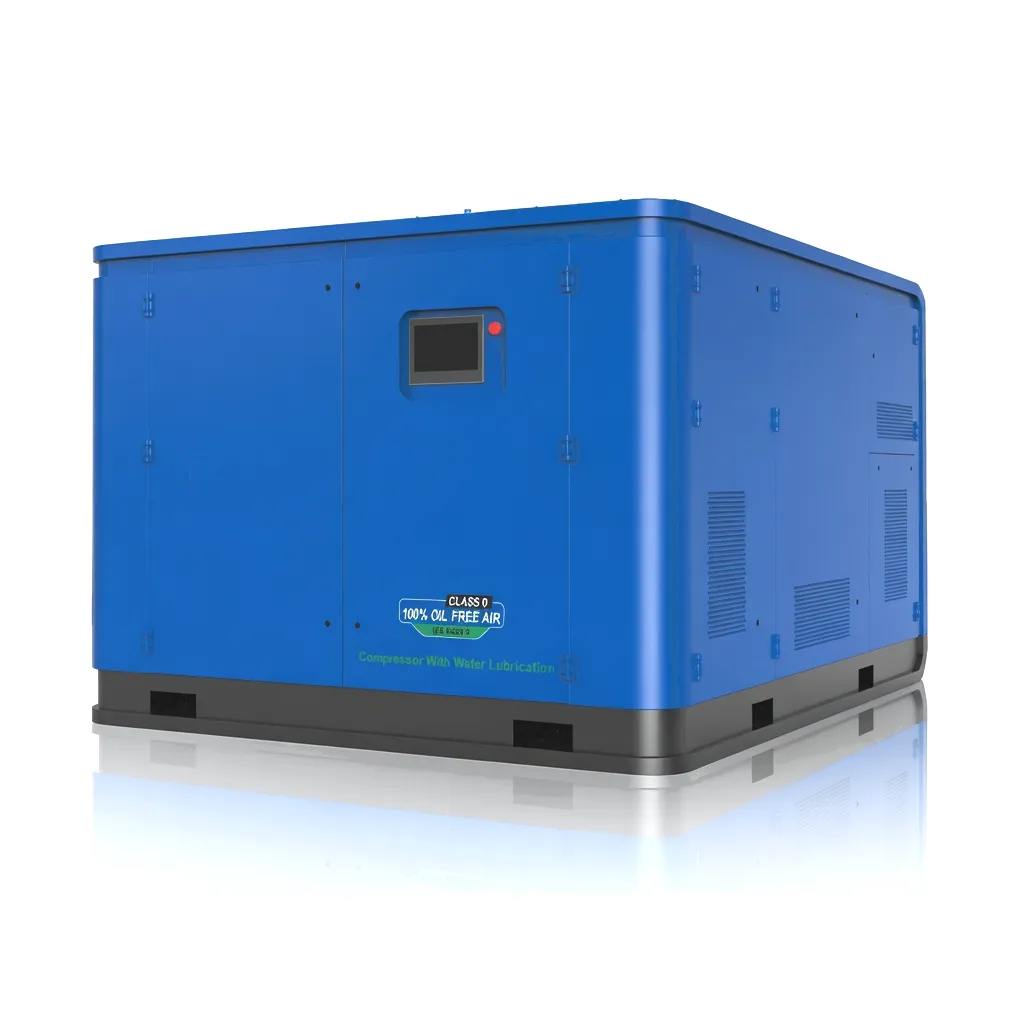
 Compressed air is often called the fourth utility in British manufacturing — standing alongside electricity, gas, and water as an indispensable resource powering everything from Sheffield’s precision engineering workshops to Birmingham’s automotive component lines. Yet despite this ubiquity, the air compressor system itself is frequently underspecified, misapplied, or run at efficiencies far below their engineered potential. The consequences range from excessive energy bills and premature wear to production stoppages that cost thousands of pounds per hour.
This guide is written for UK engineering managers, procurement leads, and plant engineers who need rigorous, unvarnished technical information. Whether you are upgrading an ageing reciprocating plant in a West Midlands fabrication shop, specifying a new rotary screw system for a pharmaceutical clean-room in Cambridge, or evaluating variable frequency drive (VFD) technology for a food processing facility in Yorkshire, the content here will give you the structural knowledge and comparative data to make confident decisions. The figures quoted reflect real-world operating conditions in UK industrial environments, not laboratory-grade ideals.
Working Principle: How Industrial Air Compressors Generate and Store Pressurised Air
At its core, an air compressor converts mechanical energy — delivered by an electric motor or, in remote applications, a diesel engine — into potential energy stored in compressed air. The physics are governed by the ideal gas laws: as volume decreases under the action of a compressing element, pressure rises proportionally. However, real-world compression is never perfectly isothermal; heat of compression must be managed aggressively, which is why the cooling system architecture is every bit as critical as the compressor element itself.
Rotary screw compressors — the dominant technology in UK industrial facilities above 7.5 kW — achieve compression through two helical rotors meshing together inside a precisely machined housing. The male rotor, driven directly or via a coupling, intermeshes with the female rotor. As the rotors turn, air is drawn in at the inlet, trapped between the lobes and the casing, and progressively squeezed toward the discharge port. Oil-injected variants bathe this process in a continuous oil film that simultaneously lubricates the rotors, seals internal clearances (tolerances as fine as 5–10 µm), and removes the heat generated by compression before it can cause thermal damage. The oil-air mixture is then separated in a high-efficiency coalescing separator, typically removing oil to residual levels of 2–3 mg/m³ before the downstream filtration train reduces this further.
In oil-free screw compressors — specified for pharmaceutical, food-grade, and electronics applications across the UK — the rotors operate with micron-level clearances maintained by precision timing gears, with no lubricant entering the air path. Two-stage oil-free machines achieve outlet temperatures low enough to negate the need for an intercooler bypass, while PTFE-coated or specialised-alloy rotors resist wear without lubrication. Reciprocating (piston) compressors, though declining in new installations, remain relevant for intermittent duty in small workshops from Cornwall to Aberdeen — their key advantage being simplicity and repairability with standard engineering tools.
Variable Frequency Drive (VFD) control overlays an inverter between the mains supply and the motor, allowing compressor speed to track air demand in real time rather than cycling wastefully between full load and unloaded running. In the highly variable demand profiles typical of UK manufacturing shifts — where air consumption during a production lull might be 30% of peak — VFD technology routinely delivers energy savings of 25–40% versus fixed-speed alternatives, translating directly into measurable reductions in carbon intensity against UK Net Zero commitments.
Core Materials in Air Compressor Construction: What Separates Premium from Adequate
● Rotor Alloys
High-strength ductile iron (GGG-40 grade) and aluminium alloy rotors are standard in mid-range units. Premium industrial compressors use case-hardened alloy steel (e.g., 18CrNiMo7-6) with surface hardness in the region of 58–62 HRC, providing resistance to micropitting and extending service life well beyond 80,000 hours under continuous duty.
● Compressor Housings
Cast iron (EN-GJL-250) remains the preferred housing material for its vibration-damping properties and dimensional stability across temperature cycles. For portable and lightweight installations — common in UK construction sites and temporary industrial set-ups — die-cast aluminium alloy housings save significant weight while maintaining pressure ratings up to 13 bar.
● Receiver Tanks
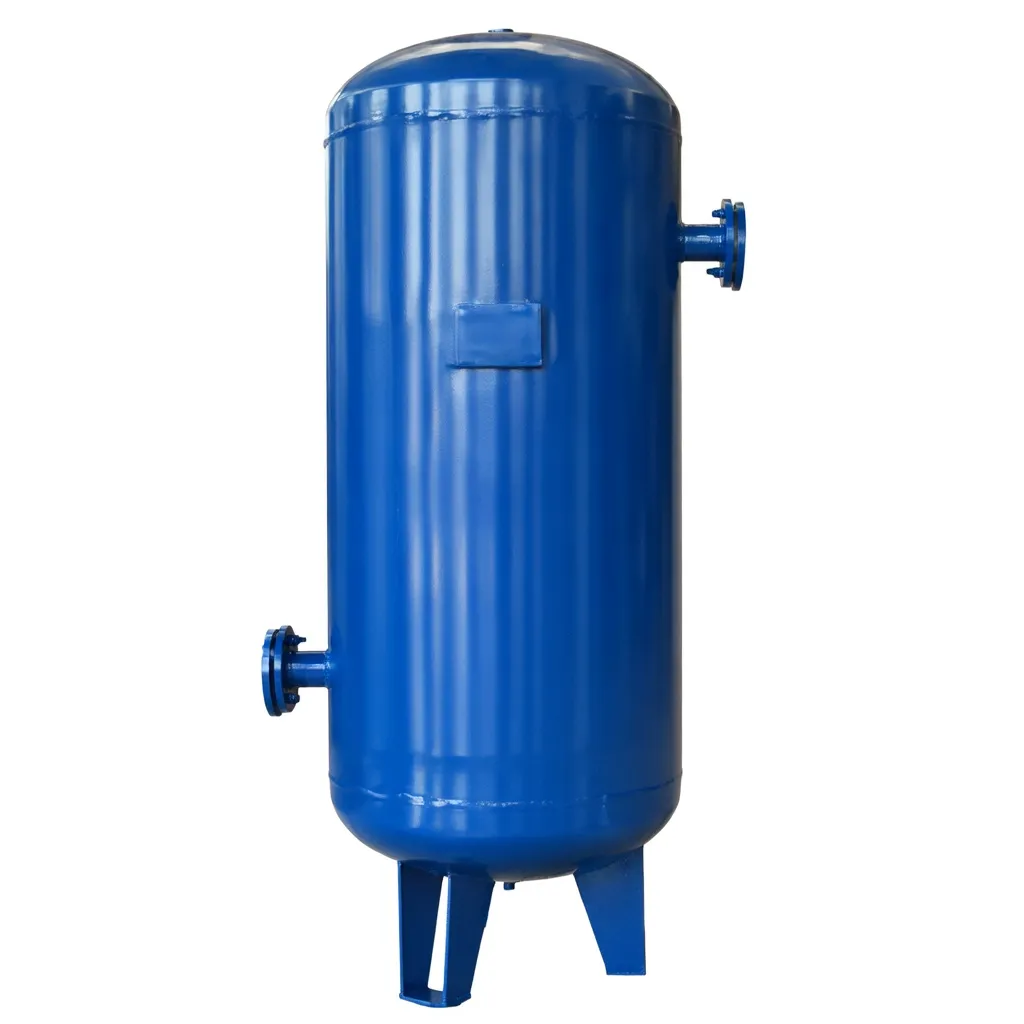
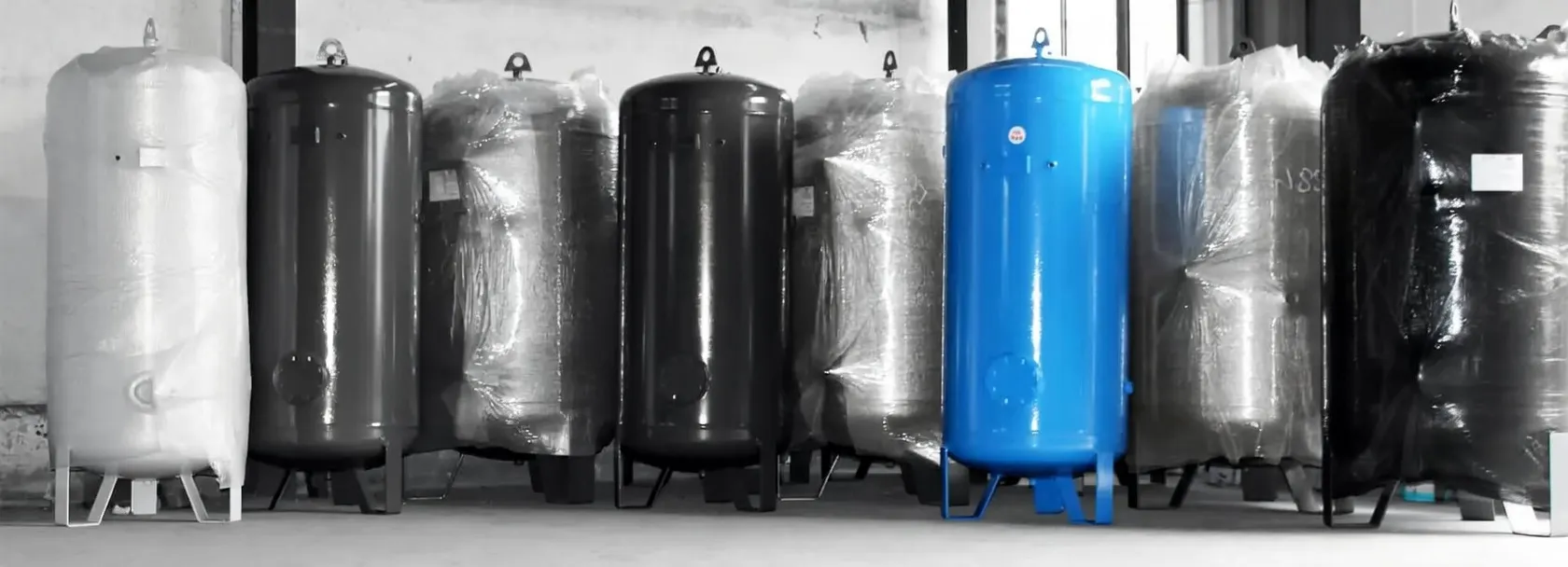
Pressure vessels in UK installations must comply with the Pressure Equipment (Safety) Regulations 2016 (PESR) and carry CE/UKCA markings. Carbon steel tanks with internal epoxy lining are standard; stainless steel Grade 304 or 316 receivers are specified for food, pharmaceutical, and highly corrosive environments where any contamination risk is unacceptable.
● Seals and Bearings
Shaft seals in oil-injected screw compressors typically use PTFE-lip or mechanical carbon face designs. Main bearings are angular contact ball bearings (for thrust loads) combined with cylindrical roller bearings — sourced to ABEC-5 precision class — with grease or forced oil lubrication depending on duty severity.
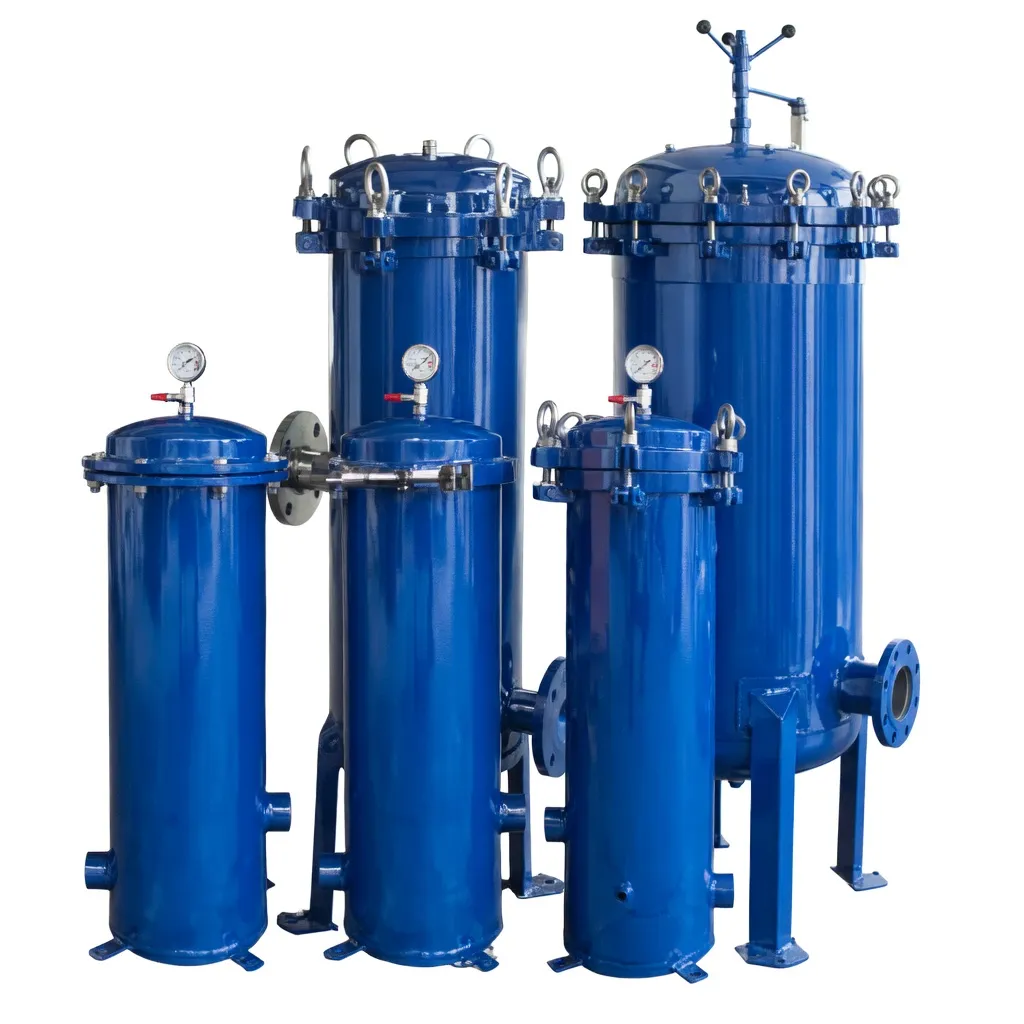
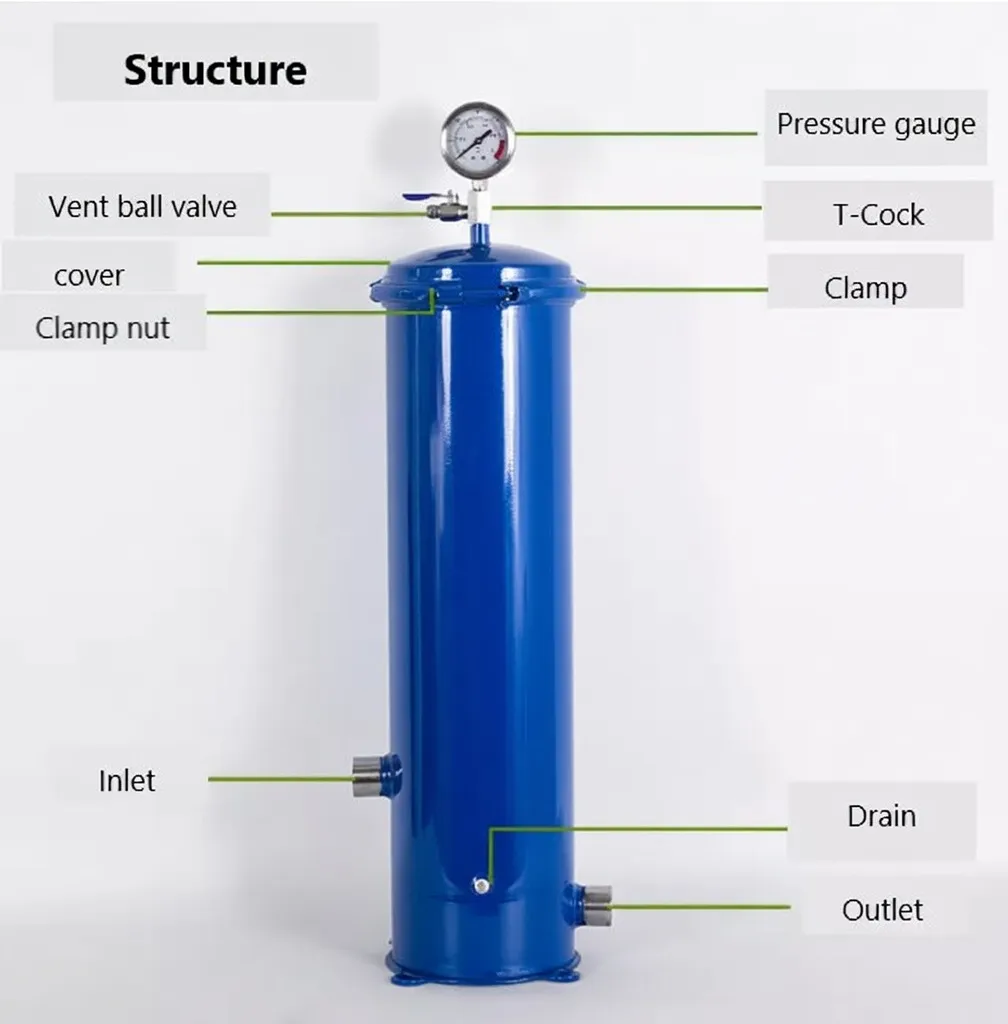
Stainless steel precision filters — the kind used in downstream air treatment — employ borosilicate glass microfibre media housed in 316L stainless bodies, providing both chemical resistance and the dimensional stability needed to hold filtration integrity down to 0.01 µm across the full operating pressure range. This matters acutely in UK laser cutting operations, where water aerosol or oil mist contamination of the beam path causes immediate quality failures and expensive optic damage.
Key Technical Advantages: Why Modern Rotary Screw and VFD Air Compressors Outperform Legacy Systems
The engineering community across the UK has, over the past decade, shifted decisively away from oil-lubricated piston compressors in favour of rotary screw technology with integrated VFD control. This transition is not driven by fashion but by quantifiable operational and financial outcomes. Energy accounts for approximately 70–80% of a compressor’s total lifetime cost, which means even modest improvements in specific power (kW per m³/min of free air delivery) compound dramatically over a 10-to-15-year asset life.
Modern integrated permanent magnet (iPM) motor designs — now appearing in upper-tier rotary screw packages from serious manufacturers — deliver motor efficiencies exceeding IE4 classification, pushing overall unit specific power below 6.5 kW/(m³/min) at 7 bar in the 18–75 kW power range. For a Sheffield fabricator running 6,000 hours per year at average 60% load, this improvement over an IE2-motored fixed-speed machine can represent annual electricity savings of £8,000–£20,000 depending on demand profile and energy tariff.
Energy Savings via VFD
Speed modulation matched to real-time demand eliminates unloaded running losses — typically 25–35% of full-load power in fixed-speed machines — delivering measured savings of 25–40% annually.
Стабільність тиску
VFD systems maintain network pressure within ±0.1 bar of setpoint, compared to ±0.5–1.0 bar for fixed-speed units cycling on/off. This stability is critical in laser cutting, pharmaceutical dispensing, and pneumatic conveying.
Acoustic Performance
Premium screw compressors operate at 62–68 dB(A) at 1 metre — well within UK Noise at Work Regulations 2005 action thresholds — enabling installation in semi-open production areas without acoustic enclosures.
Intelligent Monitoring
Integrated PLC controllers with remote monitoring capability allow UK plant managers to track specific power, hours run, filter differential pressure, and oil temperature from a web browser — enabling predictive maintenance scheduling.
Збільшені інтервали обслуговування
Premium synthetic lubricants now support 8,000-hour oil change intervals in rotary screw designs, versus 2,000 hours for mineral oil. Across a 10-year life, this cuts planned service events by 75%, reducing downtime and maintenance costs significantly.
Потенціал рекуперації тепла
Up to 76% of compression input energy is recoverable as useful heat from the oil cooler and aftercooler circuits. UK manufacturers deploying heat recovery for space heating or process hot water typically achieve payback periods under 18 months on the heat recovery module investment.
Technical Performance Parameters: Industrial Air Compressor Specification Table
The table below consolidates the key performance parameters across typical rotary screw air compressor models in the range most commonly specified for UK industrial facilities. All figures reflect ISO 1217 Ed.4 Annex C measurement conditions.
| Параметр | 7.5 kW Unit | 22 kW Unit | 55 kW Unit | 110 kW Unit | 160 kW VFD |
|---|---|---|---|---|---|
| Робочий тиск (бар) | 7 / 8 / 10 | 7 / 8 / 10 | 7 / 8 / 10 / 13 | 7 / 8 / 10 / 13 | 7 / 8 / 10 / 13 |
| Подача вільного повітря (м³/хв) | 0,8 – 1,1 | 2,8 – 3,6 | 6.5 – 9.2 | 13.5 – 18.5 | 16.0 – 28.0 |
| Specific Power (kW/m³/min) @ 7 bar | 7.4 | 6.9 | 6.6 | 6.4 | 6.1 (avg load) |
| Клас ефективності двигуна | IE3 | IE3 | IE3 / IE4 | IE4 | IE4 iPM |
| Рівень шуму дБ(А) на відстані 1 м | 62 | 64 | 67 | 69 | 71 |
| Перенесення нафти (мг/м³) | ≤3 | ≤3 | ≤3 | ≤3 | ≤3 |
| Діапазон температури навколишнього середовища (°C) | -5 to +40 | -5 to +40 | -5 to +40 | від -5 до +45 | від -5 до +45 |
| Receiver Volume (litres) | 200 – 300 | 500 – 750 | 1,000 – 2,000 | 2000 – 4000 | 3,000 – 6,000 |
| Oil Change Interval (hrs) | 4,000 | 6,000 | 8,000 | 8,000 | 8,000 |
| Матеріал ротора | Ковкий чавун | Ковкий чавун | Легована сталь | Легована сталь | Hardened alloy steel |
Сценарії промислового застосування по всій Великій Британії
From Sheffield’s steel works to Bristol’s aerospace park — how compressed air powers British industry
▶ Laser Cutting Shops — Birmingham, Coventry and the West Midlands
 Fibre and CO2 laser cutting machines demand dry, oil-free, ultra-clean compressed air at pressures typically between 6 and 12 bar, with flow rates scaled precisely to the cutting nozzle diameter and material type. High-pressure air-assist — commonly 10–12 bar — is used when cutting stainless steel, where it replaces nitrogen in lower-specification operations and prevents oxidation of the cut edge. The air compressor system serving a mid-size laser shop in the West Midlands might comprise two 22–37 kW VFD rotary screw units in duty/standby configuration, feeding through a refrigerant dryer to a dew point of +3°C, followed by coalescing and activated carbon filtration to achieve ISO 8573-1 Class 1.2.1 air quality. Pressure fluctuations of more than 0.3 bar at the machine inlet cause measurable deterioration in edge quality and cutting speed consistency.
▶ Pharmaceutical Manufacturing — Cambridge, Macclesfield and Cheshire
Compressed air in pharmaceutical environments must meet the pharmacopoeial requirements of the European Pharmacopoeia (Ph. Eur. 0671) and comply with GMP guidelines enforced by the MHRA. This demands oil-free generation (Class 0 per ISO 8573-1), validated dew points as low as -40°C (adsorption dryers), and documented microbiological control. Plants in Macclesfield’s established pharmaceutical corridor — home to multiple international drug manufacturers — typically operate fully redundant oil-free compressor systems with continuous dew point monitoring and automated alarm systems linked to plant SCADA networks. Air purity testing to BS EN ISO 8573 is required at defined intervals as part of the quality management system. Capacity planning must account for peak demand during high-volume batch manufacturing campaigns, where tablet coating, capsule filling, and fermentation vessel agitation can simultaneously draw three to four times baseline air consumption.
▶ Food and Beverage Processing — Yorkshire and Lincolnshire
Yorkshire’s large food processing and packaging sector — including meat processing, dairy, bakery, and confectionery operations — relies on compressed air for pneumatic conveying of dry ingredients, PET bottle blow-moulding, packaging machine actuation, and cleaning systems. Food contact air must comply with BRC Global Standards and BS EN ISO 22000, typically requiring oil-free generation or Class 1 oil content post-filtration, Class 1 particulate, and Class 2 humidity. Installations in multi-temperature environments — common in Yorkshire’s food processing facilities — must account for the increased moisture loading in summer months and the risk of condensate freezing in distribution pipework serving cold store areas, requiring trace heating on exposed sections and strategic condensate drain placement.
▶ Automotive Component Manufacturing — Derby, Sunderland and Bridgend
Tier 1 and Tier 2 automotive suppliers operating across the UK Midlands and North East use compressed air across a remarkably wide pressure range: from low-pressure (3–4 bar) conveying and cooling applications through to high-pressure (12–16 bar) tooling and tyre inflation systems. The key challenge in automotive environments is managing peak demand events — when all assembly robots, torque wrenches, and painting robots operate simultaneously — without pressure dip below the minimum required for torque tool certification. Compressor master controllers linking four or more units in a cascade network are standard in Tier 1 plants, with load-sharing algorithms ensuring the highest efficiency units carry base load while less efficient legacy machines handle peak-covering duty only.
▶ Textile Weaving and Printing — Leicester and West Yorkshire
Air-jet weaving looms — the dominant technology in Leicester and West Yorkshire’s remaining textile manufacturing sector — are among the highest air consumers per unit of production in UK industry. A single modern air-jet loom consumes between 0.8 and 2.5 m³/min of compressed air at 5–6 bar, with a weaving shed of 100 looms potentially drawing more than 200 m³/min. The air quality requirement is dry (dew point below -20°C) and essentially oil-free, since any contamination would stain the yarn irreparably. VFD rotary screw compressors are ideal here because loom utilisation fluctuates significantly across shifts, and variable speed matching of compressor output to weaving intensity avoids the massive waste of a fixed-speed installation throttled to minimum at low production periods.
Ever Power Manufacturing: Precision Engineering and Custom Air Compressor Solutions
 Ever Power has spent two decades building deep expertise in the design and manufacture of industrial compressed air equipment and post-processing systems, supplying clients across the UK, Europe, and beyond. The company’s manufacturing campus spans modern CNC machining centres, automated rotor grinding lines, and dedicated assembly and test cells equipped with calibrated performance measurement instrumentation traceable to national standards.
Customisation is where Ever Power genuinely differentiates itself from catalogue-only suppliers. The engineering team works with UK plant engineers from initial compressed air audit through to complete system design, covering compressor sizing (accounting for altitude, ambient temperature extremes, and network leakage surveys), receiver volume calculation, drying and filtration specification, and pipework material selection. Custom configurations include: non-standard pressure ratings, ATEX Zone 2 compliant packages for hazardous area installation, marine-grade stainless steel post-processing equipment, low-ambient cold climate packages for Scottish offshore and highland facilities, and high-temperature aftercooler bypasses for specific process requirements.
Ever Power’s supply chain is built around certified raw material suppliers and tier-1 component partners, with full material traceability documentation provided as standard. Stainless steel gas tanks and precision filters — available in 304 and 316L grades — are manufactured to ASME VIII Div.1 or PED/UKCA standards as required. Lead times for standard units are 3–5 weeks ex-works; complex custom packages are typically 6–10 weeks with full factory acceptance testing included in the project scope.
Customer Success Story: Sheffield Precision Fabrication Group
Sheffield Precision Fabrication Group — a Tier 2 automotive and aerospace subcontractor operating from a 12,000 m² facility in the Don Valley — approached Ever Power in late 2023 with a familiar problem. Their existing compressed air infrastructure comprised four ageing oil-injected reciprocating compressors, two of which were operating beyond their designed service life. Network pressure variance of ±2.1 bar was causing repeated quality rejections on their CNC machining centres and creating tool-change errors on two newly installed fibre laser cutting cells that required stable pressure at 10 bar.
Ever Power’s engineering team conducted a full week-long compressed air audit using thermal imaging, ultrasonic leak detection, and flow metering at 15-minute intervals across the three-shift production cycle. The audit revealed a network leakage rate of 34% — consuming approximately 87,000 kWh annually in compressed air that was doing no productive work — and identified a peak demand event at shift-change when all 14 laser and machining cells started simultaneously, drawing a demand the existing plant simply could not satisfy without pressure collapse.
The solution delivered by Ever Power comprised two 55 kW variable frequency screw compressors in intelligent duty/standby configuration, a 4,000-litre stainless steel buffer receiver, a refrigerant air dryer with hot gas bypass for turndown stability, and a three-stage filtration train providing ISO 8573-1 Class 1.2.1 air quality at the laser cell inlets. Network leak repair carried out before commissioning reduced leakage from 34% to under 6%. The VFD units, operating with their integrated master controller, cut average running hours per unit by 40% compared to the old fixed-speed machines while delivering a stable 10 bar ±0.15 bar across the production shift.
Annual electricity consumption for compressed air generation fell from an audited baseline of 412,000 kWh to approximately 218,000 kWh — a saving of 194,000 kWh worth approximately £37,800 per year at prevailing Sheffield industrial tariffs. The project delivered simple payback within 2.4 years, net of the compressed air audit cost. Quality rejection rates attributable to pressure instability at the laser cells fell to zero in the six months following commissioning.
★★★★★
“The VFD screw compressors Ever Power specified have been running 18 months without a single unplanned stop. The energy saving alone covered a third of the investment in year one. The pressure stability transformed the quality output from our laser cells — it is genuinely night and day compared to what we had before.”
— Operations Director, Sheffield Precision Fabrication Group
★★★★★
“What set Ever Power apart was the quality of the pre-project audit. They identified a leakage problem we had been ignoring for years and quantified it in pounds per annum. The stainless steel receiver tank and filtration package they supplied have been trouble-free and the lead time from order to commissioning was just four weeks.”
— Head of Engineering, Sheffield Precision Fabrication Group
★★★★★
“The custom 4,000-litre stainless buffer vessel Ever Power manufactured met our pressure vessel documentation requirements straight out of the box — UKCA marking, full material certification, hydrostatic test certificates. As a regulated automotive supplier, we cannot accept anything less, and Ever Power delivered without any chasing from our quality team.”
— Quality Manager, Sheffield Precision Fabrication Group
Рекомендовані товари від Ever Power
Two compressor models from our current industrial range — engineered for demanding UK manufacturing environments where energy efficiency and air quality are non-negotiable.
🆕 CM160PVF Variable Frequency Screw Air Compressor
The CM160PVF delivers 160 kW of installed power with a fully integrated variable frequency drive and permanent magnet motor, achieving specific power as low as 6.1 kW per m³/min at 7 bar. Designed for high duty-cycle industrial operations — automotive, aerospace, and large-scale fabrication — where energy efficiency, pressure stability, and minimal maintenance intervention are critical operational requirements.
🆕 Variable Speed Drive Screw Air Compressor
Ever Power’s Variable Speed Drive Screw Air Compressor range covers the 7.5–132 kW bracket with a modular, scalable architecture suited to both standalone installation and parallel multi-unit networks. The intelligent master controller self-optimises load distribution between units based on real-time demand, achieving overall system efficiencies that outperform any single fixed-speed installation across typical UK manufacturing demand profiles.
Часті запитання
Real questions from UK engineering and procurement teams — answered plainly
Ever Power — Industrial Compressed Air Solutions
Ready to Specify Your Next Compressor System?
Tell us your required pressure, flow rate, air quality class, and site constraints — our engineering team will return a detailed recommendation within 24 hours.
редагування від gzl