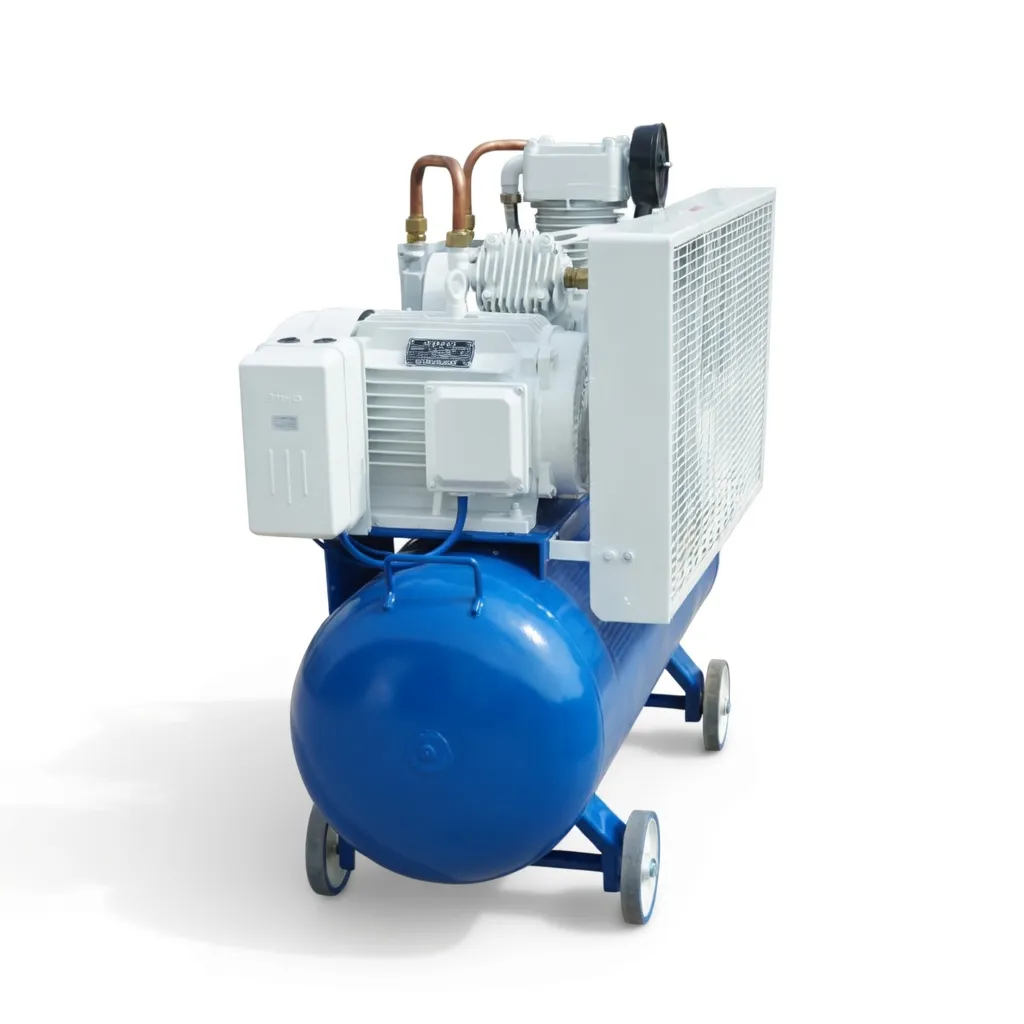
 Walk through any high-output beverage plant in the UK — whether it is a craft brewery in Manchester, a soft drinks bottling line in Birmingham, or a mineral water facility in the Scottish Highlands — and the one piece of infrastructure that ties everything together is a well-specified air compressor for beverage filling. Compressed air in this industry is not a utility afterthought; it is the lifeblood of the entire production process. It powers the pneumatic actuators that open and close valves, provides the high-pressure burst needed to stretch PET preforms into finished bottles, drives conveying systems, and maintains the contamination-free atmosphere that food-grade regulations demand. The quality of your compressed air is quite literally the quality of your product.
This guide draws on more than 18 years of hands-on application engineering experience across European beverage production environments to give you a genuinely practical reference — covering how different types of air compressors work in filling and blowing applications, what performance parameters actually matter, how to avoid the most expensive specification mistakes, and what a world-class compressed air system looks like from the compressor room to the nozzle. Whether you are specifying a new line, upgrading an ageing system, or troubleshooting output quality issues, the information here is designed to save you real time and real money.
How Compressed Air Actually Powers a Beverage Line
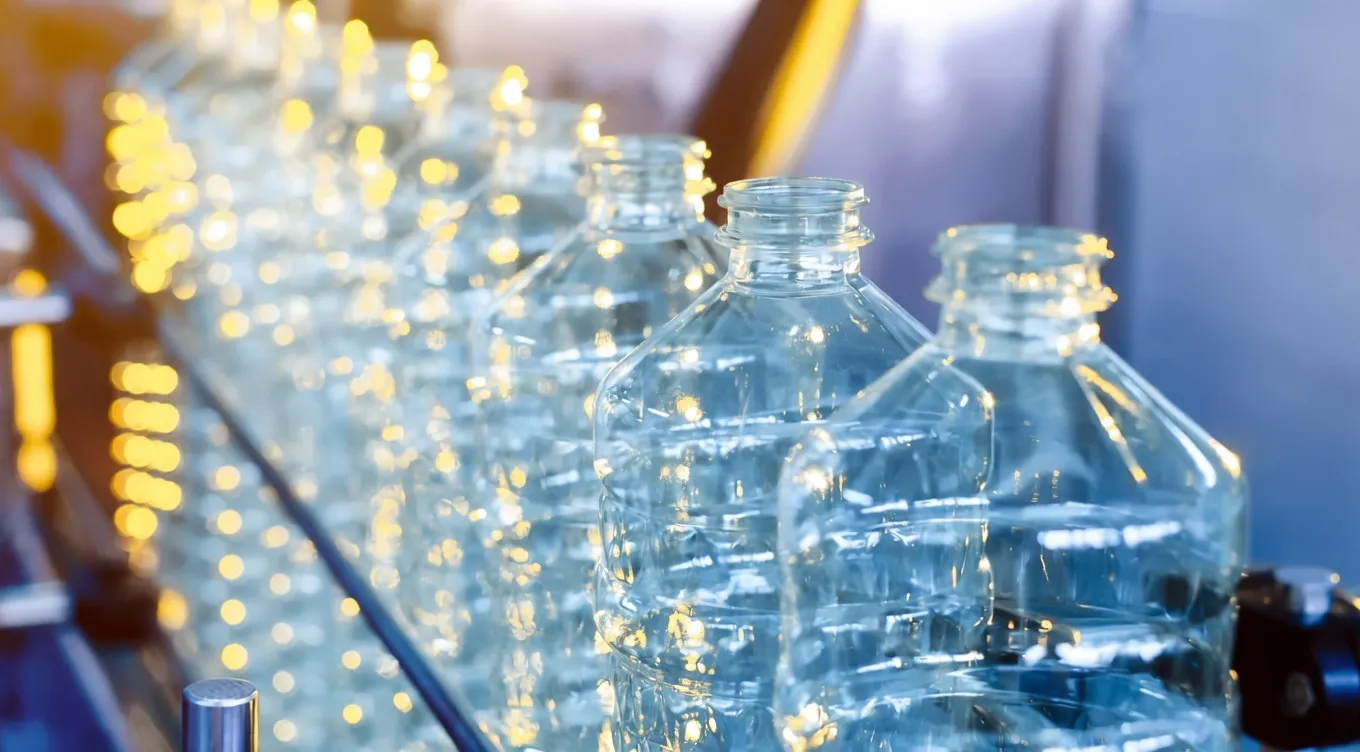 In a modern beverage filling and blowing operation, compressed air serves two entirely distinct functions that require radically different pressures and purity levels. Understanding this duality is the foundation of every correct specification. The low-pressure circuit — typically running between 6 and 8 bar — handles all the pneumatic automation work: valve actuation, capping heads, labelling machinery, conveyor switching, and reject systems. This air comes into direct or near-direct contact with packaging materials, which means ISO 8573-1 Class 1 or Class 2 purity is a mandatory starting point, not an optional upgrade.
The high-pressure circuit is a completely different animal. PET bottle blowing — also called stretch blow moulding — requires instantaneous air delivery at pressures between 25 and 40 bar depending on preform geometry, bottle wall thickness, and output speed. At that pressure, the air rapidly inflates a hot, plasticised PET preform inside a precision mould, forcing it to conform exactly to the cavity shape within a fraction of a second. The quality demands here are extreme: any residual oil mist above 0.01 mg/m³ will degrade the optical clarity of the finished bottle, generate consumer complaints, and potentially trigger HMRC or Food Standards Agency intervention in a UK commercial context. This is why the transition from lubricated to oil-free air compressor technology in beverage production is not a trend — it is an industry-wide regulatory reality.
6 – 8 bar · Automation & Filling
- Pneumatic valve actuation across filling heads
- Capping and sealing machine drives
- Label applicator cylinders and conveyor switching
- Air knife rinsing and pre-fill bottle drying
- Reject mechanisms and quality control gates
25 – 40 bar · PET Bottle Blowing
- Stretch blow moulding of PET preforms
- Pre-blowing and final expansion stages
- Mould holding pressure during cooling phase
- Pressure recovery between consecutive blowing cycles
- Air recycling circuits (on modern blow moulders)
Technical & Performance Parameters
Key specification data for oil-free air compressors used in beverage filling and PET bottle blowing applications
| Parametre | Low-Pressure (Filling) | High-Pressure (Blowing) | Standard / Reference |
|---|---|---|---|
| Çalışma Basıncı | 6 – 8 bar | 25 – 40 bar | Machine-dependent |
| Oil Content (max) | 0.01 mg/m³ | 0.01 mg/m³ | ISO 8573-1 Class 1 |
| Dew Point (pressure) | -40°C PDP | -40°C PDP | ISO 8573-1 Class 2 |
| Particle Size (max) | 0.1 µm | 0.1 µm | ISO 8573-1 Class 1 |
| Typical Flow Range (LP) | 50 – 500 m³/h | — | Line speed dependent |
| Typical Flow Range (HP) | — | 1,500 – 6,000 bottles/hr | Per blowing cavity |
| Compressor Type (recommended) | Oil-free screw or scroll | Oil-free HP piston | Food-grade ISO/HACCP |
| Energy Efficiency | IE3/IE4 motor class | IE3/IE4 motor class | UK ECA compliance |
| Sertifikasyon | CE, ATEX (if req’d) | CE, PED 2014/68/EU | Post-Brexit UK CA mark |
Why Ever Power Oil-Free Compressors Outperform Standard Units in Beverage Applications
Zero Oil Contamination
Water-injected or dry-running compression stages eliminate all hydrocarbon risk, meeting the strict requirements of the UK Food Standards Agency and BRC Global Standard for food safety audits.
Variable Speed Drive (VSD) Technology
Integrated inverter-controlled motors track fluctuating demand across different filling speeds and SKU changeovers, reducing energy consumption by up to 35% compared to fixed-speed alternatives. This directly supports UK ESOS Phase 3 compliance targets.
Integrated Heat Recovery
Up to 80% of compression heat can be recovered and redirected to plant hot water, CIP (clean-in-place) heating, or boiler preheating. A medium-sized UK drinks plant running 16 hours a day can recover the equivalent of over 60,000 kWh annually — tangible carbon reduction and utility cost savings.
Smart Monitoring & Remote Diagnostics
On-board controllers log over 40 operational parameters, with optional Modbus TCP/IP or PROFIBUS integration into plant SCADA. Remote access via mobile dashboard gives UK maintenance engineers real-time visibility from any location, reducing unplanned downtime by a measurable margin.
Low Maintenance Architecture
Without oil lubrication in the compression chamber, there is no oil-change schedule, no oil separator replacement, and no downstream oil filter cartridge management. Service intervals extend to 8,000 hours or beyond, which in a 24/7 beverage production environment represents a genuine step-change in total cost of ownership.
Modular Scalability
Production capacity rarely stays static. Ever Power compressor systems are engineered for cascade and parallel operation — adding a second or third machine to an existing ring main is straightforward, without the pressure imbalances or short-cycling issues that plague poorly integrated systems.
Specific Application Scenarios in Beverage Production
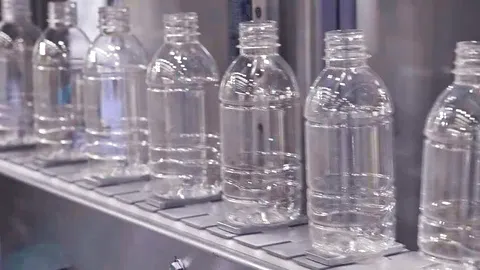 Compressed air touches virtually every stage of the modern beverage production process. In carbonated soft drinks facilities, it controls the CO2 dosing valves and the servo-pneumatic filling heads simultaneously. In still water operations, it drives the peristaltic filling nozzles and the neck-grip transfers between the blow moulder and the filler carousel. In dairy and juice plants, where hygienic design is paramount, oil-free compressed air from the air compressor for beverage filling line ensures that any incidental air contact with product does not introduce allergens or off-flavours detectable at parts-per-billion concentration levels.
UK craft breweries represent a particularly interesting use case. Their production profiles are highly variable — short runs of seasonal specials interspersed with core range batches at varying line speeds. A VSD-equipped oil-free screw compressor tracks these demand swings without the pressure dips that trigger fill-level inconsistency or the excess pressure that causes bottle stress-cracking. Several craft operations across Yorkshire, Kent, and the West Midlands have reported measurable improvements in head retention and carbonation consistency after switching to a correctly specified oil-free air compressor for their filling hall.
Materials, Design Principles & What Sets Food-Grade Compressors Apart
The internal materials of a food-grade air compressor for beverage filling are not generic industrial selections. The compression rotors on oil-free screw units are coated with PTFE or specialty polymer coatings that provide the necessary tribological performance without any lubrication medium in the compression chamber. Internal surfaces that come into contact with the compressed air stream are finished to Ra 0.8 µm or better and treated to resist the formation of biofilm. Downstream pipework in the beverage plant itself should be stainless steel AISI 316L with orbital-welded joints — not galvanised steel, which can shed zinc oxide particles over time, and not standard copper push-fit, which is permeable to cleaning chemical vapours.
The desiccant air dryer immediately downstream of the compressor is equally critical. In UK climate conditions — where ambient relative humidity regularly exceeds 80% across the majority of the year — a refrigerated dryer alone is insufficient for the pressure dew point standards required in beverage applications. A heatless or heated purge desiccant dryer delivering -40°C PDP should be considered the baseline, with molecular sieve beds selected to resist the compressor lubricant vapour contamination that can compromise desiccant performance over time. When specifying for PET bottle blowing at 35 bar and above, a dedicated high-pressure booster compressor with its own oil-free compression stage and inline coalescing filters is the industry-standard architecture.
Customer Success: Real Results from UK Beverage Producers
Midlands Still Water Bottler Cuts Compressed Air Energy Cost by 31%
A mid-sized still mineral water producer based in Staffordshire, UK, was operating two ageing oil-injected screw compressors — one dedicated to their 8-bar filling and automation circuit, and a second-hand reciprocating unit pressing air up to 32 bar for their two-cavity PET blow moulder running 8,000 bottles per hour. Annual compressed air-related energy spend was approaching £148,000. More pressingly, their BRC audit had flagged a risk of hydrocarbon carry-over into the bottle stream, creating a potential food safety non-conformance.
Ever Power conducted a full compressed air audit over four production days, mapping demand profiles across all shifts. The recommendation was a twin-unit oil-free VSD screw compressor package for the 8-bar circuit — providing N+1 redundancy — and a purpose-built oil-free two-stage high-pressure booster for the blowing circuit. The total installed system included integrated heat recovery plumbed to the CIP water heating circuit.
Twelve months post-installation, verified energy savings reached 31% versus the baseline year. The BRC audit passed without any compressed air observation. Heat recovery contributed an estimated £11,200 in annual gas substitution savings. The plant’s maintenance manager noted that the previous six months had passed with zero compressor-related production stoppages — something they had never previously achieved.
“We had persistent pressure drop issues on our filling carousel that our previous supplier could never properly diagnose. Ever Power’s engineers identified a root-cause undersizing of the distribution ring main within two hours on-site. The new oil-free compressor package they specified has run flawlessly for over 14 months.”
“The PET bottle quality improvement after installing the Ever Power high-pressure oil-free booster was immediately visible. We had been seeing micro-stress lines in the bottle shoulders on roughly 3% of output. That figure dropped to under 0.1% within the first week of operation. We have now standardised on Ever Power for all future capacity expansions.”
“Our procurement team had three suppliers quote for the compressed air upgrade. Ever Power were not the cheapest on day one, but their total cost of ownership analysis over a five-year horizon was significantly the most compelling. The remote monitoring capability alone has saved us two planned maintenance visits from external contractors this year.”
Serving the UK Beverage Industry from Scotland to the South Coast
The UK is home to one of the most sophisticated and demanding beverage manufacturing sectors in the world. From Scotch whisky distilleries in Speyside requiring compressed air for cask handling and bottling lines, to major soft drinks manufacturers operating high-speed PET filling operations in the Thames Valley and the East of England, the breadth of requirement is considerable. Regulatory oversight from the Food Standards Agency England, Food Standards Scotland, and the British Retail Consortium’s Global Standards means that compressed air quality documentation — including regular oil content testing results and dew point records — is not optional. It is an audit deliverable.
Ever Power supplies and supports hava kompresörü installations across all UK regions, with particular depth of reference in the English Midlands food and drink manufacturing corridor, the Yorkshire and Humber drinks cluster, the Scottish Highlands whisky and water bottling sector, and the South East’s premium soft drinks and functional beverage manufacturers. Spare parts availability from UK-based stock, English-language technical documentation, and engineers familiar with UK 17th Edition electrical standards and PSSR 2000 (Pressure Systems Safety Regulations) ensure that the procurement and commissioning process is smooth for UK procurement teams.
📍 Scotland
📍 Wales
📍 Northern Ireland
🔖 BRC / FSA Compliant Documentation
🔖 PSSR 2000 Compliant
🔖 UK CA Mark Available
Sıkça Sorulan Sorular
Answers to the questions UK beverage production engineers and procurement managers ask most often.
Ready to Upgrade Your Beverage Compressed Air System?
Talk to our application engineers about the right oil-free compressor solution for your UK filling or blowing application. Free audit. Fast quote. No obligation.
© Ever Power · Oil-Free Air Compressor for Beverage Filling & PET Bottle Blowing · UK Supplier · edit by gzl