|
✔ CE Certified
|
✔ TÜV Third-Party Verified
|
✔ EU GMP Annex 15 Documentation
Why Pharmaceutical Manufacturers Cannot Compromise on Compressed Air Purity
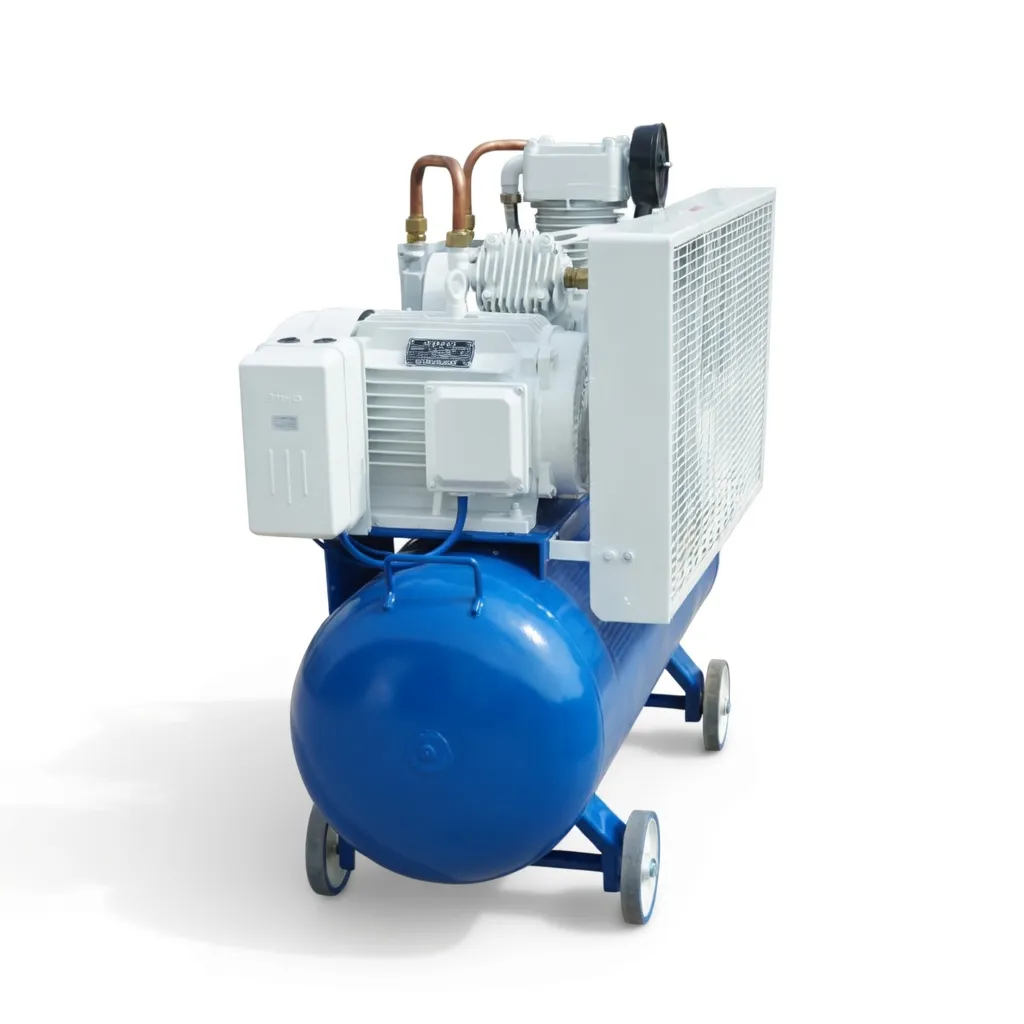 In pharmaceutical manufacturing, compressed air is never merely a background utility. It is a direct process material — one that contacts active pharmaceutical ingredients, touches the inner surfaces of sterile primary packaging, atomises film coating solutions onto tablet surfaces, pressurises Grade A cleanroom filling zones, and drives the pneumatic mechanisms that handle drug products at every stage of production. A contaminated air supply is not an engineering inconvenience; it is a patient safety event. This is the reality that makes selecting the right oil-free air compressor for pharmaceutical production one of the most consequential infrastructure decisions a UK pharmaceutical facility manager will make. The consequences of getting it wrong are measured in batch rejections, regulatory investigations, and ultimately in the quality and safety of medicines reaching patients.
The Medicines and Healthcare products Regulatory Agency (MHRA) enforces Good Manufacturing Practice (GMP) standards across pharmaceutical manufacturing sites in the United Kingdom. These guidelines — aligned with EU GMP and the revised Annex 1 for sterile medicinal products — classify compressed air as a critical utility, subject to the same validation, monitoring, and change-control rigour applied to purified water and process nitrogen. A compressed air system must be designed, installed, qualified, and continuously monitored within a documented quality framework. Any system that introduces oil contamination risk — whether through direct lubricant carryover or through dependency on filter integrity alone — creates a compliance vulnerability that can be identified during MHRA inspections, pre-approval assessments, or by your own internal auditors.
Ever Power has been engineering and supplying pharmaceutical-grade oil-free air compressors to regulated manufacturing facilities across the United Kingdom and globally for many years. Our systems operate in tablet coating suites in Manchester, aseptic fill-finish operations in Edinburgh, API synthesis plants in the English Midlands, and DPI manufacturing lines across Yorkshire and the South East. Every compressor we supply for pharmaceutical application is designed to eliminate contamination risk at the source, simplify qualification, and deliver the long-term reliability that continuous pharmaceutical production demands — backed by the documentation infrastructure that MHRA inspection readiness requires.
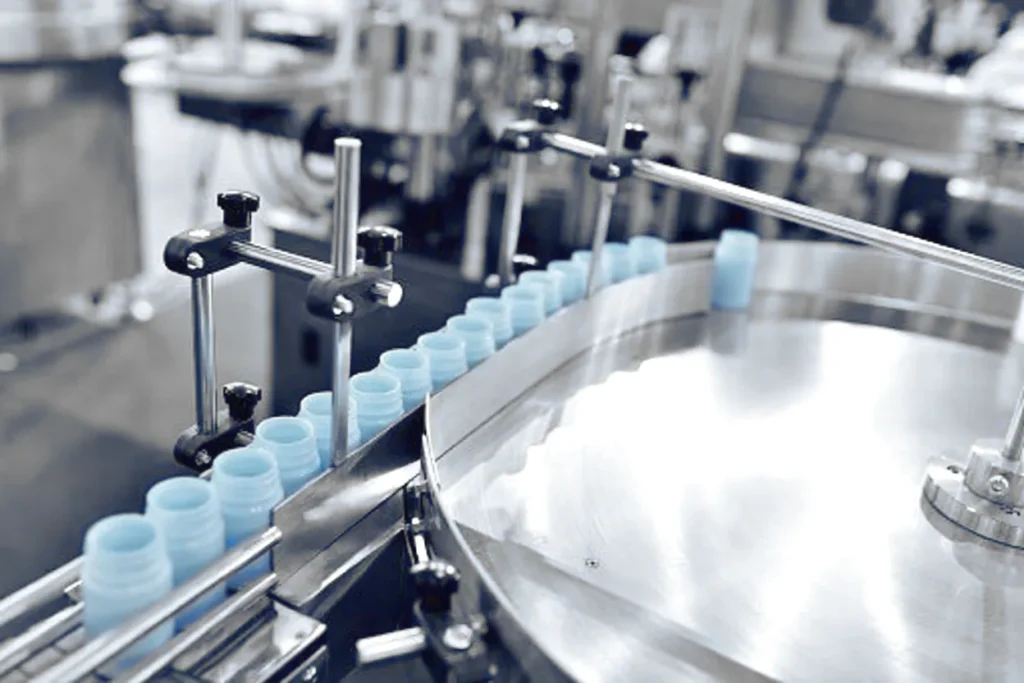 Ever Power Oil-Free Pharmaceutical Compressor Series — ISO 8573-1 Class 0 · GMP Documented · TÜV Certified
The Engineering Principles Behind Absolute Air Purity
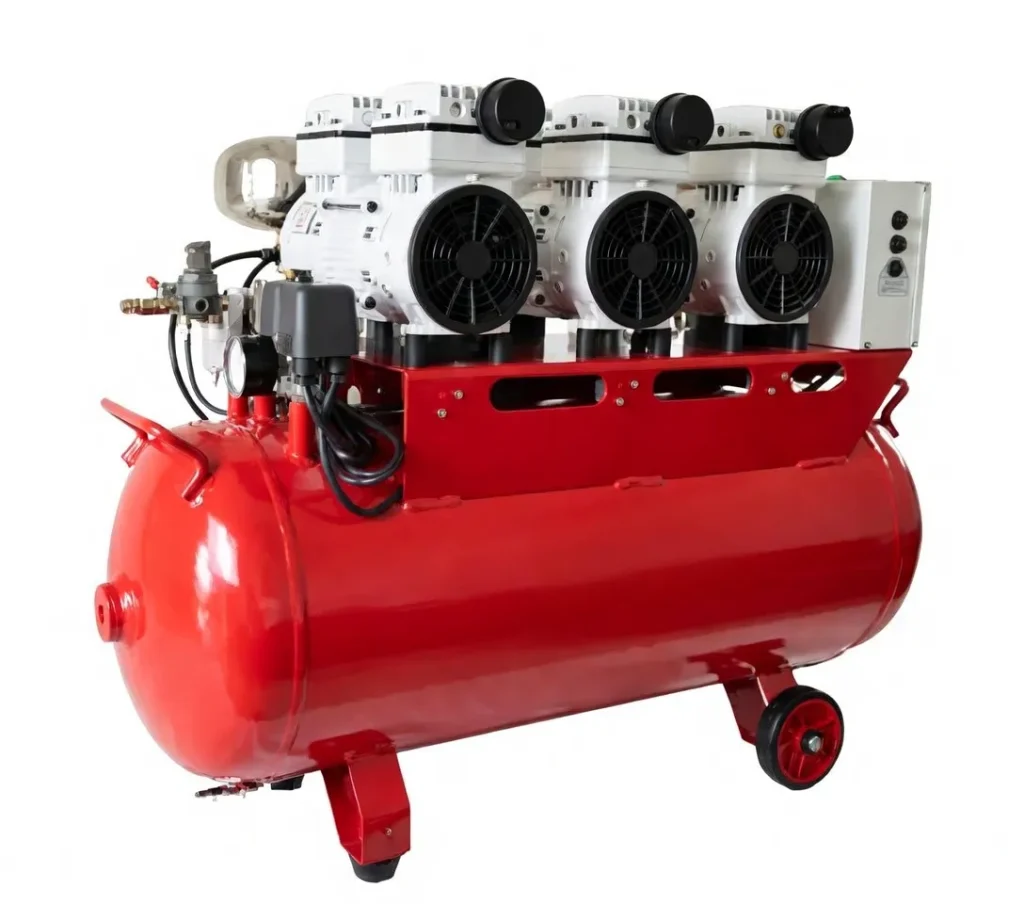 The distinction between a true oil-free air compressor for pharmaceutical production and a lubricated compressor with high-efficiency downstream filtration is not semantic — it is a fundamental difference in contamination risk architecture. Oil-lubricated compressors generate lubricant aerosols, mist particles, and vapour as an inherent result of their operating principle. High-specification coalescing filters can reduce residual oil carryover to 0.01 mg/m³ under ideal conditions, but this depends entirely on filter element integrity at any given moment. Cold start cycles, filter saturation, bypass valve behaviour, and condensate loading are all credible failure modes that can allow oil to migrate downstream undetected. In a GMP environment, statistical risk reduction is insufficient — the objective must be elimination.
Our oil-free pharmaceutical compressors operate on non-contact compression principles that eliminate lubricant from the compression chamber entirely. In our oil-free scroll compressor models, two precision-machined spiral scroll elements — one stationary, one executing controlled orbital motion — compress air through progressive volume reduction with no metal-to-metal contact. The dynamic seal between scroll elements is achieved using pharmaceutical-grade PTFE (polytetrafluoroethylene) tip seals, engineered to maintain dimensional integrity across tens of thousands of operating hours without any lubrication requirement. In our oil-free rotary screw models, male and female rotor profiles are manufactured to micrometre-level dimensional tolerances. The rotor gap is maintained by precision timing gears housed in separately sealed chambers isolated from the air compression path by multi-stage shaft seal systems — no lubricant can migrate from the gear housing to the air stream under any operating condition.
The material specification for pharmaceutical compressor air-path components reflects the same standards applied to pharmaceutical processing equipment. All surfaces in contact with the compressed air stream are fabricated from 316L pharmaceutical-grade stainless steel or electropolished aluminium alloy. Elastomeric seals and gaskets throughout the air pathway are manufactured from pharmaceutical-grade PTFE or EPDM — both materials carrying established FDA 21 CFR food-contact compliance and documented resistance to sterilisation cycles. Shell-and-tube intercoolers and aftercoolers are built to hygienic design principles with no dead-leg zones, no low-flow pooling areas, and no internal geometries that could accumulate condensate or support microbial biofilm formation. The engineering outcome is a compressed air system whose purity performance is determined by design rather than by maintenance scheduling — a fundamental shift in contamination risk that regulatory teams and quality managers across UK pharmaceutical manufacturing recognise immediately.
Technical Performance Parameters
| Technical Parameter | Specification / Range |
|---|---|
| Oil-Free Classification | ISO 8573-1:2010 Class 0 — TÜV third-party independently verified |
| Flow Rate (FAD) | 1.5 m³/min — 28 m³/min (custom configurations available) |
| Working Pressure | 7 bar / 8 bar / 10 bar / 13 bar (selectable per application) |
| Compressor Technology | Oil-free scroll / Oil-free rotary screw / Oil-free piston |
| Motor Efficiency Class | IE3 Premium Efficiency / IE4 Super Premium (application specific) |
| Drive System | Variable Speed Drive (VSD) inverter / Fixed-speed direct or belt drive |
| Уровень шума | 62 — 75 dB(A) measured at 1 metre distance |
| Power Supply (UK) | 380V – 415V / 3-phase / 50 Hz (UK standard) |
| Метод охлаждения | Air-cooled / Water-cooled (facility-dependent selection) |
| Ambient Temperature | +5°C to +45°C operating range |
| Control & Monitoring | PLC + 7-inch touchscreen HMI + IoT cloud portal (21 CFR Part 11 compatible) |
| Air Path Materials | 316L stainless steel / Electropolished aluminium alloy / PTFE / Pharma-grade EPDM |
| Certifications | CE / ISO 8573-1 Class 0 / TÜV / EU GMP compliant / ATEX optional |
| VSD Energy Saving | Up to 35% energy reduction vs fixed-speed equivalent at variable demand |
| Warranty | 2 years standard / 5 years extended service contract available |
Eight Reasons UK Pharmaceutical Manufacturers Choose Ever Power
ISO 8573-1 Class 0 — Zero Oil at the Source
TÜV-accredited third-party certification confirms total absence of oil aerosol, vapour, and liquid in the compressed air stream — eliminating the filter-integrity dependency that characterises lubricated systems and providing the cleanest possible foundation for pharmaceutical air quality validation.
Complete GMP Qualification Documentation
Every pharmaceutical compressor ships with a Factory Acceptance Test (FAT) report, 316L material certificates, IQ/OQ protocol templates aligned to EU GMP Annex 15, calibration records, and MHRA-ready change-control documentation — substantially reducing validation team workload and accelerating commissioning timelines.
Variable Speed Drive — Up to 35% Energy Saving
Integrated IE4 motor with inverter-driven VSD matches output precisely to real-time demand fluctuations typical of multi-product pharmaceutical facilities — delivering significant reductions in compressed air energy spend, supporting UK pharmaceutical manufacturers’ energy efficiency and net-zero commitments.
Minimal Maintenance, Maximum Production Uptime
No oil changes, no oil filter element replacements, no oil separator cartridge schedules. Service intervals are extended compared to lubricated equivalents, and every maintenance event is free of the contamination exposure risk that accompanies lubricated system servicing in a GMP environment.
IoT Monitoring with 21 CFR Part 11 Compliance
Built-in cloud connectivity streams real-time pressure, temperature, flow, dew-point, and alarm data to a secure portal — supporting pharmaceutical QMS integration, electronic batch record requirements, and predictive maintenance planning with full audit-trail functionality aligned to 21 CFR Part 11 data integrity standards.
N+1 Redundancy for Uninterrupted Filling Lines
Duty/standby and N+1 configurations ensure continuous compressed air supply to critical pharmaceutical filling operations regardless of individual unit maintenance windows or unexpected stoppages — eliminating the production downtime risk that a single-compressor system carries for continuous manufacturing schedules.
Pharmaceutical-Grade Material Specification Throughout
316L stainless steel and pharmaceutical-grade PTFE throughout the air contact path — no zinc, copper alloy, or ferrous surfaces that could introduce metallic contamination to sensitive injectable, inhalable, or biological drug product air streams. Material certificates provided for all product-contact components as standard.
Heat Recovery for Pharmaceutical Site Sustainability
Optional thermal recovery modules capture up to 80% of compression heat for facility hot water generation or process heating applications — supporting UK pharmaceutical manufacturers’ net-zero and carbon reduction commitments while delivering measurable reductions in overall facility energy operating costs.
Where Oil-Free Compressed Air Makes the Critical Difference
1 · Aseptic Vial & Ampoule Filling Suites
In Grade A and Grade B aseptic filling environments governed by EU GMP Annex 1, compressed air performs multiple critical functions: actuating filling pump systems, operating stopper insertion mechanisms, transporting closures through pneumatic conveyors within the controlled zone, and pressurising the positive-pressure differential barriers that prevent environmental contamination ingress. The air operating within these environments must achieve ISO 8573-1 Class 0 oil purity as a mandatory baseline, with pharmaceutical quality teams typically specifying additional microbiological and particulate monitoring at point-of-use locations within the Grade A zone. An oil-free air compressor for pharmaceutical filling provides the foundation purity level that makes it possible to validate and sustain these specifications without complex and qualification-intensive downstream treatment trains. UK contract fill-finish organisations supporting major biopharmaceutical clients in Cambridge, Oxford, and the established pharmaceutical manufacturing clusters have adopted source-pure compressed air as a non-negotiable process standard — and regulatory inspectors increasingly expect to see it.
2 · Tablet Coating & Film Coating Operations
Pharmaceutical tablet coating is among the most compressed-air-intensive operations in oral solid dose manufacturing. Spray guns atomise aqueous or solvent-based film coating solutions using high-velocity compressed air, depositing functional coatings — including modified release, enteric, and active-ingredient layers — directly onto tablet core surfaces. This atomisation air makes immediate, intimate contact with the tablet surface: any oil contamination in the air stream constitutes a direct drug product defect requiring batch rejection and a quality investigation. Beyond spray atomisation, compressed air also operates inlet and exhaust dampers on coating pans, controls air supply to fluid bed coating systems, and drives the pneumatic actuators throughout the coating enclosure. A pharmaceutical-grade oil-free compressor delivers the clean, consistently dry air that tablet coating processes depend upon for reliable process validation performance and reproducible product quality batch after batch.
3 · Dry Powder Inhaler (DPI) Manufacturing & Micronisation
DPI manufacturing demands the highest standard of compressed air purity available because the drug product is inhaled directly by patients — frequently those with the most vulnerable respiratory systems. Compressed air is used throughout the DPI manufacturing sequence: jet milling and micronisation to achieve the controlled particle size distribution that determines lung deposition efficacy, blending of micronised drug substance with lactose carrier particles, encapsulation into hard gelatin or hydroxypropyl methylcellulose capsules, and final blister or device assembly operations. Any hydrocarbon contamination introduced via the process air at any of these stages carries the potential to alter aerodynamic particle size distribution, affect drug substance stability, or introduce non-drug material into the inhalation product. UK inhaler manufacturers operating facilities in Yorkshire, Cambridgeshire, and across the South East have made oil-free compressed air for pharmaceutical manufacturing mandatory for all DPI process air circuits — a specification that ever more regulatory bodies are treating as the expected standard.
4 · API Synthesis & Reaction Vessel Operations
Active pharmaceutical ingredient synthesis plants use compressed air throughout the reaction and purification sequence — for agitation of reaction vessels and crystallisation tanks, pneumatic transfer of sensitive intermediates between process vessels, solvent vapour stripping, and operation of control instrumentation across the manufacturing train. In API synthesis environments, contamination risk extends beyond physical product quality: oil contamination introduced into a reaction vessel can catalyse unintended side reactions, alter impurity profiles in ways that may not be detected until analytical stage, and potentially generate novel degradation products requiring comprehensive toxicological evaluation. Chemical synthesis environments also place demanding requirements on corrosion resistance of all wetted surfaces — making the 316L stainless steel air path components standard in our pharmaceutical compressor range particularly relevant. UK API manufacturers operating under both MHRA and US FDA oversight consistently specify oil-free compressors for pharmaceutical production as a baseline process utility requirement with zero tolerance for qualification exceptions.
5 · Cleanroom Pressurisation & Controlled Environment Support
Pharmaceutical cleanrooms rely on engineered airlock and pressurisation systems to maintain the particulate and microbial separation between classified zones that GMP compliance requires. Compressed air pressurises inflatable door seals, operates interlocked pass-through hatches and material transfer systems, and provides the motive force for personnel and product transfers between grade boundaries. Although this application involves less direct product contact than aseptic filling or coating operations, contamination introduced through cleanroom compressed air can compromise environmental monitoring data and trigger non-conformance investigations — with potential batch-hold implications. UK pharmaceutical facilities undergoing MHRA inspections are increasingly asked to demonstrate that cleanroom support compressed air is subject to the same purity controls as product-contact process air, making an oil-free pharmaceutical air compressor the appropriate specification for all classified environment applications.
6 · Primary Packaging — Blister, Vial & Sachet Lines
High-speed pharmaceutical packaging lines for blister packs, sachet filling, cartoning, and vial capping operate on continuous compressed air at demand profiles that require highly reliable, stable supply. These lines integrate pneumatic conveyors, vacuum formation systems for thermoformed blister cavities, vision system air-jet rejection mechanisms, stopper and seal actuators, and multiple pneumatic mechanical drives — all dependent on consistent air quality and pressure. Open blister cavities and partially assembled packages are exposed to process-environment air throughout the packaging sequence, making these direct product-contact surfaces vulnerable to airborne contamination. The oil-free air compressor for pharmaceutical production must deliver not only zero oil content but also controlled dew point and low particulate levels, supporting the environmental monitoring data that demonstrates packaging area GMP compliance and protects the integrity of medicines reaching patients across the UK and export markets.
Client Success Story: NovaBio Pharmaceuticals Ltd, Nottingham
Industry Sector
Pharmaceutical CDMO — Oral Solid Dose & Semi-Solid Topicals
Location
Nottingham, East Midlands, United Kingdom
The Challenge
NovaBio operated a mixed legacy compressor fleet generating repeated compressed air quality non-conformances and placing significant documentation burden on the quality team ahead of MHRA routine inspections. Their previous qualification documentation relied on coalescing filter integrity to demonstrate air purity compliance — a position that their quality director recognised as a growing regulatory vulnerability as MHRA scrutiny of critical utilities intensified.
The Solution
Working directly with Ever Power’s pharmaceutical engineering team, NovaBio specified a custom N+1 package comprising three 18.5 kW oil-free rotary screw compressors with integrated refrigerant dryers, point-of-use filtration, and a centralised monitoring interface feeding real-time data to the site SCADA platform. The package was delivered with a comprehensive FAT report, 316L material certificates, IQ/OQ protocol templates, and dew-point calibration records — all aligned to NovaBio’s existing validation master plan framework.
Results — 18 Months Post-Installation
Zero
Compressed air-related non-conformances raised in 18 months following system commissioning
28%
Reduction in total energy consumption for compressed air generation across the site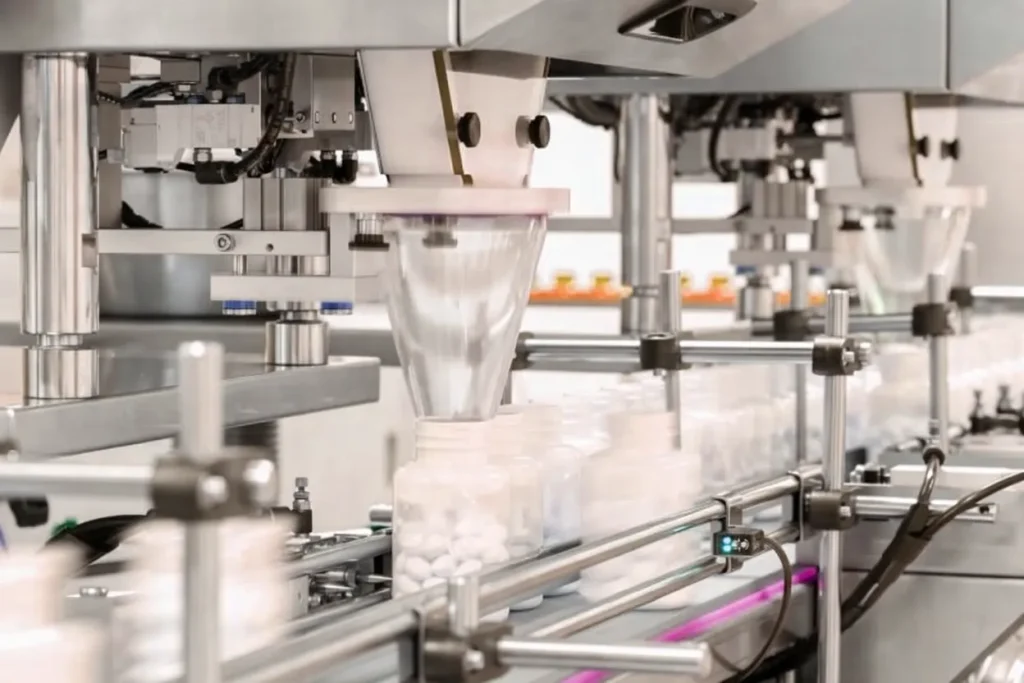
“The transition gave us an audit-ready compressed air system for the first time in the facility’s history. Our quality team genuinely stopped worrying about compressor oil during MHRA inspection preparation — and the Ever Power engineers understood pharmaceutical validation requirements from the very first technical meeting, which made the IQ/OQ process considerably faster than our validation team had projected in the project plan.”
— Head of Engineering, NovaBio Pharmaceuticals Ltd, Nottingham, UK
What UK Pharmaceutical Engineers Say About Ever Power
❝
We transitioned to oil-free compressed air across all three of our aseptic filling suites following a process validation review. The improvement in our Annex 1 compliance position was immediate and clearly measurable. Purity monitoring data is consistent and clean, and requires no additional justification during regulatory audits. The technical support team at Ever Power understood pharmaceutical GMP from the very first conversation — genuinely knowledgeable, and the response times when we needed engineering clarification were excellent.
Dr. Sarah Whitmore
QA Director · BritaMed Solutions, Bristol
❝
We were facing a compressed air qualification backlog that was holding up the commissioning of our new DPI manufacturing line with a hard go-live deadline. The documentation package from Ever Power — FAT reports, material certificates, and IQ/OQ protocol templates — allowed our validation team to work through qualification substantially faster than our project plan had assumed. Fourteen months of continuous operation since, without a single unplanned production stop related to compressed air supply.
James Hargreaves
Engineering Manager · PharmaCore UK, Leeds
❝
Our previous supplier was unable to offer anywhere near the level of customisation we needed for a complex multi-suite sterile filling facility. Ever Power not only delivered the exact engineering specification we required but also provided ongoing remote monitoring support that integrates directly with our site quality management system. The data integrity architecture is precisely what our 21 CFR Part 11 compliance framework demands — and the ongoing technical relationship has been genuinely collaborative.
Linda Okafor
Head of Technical Operations · GenesisPharma Ltd, Birmingham
Custom-Engineered Pharmaceutical Compressor Systems from a World-Class Facility
🏭 Manufacturing Footprint
22,000 m² state-of-the-art manufacturing complex with dedicated pharmaceutical & life sciences production line
🔩 Custom Pressure & Flow
Bespoke capacity and pressure configurations beyond standard product range, engineered to your process demand profile
🛠️ Hygienic Skid Design
Custom-dimensioned skid fabrication in 316L stainless steel, including hygienic piping manifolds and integrated treatment packages
📄 Validation Documentation
Complete EU GMP Annex 15 validation documentation packages including FAT, IQ/OQ templates, material traceability, and calibration records
⚗️ ATEX & Special Environments
ATEX-rated configurations for solvent-handling API plants; H2O2-resistant variants for isolator technology integration in sterile filling
🇬🇧 UK Technical Support
Dedicated UK-based technical point of contact for pharmaceutical clients — direct engineering support from feasibility through qualification and ongoing operations
Unlike generalist compressor manufacturers offering standard products with pharmaceutical add-ons, Ever Power’s engineering approach starts from your process. Our pharmaceutical engineering team works directly with your process engineers, validation specialists, and quality managers from the earliest project stages — understanding the specific ISO 8573-1 purity targets, demand profiles, facility footprint constraints, and qualification obligations that define your system requirements. Whether you are a large integrated UK pharmaceutical manufacturer with multiple classified manufacturing suites, a growing CDMO managing a diverse client portfolio of regulated products, or a biotech operation scaling from clinical to commercial production, our product customisation capabilities and pharmaceutical sector knowledge are available to you at competitive global manufacturing pricing with the supply chain reliability of a well-established international supplier.
For UK pharmaceutical clients undertaking site expansion projects, new product introduction programmes, or GMP-driven infrastructure upgrades ahead of MHRA inspections or regulatory submissions, Ever Power offers a free system design consultation service. Our engineers will review your compressed air demand requirements, evaluate your facility layout and integration constraints, and provide a detailed technical proposal complete with indicative pricing — enabling informed investment decisions with full visibility of the documentation and qualification support included in the supply scope.
Часто задаваемые вопросы
What is the best type of oil-free air compressor for pharmaceutical manufacturing in the UK, and which ISO certification should I specifically look for when selecting a supplier?
For pharmaceutical manufacturing in the UK, oil-free rotary screw compressors are the most widely adopted technology for medium-to-large flow applications (typically above 3 m³/min) due to their continuous-duty design, energy efficiency, and suitability for 24/7 pharmaceutical production schedules. Oil-free scroll compressors are preferred for smaller flow requirements where exceptionally low noise levels are a priority. The single most important certification to demand is ISO 8573-1:2010 Class 0 for oil content, independently verified by an accredited third-party body such as TÜV — not self-declared by the manufacturer. Class 0 is the only classification permitting a zero-oil claim, which is the only appropriate specification for pharmaceutical product-contact or cleanroom-support applications. Reject any supplier who cannot provide independent Class 0 verification documentation.
How much does an oil-free air compressor for a pharmaceutical filling line typically cost in the UK, and what are the main factors that affect the final price of a complete system?
Pricing for pharmaceutical-grade oil-free air compressors in the UK varies significantly with application requirements. Entry-level pharmaceutical scroll compressor units for small-scale applications start from approximately £8,000–£16,000. Mid-range oil-free screw systems for filling line or coating applications with integrated drying and filtration typically range from £22,000–£65,000. Large-scale pharmaceutical systems in N+1 configurations with complete GMP documentation packages can exceed £120,000. The primary pricing factors are: required flow rate (m³/min), maximum working pressure, technology type (scroll versus screw), VSD specification, integrated treatment package scope, redundancy configuration, and the depth of pharmaceutical validation documentation required. Contact our UK pharmaceutical sales team at [email protected] for a detailed project quotation.
Which ISO standard governs compressed air quality in pharmaceutical production facilities, and what does ISO 8573-1 Class 0 actually mean for GMP compliance in a UK manufacturing environment?
ISO 8573-1:2010 is the international standard that defines purity classes for compressed air across three contamination categories: solid particulate (Class 0–9), water content (Class 0–9), and oil content (Class 0–4). For pharmaceutical applications, Class 0 for oil is the required classification — it specifies that total oil content is below the lower detectable measurement limit defined by ISO 8573-2, approximately 0.003 mg/m³. In practical MHRA GMP terms, a Class 0 certified oil-free pharmaceutical compressor delivers a compressed air supply with no measurable oil contamination, eliminating oil from the qualification scope and dramatically simplifying your regulatory documentation. UK pharmaceutical quality teams reviewing compressed air master plans increasingly distinguish between Class 0 from oil-free source (robust) and Class 1 achieved through filtration (dependent on filter maintenance compliance) — MHRA inspectors are making the same distinction.
How do I validate a new oil-free air compressor installation in a GMP-regulated UK pharmaceutical facility, and exactly what documentation will I need to satisfy MHRA requirements?
Compressed air system validation in a UK pharmaceutical facility follows the IQ/OQ/PQ framework defined in EU GMP Annex 15. The Installation Qualification (IQ) documents that the system is installed in accordance with the approved design specification and manufacturer requirements. Operational Qualification (OQ) demonstrates that the system operates within specified parameters across its defined operating range. Performance Qualification (PQ) confirms that the system consistently delivers the air quality specification under representative production conditions. Ever Power’s standard pharmaceutical supply package includes FAT documentation, material traceability certificates for all product-contact components, instrument calibration records, IQ/OQ protocol templates pre-aligned to Annex 15, and a system design qualification (DQ) dossier — providing your validation team with a solid documentation foundation that substantially reduces the effort and timeline required to achieve a qualified compressed air system.
What flow rate and pressure specification does a pharmaceutical manufacturer in England typically need for an oil-free compressor supplying a tablet coating line and capsule filling operation simultaneously?
Compressed air demand for tablet coating and filling combinations varies substantially with equipment size and process parameters. As a working guide, a single 300 kg coating pan with two spray guns requires approximately 1.5–2.5 m³/min at 6–7 bar. A mid-range capsule filling machine (e.g., equivalent to GKF 700 class) typically demands 0.5–1.2 m³/min at 6 bar. For a combined system serving both operations with ancillary pneumatics, instrument air, and cleanroom pressurisation, a system sized at 5–9 m³/min at 7–8 bar with N+1 redundancy provides an appropriate baseline — subject to detailed demand profiling of all consuming equipment in the facility. Our UK pharmaceutical engineering team provides free demand assessment and system sizing services; reach us at [email protected] for a detailed review.
Where can I find a reliable UK-based supplier of pharmaceutical-grade oil-free compressed air systems who understands MHRA validation requirements and can provide GMP documentation support?
Ever Power serves pharmaceutical manufacturers across England, Scotland, Wales, and Northern Ireland through a dedicated UK technical support structure, backed by global manufacturing capabilities and an established international supply chain. We have particular experience supporting pharmaceutical facilities across the English Midlands, the Oxford-Cambridge Arc, the North West England pharmaceutical cluster, Yorkshire and Humber, and the Greater London and South East life sciences corridor. Our UK pharmaceutical clients range from major integrated manufacturers and established CDMOs to NHS-linked manufacturing units and growth-stage biotech companies. Our team is familiar with MHRA inspection expectations, Annex 1 requirements for sterile manufacturing, and the practical demands of pharmaceutical validation programmes — which means we speak the same language as your quality and engineering teams from day one. Contact us directly at [email protected].
When should a pharmaceutical manufacturer in England seriously consider replacing an existing lubricated compressor with an oil-free system, particularly for MHRA compliance and GMP audit readiness reasons?
There are four clear decision trigger points for replacement. First: if your facility has received MHRA observations or non-conformance findings relating to compressed air quality, the infrastructure requires immediate review. Second: if your current compressed air qualification documentation depends on downstream oil-removal filter integrity to demonstrate purity compliance — rather than on inherent source purity — this represents a qualification vulnerability that regulators are scrutinising with increasing rigour. Third: if you are planning new product introductions, aseptic manufacturing capability additions, or facility expansions — the compressed air infrastructure review should be incorporated into the project scope. And fourth: if your current compressors are within three to five years of anticipated end-of-service life, replacement with pharmaceutical oil-free units is the most cost-effective and future-proofed investment path available.
How does an oil-free screw compressor compare with an oil-free scroll compressor for pharmaceutical production applications, and which technology represents the better long-term value for a UK mid-sized pharmaceutical site?
Both technologies deliver ISO 8573-1 Class 0 air purity and are fully appropriate for pharmaceutical applications, but they differ in optimal operating parameters and practical characteristics. Oil-free scroll compressors are mechanically simpler, produce exceptionally low noise levels (as low as 62 dB(A) at 1 metre), have lower initial acquisition costs, and perform best in capacities of 0.5–3.5 m³/min with variable or intermittent demand profiles. Oil-free screw compressors are designed for continuous-duty operation, cover a wider capacity range (2–28 m³/min), and deliver superior energy efficiency at high utilisation rates — particularly when integrated with VSD. For a typical UK mid-sized pharmaceutical site running 24/7 production across multiple manufacturing suites with total compressed air demand above 5 m³/min, an oil-free screw compressor in an N+1 configuration — equipped with VSD and integrated refrigerant drying — represents the stronger long-term investment on both operational cost and GMP compliance grounds.
Ever Power · Oil-Free Pharmaceutical Compressors · United Kingdom
Ready to Future-Proof Your Pharmaceutical Compressed Air System?
Talk to our UK pharmaceutical air systems team about your facility’s specific requirements. We provide free system sizing consultations, detailed technical proposals, and complete GMP qualification documentation packages for pharmaceutical project teams across England, Scotland, Wales, and Northern Ireland.
© Ever Power Industrial | Oil-Free Air Compressor for Pharmaceutical Production & Filling Lines | ISO 8573-1 Class 0 | GMP Ready | UK Pharmaceutical Manufacturing Solutions | edit by gzl