Why Compressed Air Is the Backbone of Every Bottling Plant
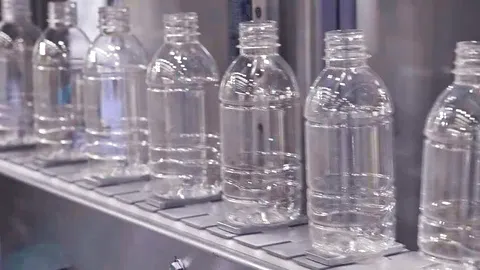 Walk into any beverage manufacturing facility in the UK — whether it’s a craft brewery in Yorkshire, a large-scale carbonated soft drink plant in the Midlands, or a mineral water bottling line in the Scottish Highlands — and you’ll find compressed air running through nearly every stage of production. It powers the pneumatic conveyors that move empty bottles, drives the automated capping and labelling systems, and, most critically, provides the enormous blowing pressures required to transform tiny PET preforms into the full-sized bottles that line supermarket shelves across Britain. The air compressor is not a peripheral piece of equipment. It is, in the truest engineering sense, the heartbeat of the entire operation.
Despite this central role, compressed air systems are surprisingly misunderstood. Many plant managers inherit legacy compressor setups that were sized for a different era of production volumes, or they purchase generic industrial compressors without fully appreciating that beverage-grade applications demand a fundamentally different set of performance characteristics. The consequences of getting this wrong range from poor bottle quality and contamination risks — a serious regulatory concern under UK Food Standards Agency guidelines — to catastrophic energy waste, since poorly matched compressors are among the largest electricity consumers on a typical food and drink production site.
This guide draws on over 18 years of hands-on application engineering experience across beverage plants throughout England, Scotland, Wales, and Northern Ireland. It covers the technical fundamentals of selecting the right air compressor for beverage filling and bottle blowing, explains the specific pressure and purity requirements of each stage, and outlines why an increasing number of UK bottlers are moving towards purpose-built, oil-free high-pressure systems from specialist manufacturers like Ever Power.
The Physics Behind PET Bottle Blowing — and Why Air Pressure Tolerances Are Unforgiving
PET (polyethylene terephthalate) bottle blowing is a deceptively complex process. A preform — roughly the size of a test tube — is heated to between 90°C and 120°C in a conditioning oven, which brings the crystalline PET into an amorphous, stretchable state. The heated preform is then clamped inside a mould, and compressed air is injected in two distinct phases. The pre-blow phase uses relatively low pressure, typically between 8 and 15 bar, to begin stretching the material longitudinally using a stretch rod. The high-blow phase then fires in at pressures ranging from 35 to 40 bar — sometimes higher for specific bottle geometries — forcing the softened PET to expand radially and press tightly against the mould wall, where it cools and sets within fractions of a second.
The tolerances involved are extremely tight. A pressure variation of just ±1 bar during the high-blow phase can produce measurable wall-thickness inconsistencies, leading to bottles that fail drop tests, have unacceptable weight variation, or distort during hot-fill processes. For high-speed rotary stretch-blow moulding machines running at 50,000 to 80,000 bottles per hour — which is standard on many British carbonated beverage lines — even a momentary pressure drop caused by an undersized compressor or a failing pressure regulator can cause a cascade of rejects that brings the entire line to a halt. This is precisely why the air compressor for beverage bottle blowing must be sized with a significant duty headroom, typically 20–25% above calculated peak demand, and must deliver air at a consistent, stable pressure with minimal pulsation.
Oil-Free Air in Food Contact Applications: Not Optional, Non-Negotiable
The single most important specification for any air compressor used in beverage filling and bottle blowing is oil-free operation. This is not merely a best-practice recommendation — it is a fundamental safety requirement enforced under UK food safety legislation, which was retained and updated following Brexit through the retained EU law framework. Compressed air that contacts product, product-contact surfaces, or the interior of bottles during the blowing process must meet ISO 8573-1 Class 1 oil contamination standards, meaning total oil aerosol and vapour concentration must not exceed 0.01 mg/m3. Conventional oil-injected rotary screw compressors, even when fitted with downstream coalescing filters and activated carbon beds, carry an inherent risk of oil carryover, particularly as the lubricant degrades or filter elements become saturated. In a production environment running 16 or 20 hours per day, the margin for error is effectively zero.
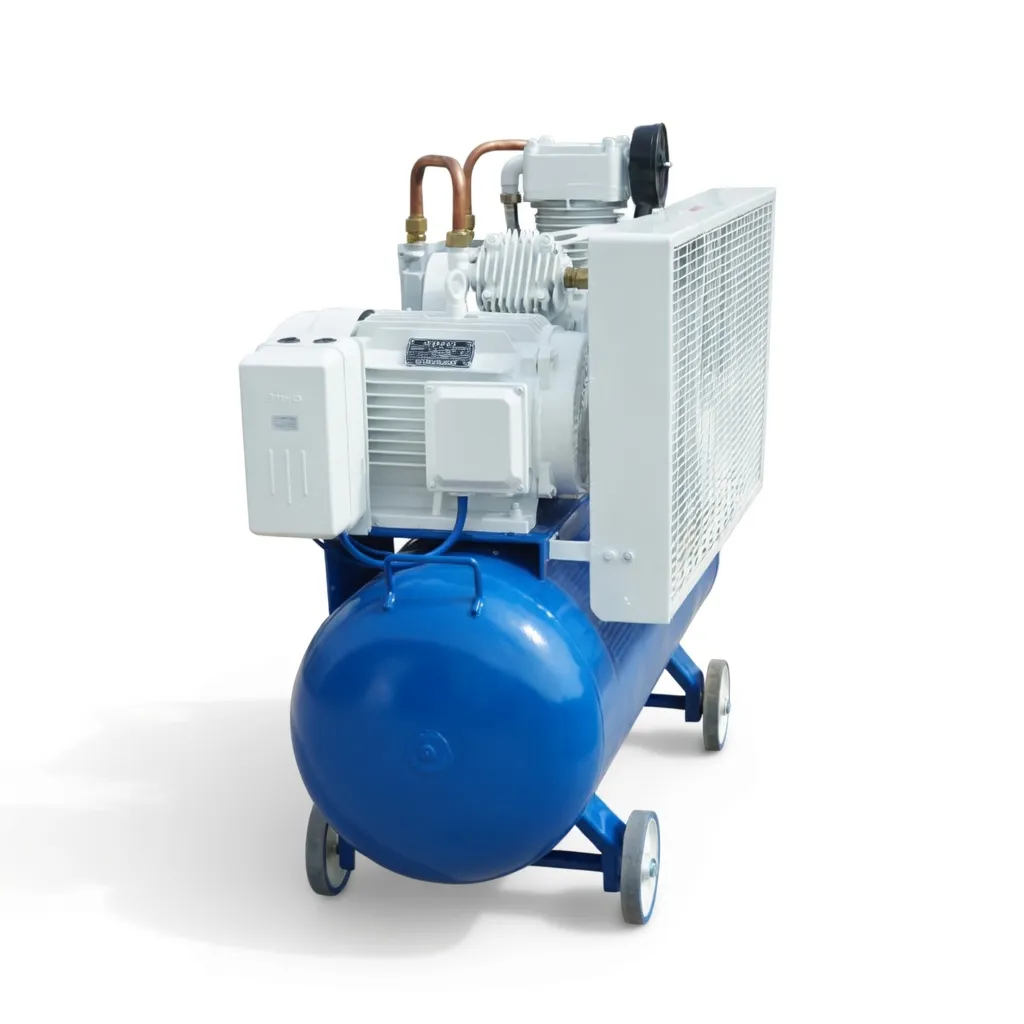
True oil-free compressors — specifically water-injected screw compressors and oil-free piston compressors — eliminate the contamination pathway entirely. The Ever Power range of oil-free air compressors used across bottling lines in the UK operates on PTFE-coated cylinder walls and stainless-internal-passageways technology, providing Class 0 oil-free air (as classified by ISO 8573-1) without any downstream filtration requirement for the oil removal stage. This dramatically simplifies the compressed air treatment train, reduces ongoing filter consumable costs, and eliminates a significant audit risk for BRC Global Standard and IFS Food-certificated sites — which covers most of Britain’s larger beverage manufacturers.
UK food manufacturers operating under BRC, SALSA, or STS (Safe and Local Supplier Approval) schemes must demonstrate compressed air purity compliance with ISO 8573-1. Oil-free compressors from Class 0 rated manufacturers provide the most straightforward audit evidence and reduce food safety risk scores significantly.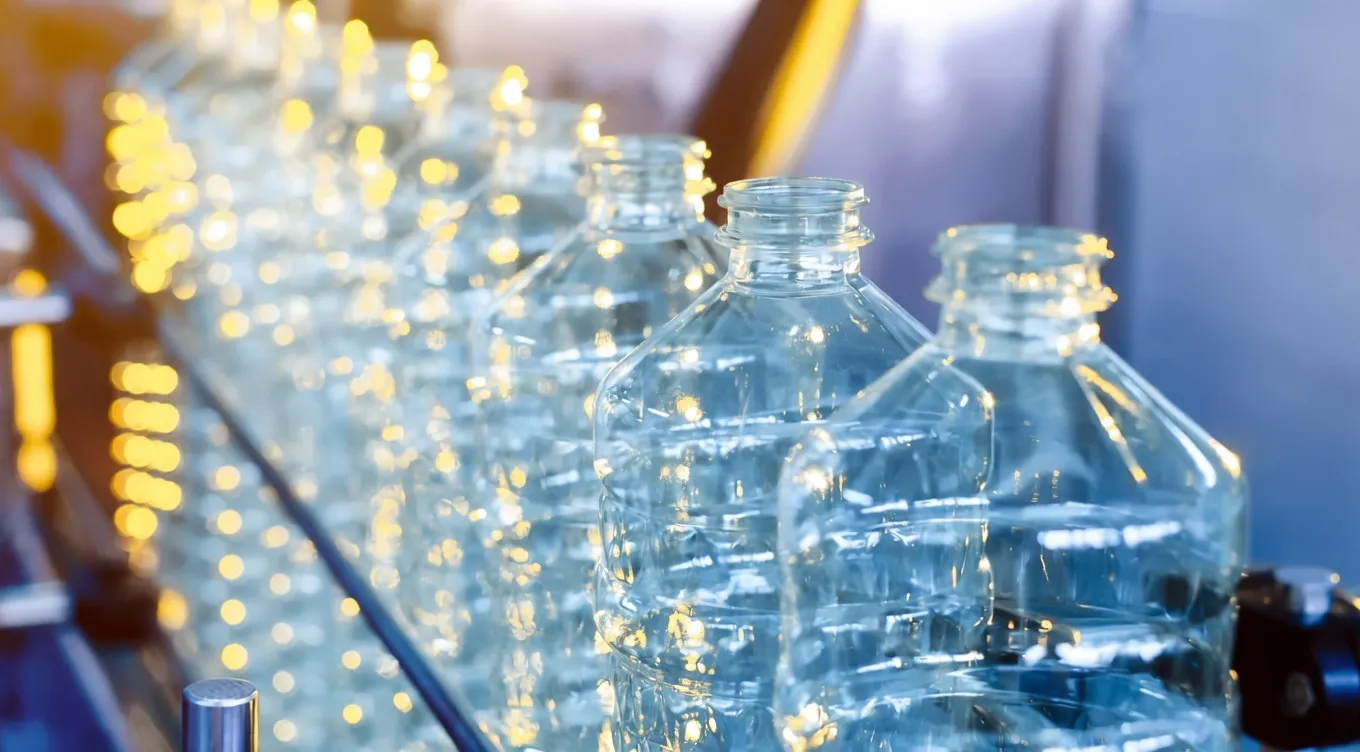
Technical Performance Specifications
Ever Power oil-free high-pressure air compressor series — beverage & PET blowing configuration
| Параметр | Low-Pressure Line | High-Pressure Blowing | Utility / Conveying |
|---|---|---|---|
| Working Pressure | 7 – 10 bar | 30 – 40 bar | 6 – 8 bar |
| Flow Rate (FAD) | 50 – 200 m3/h | 20 – 120 m3/h | 30 – 150 m3/h |
| Oil Content (ISO 8573-1) | Class 0 (0.001 mg/m3) | Class 0 (0.001 mg/m3) | Class 1 |
| Pressure Dew Point | -40°C PDP | -40°C PDP | -20°C PDP |
| Drive Motor Power | 15 – 75 kW | 37 – 160 kW | 11 – 55 kW |
| Уровень шума | ≤ 72 dB(A) | ≤ 78 dB(A) | ≤ 70 dB(A) |
| Метод охлаждения | Air or Water | Water-cooled standard | Air-cooled |
| VFD / IE4 Motor | Optional | Standard | Optional |
Where Air Compressors Fit Into Your Beverage Production Line
Compressed air doesn’t appear in a single place on a modern beverage line — it appears at virtually every station. Understanding the role and requirement at each point allows a competent application engineer to design a system that is both right-sized and correctly tiered in terms of pressure and purity. Over-engineering every stage with 40-bar, Class 0 air is wasteful and expensive; under-specifying critical stages creates quality and safety problems. The following outlines the key application points found on a typical UK bottling line.
PET Preform Blowing
Highest pressure stage. 35–40 bar, oil-free Class 0. Demands stable, pulsation-free delivery at high flow rates matching blow cycle frequency. Critical for wall-thickness consistency.
Liquid Filling & CSD Carbonation
6–8 bar utility air for pneumatic actuators on filling valves. CO2 boosting in carbonated drinks applications may require dedicated oil-free compressors to maintain gas purity.
Labelling & Capping Machines
Pneumatic label applicators and cap torque heads require clean, dry air at 5–7 bar. Moisture in the air at this stage causes label adhesion failures and capping mechanism wear.
Air Conveying Systems
Overhead air conveyors transport empty PET bottles between stations using low-pressure air jets (3–5 bar). Flow volume, not pressure, is the critical design parameter here.
Aseptic & Hot-Fill Packaging
Sterile air (ISO 8573-1 Class 1.1.1) is required for aseptic filling environments. Requires sterile filtration downstream of an already oil-free compressor — dual validation.
CIP / SIP & Cleaning Systems
Clean-In-Place and Sterilisation-In-Place circuits use compressed air to purge pipework and activate divert valves. High demand surges require well-buffered receiver vessels.
Why UK Beverage Manufacturers Choose Ever Power
Seven engineering-led advantages built specifically for food & drink production environments
Custom Engineering for UK Beverage Plant Specifications
No two bottling facilities are the same. A craft cider producer in Herefordshire running a single 12,000 BPH line has radically different compressed air requirements from a multi-line carbonated soft drink plant in Milton Keynes producing for a major grocery multiple. Ever Power’s manufacturing operation is built around flexible production cells that allow engineers to specify machine configurations that are genuinely tailored to the demands of each individual customer’s process — not a catalogue product forced into a non-ideal application.
Our custom air compressor design service for beverage and bottling applications covers a comprehensive range of engineering variables. Working pressure can be configured across our high-pressure series from 25 bar up to 45 bar; motor frame sizes and power ratings are selected from our validated range based on free air delivery calculations that account for altitude, inlet temperature, and pipeline pressure drop within the customer’s plant layout. For sites with limited floor space — a common constraint in older UK bottling halls that weren’t designed with modern high-speed lines in mind — we can supply vertically-configured compressor packages or multi-stage systems with external inter-cooler arrangements that allow the heat exchanger to be located outside the main production building, reducing internal temperature loads.
Compressed Air Demands Across UK Beverage Industry Segments
The United Kingdom has one of Europe’s most diverse and technically sophisticated food and drink manufacturing sectors. The British Soft Drinks Association estimates the sector produces over 14 billion litres of soft drinks annually, while Scottish and English whisky and gin distillers have driven explosive growth in glass and PET bottling capacity across the north of England, the Highlands, and the Central Belt. Craft beer in particular has created a wave of smaller-scale bottling investment — breweries from Cornwall to Aberdeenshire are now installing semi-automated PET and glass lines that require compressed air systems sized for intermittent high-demand cycles rather than the continuous duty profiles seen in volume beverage plants.
Water bottling is another significant growth area, with several natural mineral water brands operating extraction and bottling operations in Wales, Northern England, and the Scottish Highlands that have expanded their PET bottle output substantially since the mid-2010s. These sites present a specific set of compressed air challenges: they are often in rural locations with limited electrical infrastructure, making energy efficiency in the air compressor selection a more commercially critical factor than it might be on an urban industrial estate. Sites near Buxton, Crieff, or the Brecon Beacons, for example, may also face harder ambient temperature constraints in winter, which affect compressor inlet conditions and inter-cooler performance. Our application engineers account for all of these site-specific factors when specifying systems for UK customers.
| UK Beverage Segment | Key Air Use | Pressure Need | Purity Priority |
|---|---|---|---|
| Carbonated Soft Drinks (CSD) | PET blowing + CO2 transfer | 35–40 bar HP + 7 bar LP | Class 0 |
| Natural Mineral / Spring Water | Bottle blowing + filling actuation | 35–38 bar HP | Class 0 / Sterile |
| Craft Beer & Cider | Can/bottle filling, CIP purge | 6–10 bar | Class 1 |
| Spirits & Ready-to-Drink | Glass/PET fill, label application | 7–10 bar | Class 1 |
| Dairy / Plant-Based Drinks | Aseptic fill, sterile air | 8–12 bar | Class 0 / Sterile |
⭐ Customer Success Case Study
Hartfields Spring Water — Peak District Bottling Expansion, Derbyshire, UK
Hartfields Spring Water, a natural mineral water brand based near Bakewell in Derbyshire, undertook a significant production expansion in 2023, adding a second PET bottling line to meet growing demand from UK grocery and foodservice channels. Their existing compressed air system — a legacy oil-injected rotary screw компрессор from a previous owner — was incapable of supplying the 38-bar high-blow pressure required by the new SBO-8 stretch-blow moulding machine, and presented an unacceptable food safety risk for their BRC AA-grade production environment.
Ever Power’s UK application team conducted a full site survey, reviewing the plant’s electrical supply (a 250 kVA substation with limited headroom), ambient temperature profile across seasons, and compressed air demand calculations for both lines operating simultaneously. The solution specified was a water-cooled, dual-stage oil-free piston compressor rated to 40 bar with VFD control, paired with a refrigerant dryer and a point-of-use sterile filter skid. The system was delivered, installed, and commissioned within seven weeks of order placement — ahead of Hartfields’ critical summer ramp-up window.
“The Ever Power team understood our site constraints from the first conversation. They didn’t try to sell us an off-the-shelf package — they designed a system that fitted our available space and electrical budget. Since commissioning, we haven’t had a single blowing quality failure attributable to air supply, and our BRC auditor was satisfied with the compressed air documentation on the first visit.”
What UK Beverage Manufacturers Say
“We’ve been running Ever Power’s 40-bar oil-free compressor on our PET water line for two years without a single unplanned stoppage. The technical support before and after sale was genuinely impressive — they understood stretch-blow moulding, not just air compressors.”
“Our previous supplier couldn’t meet the 38-bar requirement for our aseptic line. Ever Power came in, ran the demand calculations properly, and delivered a custom-built unit within the lead time they promised. It passed our HACCP validation first time.”
“We replaced three old compressors with a single Ever Power VFD unit and saved enough on electricity in year one to pay for a substantial portion of the capital cost. The IoT monitoring means we can see real-time air quality data from the office — a big step forward for our BRC documentation.”
Часто задаваемые вопросы
Questions from UK beverage and bottling plant professionals
Ever Power Industrial Compressed Air
Ready to Specify the Right Air Compressor for Your Beverage Line?
Our UK application engineers are available to conduct a full compressed air demand audit, advise on ISO 8573-1 compliance, and prepare a detailed technical and commercial proposal — at no cost to you.
📧 Получите расчет стоимости прямо сейчас
Response within 1 business day · UK sales & engineering team · UKCA/CE certified products