
Air Compressors for Industrial Manufacturing: Engineering, Performance & UK Applications
A technical deep-dive into modern compressed air systems — from working principles and materials science to real-world performance data and British manufacturing applications.
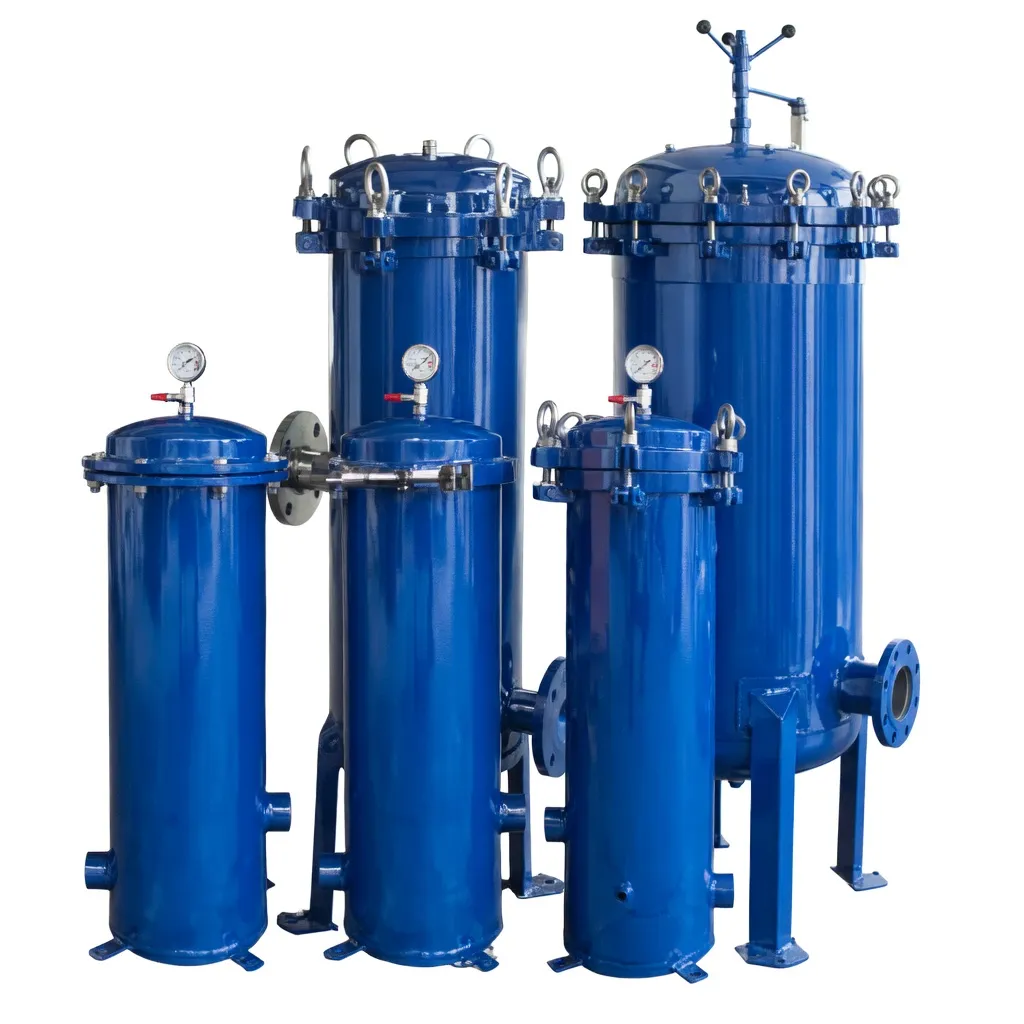 Compressed air systems underpin a staggering range of British manufacturing operations — from precision sheet-metal shops in Birmingham to high-throughput food processing facilities along the Humber corridor. An pemampat udara converts mechanical energy into stored pneumatic potential, delivering clean, dry, and pressurised air to power pneumatic tools, laser cutting machines, spray booths, and countless automated assembly lines. As UK manufacturers face mounting pressure to cut energy bills while maintaining tight tolerances, the specification and selection of the right compressor has never mattered more. Modern rotary screw and variable-frequency-drive machines have dramatically shifted the performance benchmark, offering continuous-duty cycles, intelligent load management, and dramatically reduced specific energy consumption compared with older reciprocating units. This guide covers everything from the internal thermodynamics of compression to the material grades used in rotor manufacturing, application-specific sizing guidance, and a clear look at what British industry actually demands from its compressed air infrastructure.
How Air Compressors Work: Compression Thermodynamics Explained
In a rotary screw machine, two intermeshing helical rotors — a male and a female — rotate in opposite directions inside a precision-bored housing. Ambient air is drawn in at one end, trapped between the screw threads and the housing wall, and progressively compressed as the working volume decreases along the rotor length. No valves are needed; compression is continuous, smooth, and virtually pulse-free. Oil-flooded variants inject lubricant directly into the compression chamber for sealing, cooling, and rotor lubrication, achieving discharge temperatures low enough to protect downstream equipment. Oil-free twin-screw designs use externally timed gears to maintain a precise rotor-to-rotor clearance, eliminating oil contamination entirely — a requirement for pharmaceutical, food, and electronics manufacture across England and Wales. Modern variable-frequency-drive (VFD) screw compressors adjust rotor speed in real time to match demand, slashing part-load energy consumption by up to 35% and enabling payback periods well under two years on high-utilisation UK sites.
Reciprocating compressors operate through a crank-driven piston moving within a cylinder. As the piston descends, it creates a partial vacuum, opening the inlet valve and drawing air into the cylinder. The piston then rises, closes the inlet valve, and compresses the trapped air until discharge pressure forces the outlet valve open. Single-stage units achieve pressures up to roughly 10 bar; two-stage designs with intercooling between stages routinely deliver 14–17 bar, which is demanded by many British steel fabrication and automotive spray-finishing operations. The inter-stage cooling stage removes the heat of compression, reducing the work required in the second stage and improving mechanical efficiency. While reciprocating machines produce pulsating flow — requiring receiver tanks to smooth delivery — they excel in intermittent-duty applications where their lower capital cost and straightforward serviceability are attractive to smaller fabrication shops across the Midlands and the North of England.
Centrifugal compressors use high-speed impellers to impart kinetic energy to the air stream, which is then converted to pressure as velocity drops through a diffuser. They are characterised by very high flow rates and inherently oil-free output, making them the preferred choice for large-scale chemical plants and power generation facilities throughout the UK. Scroll compressors, by contrast, use two interleaved spiral-form plates — one fixed, one orbiting — to trap and progressively compress pockets of air. Their exceptionally quiet operation, compact footprint, and truly oil-free output make them ideal for dental surgeries, laboratory environments, and clean-room assembly operations. Efficiencies in scroll machines have improved dramatically through improved involute geometry manufacturing and tighter tip-seal tolerances, with modern units achieving specific power figures competitive with small screw machines in their class. Together, these technologies form a comprehensive toolkit addressing every compressed air demand across British industry.
Core Materials Used in Air Compressor Manufacturing
Used for scroll compressor elements, intercooler end caps, and VFD enclosures. Alloys such as A356 and 6061-T6 combine light weight with excellent thermal conductivity, aiding heat dissipation. Anodised finishes protect against corrosion in high-humidity coastal environments common across much of the UK coastline.
Grade 316L stainless is used in moisture separators, precision filters, and receiver tanks for oil-free and food-grade systems. It withstands corrosive condensate and cleaning-in-place (CIP) cycles used in UK food processing. Electropolished internals achieve surface roughness below Ra 0.4 µm, minimising bacterial adhesion.
Polytetrafluoroethylene piston rings and tip seals in oil-free machines eliminate metallic contact between moving and stationary elements. Carbon-filled PTFE grades maintain dimensional stability across the full operating temperature range (−40°C to +200°C), and their near-zero friction coefficient reduces drive motor power demand by 3–7% compared with older graphite-ring designs.
Aftercoolers and intercoolers commonly use copper-brass tube bundles for their outstanding thermal conductivity (385 W/m·K). In more aggressive duty cycles, aluminium braised-core or stainless tube designs are substituted. Effective cooling keeps discharge air temperatures within 3–8°C of ambient, protecting downstream dryers, filters, and pneumatic tools.
Technical Performance Parameters Table
Core Technical Advantages of Modern Industrial Air Compressors
VFD-equipped screw compressors match motor speed precisely to instantaneous air demand, eliminating the unloaded running energy losses that account for 15–30% of power consumption in fixed-speed machines. On a typical UK manufacturing site running two shifts daily, this translates to annual electricity savings of £4,000–£18,000 per unit, depending on site pressure requirements and energy tariff rates. Integrated smart controllers log demand profiles and flag optimisation opportunities, giving energy managers the data needed to satisfy ESOS audit requirements.
Approximately 94% of the electrical energy input to a rotary screw compressor is converted to heat, and modern heat recovery packages capture 60–70% of this for space heating, process hot water, or drying applications. For a 75 kW compressor operating 6,000 hours per year, this represents recoverable heat energy equivalent to roughly 270,000 kWh — a genuine and bankable sustainability contribution that supports UK Net Zero commitments and can substantially reduce a site’s gas consumption. Plate-heat-exchanger-based recovery packages are available as factory-fit or retrofit options.
ISO 8573-1 Class 0 certified oil-free compressors guarantee zero risk of oil contamination in the compressed air stream. This is non-negotiable in pharmaceutical manufacturing across the Golden Triangle of Oxford–Cambridge–London, food and beverage processing, electronics assembly, and any application where oil contamination would damage product quality, trigger regulatory non-compliance, or invalidate customer warranty claims. Class 0 certification is validated by independent third-party testing, providing a defensible quality record for audit purposes.
Advanced compressor controllers now offer OPC-UA and MQTT connectivity, enabling integration with factory SCADA systems, building energy management systems (BEMS), and cloud-based condition monitoring platforms. Real-time dashboards track bearing temperatures, oil differential pressure, rotor speed, and system pressure with millisecond resolution. Predictive maintenance algorithms analyse vibration signatures to forecast bearing replacement windows with 85–92% accuracy, cutting unplanned downtime events that cost UK manufacturers an estimated £180 billion annually across all sectors.
Premium rotor coatings — including physical vapour deposition (PVD) titanium nitride and chrome-nickel plasma spray — extend rotor service life beyond 80,000 hours of operation in clean-air environments. Combined with synthetic polyolester lubricants (where applicable) that double oil change intervals to 8,000 hours versus 4,000 for mineral oil, total cost of ownership over a 15-year asset life is dramatically reduced. Factory-level MTBF data from ever-power’s QA department shows bearing failure rates 34% below industry average, a direct consequence of rigorous incoming inspection and precision assembly protocols.
Modern booster compressor packages allow a single base-load screw unit to serve both standard factory ring-main pressure (typically 7–8 bar) and high-pressure demands (25–40 bar) simultaneously — covering everything from PET bottle blowing in beverage plants to hydraulic testing in Sheffield’s specialist engineering workshops. Tandem and cascade configurations managed by master controller systems balance wear across multiple units, maximise system redundancy, and ensure uninterrupted production even during planned maintenance windows.
Industrial Application Scenarios: Where Air Compressors Drive UK Manufacturing
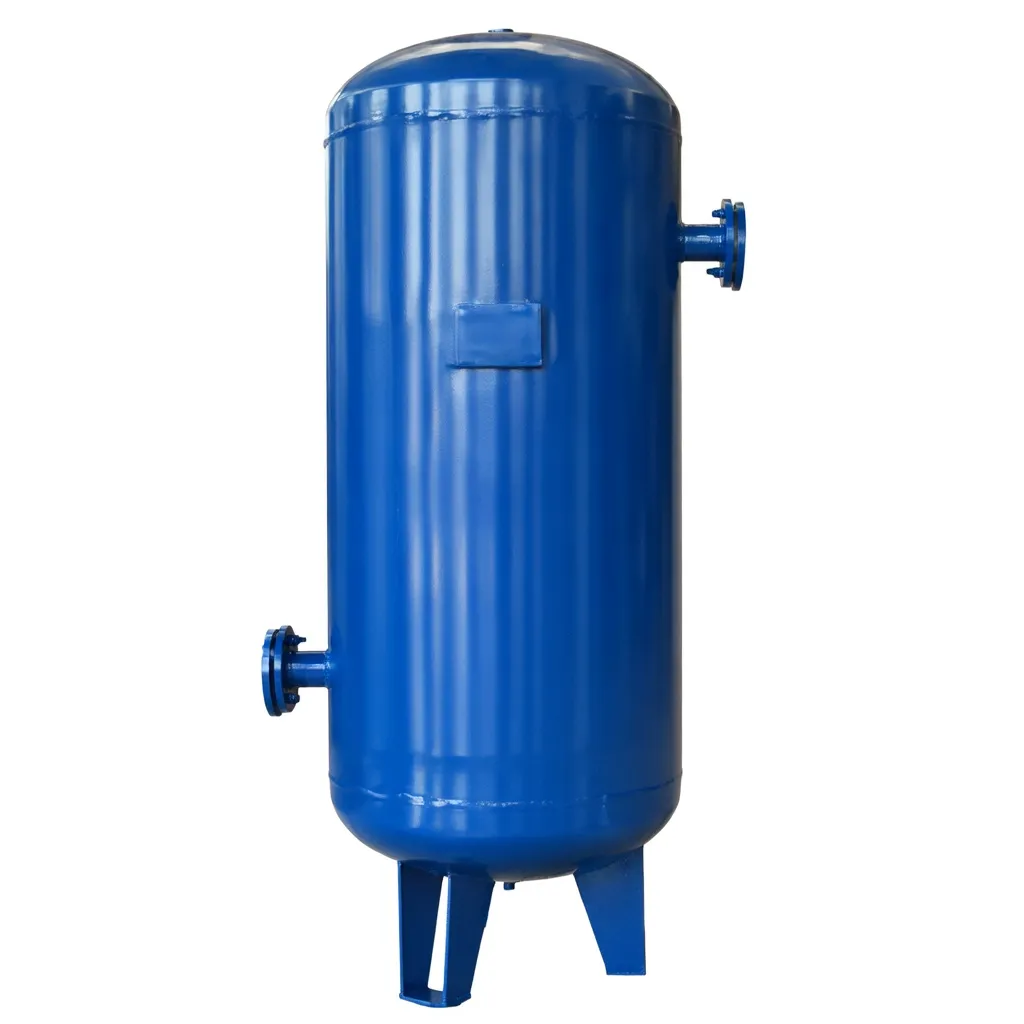 The versatility of compressed air means it appears in virtually every corner of industrial Britain — from the cavernous aircraft hangars of Bristol Aerospace to the tightly controlled clean rooms of Cambridge semiconductor fabrication facilities. Understanding the specific performance demands of each sector is essential to correct compressor specification, and getting it wrong is expensive: under-specification leads to pressure drop events that halt production lines, while over-specification wastes capital expenditure and inflates energy bills unnecessarily. The following application analysis covers the dominant UK industrial sectors where air compressors play a mission-critical role.
Fibre and CO2 laser cutting machines depend on high-purity, dry compressed air as an assist gas for cutting mild steel, stainless, and aluminium plate. Typical working pressures range from 8–16 bar, with air quality requirements of ISO 8573-1 Class 1.2.1 to prevent nozzle contamination and lens degradation. Sheffield’s world-class steel processing sector and the West Midlands’ dense concentration of automotive subcontractors represent the two largest user groups for laser-assist compressor systems in England. Air receiver volume must be sized to absorb pierce-start surge demand without pressure drop below the machine’s minimum cut-quality threshold — typically ±0.2 bar regulation tolerance.
Food-grade compressor installations across Lincolnshire’s vegetable processing complexes, Yorkshire’s meat processing facilities, and the East Midlands’ established baked goods sector require ISO Class 0 oil-free air as a non-negotiable compliance baseline. Applications include pneumatic conveying of dry ingredients, product cooling, packaging inflation, label blowing, and modified atmosphere packaging (MAP). British Retail Consortium (BRC) and SQF auditors inspect compressed air systems as part of site certification visits, making documented air quality monitoring and filter change records a legal and commercial necessity. Compressor selection typically favours scroll or water-cooled oil-free screw designs for their reliability in 24/7 production environments.
The UK automotive supply chain — anchored by major assembly plants in Sunderland, Ellesmere Port, and the broader West Midlands manufacturing corridor through Birmingham and Coventry — consumes compressed air at extraordinary scale. Body shop paint spray booths require stable, dry air at 6–7 bar to atomise paint correctly and achieve Class A surface finishes. Tyre inflation equipment, pneumatic assembly torque wrenches, air-bearing wheel-alignment rigs, and robotic spot-welding cooling circuits each impose distinct pressure, flow, and quality demands. Central compressor houses supply multiple ring mains operating at different pressures, managed by master sequencing controllers that optimise across fleets of 5–12 compressor units running in staged operation.
UK pharmaceutical facilities regulated by the MHRA require compressed air systems that conform to GMP Annex 1 standards. This mandates Class 0 oil-free air throughout, full documentation of air quality testing intervals, installation qualification (IQ), operational qualification (OQ), and performance qualification (PQ) protocols before a new compressor system can be commissioned into GMP service. Cheshire’s established API manufacturing cluster and the Thames Valley life sciences corridor around Reading and Slough represent significant concentrations of demand. Redundancy is built into every installation — N+1 standby compressors are standard, and systems are typically designed to maintain full rated flow even with the largest unit offline for planned maintenance.
Bristol’s Rolls-Royce and Airbus-linked manufacturing ecosystem, Derby’s engine component supply chain, and the defence manufacturing cluster around Portsmouth all demand air compressors capable of supporting precision measurement instruments, composite fibre lay-up tooling, surface treatment booths, and non-destructive testing (NDT) equipment. Aerospace specifications under AS9100 and NADCAP frequently require compressed air purity Class 1.1.1 (the most demanding achievable), with particle counts, moisture content, and oil aerosol levels logged continuously and stored for full traceability. Vibration-isolated compressor housings and acoustic enclosures are standard to protect sensitive metrology equipment nearby.
Air-jet weaving looms — common in specialist textile production facilities across Burnley, Bradford, and the wider Lancashire-Yorkshire corridor — use precisely metered jets of compressed air to propel the weft thread across the loom shed at speeds exceeding 1,000 insertions per minute. The air supply must be dry (dew point −20°C or below at line pressure), filtered to Class 1 particulate, and delivered at extremely consistent pressure to prevent thread breakage and maintain weave quality. Compressor systems in this sector typically incorporate twin-tower desiccant dryers and cycling refrigerated dryers working in series to achieve the required dew point reliability, with redundant compressors ensuring continuity across 24/7 shift patterns.
Ever Power: Precision Manufacturing & Custom Compressor Solutions
Ever Power operates a state-of-the-art manufacturing facility equipped with multi-axis CNC machining centres, precision rotor grinding lines, and automated assembly stations that bring compressed air compressor components from raw billet to finished unit with full in-house process control. Our vertically integrated supply chain — covering casting, precision machining, surface treatment, assembly, and factory acceptance testing — eliminates the quality risks inherent in multi-vendor outsourcing and gives our engineers complete visibility over every tolerance stack in a finished assembly.
Customisation capability is a core differentiator at Ever Power. Our engineering team handles bespoke specifications as standard workflow — from non-standard pressure ratings (up to 40 bar custom builds), unusual port configurations, and ATEX-compliant units for hazardous area classification, through to special anti-corrosion paint systems for marine and offshore platform installations around the UK coastline. We maintain a library of over 800 validated custom configurations developed for clients across the pharmaceutical, food, aerospace, and heavy engineering sectors, enabling rapid quote-to-drawing turnaround for repeat specification types.
Quality assurance at Ever Power is ISO 9001:2015 certified, with every compressor unit subjected to a full factory acceptance test (FAT) protocol before dispatch. FAT records include noise measurement, vibration signature analysis, free air delivery verification against ISO 1217 Annex C, oil carryover measurement, and thermal performance data — all supplied to the customer as a traceable quality pack. Spare parts availability is guaranteed for 15 years post-delivery, supporting long asset lives and eliminating obsolescence risk for UK procurement managers who specify compressors into 10-year maintenance contracts.
Standard 6–13 bar up to 40 bar bespoke builds. ATEX Zone 1 & 2 options available on request.
Full FAT documentation, traceable material certificates, and MDDR documentation supplied as standard.
Guaranteed parts availability and global freight dispatch within 48 hours for critical rotors, bearings, and seal kits.
Established freight routes through Felixstowe and Southampton. Typical ex-works to UK site delivery in 14–21 days for standard units.
Featured Ever Power Compressor Products
The CM160PVF delivers 160 kW of continuous compressed air output with a high-efficiency permanent magnet VFD motor, achieving a specific power of 5.4 kW/m³/min at 8 bar — among the best in its class. Designed for demanding continuous-duty applications in UK laser cutting facilities, automotive plants, and large-scale food production, the CM160PVF features an integrated IE4 drive, intelligent pressure regulation (±0.1 bar), and a comprehensive IoT monitoring interface with Modbus/TCP connectivity. Its oversized oil cooler and aftercooler ensure discharge air temperature remains within 5°C of ambient even during peak summer operation in warm production facilities. This unit is available from Ever Power with full factory acceptance test documentation and a choice of standard or non-standard pressure ratings.
Ever Power’s Variable Speed Drive Screw Air Compressor range spans 7.5 kW to 315 kW, providing an optimised solution for applications with variable and fluctuating air demand profiles — a characteristic of the majority of real-world UK industrial sites. The VSD control system continuously adjusts motor speed between 25% and 100% of rated output, maintaining constant system pressure with virtually zero unloaded running losses. The range incorporates high-efficiency IE3 or IE4 motors, integrated micro-filtration, and an oversized air-oil separator to maintain oil carryover below 1 mg/m³ without requiring downstream polishing filters in standard-cleanliness applications. For UK buyers, the range is available on short lead times with standard 400V/50Hz electrical specification and CE marking, facilitating straightforward integration into existing factory infrastructure.
Customer Success Story: Sheffield Precision Sheet Metal — Laser Cutting Facility Upgrade
 Radford Steel Fabrication Ltd, a third-generation precision sheet metal specialist based in the Lower Don Valley area of Sheffield, South Yorkshire, operates four Bystronic fibre laser cutting machines producing components for the UK rail, construction, and industrial equipment sectors. In early 2024, the company’s existing compressed air infrastructure — a legacy fleet of three ageing fixed-speed rotary screw compressors installed in the early 2010s — was identified as the single largest contributor to the site’s electricity bill, accounting for 28% of total energy consumption despite serving machines running at only 55–65% average capacity utilisation.
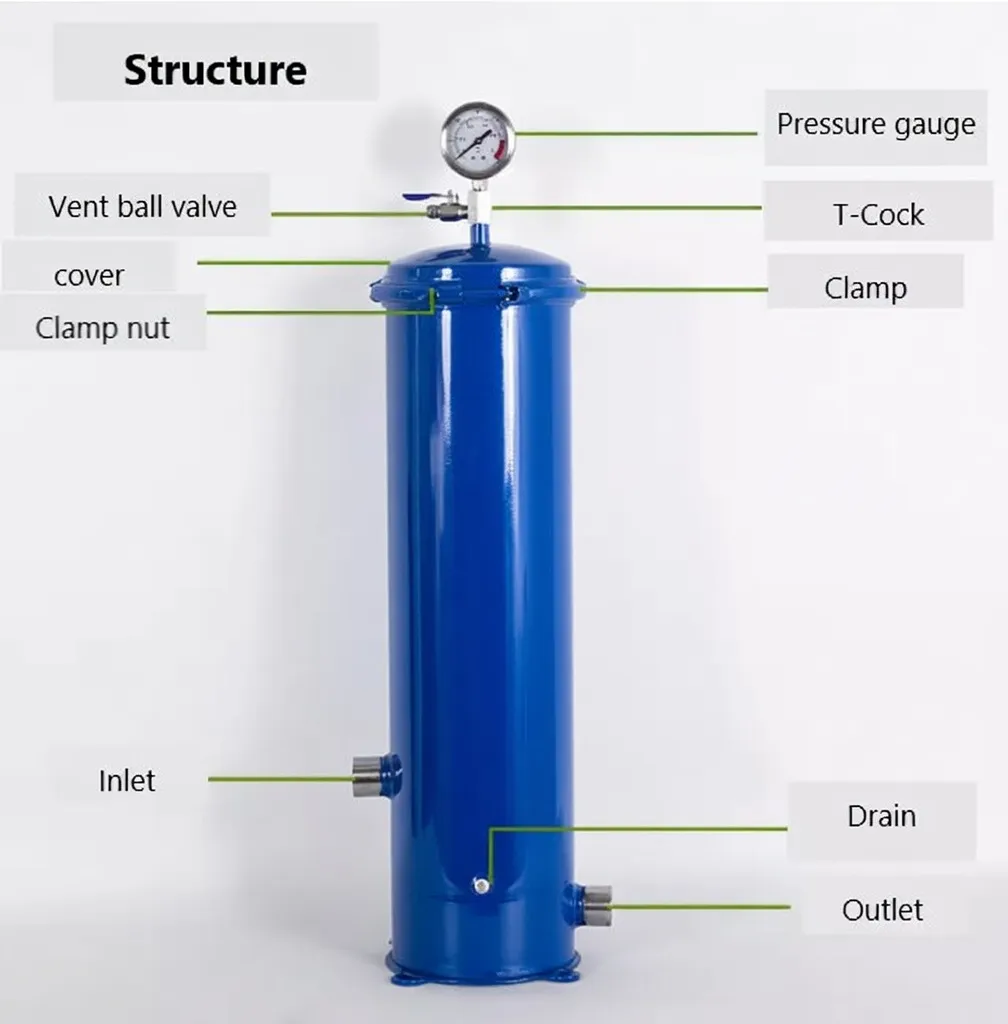
After a detailed site air audit — including 72-hour demand logging across all four laser cells — Ever Power’s technical team recommended replacing the three legacy units with two CM160PVF Variable Frequency Screw Air Compressors running in master-slave configuration, served by an upgraded 1,200-litre stainless receiver and a dedicated refrigerated dryer with cycling control. The two-compressor configuration provides N+1 redundancy while the VFD units dynamically share load, with the slave unit only spinning up when demand exceeds the primary machine’s capacity.
Following commissioning in April 2024, Radford Steel’s energy monitoring platform recorded a 34% reduction in compressor electricity consumption during the first three months of operation, equating to an annualised saving of approximately £22,400 at their contracted tariff rate. Unplanned compressor downtime events — which had averaged 4.2 per quarter under the old fleet — dropped to zero in the first six months, eliminating the costly production interruptions that had previously resulted in missed delivery commitments to key rail sector customers. The project achieved a calculated return on investment of 2.1 years including installation costs, and Ever Power’s team completed the full installation, commissioning, and handover in a scheduled weekend shutdown to minimise production impact.
“The CM160PVF machines have completely changed how we think about compressed air. We used to treat the compressor room as a black box that just consumed electricity. Now we have real-time dashboards, pressure stability we never had before, and a power bill that reflects what we actually use rather than what the machines were designed to consume at full load. Ever Power’s commissioning team knew the system inside out — they set pressure bands and soft-start parameters on-site and left us with a fully configured monitoring dashboard. Outstanding service from specification right through to handover.”
“We’ve specified compressors from three different manufacturers over the past decade, and the quality of Ever Power’s manufacturing is genuinely in a different league for the price bracket. The FAT documentation was thorough and the rotor assembly tolerances were tight — tighter than the specification sheets showed. Six months in, bearing temperatures are still exactly where they were on day one. That level of consistency tells you everything about the quality of build. I’d recommend Ever Power to any high-utilisation laser facility without reservation.”
“We asked Ever Power to configure non-standard 12 bar delivery pressure for one of our dedicated cutting cells, which was a custom requirement none of the UK distributors we spoke to could accommodate on a standard order. Ever Power had the modified unit on the factory test bench within three weeks of our purchase order, and delivered with the full 12 bar FAT certification pack. The fact that they could do custom specifications without a painful upcharge or extended lead time was what sealed the deal. Their freight coordination through our Sheffield logistics provider was seamless — machine arrived on time and on budget.”