레이저 절단용 스크류 공기 압축기: 영국 산업 현장 운영을 위한 완벽한 기술 가이드
Precision-engineered compressed air systems designed for fibre, CO₂ and mixed-gas laser cutting environments — from Birmingham fabrication shops to Sheffield aerospace suppliers.
How a Rotary Screw Air Compressor Works Inside a Laser Cutting Environment
The rotary screw mechanism consists of two intermeshing helical rotors — a male rotor with typically four lobes and a female rotor with six flutes — housed inside a precision-bored casing. As the rotors turn, air is drawn through the inlet valve and trapped progressively in the diminishing space between the rotor profiles and the casing wall. This progressive reduction in volume compresses the trapped air until it reaches the delivery port and passes through the oil separation system. Unlike reciprocating piston compressors, which deliver pulsed air output, the screw mechanism produces a virtually continuous, pulse-free air stream — a property that is particularly valuable for laser cutting where stable nozzle pressure is non-negotiable for repeatable cut quality.
Oil-injected variants introduce a precisely metered flow of lubricating oil into the compression chamber. This oil serves three simultaneous functions: it seals the microscopic clearances between rotor profiles to prevent blow-by, it lubricates the rotor bearings and timing gears, and it absorbs the heat of compression — keeping discharge temperatures around 70–90 °C rather than the 200 °C or higher that a dry-screw or piston unit might produce. The compressed air-oil mixture then passes through a coalescing oil separator, reducing residual oil content to typically less than 3 parts per million before the air reaches the downstream filtration train. For laser cutting, this post-compression filtration chain — comprising a coalescing filter, an activated carbon filter and a refrigerant or adsorption dryer — is as important as the compressor itself.
Variable frequency drive (VFD) screw compressors add a further layer of intelligence to this process. The AC motor driving the main rotor group is controlled by a frequency inverter that matches motor speed — and therefore air output — precisely to the instantaneous demand from the laser cutting machine. During piercing cycles, nozzle pressure requirements spike; during repositioning, demand drops sharply. A fixed-speed compressor responds to this variation by unloading and reloading repeatedly, wasting energy and accelerating valve wear. A VFD unit simply slows or speeds the motor within its operating range, holding pressure within a narrow band of typically ±0.1 bar while consuming only the power the process actually needs. UK operators running two or more shift patterns routinely report energy savings of 25–40% after switching from fixed-speed to variable-frequency screw compressors.
Core Materials and Metallurgical Choices That Define Long-Term Reliability
The durability of a screw air compressor used in laser cutting applications is almost entirely determined by the materials chosen for its rotor group, airend casing, filtration components and pressure vessels. Ever Power specifies cast iron for the main airend casing — a high-strength, close-grained grade with good vibration damping characteristics — because cast iron maintains dimensional stability across the thermal cycling that occurs when a compressor starts cold in a British morning and runs to full operating temperature through a busy production shift. The rotor pair is machined from EN8 or EN16 steel alloy, heat-treated to achieve surface hardness in the range of 56–60 HRC, and finished by CNC profile grinding to rotor clearances of 50–80 microns — tight enough to minimise blow-by without the risk of contact under thermal expansion.
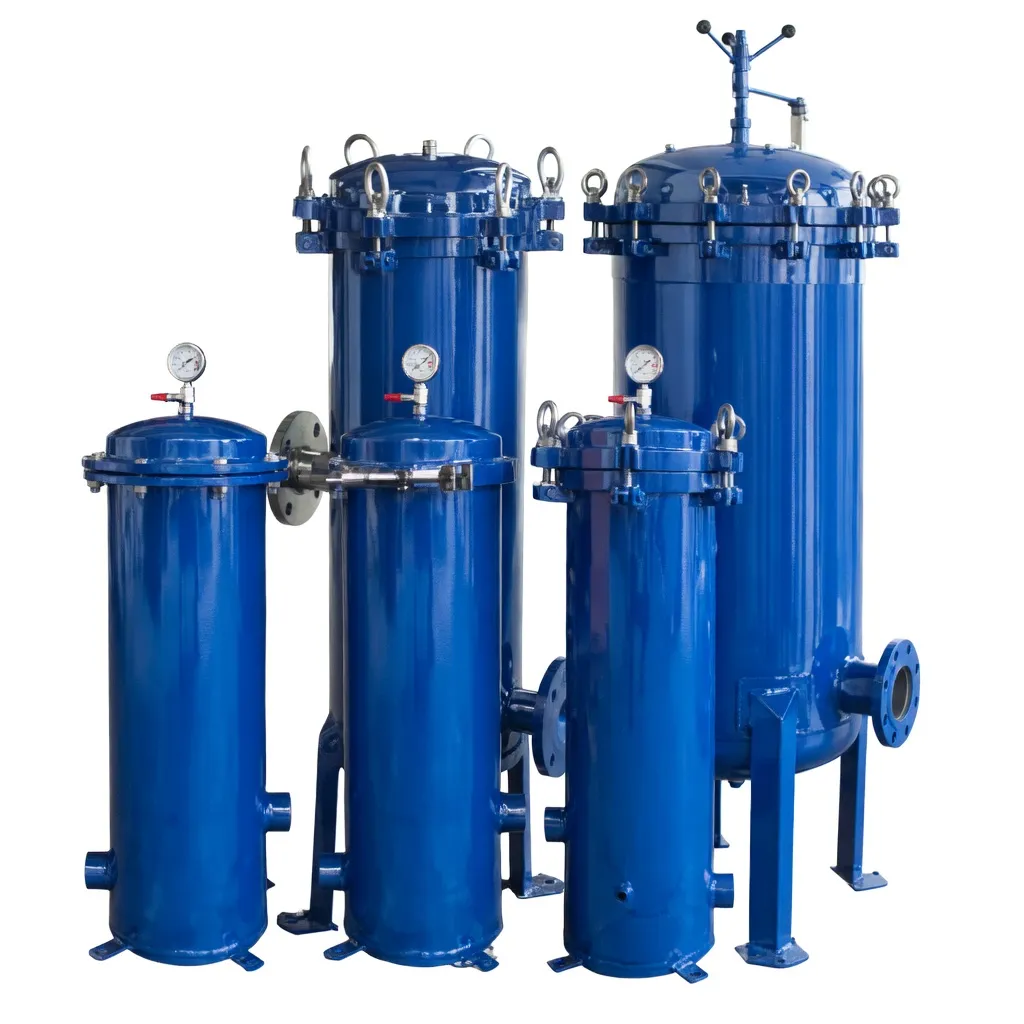
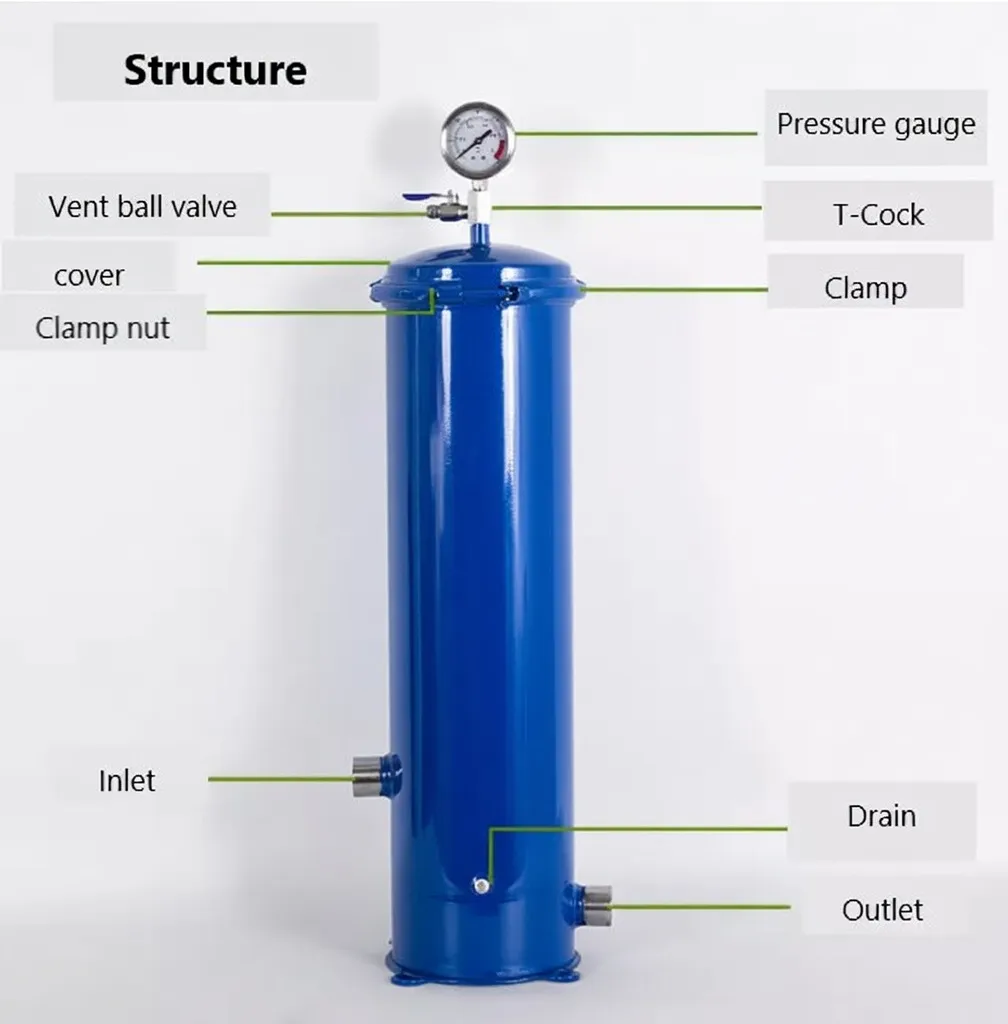
Post-processing filtration components deserve equal attention. The oil separator vessel is fabricated from Q235B structural steel with an internal glass-fibre and borosilicate wool coalescence element. Precision filter housings — particularly those used in the activated carbon stage — are manufactured from 304-grade stainless steel in Ever Power’s product range, chosen for its resistance to the condensate acidity that forms when atmospheric moisture is compressed. The precision filter shown in our stainless-steel product line uses 316L stainless for the filter bowl where chloride environments, such as coastal industrial sites in East Anglia or Teesside, demand enhanced corrosion resistance.
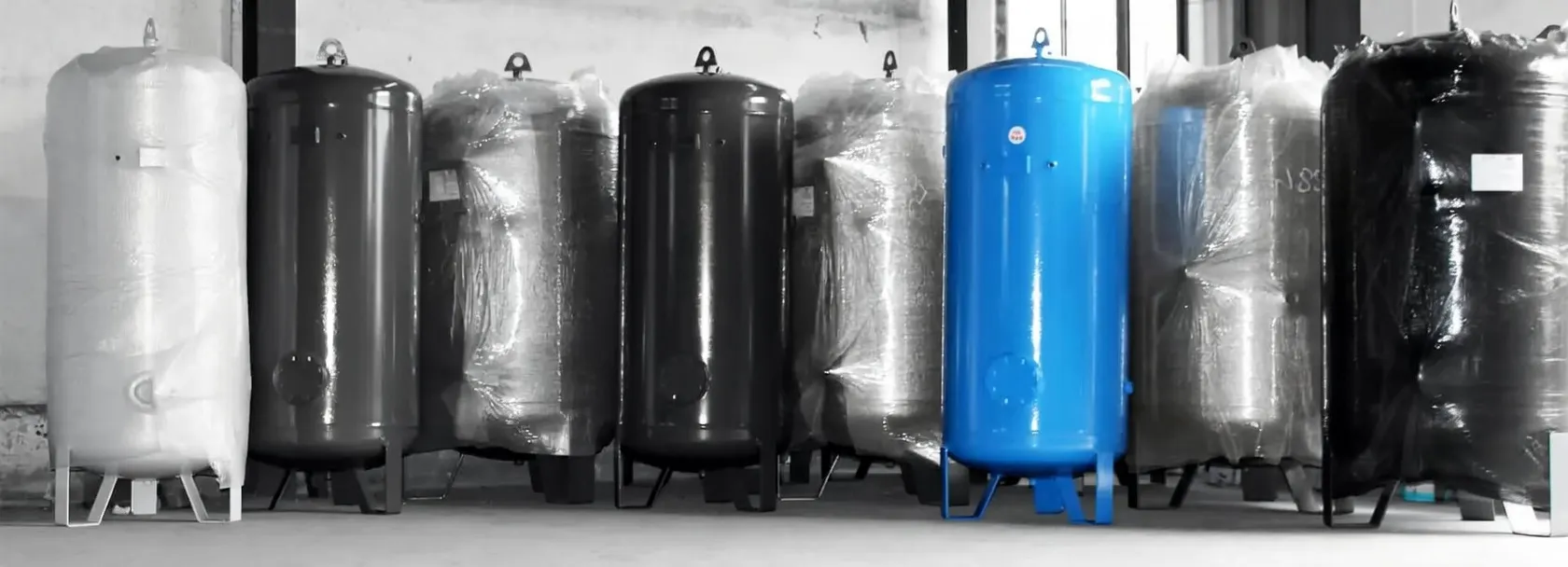
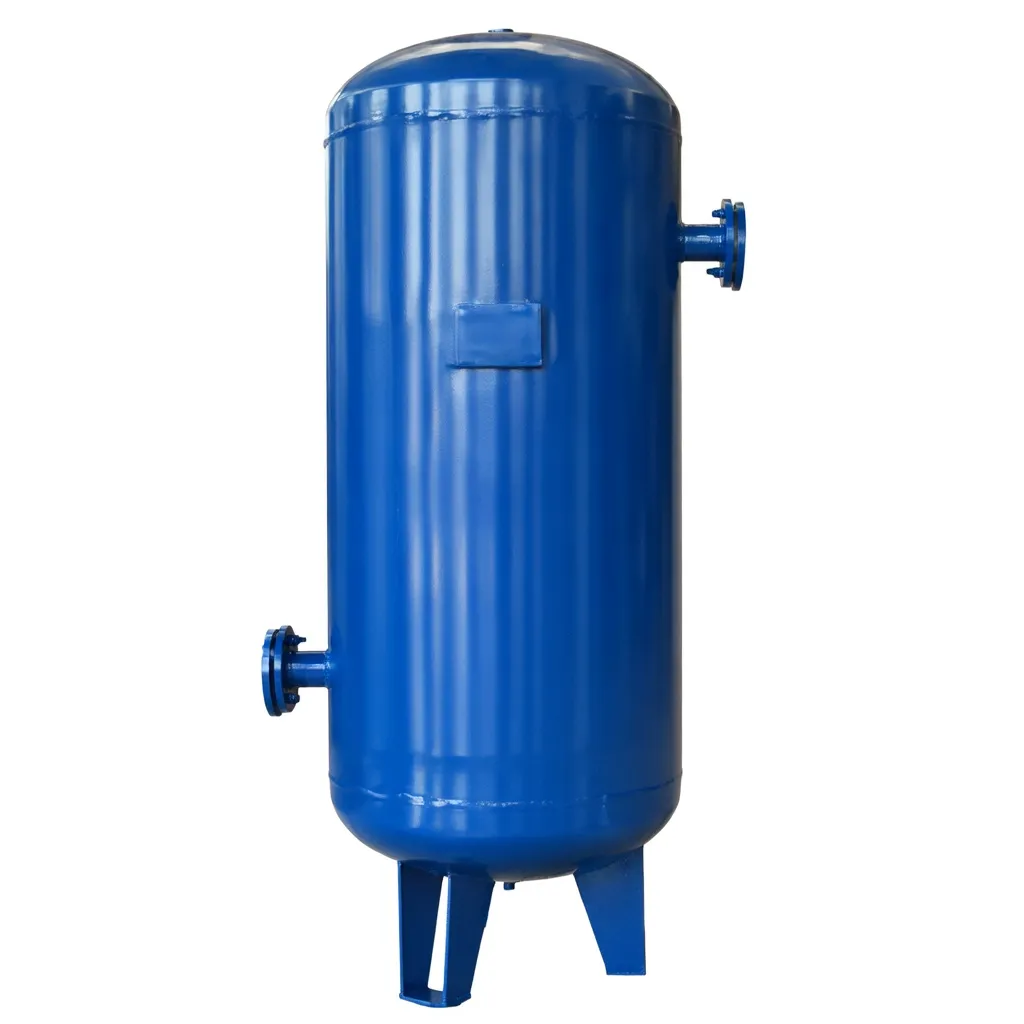
Compressed air storage receivers used in laser cutting buffer systems are manufactured from mild steel plate with internal epoxy or polyurethane lining, or in stainless steel where moisture contamination must be eliminated entirely. The receiver shell is seam-welded to EN 13445 European Pressure Vessel Standard — a standard that is fully maintained and adopted in UK law post-Brexit as UKCA. Stainless steel gas tanks specified for our air treatment systems carry 304-grade shells with electropolished internal surfaces, reducing the surface roughness that would otherwise harbour moisture and bacterial growth in food-adjacent laser cutting operations such as those found in Birmingham’s packaging manufacturing cluster.
Seven Technical Advantages That Set Industrial Screw Air Compressors Apart for Laser Cutting
Rotary screw technology eliminates the pressure spikes associated with piston compressors. Stable nozzle pressure translates directly into consistent kerf width and cleaner cut edges, reducing post-process deburring time on UK production lines.
Variable frequency drive models modulate motor speed to match actual cutting demand in real time. With UK industrial electricity averaging 25–32 p/kWh, VFD screw compressors typically recover their cost premium within 18–30 months of operation.
Up to 80% of compression heat can be recovered from oil-cooled screw units and redirected to space heating or process water systems — a tangible sustainability benefit for UK manufacturers pursuing carbon reduction targets under the Net Zero Strategy.
Integrated refrigerant dryers deliver pressure dew points of +3 °C at line pressure, while optional adsorption dryers reach -40 °C PDP for titanium and aluminium cutting. Moisture-free air prevents lens contamination and nozzle oxidation.
Sound-attenuated canopies with acoustic foam lining keep screw compressor noise below 68 dB(A) at 1 m — well within the Control of Noise at Work Regulations 2005 action level of 80 dB(A) — enabling installation in open-plan production areas.
Premium synthetic lubricants extend oil-change intervals to 6,000–8,000 operating hours. Air-end overhaul cycles of 24,000 hours or more reduce total cost of ownership — a key procurement criterion for UK industrial buyers evaluating 10-year lifecycle costs.
Microprocessor controllers with Modbus RTU/RS485 and optional Ethernet connectivity enable remote pressure monitoring, predictive maintenance alerts and integration with factory MES platforms — supporting Industry 4.0 adoption across UK manufacturing sites.
Technical and Performance Parameter Reference Table
The following table consolidates the core performance parameters that engineering teams and procurement managers in the UK should evaluate when specifying a screw air compressor for laser cutting applications. Values shown represent the EP industrial series range; custom configurations are available on request.
| 매개변수 | Entry Range | Mid Range | High Capacity | Unit / Notes |
|---|---|---|---|---|
| 모터 출력 | 7.5 – 15 | 22~55세 | 75 – 160 | kW (IE3 / IE4 class) |
| 무료 항공 배송(FAD) | 1.0 – 2.5 | 3.5 – 9.0 | 12 – 28 | m³/min at rated pressure |
| 작동 압력 | 7~10 | 8~13세 | 10~16세 | bar(g) — adjustable |
| 방전 온도 | ambient +5 °C to ambient +15 °C | °C above ambient (oil-cooled) | ||
| 오일 캐리오버 | ≤ 3 ppm (post-separator) | mg/m³ at outlet | ||
| 압력 이슬점 (건조기 포함) | +3 °C (refrigerant dryer) | -40 °C (adsorption dryer) | °C PDP at line pressure | |
| 소음 수준 | 62 – 65 | 65~68세 | 68 – 72 | dB(A) at 1 m |
| 로터 재질 | EN8/EN16 alloy steel, HRC 56–60, CNC profile ground | — | ||
| Airend Casing Material | Close-grained cast iron (HT250 grade) | — | ||
| 필터 하우징 재질 | 304 / 316L stainless steel (precision filtration stage) | — | ||
| 압력 용기 표준 | EN 13445 / UKCA marked | — | ||
| VFD Frequency Range | 30 – 60 | 25 – 65 | 20 – 70 | Hz (model-dependent) |
| 오일 교환 주기 | 6,000 – 8,000 hours (synthetic lubricant) | 시간 | ||
| Air-End Overhaul Interval | 24,000 – 40,000 hours | 시간 | ||
| 제어 인터페이스 | Modbus RTU / RS485 / Optional Ethernet / 7″ touch HMI | — | ||
Industrial Application Scenarios for Screw Air Compressors in UK Laser Operations
Sheet metal fabrication represents the dominant application for laser cutting air compressors across the UK. Workshops in Sheffield, Wolverhampton and Coventry — long the backbone of British engineering steel supply — rely on continuous, uninterrupted compressed air flow to assist fibre laser heads cutting mild steel, stainless and aluminium plate from 1 mm to 25 mm gauge. At these thicknesses, nitrogen or oxygen assist gas is commonly blended or alternated with high-pressure air from a dedicated screw compressor. The requirement is for FAD (free air delivery) volumes of 3 to 15 m³/min at pressures of 8 to 16 bar, sustained across multi-shift production cycles without pressure sag. A variable frequency screw air compressor matches this demand profile precisely, holding nozzle pressure within ±0.1 bar regardless of how many cutting heads are active simultaneously.
Aerospace and defence component manufacturing, concentrated around Bristol, Derby and Farnborough, places even stricter demands on the compressed air supply chain. Titanium alloy and carbon-fibre-reinforced polymer (CFRP) cutting with fibre lasers requires absolute air dryness — moisture contamination at the nozzle causes titanium oxidation, producing unacceptable discolouration and weakening the cut surface. Adsorption dryers delivering -40 °C pressure dew point, operating downstream of the main screw air compressor, are standard in these environments. The compressed air system must also carry CE/UKCA marking documentation for site audit purposes under Defence Infrastructure Organisation (DIO) and NADCAP compliance frameworks.
Signage, plastics and creative manufacturing represent a growing niche for CO₂ laser cutting compressed air systems. Businesses in Manchester’s Northern Quarter creative district, London’s East End maker spaces and Edinburgh’s growing tech-creative sector use CO₂ laser cutters to process acrylic, MDF, leather and fabric. These machines typically require lower-volume air supplies — 0.5 to 2.5 m³/min at 6 to 8 bar — but demand the same air cleanliness standards to prevent lens fouling. Compact screw compressors in the 7.5 to 15 kW range with integrated refrigerant dryers are ideal for these workshop environments, often operating in buildings where noise, space and three-phase power availability are all constraining factors.
Tier-1 and Tier-2 automotive suppliers processing body pressings and EV battery tray components with 6 kW to 12 kW fibre lasers require compressed air systems capable of sustaining 10 bar at FAD volumes matched to 24/7 production. Multiple compressors running in lead-lag configuration with a shared buffer receiver ensure zero-interruption operation.
Stainless steel implant and surgical instrument manufacturers require ISO 8573-1 Class 1 compressed air — essentially oil-free, particulate-free and ultra-dry. Oil-free screw compressors or rigorously filtered oil-injected units with activated carbon polishers are deployed here, with compressed air quality verified by continuous online monitoring systems traceable to UKAS-accredited calibration.
CO₂ and UV laser systems used in PCB depanelling and flexible circuit cutting require exceptionally clean, dry compressed air. Moisture in the air stream causes micro-delamination at the cut edge. Dedicated compact screw compressors with point-of-use adsorption drying are standard in electronics manufacturing facilities operating under ISO 9001 and IPC standards.
에버 파워: 정밀 제조 및 맞춤 제작 역량
 Ever Power has operated as a specialised manufacturer of industrial compressed air systems, filtration equipment and pressure vessel components for over two decades. The company’s manufacturing facility — equipped with CNC machining centres, automated rotor profile grinding lines and ISO-certified quality control laboratories — produces every critical airend component in-house, eliminating the supply chain fragility that affects assemblers relying on third-party airend imports.
Customisation is an embedded capability, not an afterthought. UK clients regularly specify bespoke configurations including non-standard working pressures (up to 40 bar for special applications), customised receiver volumes integrated within the compressor skid footprint, dual-voltage motor winding for installations with uncertain power supply quality, and specific outlet port positioning demanded by plant layout constraints in older factory buildings — a common scenario in Birmingham’s legacy manufacturing estate. Ever Power’s engineering team provides full P&ID documentation, CE/UKCA declaration of conformity and wiring schematics in BS 7671 compliant format for every custom build.
The supply chain guarantee is underpinned by a vertically integrated model. Stainless steel filter housings, pressure receivers, cooling heat exchangers and control panels are all manufactured within Ever Power’s own production campus, with raw material traceability from certified mills to finished product. Lead times for standard configurations are 15 working days ex-works; custom-engineered units ship within 35 working days, with air freight options available to UK ports including Felixstowe, Southampton and Bristol Avonmouth for time-critical project schedules.
Customer Success Story: Sheffield Precision Engineering — Aerospace Component Division
Background
A mid-sized precision engineering company based in Sheffield’s Lower Don Valley — a district with a centuries-old history in alloy steel production — was expanding its laser cutting capacity to serve new contracts supplying titanium bracket assemblies to a Tier-1 UK aerospace supplier. The facility was investing in two 6 kW fibre laser cutting machines and needed a compressed air system capable of delivering dry, contaminant-free air at 10 bar consistently across double shifts, six days per week.
도전
The existing reciprocating piston compressors produced excessive moisture contamination, causing visible oxidation discolouration on titanium cut faces that immediately disqualified parts from aerospace use. Pressure pulsation was also causing erratic nozzle behaviour on the older of the two laser machines. The engineering manager sought a replacement system with documented pressure dew point performance and complete UKCA compliance for their quality management audit trail.
Ever Power Solution
Ever Power supplied a paired installation: two 22 kW variable frequency screw air compressors with IE3 motors operating in lead-lag configuration, feeding into a 500-litre stainless steel buffer receiver. Downstream air treatment comprised a refrigerant pre-dryer, a high-efficiency coalescing filter, an activated carbon oil vapour filter and a twin-tower adsorption dryer delivering -40 °C PDP. Custom stainless precision filter housings in 316L grade were specified for the final point-of-use filtration stage given the condensate acidity concerns raised during the site survey. The full system was CE/UKCA marked, with documentation provided in the client’s required format for NADCAP audit submission. Installation was completed within a three-day scheduled shutdown, with commissioning and operator training provided on site by Ever Power’s field service team operating from their UK distribution partner in the East Midlands.
결과
Within the first production month, titanium cut-face discolouration was eliminated entirely, achieving first-pass acceptance rate of 99.3% against an aerospace customer specification that had previously required 15–20% rework. Compressed air energy costs fell by 31% year-on-year compared with the replaced piston units, equivalent to approximately £8,400 per year at prevailing electricity tariffs. The lead-lag VFD configuration has now logged over 14,000 operating hours without unscheduled downtime.
“The pressure stability from the VFD screw compressors is something we had never experienced with our old piston machines. Our laser head now tracks exactly as programmed, and the titanium cuts are passing aerospace inspection first time, every time. The Ever Power team understood our NADCAP documentation requirements immediately — no back-and-forth explaining what we needed.”
“We specified the 316L stainless filter housings based on Ever Power’s recommendation after our site audit flagged condensate acidity. Twelve months later, there is zero corrosion — those housings look factory-new. The customisation capability and the speed of delivery to Felixstowe made them stand out from every other supplier we approached. Lead time was 18 days on a custom skid, which was remarkable.”
“The energy saving was the main driver for switching, but the cut quality improvement was actually the bigger win. Ever Power’s application engineer sized the adsorption dryer correctly for our actual duty cycle rather than just applying a standard safety factor — that kind of application knowledge is exactly what you want from a supplier. We are now specifying Ever Power for our second site in Coventry.”
Ever Power 스크류 공기 압축기 제품 소개
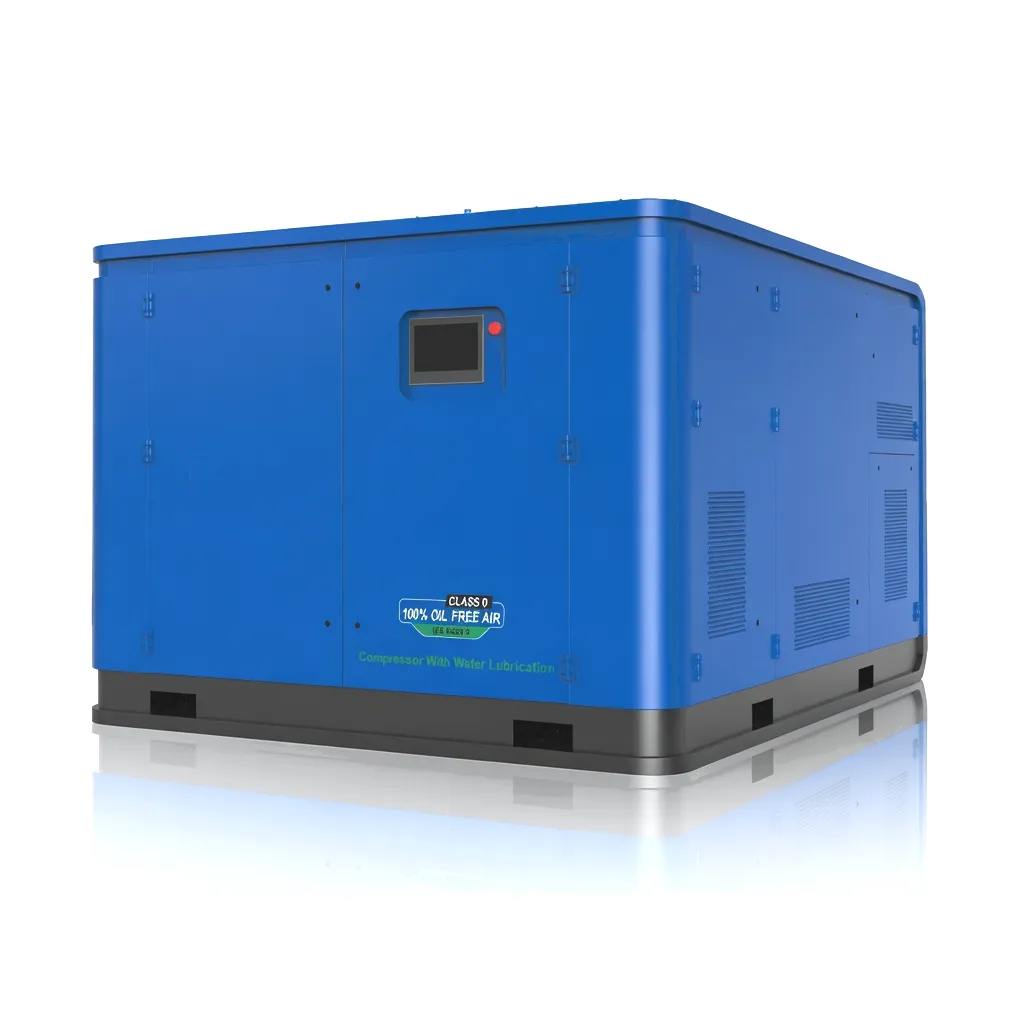
The CM160PVF is a 160 kW high-capacity variable frequency drive screw air compressor engineered for demanding laser cutting environments requiring sustained, high-volume air at stable pressure. Featuring an IE4-class permanent magnet motor, integrated oil separation to below 2 ppm, and a wide VFD modulation range from 25 to 70 Hz, this unit is suited to multi-head fibre laser installations in UK sheet metal fabrication and automotive pressing facilities running three-shift production patterns. The intelligent microprocessor controller provides real-time energy consumption data, predictive filter change alerts and Modbus connectivity for factory monitoring integration.
This variable speed drive screw air compressor covers the 7.5 to 75 kW power range, making it the most versatile unit in the Ever Power range for UK laser cutting operations of varying scale. The VSD control system continuously adjusts motor frequency to maintain delivery pressure within ±0.05 bar of setpoint — delivering the pressure stability that fibre and CO₂ laser cutting nozzles require across highly variable demand cycles. The unit’s compact canopy design, rated at below 66 dB(A), makes it suitable for installation adjacent to production areas in Birmingham workshop units and Sheffield light industrial estates where noise compliance is monitored by local environmental health officers. Energy metering is built in, simplifying ISO 50001 reporting.
영국 레이저 절단용 공기 압축기 관련 자주 묻는 질문
Contact the Ever Power engineering team for a free application sizing consultation, UKCA compliance guidance and competitive pricing for UK delivery.
gzl님이 편집함