
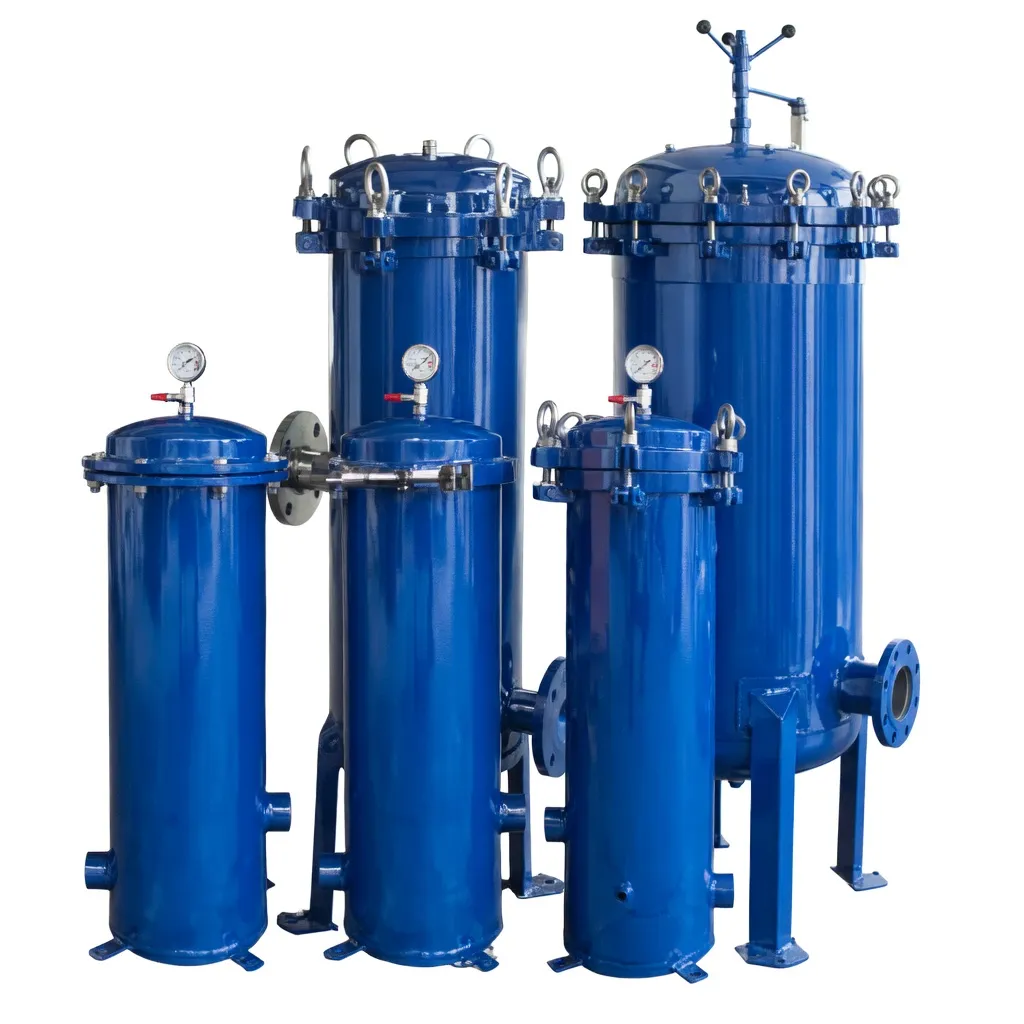
How Industrial Air Compressors Work: The Thermodynamic Foundation
Rotary Screw Compression
In a rotary screw compressor, two intermeshing helical rotors — a male and a female — rotate in opposite directions inside a precision-bored casing. Atmospheric air enters at the inlet and is progressively trapped in the reducing volume between the rotor lobes and the housing wall. As the rotors turn, this trapped volume decreases continuously, raising pressure in a smooth, pulse-free delivery entirely different from the reciprocating piston. The compression process is nearly isothermal when oil-injection cooling is applied, which dramatically reduces the energy consumed per unit of compressed air produced. This is the dominant technology in fixed-speed and variable-frequency drive (VFD) industrial compressors from 7.5 kW to 355 kW, and the design most widely deployed in UK manufacturing facilities requiring continuous duty cycles.
Reciprocating (Piston) Compression
Reciprocating compressors operate on the classic positive-displacement principle: a piston driven by a crankshaft moves within a cylinder, drawing air in through an inlet valve on the downstroke and forcing it through a discharge valve on the upstroke. Multi-stage configurations can achieve pressures exceeding 350 bar for specialist applications. Despite their lower energy efficiency at high duties compared with screw technology, piston compressors remain highly relevant in the UK market for intermittent-duty cycles, very high-pressure needs such as those found in breathing-air systems, and smaller workshop environments where their lower purchase cost and mechanical simplicity are decisive advantages. The output is characterised by pressure pulsations, which must be attenuated by a receiver vessel and, in sensitive applications, additional dampening measures.
Centrifugal (Dynamic) Compression
Centrifugal, or turbo, compressors impart velocity energy to a continuous stream of air through high-speed impellers, then convert that kinetic energy into pressure in a diffuser. They are oil-free by design — no lubricant contacts the air stream — and deliver very large volumes at moderate pressures (typically 3–12 bar). Their efficiency advantage becomes decisive above approximately 250 kW, making them the preferred technology for large-scale petrochemical, power generation, and food processing facilities. In the UK, sites such as refineries on the Humber estuary and large pharmaceutical manufacturers in the East Midlands and Home Counties rely on centrifugal machines to supply compressed air networks with flow rates measured in thousands of cubic metres per hour. Surge and stonewall operating limits must be understood and managed through anti-surge control systems.
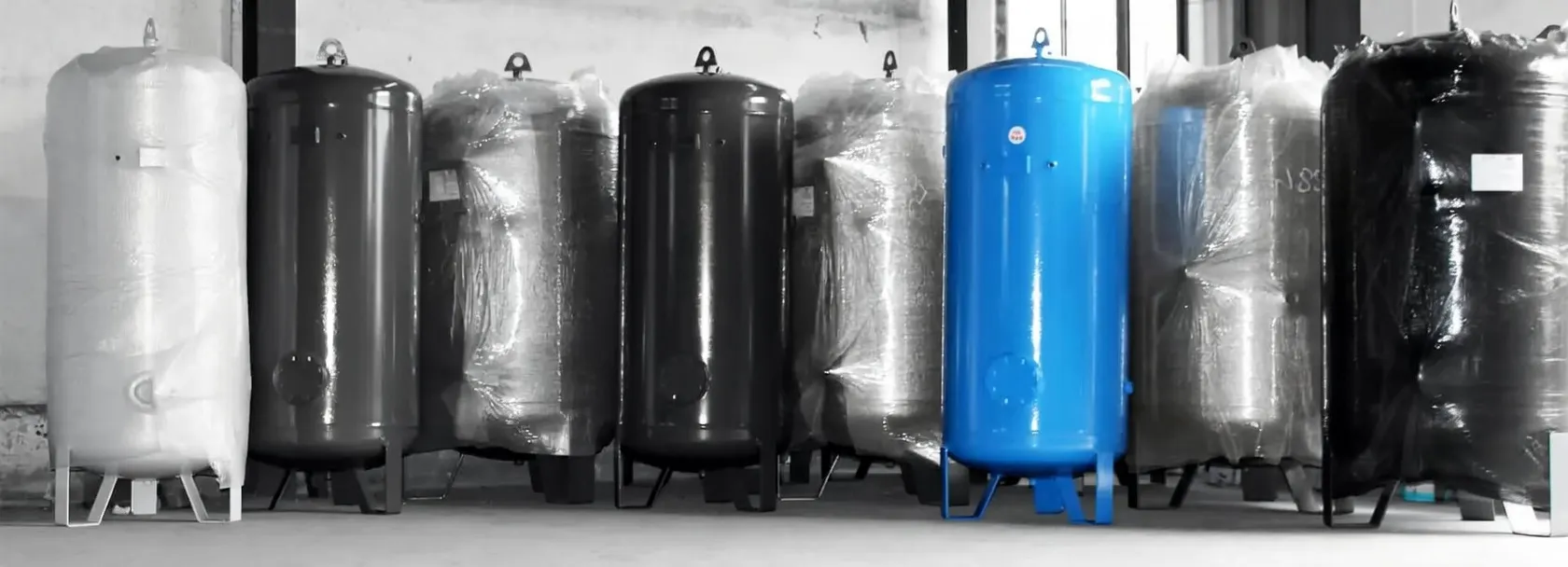
Core Materials Engineering in Modern Air Compressors
The rotor pair in a screw compressor is typically manufactured from high-strength steel alloy, with the exact grade chosen to balance hardness, toughness, and machinability. Common choices include EN36C case-hardening steel or equivalent grades conforming to BS EN 10084, which provides the surface hardness — typically 58–62 HRC after case hardening and grinding — necessary to sustain millions of meshing cycles without pitting or fretting. The rotor flanks are ground to tolerances within a few micrometres on CNC profile grinders, since clearance between male and female rotors directly determines volumetric efficiency and internal leakage. Tighter clearance demands superior material stability across temperature cycles; the steel grade must therefore exhibit minimal thermal expansion differential between rotor and casing.
The compressor casing and bearing housings are most commonly cast in grey cast iron (BS EN 1561 grade EN-GJL-250) for general industrial units, with ductile iron or aluminium alloy casting used where weight reduction matters — for instance, in portable or vehicle-mounted equipment. The intake valve plate assembly in reciprocating machines is typically made from hardened stainless steel strip, often grade 301 or 420, chosen for its combination of spring-back characteristics and corrosion resistance when exposed to condensate. Cylinder liners in large piston compressors are often centrifugally cast from a specialist wear-resistant alloy iron, which can achieve surface hardness levels that extend service intervals to 40,000 hours or beyond in cooled, properly lubricated conditions.
Why Modern Screw Compressors Outperform Legacy Piston Units in Continuous Production
Variable Frequency Drive (VFD) Energy Savings
VFD-equipped rotary screw compressors match motor speed precisely to instantaneous air demand, eliminating the unload losses that consume 25–40% of power in fixed-speed machines running at partial load. Independent UK energy studies have documented energy reductions of 30–50% when replacing legacy fixed-speed units with inverter-driven equivalents. In high-energy-cost environments — an acute concern across British industry since the 2021–2022 energy price spike — this translates directly to six-figure annual savings at medium-to-large sites.
Low Noise and Vibration Footprint
Modern enclosed screw compressors operate at 62–72 dB(A) at one metre — well within the 80 dB(A) exposure action value defined by the UK Control of Noise at Work Regulations 2005. Their continuous rotary motion generates negligible vibration, removing the need for anti-vibration mounts mandatory with piston equipment and allowing plant layout without structural isolation plinths. This is a practical advantage in urban manufacturing zones across Greater Manchester, Bristol, and East London where planning conditions often impose noise limits.
統合型熱回収システム
Up to 94% of the electrical energy input to a screw compressor becomes heat, primarily in the oil cooler and aftercooler circuits. With heat-recovery kits — standard on quality machines — this thermal output can be redirected to space heating, process hot water, or pre-heat of combustion air. UK Carbon Trust data suggests properly implemented heat recovery can offset 10–20% of a site’s gas heating bill, a compelling financial case that also supports net zero carbon commitments increasingly demanded by UK Tier-1 procurement frameworks.
Industry 4.0 Connectivity
Contemporary industrial air compressors ship with integrated controllers that expose Modbus RTU, PROFIBUS, or ETHERNET/IP data interfaces, enabling direct integration with plant SCADA, MES, and energy management systems. Real-time data streams covering outlet pressure, temperature, dew point, oil level, and predictive maintenance counters allow condition-based servicing rather than time-based servicing — typically extending oil change intervals and reducing consumable spend by 15–25% without increasing risk of unplanned downtime. This capability is particularly valued by UK automotive and aerospace Tier-1 suppliers under IATF 16949 and AS9100 quality management obligations.
Product Technical & Performance Specification Table
| パラメータ | Small Workshop (7.5–22 kW) | Mid-Range Industrial (30–75 kW) | Large Industrial (90–160 kW) | Heavy-Duty / VFD (160–355 kW) |
|---|---|---|---|---|
| モーター出力 | 7.5 – 22 kW | 30 – 75 kW | 90 – 160 kW | 160 – 355 kW |
| 吐出圧力 | 7 – 13 bar(g) | 7 – 13 bar(g) | 7 – 13 bar(g) | 7 – 40 bar(g) |
| 無料航空配送(FAD) | 0.8 – 3.3 m³/min | 4.0 – 13.5 m³/min | 14 – 28 m³/min | 28 – 65 m³/min |
| Specific Energy Ratio | 7.4 – 8.2 kW/(m³/min) | 6.8 – 7.4 kW/(m³/min) | 6.2 – 6.9 kW/(m³/min) | 5.5 – 6.3 kW/(m³/min) |
| ローター材質 | EN36C / SAE 8620 case-hardened steel, 58–62 HRC surface | |||
| Casing Material | Grey cast iron EN-GJL-250 | Ductile iron / SG iron EN-GJS-500 | ||
| Air Receiver (optional) | 200 – 500 L | 500 – 2,000 L | 2,000 – 5,000 L | 5,000 – 20,000 L |
| Pressure Vessel Standard | UK PSSR 2016 / BS EN 286 / PED-equivalent post-Brexit | |||
| Noise Level (1m) | 62 – 68 dB(A) | 68 – 72 dB(A) | 70 – 74 dB(A) | 72 – 78 dB(A) |
| Filtration Grade (ISO 8573-1) | Class 1.4.1 (particles ≤0.1 µm; pressure dew point -40°C; oil ≤0.01 mg/m³) | |||
| Drive Interface | Belt or direct-coupled | Gear or direct-coupled | Gear-coupled | Direct-coupled VFD |
| 冷却方法 | 空冷式 | Air-cooled or water-cooled | ||
| Typical Oil Change Interval | 4,000 – 8,000 hrs (synthetic fluid); 2,000 hrs (mineral) | |||
| IE Efficiency Class | IE3 minimum; IE4/IE5 available (MEPS compliant UK 2023) | |||
Industrial Application Scenarios Across UK Manufacturing Sectors
The range of environments in which compressed air systems operate in Britain spans from compact engineering workshops to vast process sites. Each application places distinct demands on pressure, flow, air quality, and reliability — and selecting the wrong machine for the duty cycle leads to either costly over-engineering or chronic underperformance. The following scenarios represent the most significant application domains encountered across the UK’s manufacturing and process industry landscape.
🔬 Laser Cutting and Sheet Metal Fabrication
Fibre laser cutting centres, which have proliferated across fabrication shops in Birmingham, Coventry, and the Black Country, require compressed air of exceptional purity — ISO 8573-1 Class 1 for particles, oil, and water — to serve as the cutting assist gas and to purge the beam path. Even sub-micron oil aerosol contamination of the optical chain can permanently damage expensive focusing lenses within days. A 37–55 kW oil-injected screw compressor paired with coalescing filtration, an activated carbon tower, and a membrane or refrigerant dryer to -40°C pressure dew point is the standard architecture. Pressure fluctuations of more than ±0.2 bar at the laser head cause kerf width variation and dross attachment on the cut edge, so a correctly sized receiver vessel with a minimum 10-second storage capacity at peak demand is non-negotiable. The air compressor in this role is not auxiliary equipment — it is a direct determinant of part quality and laser uptime.
🚗 Automotive Manufacturing and Body Assembly
Compressed air demand in an automotive body shop is characterised by very high instantaneous peaks — robots operating pneumatic tooling, paint atomisation guns cycling simultaneously, and conveyor actuators demanding short bursts of 8–10 bar air many hundreds of times per shift. Plants supplying Jaguar Land Rover in Solihull, Toyota in Derby, or the growing EV supply base in the North East consume compressed air volumes that may require multiple 132–200 kW units running in a sequenced, master-slave configuration to ensure no single compressor becomes a single point of failure. Moisture control is critical: condensate in spray booths causes paint adhesion failures that trigger expensive rework. A well-designed compressor room with point-of-use filtration and heated drainage traps is as important as the machine itself in ensuring consistent finish quality.
💊 Pharmaceutical and Healthcare Manufacturing
Pharmaceutical manufacturing facilities in the UK — clustered in areas including Hertfordshire, Cheshire, and the Thames Valley — operate under MHRA GMP guidelines that classify compressed air touching product or packaging as an active excipient, requiring full documentation, validated qualification, and ongoing microbiological and chemical monitoring. Oil-free rotary screw or scroll compressors are mandated in product-contact air systems to eliminate the risk of hydrocarbon contamination. Two-stage water-cooled units achieving ISO 8573-1 Class 0 oil content with redundant trains and continuous particle monitoring deliver the regulatory confidence that pharmaceutical QA teams require. Routine certificates of conformity from the compressor manufacturer, traceable calibration records for instrumentation, and documented change control procedures are all procurement requirements in this sector.
🍺 Food, Beverage and Packaging
Across food and beverage production sites from Scotland’s whisky distilleries to Yorkshire’s meat processing facilities, compressed air drives a staggering variety of processes: blow moulding of PET bottles, pneumatic conveying of powders and granules, MAP (modified atmosphere packaging) sealing systems, automated filling and capping, and label application. Air quality requirements differ dramatically by zone: non-contact utility air used for conveying packaging materials may be satisfied with simple filtration to ISO Class 4, while air directly contacting food must meet Class 1 across all three contamination categories. Stainless steel air receivers with hygienic internal coatings and documented pressure vessel inspections under UK PSSR requirements are standard. Running water condensate drains with containment to avoid floor contamination are a common site-specific requirement enforced by food safety auditors.
✈️ Aerospace and Precision Engineering
Aerospace machining centres around Bristol (Airbus UK), Preston (BAE Systems), and Derby (Rolls-Royce) demand exceptional air consistency for through-spindle cooling, pneumatic workholding, and NDT processes. Tool-through coolant at 70–80 bar requires dedicated high-pressure boosters; standard plant air at 7–10 bar feeds pneumatic actuators and general tooling. Oil-free systems are mandatory where air contacts titanium or composite components during machining, as hydrocarbon films on these materials can compromise surface integrity and adhesive bond strength in subsequent assembly. Many aerospace suppliers under AS9100 Rev D must submit compressed air system validation records as part of their supplier quality plans, meaning instrument calibration, filter integrity testing, and pressure vessel inspection histories are living documents, not one-time certifications.
🏗️ Steel, Foundry and Heavy Fabrication
In Sheffield’s special steel and foundry belt — still a significant centre of metallurgical manufacturing despite decades of structural change — compressed air feeds pneumatic scale-breakers, automated sand-rammer machines, shot-blast cabinets, and ladle purging lances. Ambient air at these sites carries high concentrations of metallic particulate, which demands upstream filtration before compressor inlet to prevent premature rotor and valve wear. Heavy-duty inlet filters with large holding capacity and pressure-drop monitoring are essential here, combined with inter-stage cooling in two-stage machines to manage the elevated ambient temperatures typical of foundry environments. Compressors in these environments are typically specified with upgraded shaft seals and bearing housings to handle elevated ambient particulate and thermal loads beyond standard catalogue assumptions.
Ever Power: Precision Manufacturing and Customisation Capabilities
Ever Power operates from a dedicated manufacturing facility equipped with multi-axis CNC machining centres, precision profile grinding machines, and automated assembly lines that produce rotary screw air compressor units, downstream treatment equipment, and complete turnkey compressed air systems for international industrial customers. Our engineering team holds deep expertise in both the thermodynamic design of compression stages and the systems integration work required to deliver a compliant, optimised compressed air installation — not simply a box of machinery.
Customisation is at the heart of what Ever Power offers. Where standard catalogue machines do not match a customer’s duty cycle, ambient conditions, or regulatory requirements, our application engineers develop bespoke configurations covering motor frame selection, enclosure protection rating (IP23 through IP65), air quality treatment train, control system protocol, and pressure vessel volume. For UK customers, we provide full documentation packages conforming to PSSR 2016, CE-equivalent UKCA marking, and system-level declarations of conformity — supplied as part of standard delivery, with no additional administrative overhead.
Our supply chain spans premium rotor steel suppliers, globally recognised bearing manufacturers, and IE4-class motor partners, and is structured to maintain delivery commitments even through the logistics disruptions that have periodically affected industrial supply routes post-2020. Lead times for standard units run four to six weeks ex-factory; custom-engineered packages are quoted individually with committed milestone programmes. Technical support is available to UK customers through our dedicated after-sales team, covering remote diagnostics, scheduled preventive maintenance contracts, and urgent parts supply via next-day UK freight.
Manufacturing Capacity
50,000+ m² production floor; 500+ units/month; ISO 9001 certified quality system
Customisation Range
Pressure, flow, drive type, control interface, enclosure grade, air treatment train — all configurable
UK Compliance Documentation
UKCA marking, PSSR 2016 conformity, ATEX (where applicable), full CE-equivalent technical file
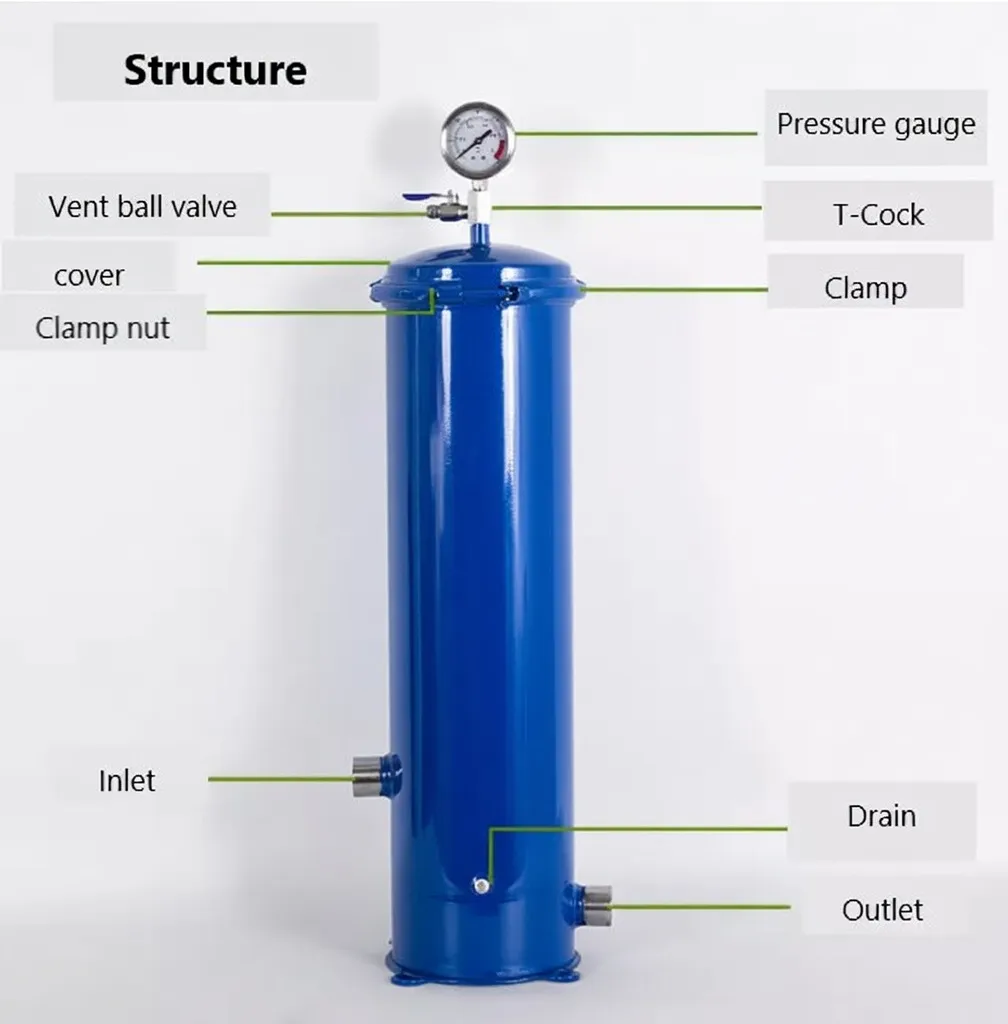
Featured Compressor Products from Ever Power
Whether you need a fixed-output machine for a stable, predictable demand profile or an inverter-controlled unit that self-optimises across variable production schedules, Ever Power offers purpose-engineered solutions built to the exact pressure, flow, and air quality requirements of your process. Two products that represent the breadth of our screw compressor programme are highlighted below.
CM160PVF 可変周波数スクリュー式エアコンプレッサー
The CM160PVF delivers 160 kW of rated power with full variable frequency drive control across its operating range, achieving a specific energy ratio as low as 5.6 kW/(m³/min) at part-load conditions — a performance level that translates to tens of thousands of pounds in annual electricity savings compared with fixed-speed equivalents in high-utilisation facilities. The unit features an integrated air-end temperature monitoring system, IoT-ready Modbus interface, IE4-class permanent magnet motor, and a low-noise enclosure designed for plant-floor installation without acoustic enclosures. Ideal for UK automotive, aerospace, and large-scale fabrication plants running multi-shift operations.
可変速駆動スクリュー式エアコンプレッサー
This VSD screw platform spans the 30–110 kW power range, covering the mid-market where the majority of UK industrial sites sit. The inverter-controlled motor matches output precisely to real-time demand without the unload losses inherent in load/unload cycling, delivering energy savings of 30–45% over equivalent fixed-speed machines in applications with variable air demand profiles — a description that fits most production environments outside of truly steady-state baseload duties. The machine is available in standalone or tank-mounted configurations, with optional integrated refrigeration dryer and filtration, simplifying installation and minimising the compressed air system footprint in space-constrained plant rooms. Supported by Ever Power’s standard 2-year warranty with extension options and a UK-based technical helpdesk.
Customer Success Story: Sheffield Precision Fabricator Cuts Energy Costs by 41%
 背景:
背景:お客様の声
“The 75 kW VFD unit from Ever Power has been running flat out across two shifts since commissioning last autumn and has not missed a beat. The VFD control genuinely delivers the energy savings they quoted — our metered data shows we’re drawing around 40% less power on compressed air than the old fixed-speed machines at comparable production volumes. The technical team walked our maintenance guys through the controller commissioning, and we had clean, certified air to Class 1.4.1 within two days. Outstanding product, genuinely professional support.”
— James H., Maintenance Manager, Structural Steel Fabricator, Sheffield
“We specified the CM160PVF for a new laser cutting facility we were setting up in Birmingham. Ever Power provided complete customisation support — specific outlet connection sizing, a bespoke control interface for our existing SCADA architecture, and UKCA documentation that our insurer required before go-live. The air quality on the laser head has been consistently clean across six months of operation, with zero contamination events. Downtime on our previous installation cost us around £800 per hour; this system has simply not given us that problem.”
— Rachel T., Operations Director, Laser Precision Ltd, Birmingham
“We purchase compressed air equipment for pharmaceutical manufacturing clients across the North West, and we’ve started specifying Ever Power’s oil-free configurations as standard recommendations. The documentation package — validation support, material certificates, dimensional drawings, CE-equivalent declarations — is the most complete we’ve received from any supplier in this class. Pricing is competitive against the established European brands, and lead times have been reliable across three projects now. This is a supplier relationship we intend to develop significantly over the next two to three years.”
— Andrew S., Procurement Lead, Industrial Process Solutions, Manchester
Frequently Asked Questions — Industrial Air Compressors (UK)
圧縮空気システムの最適化をお考えですか?
Speak with an Ever Power Application Engineer
We size, configure, document, and support industrial air compressor systems for UK manufacturing — from initial enquiry through to post-commissioning verification.
gzlによる編集