
Industrial Air Compressors: Engineering Principles, Applications & Selection Guide for UK Manufacturing
Trusted by precision engineers and plant managers across Birmingham, Sheffield, Manchester & beyond
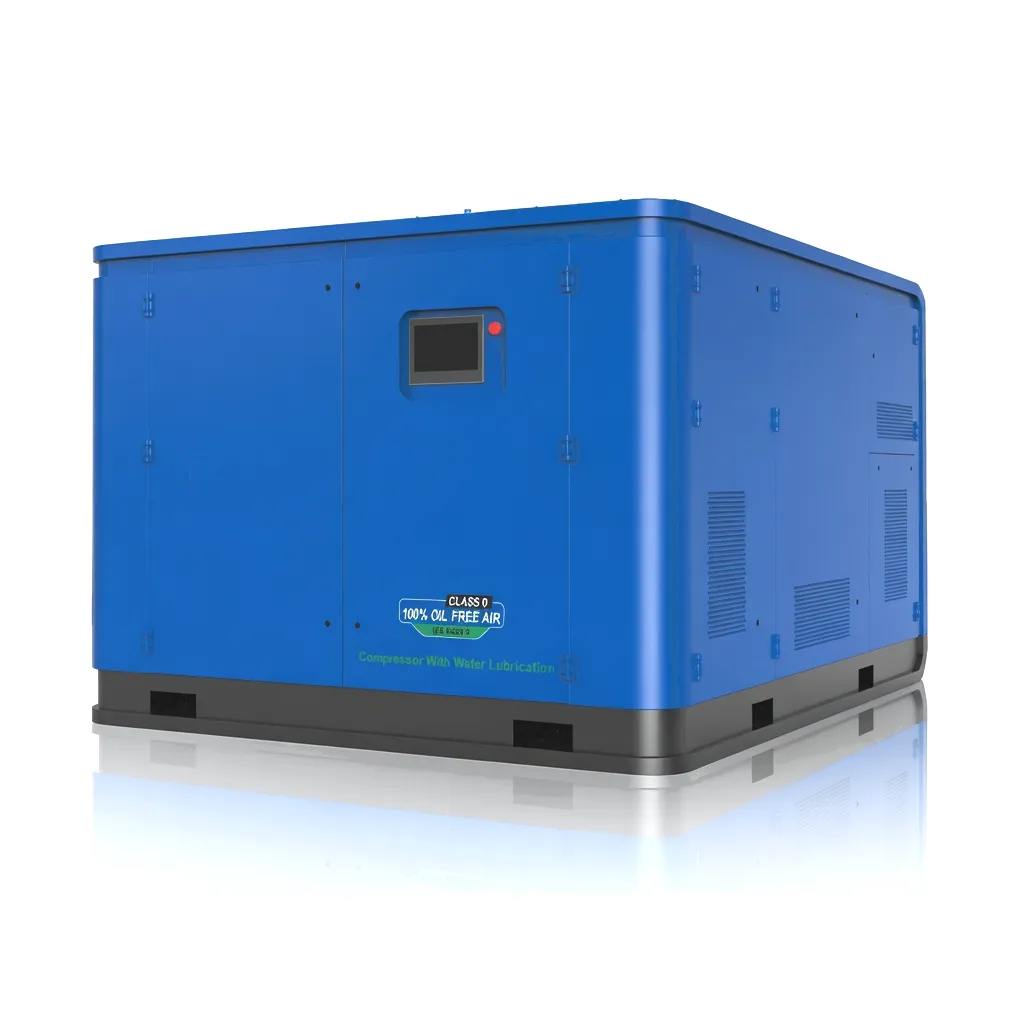 Air compressors sit at the operational heart of modern manufacturing. From laser cutting shops in the West Midlands to food processing lines along the Humber estuary, compressed air powers tools, actuators, conveyors, and precision instruments with a reliability that electricity alone cannot replicate. Yet choosing the right air compressor for a given application is far from straightforward. Pressure ratings, flow capacity, duty cycles, oil-free versus lubricated configurations, and integration with downstream filtration all interact in ways that can make or break production efficiency. This guide cuts through the noise and delivers the engineering detail you need to make an informed procurement decision — whether you are specifying a compact 7.5 kW unit for a fabrication workshop in Sheffield or commissioning a multi-stage centrifugal system for a large-scale chemical plant in Teesside. The technical content below draws on established British Standards, ISO 1217 performance benchmarks, and decades of real-world installation experience across UK heavy industry sectors.
How Air Compressors Work: Core Engineering Principles
⚙
ロータリースクリューコンプレッサー
Rotary screw compressors use two meshing helical rotors — a male and a female — to trap atmospheric air in progressively diminishing pockets as the rotors turn. As the volume reduces, pressure rises continuously without the pulsation associated with reciprocating designs. The process is inherently smooth, generating less vibration and noise than piston-based alternatives, which makes screw compressors the technology of choice for environments where continuous duty cycles are required. Typical drive configurations include belt-driven, direct-coupled, and gearbox-driven variants, each suited to different speed and torque profiles. Variable frequency drive (VFD) integration allows the motor speed to match real-time air demand, dramatically reducing energy consumption — a critical consideration given UK energy pricing and carbon reduction commitments. Modern twin-screw units routinely achieve specific power ratings of 5.5 to 7.5 kW per 100 l/min at delivery pressures of 7 to 13 bar, placing them firmly in the industrial efficiency bracket demanded by ISO 1217. Intercoolers on two-stage models bring discharge temperatures down, protecting downstream instrumentation and extending component service life across demanding production environments.
🔧
Reciprocating Piston Compressors
Reciprocating compressors operate on the positive displacement principle: a crankshaft drives pistons within cylinders, drawing air in on the downstroke through inlet valves, then forcing it out at elevated pressure on the upstroke through discharge valves. Single-stage units compress air in one step, reaching pressures of up to 10 bar. Two-stage designs introduce an intermediate cylinder and intercooler, achieving 15 to 30 bar with greater thermodynamic efficiency. The piston-and-cylinder assembly must withstand high cyclic loading, which demands robust material selection and tight tolerance machining. Oil-lubricated variants use splash or pressure lubrication to minimise wear between piston rings and the cylinder bore, whereas oil-free designs employ PTFE-composite piston rings, carbon-reinforced guide rings, and crosshead bearings to eliminate hydrocarbon contamination from the compressed air stream — an absolute requirement in pharmaceutical packaging lines, electronics cleanrooms, and food-grade filling operations. Reciprocating compressors remain the preferred choice where very high pressure delivery is needed in intermittent-duty scenarios, including tyre inflation stations, small garage workshops, and laboratory gas charging systems across the UK.
🔄
Centrifugal Compressors
Centrifugal — or dynamic — compressors accelerate air using high-speed impellers, converting kinetic energy into pressure as the gas passes through a diffuser section. Unlike positive displacement machines, centrifugal units are continuous-flow devices with no pulsation, making them inherently well-matched to large-volume, steady-state industrial processes. Multi-stage centrifugal compressors achieve delivery pressures in the range of 4 to 40 bar depending on the number of stages and impeller geometry, with capacities stretching from 500 to several thousand cubic metres per hour. The inherently oil-free compression path eliminates the contamination risk entirely without the mechanical complexity of oil-free screw compressors, and shaft seals prevent process gas ingress into bearing cavities. The main limitation is a narrower operating envelope compared with positive displacement machines: surge and choke conditions bound the usable flow range, requiring careful system design and often inlet guide vanes or variable diffuser geometry for turndown capability. Major petrochemical plants and steel mills in Teesside and South Wales routinely specify integrally geared centrifugal units for their compressed air and process gas systems.
Core Materials in Air Compressor Construction
Key Technical Advantages of Modern Air Compressors
VFD-equipped screw compressors modulate motor speed in real time to match actual air demand, eliminating the loaded-unloaded cycling losses inherent in fixed-speed machines. Energy savings of 20 to 35% compared with on-off controlled units are consistently documented in UK industrial audits. For a 110 kW unit running two-shift patterns, this translates to thousands of pounds saved annually on electricity bills — a compelling return on the incremental cost of inverter hardware. The soft-start capability also reduces mechanical stress during start-up, extending gearbox and bearing service intervals substantially.
ISO 8573-1 Class 0 oil-free classification guarantees zero detectable oil in the compressed air stream — critical wherever product contamination carries regulatory, quality, or liability consequences. Pharmaceutical manufacturers operating under MHRA guidelines, food processors certified to BRC Global Standards, and electronics assemblers governed by IPC-A-610 cleanliness requirements all depend on Class 0 performance. Modern oil-free screw and centrifugal designs achieve this without the cost and complexity of traditional oil-injected units followed by activated carbon filter banks, reducing both capital expenditure and ongoing filter element replacement costs.
Compression generates substantial heat — typically 70 to 80% of the electrical input energy is recoverable as thermal energy from the coolant circuit and compressed air aftercooler. Modern air compressor packages incorporate heat recovery modules that divert this thermal energy to space heating, domestic hot water pre-heating, or process drying operations within the facility. A 75 kW screw compressor operating at full load can supply approximately 60 to 65 kW of usable heat, significantly reducing site gas consumption and carbon intensity. For UK businesses targeting Net Zero commitments, heat recovery integration represents one of the most cost-effective decarbonisation investments available in the compressed air room.
Contemporary air compressors incorporate programmable logic controllers with touchscreen HMIs, real-time fault diagnostics, remote monitoring via Ethernet or 4G connectivity, and predictive maintenance scheduling based on actual runtime hours and sensor data. Multi-compressor sequencing controllers optimise load distribution across a station, ensuring each unit operates within its peak efficiency zone. Integration with Building Management Systems and energy monitoring platforms enables compliance with ISO 50001 energy management reporting — increasingly demanded by large UK industrial clients and required for ESOS Phase 3 compliance under UK law.
Technical Performance Parameters — Air Compressor Reference Table
| パラメータ | Reciprocating | Rotary Screw | Centrifugal | オイルフリーネジ |
|---|---|---|---|---|
| Delivery Pressure (bar) | Up to 30 bar | 5 – 13 bar | 4~40バール | 4~10バール |
| Flow Rate (m3/h) | 0.5 – 150 | 10 – 2,500 | 500 – 20,000+ | 30 – 3,000 |
| Drive Power (kW) | 0.75 – 75 | 5.5 – 355 | 75 – 5,000 | 11 – 500 |
| Specific Power (kW per 100 l/min) | 7.5 – 12 | 5.5 – 7.5 | 4.5~6.0 | 6.0 – 8.5 |
| ISO 8573-1 Air Purity Class | Class 1–3 (lubricated) | Class 1–3 | クラス0 | クラス0 |
| 騒音レベル(dB(A) @ 1m) | 70 – 88 | 62 – 78 | 72 – 85 | 65 – 80 |
| デューティサイクル | Intermittent (50–80%) | Continuous (100%) | Continuous (100%) | Continuous (100%) |
| Oil Carryover (mg/m3) | <5 with filter | <3 with separator | 0 (nil) | 0 (nil) |
| Coolant Type | Air-cooled (standard) | 空冷または水冷 | 水冷式 | 水冷式 |
| Rotor / Piston Material | Cast iron, steel alloy | Case-hardened alloy steel | Titanium / aluminium impeller | Coated alloy steel |
Industrial Application Scenarios Across UK Sectors
Laser Cutting & CNC Fabrication Shops
Laser cutting machines depend on a continuous, stable supply of clean, dry compressed air or nitrogen to blow molten material from the kerf and protect the optical head from contamination. Rotary screw air compressors in the 11 to 37 kW range with integrated refrigerant dryers and coalescence filters are standard across sheet metal fabrication shops in Birmingham’s Jewellery Quarter and Sheffield’s Advanced Manufacturing Park. Pressure stability within ±0.2 bar is essential to maintain cut edge quality on stainless steel and aluminium sheet. VFD-controlled units accommodate the variable demand profile as operators cycle between different material thicknesses and speeds, avoiding the pressure drops that compromise cut quality on conventional fixed-speed machines.
Automotive Manufacturing & Paint Finishing
Vehicle assembly plants in Oxford, Solihull, and Sunderland run extensive compressed air distribution networks serving pneumatic assembly tools, tyre inflation, body panel conveying, and paint spray booths simultaneously. Paint finishing and bodyshell quality control operations impose strict ISO 8573-1 Class 1:2:2 air purity requirements — any oil mist, moisture, or particulate in the spray air causes surface defects that trigger costly rework. Oil-injected screw compressors feeding multi-stage filtration trains (pre-filter, refrigerant dryer, activated carbon adsorber, HEPA sterile filter) are the conventional solution. Large facilities increasingly evaluate oil-free twin-screw machines as a capital-intensive but operationally simpler alternative, eliminating the activated carbon stage and associated monitoring burden entirely.
Food & Beverage Processing Lines
Food manufacturers in the East Midlands and Yorkshire face rigorous hygiene standards under UK Food Safety Acts and BRC Global Standard certification requirements. Compressed air contacting food product directly — for pneumatic conveying of grains and powders, filling gas, or packaging seal blowing — must meet Class 0 oil-free classification under ISO 8573-1. Oil-free rotary screw compressors with 316L stainless steel downstream pipework, point-of-use sterile filtration, and regular microbiological validation testing form the compliant solution. Beyond product contact air, general plant service air for pneumatic actuators and cleaning tools can use lubricated screw compressors with appropriate segregation and filtration to prevent cross-contamination risk between the two systems.
Pharmaceutical Manufacturing
Pharmaceutical plants in Macclesfield, Ulverston, and Barnard Castle operate under MHRA Good Manufacturing Practice guidelines that define compressed air as a critical utility requiring documented qualification, routine monitoring, and change control. GMP-compliant air compressor systems invariably specify oil-free configurations — either oil-free screw or centrifugal — with validated filter integrity testing, continuous dewpoint monitoring, and auditable maintenance records. N2 generation systems fed from oil-free compressors are also common where inert atmosphere or oxygen-free processing is required. The validation documentation package demanded by pharmaceutical clients places additional engineering and quality assurance responsibilities on compressor suppliers, a factor that favours established, experienced manufacturers with a deep knowledge of regulatory expectations.
Post-Processing Equipment Integration
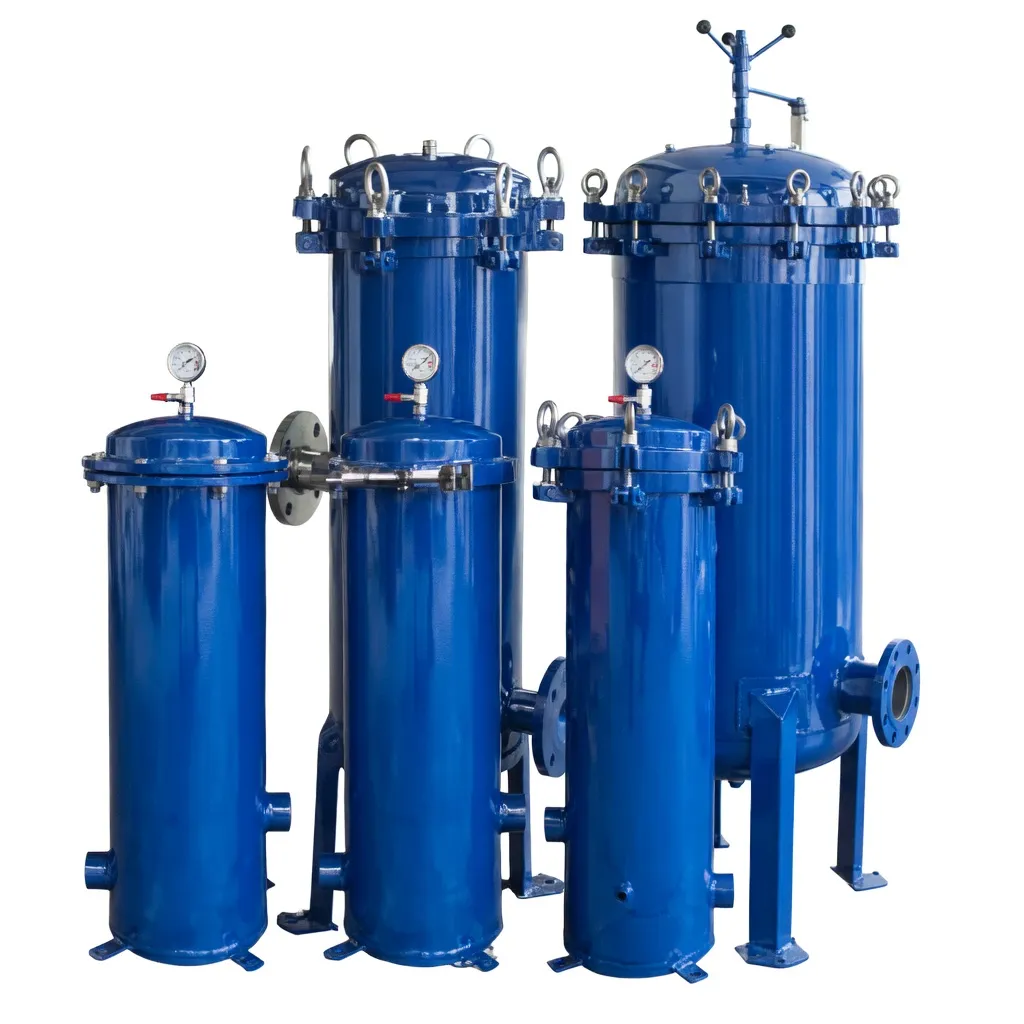
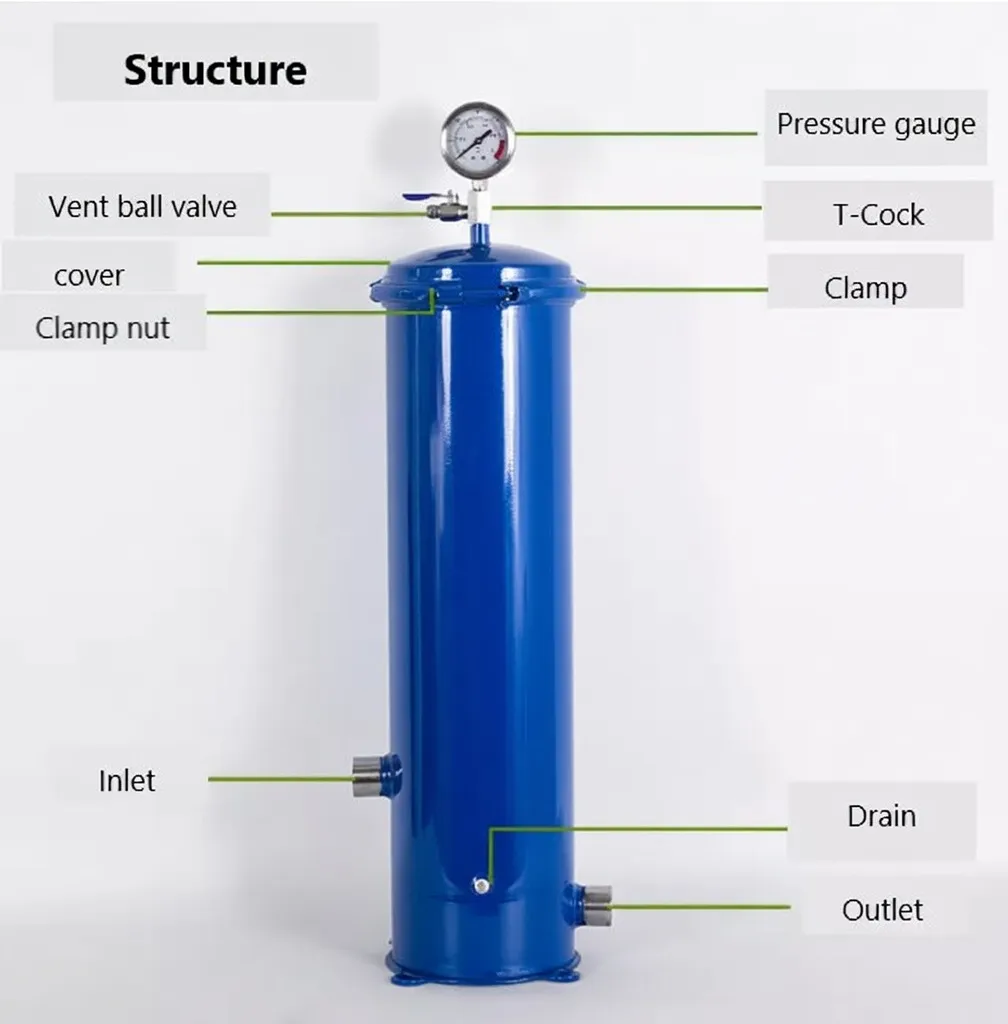
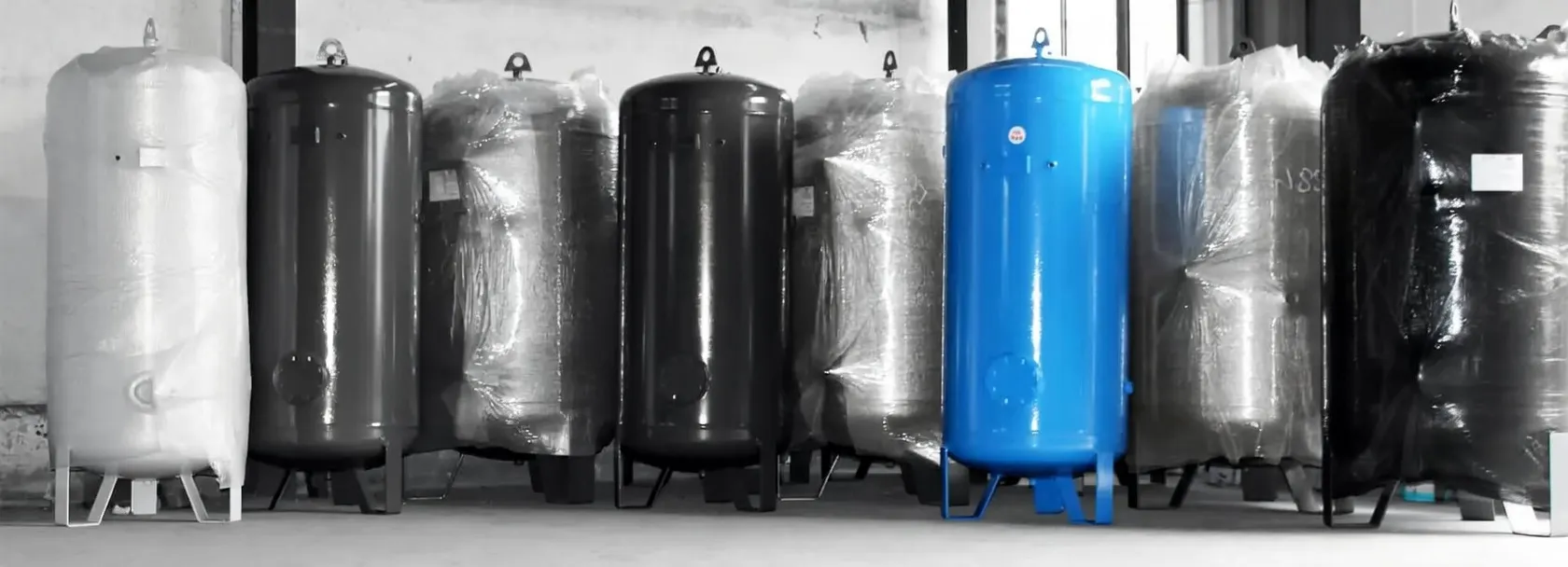
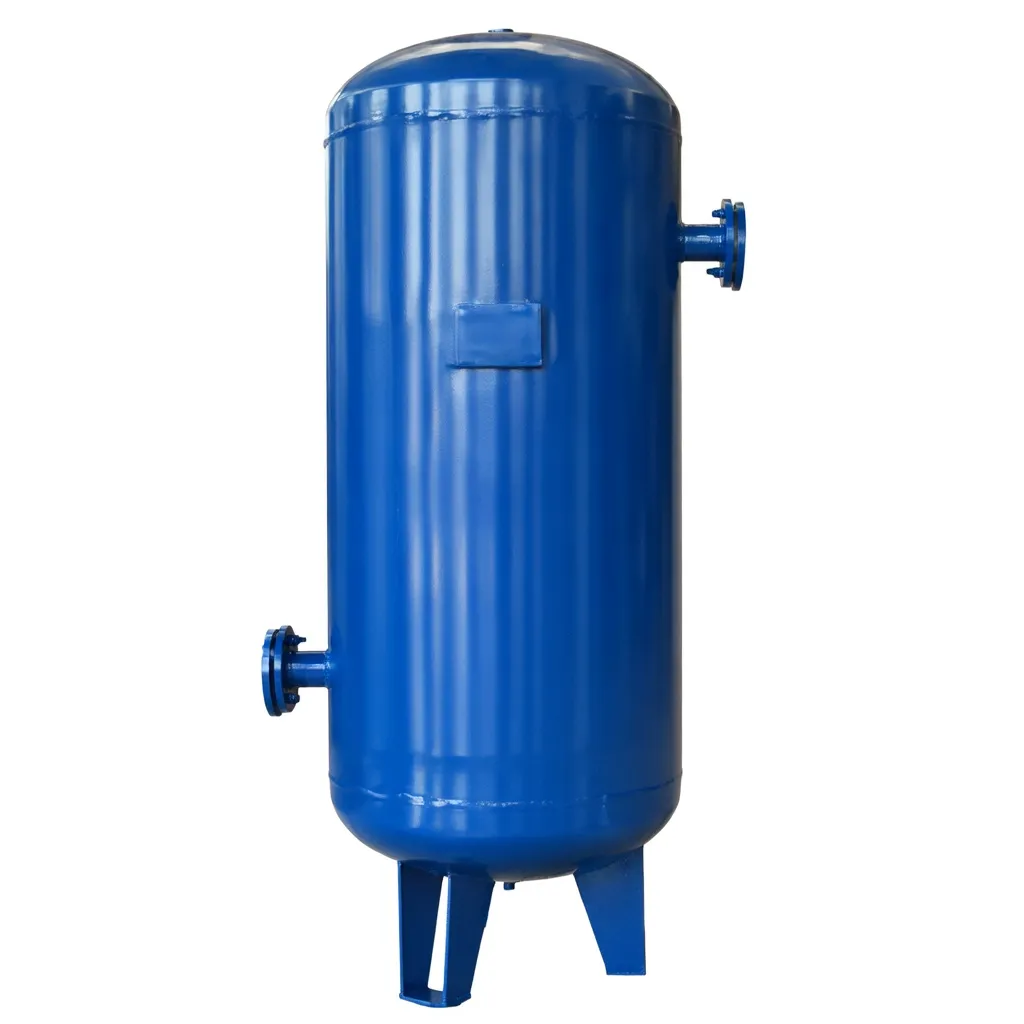 An air compressor in isolation delivers nothing but warm, wet, potentially contaminated air. The post-processing equipment train — receiver tank, refrigerant or desiccant dryer, pre-filters, coalescing filters, and point-of-use filters — transforms the raw compressed air into a utility that meets the application’s quality specification. Receiver tank sizing follows a straightforward formula: tank volume (in litres) should equal approximately ten times the compressor free air delivery (in litres per second), providing sufficient buffer capacity to absorb demand spikes without forcing the compressor to start and stop excessively. Precision coalescence filter elements achieve residual oil aerosol concentrations below 0.01 mg/m3 at reference conditions, meeting ISO 8573-1 Class 1 oil aerosol requirements for the most demanding pharmaceutical and electronics applications. Stainless steel 316L housings resist condensate attack and are compatible with periodic steam sterilisation in hygienic installations.
Precision Engineering & Custom Compressor Solutions
Supplying mission-critical compressed air systems to UK and global industry since our founding
Ever Power operates precision machining centres equipped with 5-axis CNC capabilities, enabling rotor profile grinding to micron-level tolerances. Our dedicated quality laboratory performs coordinate measuring machine (CMM) inspection on all critical compressor components before assembly, ensuring dimensional conformance to OEM drawings or customer-supplied specifications. ISO 9001:2015 certification underpins the entire manufacturing management system, from supplier qualification through final test and despatch.
No two industrial facilities share identical compressed air requirements. Ever Power’s engineering team works directly with procurement and maintenance engineers to specify bespoke compressor packages: modified pressure settings, non-standard cooler configurations, atex-rated electrical components for hazardous area installations, custom acoustic enclosures for noise-sensitive environments, and specialised control interfaces for legacy PLC or SCADA integration. Lead times for custom packages are typically 8 to 14 weeks from order confirmation, with full performance test documentation supplied before shipment.
Ever Power maintains strategic inventory of core compressor components, enabling rapid response to urgent replacement and breakdown orders. Our logistics partnerships with established UK freight forwarders ensure DDP (Delivered Duty Paid) delivery to mainland UK locations within commercially reliable lead times. UK UKCA conformity marking is applied to all pressure equipment supplied to the British market, ensuring full compliance with the Pressure Equipment (Safety) Regulations 2016 and associated statutory inspection requirements. Dedicated aftersales support covers spare parts availability, service documentation, and remote technical guidance.
Featured Ever Power Air Compressor Products
CM160PVF 可変周波数スクリュー式エアコンプレッサー
The CM160PVF is a high-efficiency variable frequency screw air compressor engineered for continuous industrial duty. Its integrated inverter drive automatically adjusts motor speed between 25 and 100% of rated capacity, matching output precisely to fluctuating air demand on laser cutting, CNC machining, and automated assembly lines. The result is measurable energy reduction compared to fixed-speed equivalents, with quieter operation and extended component life between scheduled maintenance interventions. An intuitive colour touchscreen controller provides full parameter visibility, fault history logging, and optional remote monitoring connectivity.
可変速駆動スクリュー式エアコンプレッサー
Ever Power’s Variable Speed Drive Screw Air Compressor delivers precision pressure regulation across the full operational load range, making it equally suited to stable-demand manufacturing environments and highly variable production patterns. The intelligent VSD control algorithm prioritises pressure stability within ±0.1 bar across the rated delivery range, eliminating the pressure band creep that compromises sensitive pneumatic tooling. Robust construction with premium quality bearings and a high-efficiency motor rated at IE3 or better ensures compliance with UK Ecodesign for Energy-Related Products regulations and supports corporate sustainability reporting requirements.
Customer Success: Sheffield Precision Sheet Metal — Compressed Air Infrastructure Upgrade
Hallam Precision Components, a contract sheet metal fabricator based on an industrial estate near Sheffield’s Meadowhall district, had been running a 15-year-old reciprocating compressor bank to power three fibre laser cutting machines plus a battery of pneumatic press-brakes. Persistent pressure instability between 6.5 and 7.4 bar was causing visible cut-edge degradation on 2 mm stainless steel sheet, generating significant scrap rates and customer complaints. Electricity consumption from the aging compressors was also disproportionately high relative to output, with a measured specific power of 9.8 kW per 100 l/min against an industry benchmark of 6.0 to 7.0 for modern screw machines.
Working in partnership with a local compressed air service contractor, Ever Power supplied a twin-unit installation comprising two 22 kW VFD rotary screw air compressors, a 500-litre vertical receiver vessel in UKCA-marked carbon steel, a refrigerant dryer rated for 30°C inlet conditions, and a three-stage filtration bank achieving ISO 8573-1 Class 1:4:2 purity at the laser machine inlets. The primary compressor operates in lead position with the second unit held in lag mode, automatically starting if demand exceeds the lead unit’s rated output — providing full N+1 redundancy and protection against production loss from a single compressor fault.
Post-installation measurement confirmed delivery pressure stability at 7.0 ± 0.15 bar continuously, eliminating the cut-quality variability that had plagued the previous system. Specific power improved to 6.4 kW per 100 l/min, reducing annual electricity consumption by an estimated 31% against the previous installation. Scrap rates on 2 mm stainless sheet fell from 4.7% to under 0.9% in the three months following commissioning. Hallam’s maintenance manager reported that the intuitive control system and remote fault alerting via SMS had already prevented one potential unplanned shutdown during a Saturday nightshift, when a minor oil separator service indicator activated and allowed the on-call technician to address it proactively before production was affected.
“The pressure stability improvement was immediate and measurable. Our laser cut-edge quality on stainless has gone from a persistent headache to a non-issue. The VFD control system is genuinely intelligent — it held pressure rock-solid across an entire double shift even as our laser duty cycle varied considerably. Ever Power’s engineering team clearly understood what a laser cutting environment demands from a compressor, and the custom filter specification they recommended was exactly right for our air quality needs.”
“We were sceptical about switching from a familiar UK brand to an Ever Power system, but the technical data was compelling and the customisation offer — particularly the UKCA-marked receiver and the ATEX-rated panel for our press area — clinched the decision. Lead time was accurate to within a few days of the quoted date, installation documentation was thorough, and the remote monitoring module has already paid for itself by flagging a drain valve fault before it affected air quality. We’d spec Ever Power again without hesitation.”
“Our food-grade packing line required ISO 8573-1 Class 0 certification and full 316L stainless downstream pipework — a specification that several suppliers declined or couldn’t document properly. Ever Power not only met the specification but provided a full IQ/OQ validation support package that our quality team could work with directly. The compressor performance during seasonal demand peaks has been consistently within the rated envelope, and the heat recovery system shaved a meaningful amount off our winter gas bills. Genuinely impressive package.”
Frequently Asked Questions About Air Compressors in UK Industry
Ready to Specify Your Industrial Air Compressor System?
Talk to Ever Power’s engineering team — UK enquiries answered within one business day.
📧 Contact Ever Power Sales Team
gzlによる編集