Industrial Air Compressors: A Complete Technical Guide for UK Manufacturing & Engineering Applications
Precision Engineering · High-Performance Compressed Air Systems · British Industrial Standards
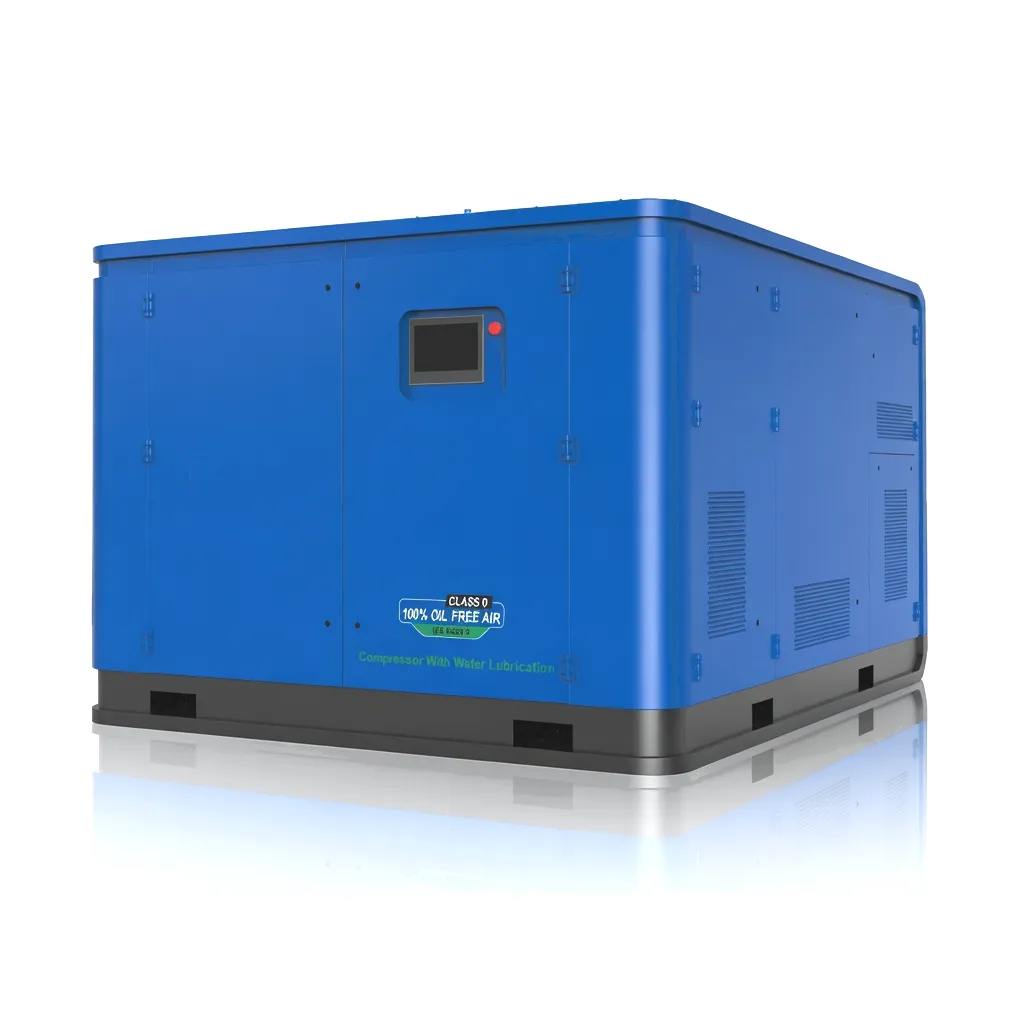 Across the UK’s manufacturing heartlands — from the engineering corridors of Birmingham and Sheffield’s steel districts, to the precision fabrication workshops in Coventry and Leeds — industrial air compressors have become the invisible backbone of productivity. These machines do far more than simply pressurise air; they drive pneumatic tools, power laser cutting systems, control automation valves, and supply the clean, dry, oil-free air that modern production lines demand. As British industry continues modernising amid growing pressure to reduce energy costs and carbon footprints, selecting the right air compressor has never carried more commercial consequence.
The industrial air compressor market in the UK is evolving rapidly. Variable frequency drive (VFD) technology, smart monitoring platforms, and next-generation rotor geometries have redefined what efficiency means at the factory level. Whether your facility operates a single compressor room or a complex multi-stage compressed air network, understanding the engineering principles, material science, performance parameters, and application-specific requirements of modern compressors is essential for making informed procurement decisions. This guide is written specifically for UK plant engineers, procurement managers, and operations directors who need reliable, technically sound information — not marketing fluff.
How Industrial Air Compressors Work: Engineering Principles Explained
⚙
Rotary Screw Compression
The rotary screw mechanism operates through two meshing helical rotors — one male, one female — that rotate in opposite directions inside a precision-machined housing. As the rotors turn, air is drawn in through the inlet valve and becomes progressively trapped between the rotor lobes. The volume of this trapped air reduces continuously as the rotors advance, compressing the air to the required discharge pressure. The entire process is continuous rather than pulsating, which makes rotary screw compressors inherently smoother and more suited to demanding industrial duty cycles than older reciprocating designs. Oil-flooded variants inject lubrication directly into the compression chamber to cool the air-oil mixture, seal internal clearances, and minimise wear — the oil is then separated from the compressed air through a multi-stage separation system before the air reaches the downstream process. Oil-free rotary screw models use precision-ground rotors with tight clearance tolerances and often feature water injection or Teflon-coated surfaces to avoid metallic contact.
📈
Variable Frequency Drive Technology
Variable frequency drive (VFD) compressors — often called variable speed drive or VSD compressors in UK engineering circles — represent the most significant efficiency advancement in compressed air technology of the past two decades. By continuously adjusting the rotational speed of the main motor in direct response to actual air demand, a VFD compressor eliminates the energy waste inherent in fixed-speed machines that cycle on and off at full power regardless of load. The drive uses pulse-width modulation to precisely control motor frequency, typically between 25 Hz and 60 Hz or wider, allowing the compressor to match output exactly to demand. At 50% load, a VFD unit typically consumes around 30–35% less electricity than an equivalent fixed-speed machine. For facilities in the UK where energy prices remain elevated, this translates into measurable reductions on quarterly electricity bills and faster payback periods on capital investment.
🔌
Reciprocating Piston Compression
Reciprocating piston air compressors operate on a fundamentally different principle to rotary types. A crankshaft-driven piston moves back and forth inside a cylinder; on the downstroke, the inlet valve opens and atmospheric air fills the chamber, while on the upstroke, the inlet valve closes and air is compressed against the cylinder head before being forced through the discharge valve into the receiver tank. Single-stage piston compressors compress air in one pass, making them suitable for pressures up to around 8–10 bar. Two-stage designs use an intercooler between stages to cool the partially compressed air before delivering it to the high-pressure cylinder, achieving pressures up to 15 bar or beyond with greater efficiency. Although less energy-efficient than modern screw compressors under continuous load, reciprocating units remain popular in smaller UK workshops where duty cycles are intermittent and upfront cost is a priority consideration in capital planning.
Core Materials in Air Compressor Manufacturing
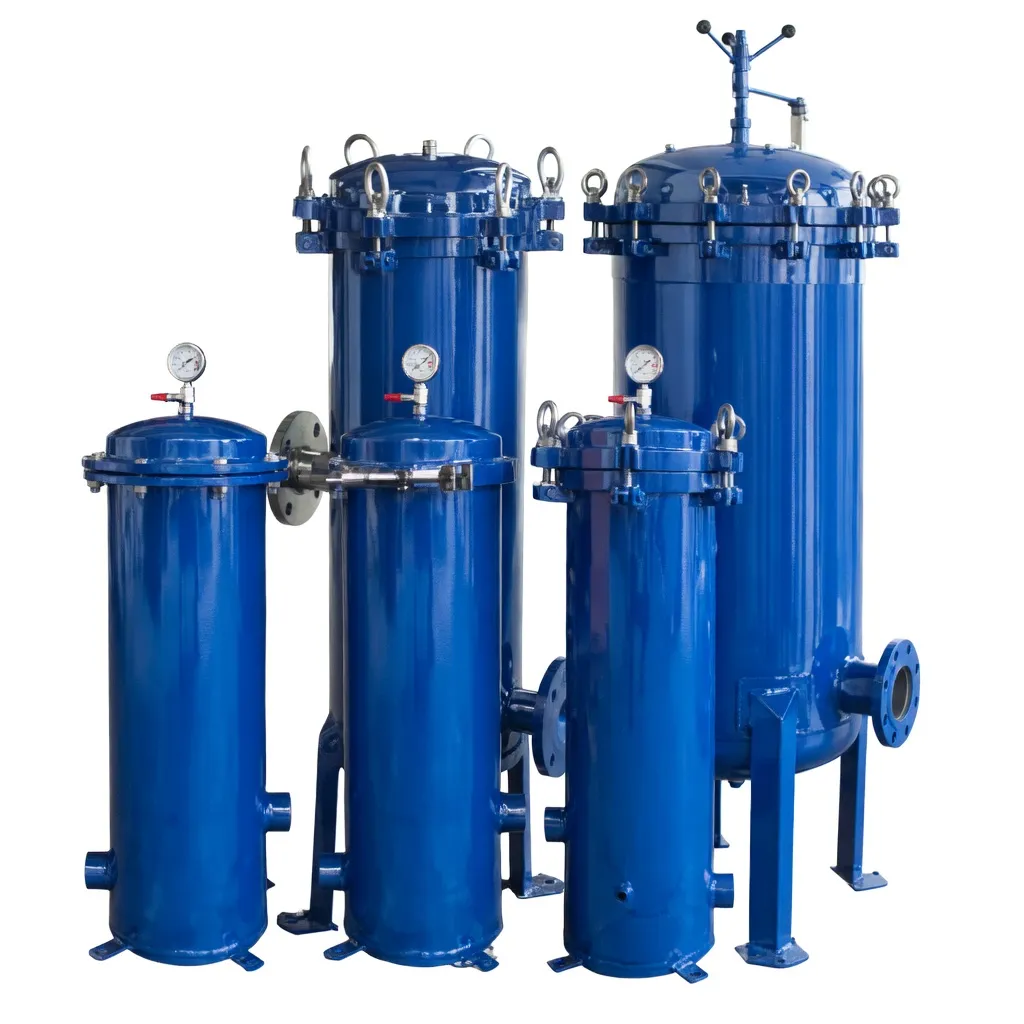
The material selection process in industrial air compressor manufacturing is far from arbitrary — every component must survive decades of thermal cycling, mechanical stress, and chemically aggressive environments while maintaining dimensional accuracy within microns. Cast iron has been the dominant material for cylinder blocks, crankcase housings, and cylinder heads in reciprocating compressors for well over a century, and it remains in widespread use today for good reason. Its inherent vibration-damping properties reduce noise levels, its thermal mass helps stabilise operating temperatures, and its machinability allows cost-effective production of complex shapes. High-grade grey cast iron used in modern compressor blocks typically carries a tensile strength of 200–300 MPa and a hardness of 180–240 HB, with carefully controlled carbon equivalents to balance castability with mechanical performance.
For rotary screw compressor rotors — arguably the most precision-critical components in the entire machine — manufacturers commonly specify high-strength steel alloys, often with chromium-molybdenum or nickel-chromium compositions. These materials offer the tensile strength (typically 800–1,100 MPa) and toughness required to withstand both the mechanical loads of meshing rotation and the thermal stresses of continuous high-speed operation. Rotor surfaces undergo precision grinding to tolerances measured in microns, with profile accuracy directly determining both compression efficiency and the clearances that govern leakage paths. In oil-free applications, rotor coatings of PTFE (polytetrafluoroethylene), specialised polymer composites, or thermal spray ceramics provide the dry lubrication needed when metallic contact must be completely avoided.
316L Stainless Steel
Used in precision filtration housings, separator bowls, and aftercooler tubes where corrosion resistance and cleanability are non-negotiable — particularly in food, pharmaceutical, and beverage applications common across the UK Midlands food processing sector.
Aluminium Alloy (6061-T6)
Valve plates, intercooler headers, and lightweight compressor frames in portable or mobile applications benefit from aluminium’s excellent strength-to-weight ratio, thermal conductivity, and natural oxide layer corrosion protection.
Chromium-Molybdenum Steel
Rotor shafts, crankshafts, and connecting rods in high-pressure reciprocating compressors are commonly manufactured from Cr-Mo alloy steels such as 4140 or 4340, offering the fatigue resistance and hardenability needed for long service under cyclic loading.
PTFE & Engineering Polymers
Piston rings, valve seals, and rotor coatings in oil-free compressors rely on PTFE composites, PEEK, and similar engineering polymers for their combination of chemical inertness, self-lubrication, and dimensional stability at elevated temperatures.
Key Technical Advantages of Modern Industrial Air Compressors
⚡
Superior Energy Efficiency
VFD-equipped screw compressors achieve specific power consumption as low as 5.5–6.5 kW per cubic metre per minute at 7 bar, compared to 7.5–9 kW for fixed-speed equivalents. Over a ten-year service life in a typical Sheffield manufacturing plant running 4,000 hours per year, the energy savings can fund multiple additional equipment purchases.
🔒
Oil-Free Air Purity
ISO 8573-1 Class 0 certification — the gold standard for oil-free air — guarantees less than 0.01 mg/m³ of total oil contamination at the compressor outlet. This is not merely a regulatory checkbox for UK pharmaceutical or food manufacturers; it is a prerequisite for maintaining product integrity and passing third-party audits that protect market access.
🔭
Intelligent Monitoring & Control
Modern compressor controllers integrate real-time monitoring of temperature, pressure, flow rate, motor current, vibration, and dew point into a single touchscreen interface with remote access via Ethernet, Modbus, or Profibus. Predictive maintenance algorithms alert engineers to developing bearing faults or filter saturation days or weeks before they cause unplanned downtime — a capability that is rapidly shifting from premium option to baseline expectation among UK plant managers.
🌍
Low Noise & Compact Footprint
Acoustic enclosures with sound-absorbing foam panels reduce operational noise levels to 62–68 dB(A) at one metre — well within UK workplace noise regulations under the Control of Noise at Work Regulations 2005. Integrated package designs combining compressor, dryer, filtration, and receiver into a single skid-mounted unit dramatically reduce the installation footprint compared to separately installed components, which matters greatly in the tight factory spaces typical of older UK industrial premises.
🔥
Heat Recovery Integration
Up to 94% of the electrical energy consumed by an air compressor is converted to heat — and modern heat recovery systems can capture 60–80% of that thermal energy for space heating, process water heating, or pre-heating combustion air. For UK facilities subject to the Energy Savings Opportunity Scheme (ESOS) reporting requirements, documented heat recovery installations provide evidence of implemented improvement measures and contribute meaningfully to site-wide carbon reduction targets.
🛠
延長されたサービス間隔
Premium synthetic compressor oils, combined with high-efficiency oil separation elements and advanced filtration, extend major service intervals in oil-flooded screw compressors to 4,000 or even 8,000 hours between oil changes — versus 2,000 hours for mineral oil products. Reduced service frequency directly lowers maintenance labour costs and planned downtime, a benefit that resonates strongly with UK manufacturing operations that have leaned heavily into overall equipment effectiveness (OEE) improvement programmes.
Technical Performance Parameters — Industrial Air Compressor Reference Table
The following table provides representative technical specifications across the common range of industrial rotary screw and piston air compressors used in UK manufacturing environments. Individual products may vary; consult the manufacturer’s datasheet and arrange a site survey for precise application matching.
| パラメータ | Compact Piston
(Single Stage) | Fixed-Speed Screw | VFD Screw (Standard) | VFD Screw (Heavy-Duty) | オイルフリーネジ |
|---|
| Drive Power (kW) | 2.2 – 11 | 7.5 – 75 | 7.5 – 160 | 160 – 500 | 22 – 355 |
| Max Discharge Pressure (bar) | 8 – 10 | 6~13 | 6~13 | 6 – 16 | 6 – 10 (Class 0) |
| 自由空気供給量(m³/分) | 0.20 – 1.20 | 1.0 – 12.0 | 1.0 – 28.0 | 28.0 – 90.0 | 3.0 – 60.0 |
| Specific Power (kW/m³/min) | 9.5 – 12.0 | 7.0 – 8.5 | 5.5 – 6.8 | 5.2 – 6.5 | 6.0 – 7.5 |
| 動作温度範囲(℃) | 5 – 40 | 0 – 45 | -10 – 45 | -10 – 45 | 5 – 40 |
| 騒音レベル dB(A) @ 1m | 72 – 85 | 65 – 72 | 62~70 | 68 – 75 | 62 – 68 |
| 空気清浄度クラス(ISO 8573-1) | Class 3–5 | Class 1–2 (+ filtration) | Class 1–2 (+ filtration) | Class 1–2 (+ filtration) | Class 0 (certified) |
| Rotor / Cylinder Material | Cast iron / aluminium | Cr-Mo alloy steel | Cr-Mo alloy steel | Cr-Mo alloy steel | Stainless / coated steel |
| Typical Service Interval (hrs) | 500 – 1,000 | 2,000 – 4,000 | 4,000~8,000 | 4,000~8,000 | 4,000 (rotors: 60,000+) |
| VFD Energy Saving vs Fixed-Speed | 該当なし | ベースライン | 25 – 35% | 30 – 40% | 25 – 35% |
Industrial Application Scenarios: Where Air Compressors Deliver Critical Value
Application Scenario 1: Laser Cutting & CNC Fabrication Shops in the West Midlands
 Laser cutting systems — whether CO2, fibre, or neodymium-doped varieties — depend entirely on a continuous, clean, and dry supply of compressed air. The air serves multiple simultaneous functions: it acts as the assist gas that blows molten material clear of the cutting kerf; it purges the beam path to prevent optical contamination; and it provides cooling to the cutting head nozzle assembly. Air purity is non-negotiable here — any oil contamination will coat the lens, scatter the beam, and cause costly focal point drift or outright optical damage. In Birmingham and Coventry’s dense concentration of sheet metal fabrication businesses, fibre laser installations have multiplied rapidly over the past decade, and the demand for properly specified, dedicated compressor systems to support them has grown in lockstep. A 37 kW variable frequency screw compressor producing 6.0 m³/min at 7 bar, paired with a refrigerant dryer and three-stage filtration (5 micron particulate, 0.1 micron coalescing, activated carbon), represents a widely adopted configuration for mid-sized laser cutting cells running on nitrogen-free compressed air assist.
Application Scenario 2: Automotive Component Manufacturing — Sheffield & Rotherham
The South Yorkshire automotive and advanced manufacturing corridor, centred on Sheffield and Rotherham, encompasses everything from precision forged components to assembled sub-systems for the wider UK automotive supply chain. Compressed air in these facilities drives pneumatic torque wrenches on assembly lines, supplies spray painting booths with the regulated, pulsation-free air pressure that ensures coating quality, operates pick-and-place automation in robotic welding cells, and powers abrasive blasting equipment for surface preparation. A multi-compressor installation with a master-slave control system — typically comprising two or three 75–160 kW VFD screw compressors running in parallel — ensures that production never halts due to compressor failure, while the smart sequencing controller minimises combined energy consumption by running the minimum number of machines needed to meet instantaneous demand. Compressed air quality for painting applications in this sector is governed by BS EN ISO 8573-1, with typical requirements of Class 2:3:2 or better for particulate, water, and oil contamination respectively.
Application Scenario 3: Pharmaceutical & Life Sciences Production — Cambridge & Oxford Science Parks
Pharmaceutical manufacturing facilities — increasingly concentrated around Cambridge, Oxford, and Stevenage in the UK’s Golden Triangle science corridor — demand ISO 8573-1 Class 0 oil-free compressed air for direct product contact applications including tablet coating, capsule filling, pneumatic conveying of active pharmaceutical ingredients, and cleanroom environmental control. A single particle of lubricating oil reaching a pharmaceutical production batch can trigger a batch rejection, regulatory investigation, and reputational consequences that dwarf the capital cost of any compressor installation. Oil-free screw compressors, specifically designed with PTFE-coated rotors, stainless steel contact surfaces, and certified Class 0 air purity, are the only technically acceptable solution for these applications. Validation documentation packages — including Installation Qualification (IQ), Operational Qualification (OQ), and Performance Qualification (PQ) records — are typically required by site quality management teams before any compressed air system is released for production use, adding an additional layer of technical documentation to the procurement process that specialised suppliers must be prepared to support.
Application Scenario 4: Food Processing & Packaging — Manchester & Yorkshire
The UK’s food and beverage processing sector, with major concentrations of production facilities across Greater Manchester, West Yorkshire, and the broader North of England, relies on compressed air for an extraordinarily wide range of tasks — from operating bottle-blowing machines in PET packaging lines, to controlling pneumatic actuators on multi-head weighers, to flushing packaging film with inert gas in modified atmosphere packaging systems. Food-safe compressed air must comply not only with ISO 8573-1 but also with British Retail Consortium (BRC) Global Standards and applicable British Food Safety regulations, which together mandate that compressed air used in contact with food products meets stringent purity criteria. Many UK food manufacturers have moved to centralised oil-free compressor rooms with 100% redundancy and automated changeover capabilities, recognising that an unplanned compressor failure that halts a production line represents losses measured in tens of thousands of pounds per hour in the highest-volume operations.
Air Receiver Tanks & Post-Processing Equipment
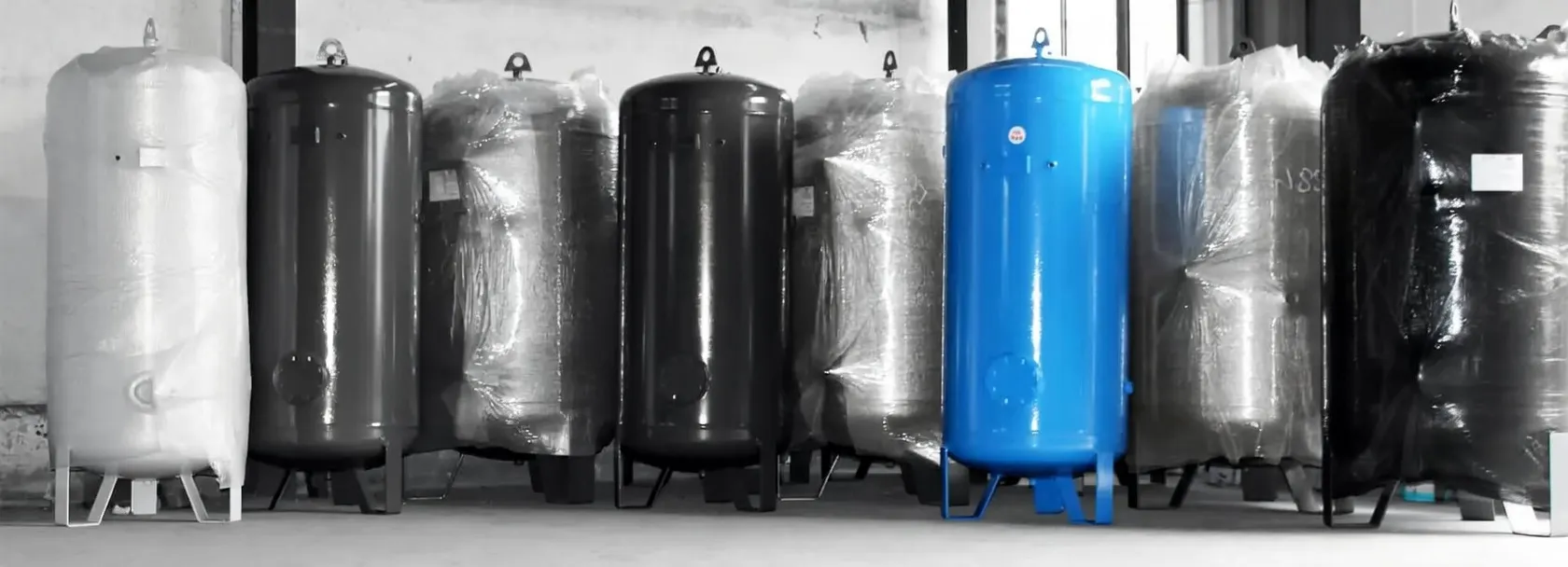
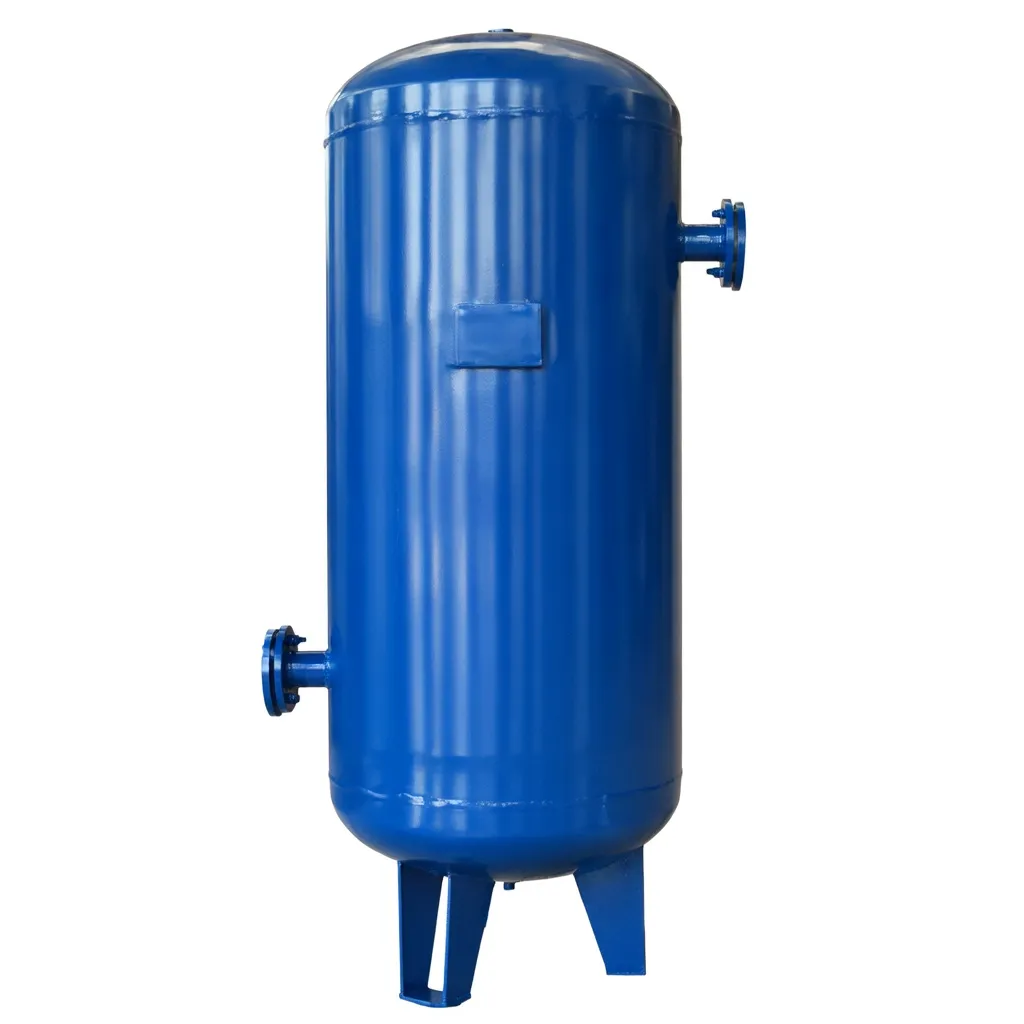 No compressed air installation is complete without the correct downstream treatment equipment — and the stainless steel receiver tank deserves particular attention as a precision engineering component in its own right. Beyond its primary function of storing compressed air to buffer supply against demand peaks, a properly sized receiver tank also acts as a primary moisture knockout vessel, reducing the load on downstream drying equipment, and provides the pressure dampening that eliminates compressor-driven pressure pulses from reaching sensitive downstream processes. Stainless steel construction — typically 304L or 316L grade — is specified wherever condensate acidity, food-grade requirements, or corrosive process environments rule out carbon steel alternatives. Design pressures commonly range from 10 to 16 bar working pressure, with safety relief valves, drain valves, and inspection ports specified in accordance with the Pressure Equipment Regulations 2016, which transposed the European Pressure Equipment Directive into UK law and continues to be enforced by the Health and Safety Executive.
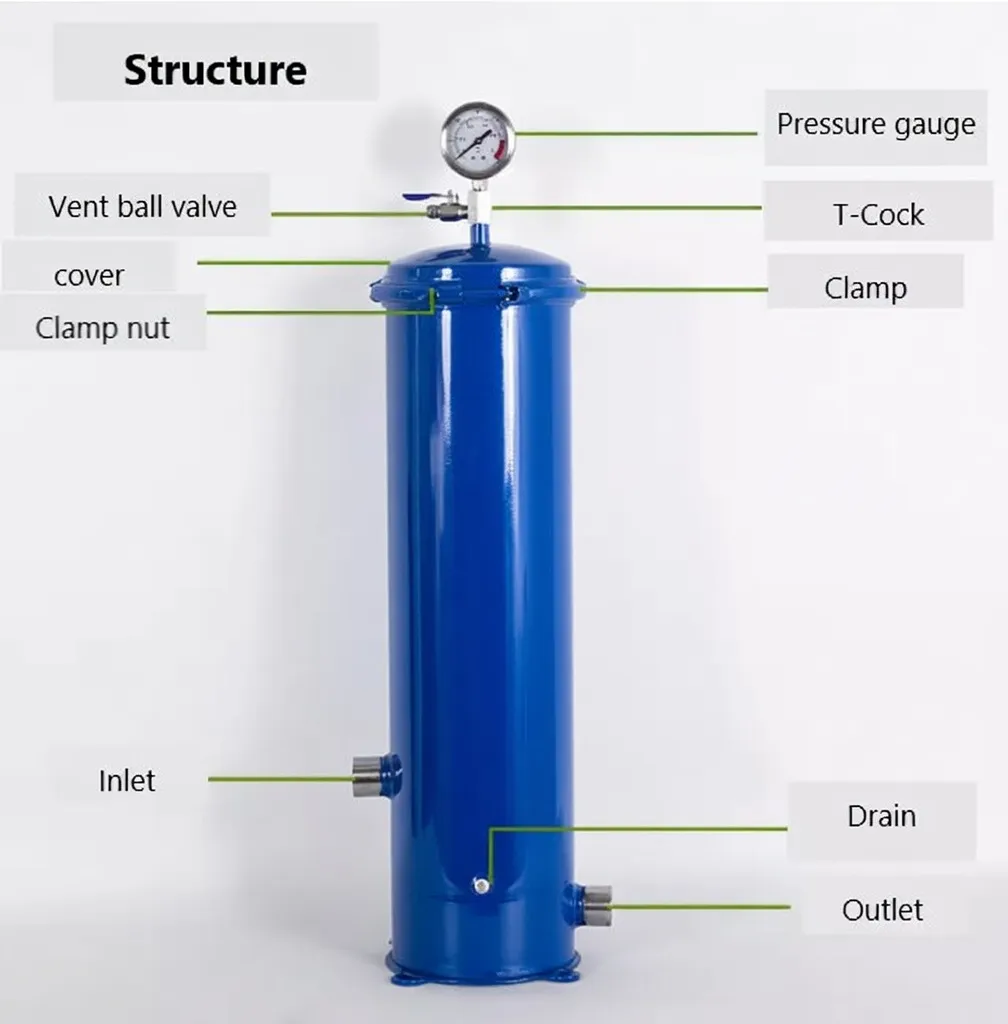
Precision filtration housings in stainless steel similarly combine corrosion resistance with the cleanability required for food, beverage, and pharmaceutical applications. Multi-stage filter trains — typically comprising a bulk liquid separator, a coalescing filter, and an activated carbon adsorber — remove particulates, aerosol oil, and odour-causing vapours in sequence, delivering compressed air that meets the most demanding purity specifications. The engineering of these post-processing systems is inseparable from the compressor selection process; treating them as afterthoughts rather than integral elements of the compressed air system design invariably leads to suboptimal air quality and premature filter saturation.
Featured Air Compressor Products
Precision-engineered screw compressor solutions for UK industrial applications
🔌
The CM160PVF is a premium 160 kW variable frequency drive screw compressor engineered for continuous heavy-duty industrial service. Its advanced rotor geometry and intelligent VFD controller deliver exceptional part-load efficiency, making it particularly well-suited to manufacturing facilities in the UK where air demand fluctuates significantly across shifts. The unit combines a built-in IE4 premium efficiency motor, ultra-low-noise acoustic enclosure, and a comprehensive smart monitoring package that communicates system status and fault alerts via Modbus TCP to building management systems or SCADA platforms. With a free air delivery of up to 28.0 m³/min and an energy saving potential of up to 35% versus fixed-speed equivalents, the CM160PVF is designed for plant engineers who take total cost of ownership seriously.
⚡
Our Variable Speed Drive Screw Air Compressor range spans 7.5 kW to 132 kW and is engineered specifically for applications where compressed air demand is variable and energy cost reduction is a primary commercial priority. The integrated variable speed drive continuously modulates motor speed between a wide frequency range, eliminating the wasteful load-unload cycling of conventional fixed-speed machines. Each unit ships with an IP65-rated, colour touchscreen controller pre-configured with multiple operating modes, automatic restart on power restoration, and a 24-month warranty package. For UK buyers, the range complies with all relevant machinery directives retained in British law post-exit, and can be specified with CE marking documentation to support export across European markets.
Ever Power: Precision Manufacturing & Customisation Capabilities
At Ever Power, we do not believe in off-the-shelf solutions for industrial-grade compressed air challenges. Our manufacturing facility — spanning over 28,000 square metres of purpose-built production and assembly space — operates to exacting quality standards across every stage of the production process, from raw material verification through to factory acceptance testing. Our in-house capabilities encompass precision rotor grinding on CNC cylindrical grinding machines with sub-micron profile tolerance verification, dynamic balancing of rotor assemblies to ISO 1940-1 Grade G2.5, automated assembly cells for valve and separation components, and a fully instrumented performance test stand capable of verifying free air delivery, specific power, discharge temperature, and noise level simultaneously under controlled conditions.
Our customisation service is genuinely comprehensive rather than superficially flexible. UK clients have worked with our engineering team to develop compressor configurations that include non-standard voltage specifications (e.g., 400V/50Hz TN-S supply compliant with BS 7671), modified acoustic enclosure heights to fit below existing mezzanine structures in older UK factory buildings, integrated heat recovery coil assemblies connected to site hot water circuits, and bespoke PLC control interfaces that integrate directly with customer SCADA systems using specific communication protocols. We maintain a dedicated export logistics team that manages DDP (Delivered Duty Paid) shipments to UK ports including Felixstowe, Tilbury, and Southampton, with full export documentation, UKCA marking support, and third-party inspection certificates available upon request.
Our supply chain is built around long-term partnerships with tier-1 material and component suppliers, ensuring material traceability and batch consistency that supports customer audits and quality management system requirements. Whether your project calls for a single bespoke compressor unit or a multi-machine blanket supply agreement, Ever Power’s commercial team structures supply arrangements that align with your procurement timelines and budget planning cycles.
🏭
Request a Custom Engineering Quote
Tell us your application, site conditions, and performance requirements. Our engineers will respond within one working day with a technically detailed proposal.
📧 Get a Quote from Ever Power
ISO 9001 Certified
UKCA Compliant
DDP Delivery UK
28,000 m² Facility
Customer Success Story: Sheffield Precision Engineering — Compressed Air Overhaul
📍 Sheffield, South Yorkshire
🏭 Precision Aerospace Component Manufacturing
📈 37% Energy Reduction Achieved
課題
Meridian Aerostructures Limited — a precision machined components manufacturer based on the Advanced Manufacturing Park near Sheffield — had been operating three ageing fixed-speed screw compressors dating from 2008 to supply compressed air to their CNC machining centres, pneumatic workholding fixtures, and air-bearing coordinate measuring machines. Over sixteen years of operation, the units had accumulated significant mechanical wear, and their combined specific power consumption had deteriorated to a measured 9.2 kW per m³/min — nearly 40% worse than the manufacturer’s original specification. The compressor room ran all three units simultaneously during peak shifts to maintain system pressure, even when actual air consumption was only 35–40% of combined rated capacity. The plant engineer’s annual energy bill attributable to compressed air generation exceeded £180,000 at current UK electricity tariff rates. Unplanned downtime caused by sequential failures in the oldest unit had resulted in two production stoppages in the preceding twelve months, each costing several hours of lost machining time on high-value aerospace structural components.
エバーパワーソリューション
Meridian’s procurement team contacted Ever Power following a recommendation from their air treatment equipment supplier. The Ever Power engineering team conducted a comprehensive site survey using calibrated ultrasonic flow measurement, pressure logging, and power quality analysis over a continuous 72-hour period spanning two full production shifts. The survey data revealed that peak demand reached 8.4 m³/min but average consumption across a full 24-hour cycle was only 4.1 m³/min, with highly variable demand patterns driven by the stop-start nature of CNC program cycles. Based on this analysis, Ever Power recommended a two-machine installation comprising one 75 kW VFD screw compressor as the lead machine, backed up by a 55 kW fixed-speed unit for peak and redundancy duty. Both machines were specified with the customer’s existing 400V/50Hz TN-S supply, IP55 ingress protection for the dusty compressor room environment, and integrated Modbus TCP communication to connect to Meridian’s Allen-Bradley PLC-based monitoring system. A bespoke acoustic canopy height modification was engineered to allow the units to fit below an existing structural beam that crossed the compressor room at 2.1 metres — a configuration that no off-the-shelf product in the standard range could accommodate without structural alteration to the building.
The Measurable Outcome
After twelve months of operation, Meridian’s energy management team reported a 37% reduction in compressor room electricity consumption — a saving of approximately £67,000 in the first year of operation against the previous year’s baseline. System pressure stability improved dramatically, with pressure variation at the distribution header reduced from plus-or-minus 0.6 bar under the old system to less than 0.15 bar with the new VFD lead machine. Zero unplanned compressor downtime events occurred in the twelve-month post-installation period. The verified energy savings placed the project firmly within Meridian’s three-year payback threshold for capital equipment, and the installation was subsequently cited in their ESOS Phase 3 compliance report as a successfully implemented energy efficiency measure.
What Our UK Customers Say About Ever Power
★★★★★
“The CM160PVF has transformed our energy profile in the laser shop. We were sceptical that a variable frequency machine could hold the stable pressure our fibre lasers need, but the pressure variance has been negligible since day one. Ever Power’s commissioning engineer stayed on site for two days to verify everything was right — that level of support is rare from an overseas supplier.”
デビッド・ウィットモア
Plant Engineering Manager — Sheet Metal Fabricator, West Midlands
★★★★★
“We needed a non-standard voltage configuration and a modified acoustic enclosure to fit our compressor room — Ever Power delivered both without any issue. The technical drawings were detailed and accurate, the delivery to our Manchester facility arrived exactly on the confirmed date, and the DDP pricing meant we had complete cost certainty from day one. Energy bills have dropped noticeably compared to our previous setup.”
Karen Obaseki
Head of Facilities — Food Packaging Company, Greater Manchester
★★★★★
“Our pharmaceutical quality team was very thorough in assessing Ever Power’s documentation package — they reviewed the rotor material certificates, the ISO 8573-1 Class 0 test reports, and the IQ/OQ template documentation in detail. Everything was in order. The oil-free screw units have now been running for fourteen months with no deviation events related to compressed air quality, which is exactly what we needed to satisfy our QMS and our contract manufacturing client.”
James Sutherland
Quality Systems Director — Contract Pharmaceutical Manufacturer, Cambridgeshire
Selecting the Right Compressor: A UK Buyer’s Decision Framework
Before committing capital expenditure on an industrial air compressor installation, UK plant and procurement teams should systematically work through several key decision variables. Air demand assessment is the starting point — a logged measurement of actual site compressed air consumption using calibrated flow meters over at least one week of representative production is far more reliable than rule-of-thumb estimates or previous equipment nameplates, which often reflect original design capacity rather than current actual demand. Calculating the demand profile — peak demand, average demand, minimum demand, and the ratio between them — directly determines whether a single VFD machine, a parallel multi-machine arrangement, or a hybrid fixed-plus-variable configuration delivers the best combination of energy efficiency and supply security.
Air quality specification must be determined by the most demanding end-use in the facility, not by the average application. A single oil-sensitive process — such as a laser cutting head, a CMM air bearing, or a pharmaceutical product contact point — defines the quality standard for the entire distribution system, because once air is in the network it cannot practically be segregated by quality level without a parallel distribution infrastructure. Pressure requirements similarly cascade from the highest-pressure demand point, including system pressure drop from pipework friction losses, dryer and filter pressure differential, and pipe network pressure drop calculations using the Darcy-Weisbach equation or recognised compressed air pipe sizing software tools.
Frequently Asked Questions About Industrial Air Compressors in the UK
How much does a variable frequency drive screw air compressor typically cost to buy from a UK supplier, and what factors affect the overall price? ▼
Pricing for VFD screw compressors in the UK varies considerably depending on power rating, brand, and specification level. For a 7.5–11 kW variable frequency unit, budget pricing from established suppliers typically starts around £4,000–£7,000 ex-works. At the 37–55 kW tier — where the majority of medium-scale manufacturing applications sit — expect to budget £12,000–£22,000 for the compressor unit alone. Heavy-duty machines at 110–160 kW commonly carry price points of £35,000–£65,000 depending on specification, acoustic package, and integrated accessories. To these figures, UK buyers must add freight and import duties if sourcing internationally, refrigerant air dryer (£800–£5,000 depending on capacity), filtration train, receiver tank, installation labour, and electrical connection works. Requesting a comprehensive Get a Quote from suppliers including Ever Power is the most reliable way to obtain an accurate, application-specific cost figure.
What is the best type of industrial air compressor for a laser cutting workshop in Birmingham or Coventry where compressed air purity is critical? ▼
For laser cutting applications — whether CO2 or fibre laser — the compressor type matters less than the downstream air treatment quality, provided the compressor itself is reliable and stable. Most Birmingham and Coventry fabrication shops use oil-flooded rotary screw compressors paired with refrigerant dryers and three-stage filtration to achieve the clean, dry air that laser cutting heads require. The filtration train must include a coalescing filter rated to at least 0.01 mg/m³ oil aerosol removal (ISO 8573-1 Class 1 for oil aerosol) and a desiccant or refrigerant dryer achieving a pressure dew point of -20 °C or better. If the laser system is highly sensitive — particularly CNC fibre lasers with expensive optic assemblies — an oil-free compressor removes the upstream oil source entirely and may be worth the additional capital cost as insurance against lens damage.
Which UK regulations and standards apply to industrial compressed air systems that a plant manager in Sheffield or Leeds needs to be aware of? ▼
Several regulatory frameworks apply to industrial compressed air systems in the UK. The Pressure Equipment (Safety) Regulations 2016 govern the design, manufacture, and conformity assessment of pressure vessels including air receivers — compliance is mandatory and UKCA marking (or retained CE marking for pre-2021 equipment) is required. The Control of Noise at Work Regulations 2005 set action levels at 80 and 85 dB(A) daily exposure that are relevant in compressor rooms. PSSR 2000 (Pressure Systems Safety Regulations) requires that installed pressure systems above certain thresholds have a written scheme of examination and are subject to periodic inspection by a competent person. For food and pharmaceutical applications, BS EN ISO 8573-1 defines compressed air purity classifications, and BRC Global Standards may impose additional requirements. The Energy Savings Opportunity Scheme (ESOS) — administered by the Environment Agency — requires qualifying UK organisations to assess compressed air systems as part of their energy audit obligations.
How long does it typically take for an overseas industrial air compressor supplier to deliver a custom-specified unit to a UK manufacturing site, and what should I ask about logistics? ▼
Lead times for standard in-range air compressors from established international suppliers typically run 4–8 weeks from order confirmation to ex-works dispatch, with an additional 3–5 weeks for ocean freight and UK port clearance — so a total 7–13 week delivery window is a reasonable planning assumption for stocked-range machines. Custom-engineered or heavily modified compressors should be quoted on a project basis, with typical lead times of 10–16 weeks. When requesting quotes from overseas suppliers including Ever Power, you should explicitly ask for: the ex-works and DDP delivery timeline; who handles UK import customs clearance and duty payment; what shipping documentation is provided (packing list, commercial invoice, certificate of origin, bill of lading); whether UKCA or CE marking documentation is available; and what warranty coverage applies once the unit is on UK soil. Reputable suppliers will provide clear, written answers to all of these questions before contract signature.
What is the actual annual running cost of a 75 kW industrial air compressor operating in a UK manufacturing plant, and how can energy bills be reduced? ▼
For a 75 kW fixed-speed screw compressor running 4,000 hours per year at full load, electricity consumption is approximately 300,000 kWh annually. At a typical UK industrial electricity tariff of around 18–22 pence per kWh, annual energy cost runs to roughly £54,000–£66,000 — and this figure typically represents 70–80% of the compressor’s total lifetime operating cost, dwarfing purchase price, servicing, and maintenance combined. Fitting a VFD to the same 75 kW machine operating at 65% average load typically reduces annual energy consumption by 28–33%, saving £15,000–£22,000 per year. Additional savings of 20–30% are commonly available through compressed air leak detection and repair programmes — studies suggest that undetected leaks in unmanaged industrial distribution systems waste 20–35% of generated air. A comprehensive air system audit — which reputable suppliers including Ever Power can support — often identifies combined improvement potential of 35–50% versus unmanaged baseline consumption.
Who is the most reliable industrial air compressor supplier for UK B2B buyers who need certified oil-free Class 0 compressed air for pharmaceutical or food manufacturing? ▼
UK pharmaceutical and food manufacturers requiring certified ISO 8573-1 Class 0 oil-free compressed air should prioritise suppliers that can provide independently verified test certificates from accredited third-party laboratories rather than relying solely on manufacturer self-declaration. The documentation package matters as much as the hardware — IQ/OQ template documentation, material traceability certificates for wetted components, and CE or UKCA conformity declarations are typically minimum requirements for regulated-industry procurement. Ever Power’s oil-free screw compressor range includes full Class 0 certification documentation and material certificates as standard deliverables, and our export team is experienced in preparing the compliance documentation packages that UK pharmaceutical and food quality management teams require. We recommend contacting us directly to discuss your specific application and documentation requirements before raising a formal tender.
gzlによる編集