
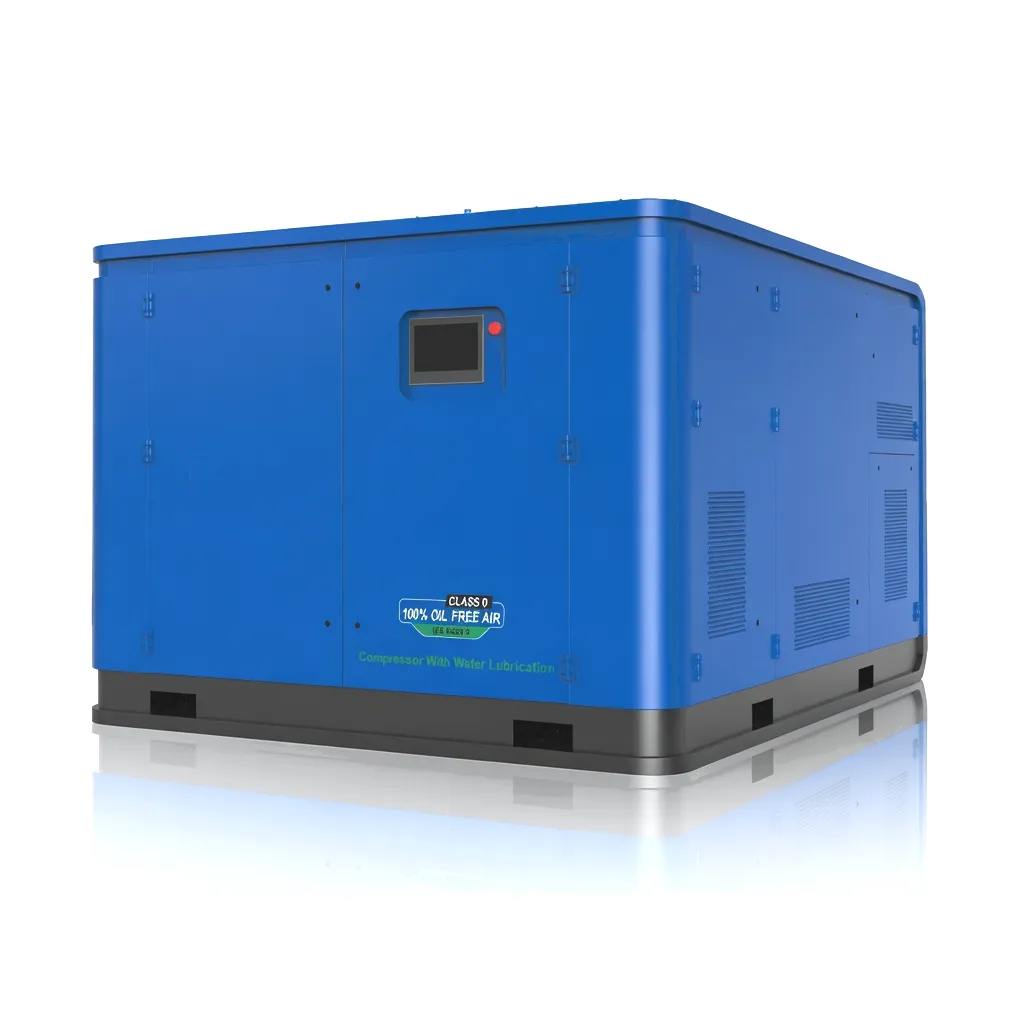
 Across British manufacturing hubs — from the precision engineering corridors of Birmingham to the advanced fabrication workshops of Sheffield, and the aerospace supply chains centred around Bristol — one piece of equipment quietly underpins nearly every production process: the industrial air compressor. Far from being a commodity item, the air compressor has evolved into a sophisticated engineered system that directly influences process quality, energy expenditure, and operational reliability. Whether powering pneumatic tooling on the shop floor, supplying clean dry air to laser cutting machines, or maintaining instrument air in pharmaceutical-grade environments, the selection and specification of an air compressor carries genuine engineering weight.
Working Principles of Industrial Air Compressors
Positive Displacement Compression
The rotary screw air compressor — by far the most prevalent type in UK industrial facilities — operates on a positive displacement principle. Two helical rotors, one male and one female, mesh together within a precision-machined housing. As the rotors turn, air is drawn into the inlet and trapped in the progressively reducing volume between rotor threads and housing wall. This continuous meshing action compresses the trapped air charge smoothly and without the pressure pulsations characteristic of reciprocating piston designs. The result is an exceptionally steady discharge pressure — a critical requirement for downstream processes such as laser cutting, where pressure fluctuation can directly compromise cut edge quality and kerf geometry. Modern screw elements achieve volumetric efficiencies exceeding 90%, and with variable frequency drive (VFD) control, energy draw is matched precisely to instantaneous demand rather than cycling between load and unload states wastefully.
Dynamic (Centrifugal) Compression
In large-scale process industries — petrochemical refining, major steel rolling mills in South Yorkshire, and high-volume food processing plants in Yorkshire and the Humber — centrifugal compressors dominate where very high flow rates at moderate pressures are needed. These machines accelerate the air stream through high-speed impellers, then convert velocity head to pressure in a diffuser section. Because they contain no rubbing contact surfaces in the compression element itself, they are inherently oil-free by design, making them an attractive proposition where compressed air quality regulations under ISO 8573-1 Class 0 are mandatory. However, centrifugal machines exhibit a pronounced sensitivity to inlet conditions and can surge if flow falls below their minimum stable operating point — a characteristic that demands careful system integration and control philosophy during commissioning.
Oil-Injected vs Oil-Free Screw Technology
Oil-injected screw compressors inject a precise volume of lubricating oil into the compression chamber during operation. This oil serves three simultaneous functions: it seals the rotor-to-rotor and rotor-to-housing clearances (boosting volumetric efficiency), it lubricates the rotor bearings without a separate pressurised oil circuit, and it absorbs a substantial portion of the heat of compression — enabling single-stage compression ratios that would otherwise require two-stage machinery. Downstream oil separation (typically to below 3 ppm carryover) is essential, followed by coalescing filtration for sensitive applications. Oil-free screw technology, by contrast, uses Teflon or specialty-coated rotors with matched inter-stage coolers, delivering genuinely oil-free compressed air suitable for pharmaceutical manufacturing, electronics clean rooms in Cambridge Science Park, and food-contact packaging lines anywhere in the UK.
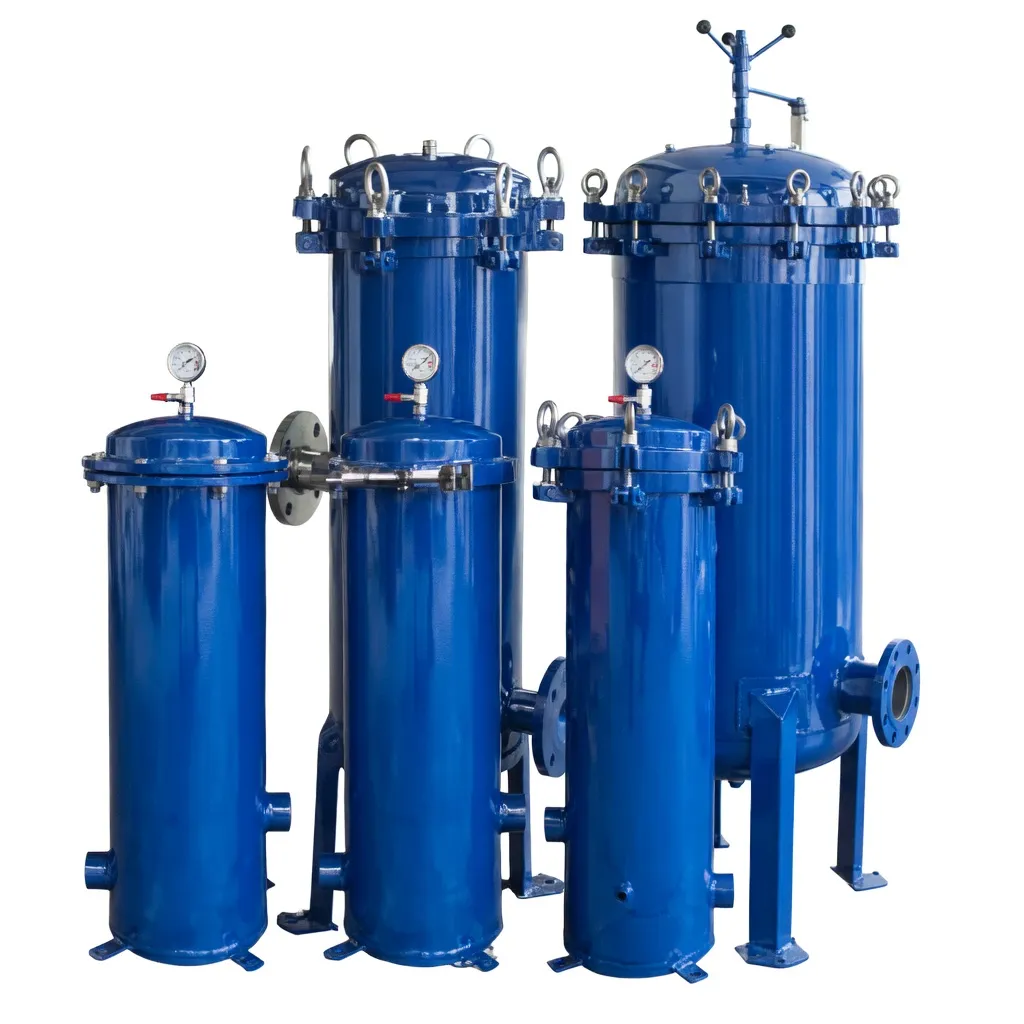 The performance ceiling of any air compressor is ultimately set by the materials from which it is constructed. In the demanding environment of industrial compressed air — with continuous thermal cycling, high-velocity airflow carrying particulate contamination, and exposure to moisture condensate — material selection is an engineering discipline in its own right. Screw rotor pairs are most commonly manufactured from alloyed cast iron or forged steel (EN-GJL-250 or equivalent), with precision ground profiles held to tolerances of ±2 microns. The interlocking rotor geometry is the heart of the machine, and any compromise in material hardness or surface finish translates directly into reduced efficiency and accelerated wear.
ローター材質
Alloyed cast iron / forged steel (EN-GJL-250), precision ground to ±2 µm profile tolerance
Housing
Grey cast iron GG25 (standard); 316L stainless steel or aluminium alloy for corrosive/marine environments
Valves & Seals
Nitrile / Viton elastomers; PTFE-lined shaft seals for oil-free applications
Oil Cooler Core
Brazed aluminium or stainless steel tube-and-fin; designed for continuous 60°C+ coolant outlet temperature
Filtration Media
Borosilicate glass fibre coalescing elements; activated carbon beds for odour removal in food-grade applications
Product Advantages: Why Modern Variable Frequency Air Compressors Lead the Market
01
Energy Savings of 30–50% via VFD Control
Variable frequency drive technology synchronises motor speed with actual compressed air demand in real time. Rather than cycling between full-load and vented unload — which wastes 20–35% of total energy in traditional fixed-speed machines — VFD compressors modulate seamlessly between minimum and maximum flow points. In UK manufacturing facilities where energy costs regularly exceed £0.25/kWh on industrial tariffs, the payback period on the VFD premium is typically under 18 months across three-shift operations.
02
Stable Outlet Pressure ±0.1 bar
Pressure stability is not merely a comfort factor — for laser cutting, pneumatic forming, and precision spray coating, it is a direct determinant of output quality. Modern VFD screw compressors maintain discharge pressure within ±0.1 bar of set point across the full flow range. This eliminates the wide pressure band (typically 0.8–1.0 bar swing) of traditional pressure-switch-controlled machines, reducing energy consumption at part load and preventing over-pressurisation events that accelerate seal and fitting wear throughout the distribution ring main.
03
Integrated Smart Monitoring & Remote Diagnostics
Contemporary air compressor controllers incorporate industrial IoT connectivity as standard: Modbus RTU/TCP, PROFIBUS-DP, or EtherNet/IP protocols allow integration with facility SCADA and building management systems. Live monitoring of discharge pressure, temperature, vibration signature, oil quality indicators, and filter differential pressure feeds into predictive maintenance workflows. For UK facilities operating under BS EN ISO 45001 health and safety frameworks, documented proof of compressor condition reduces liability exposure and supports insurance documentation requirements.
04
Heat Recovery Integration
Approximately 94% of the electrical energy consumed by an air compressor is converted to heat during the compression process. Modern thermal recovery systems intercept coolant flow between the oil cooler and the machine, diverting recoverable heat at 60–90°C into space heating circuits, process water preheating, or low-temperature drying processes. In a 132 kW compressor running 6,500 hours per year, recoverable heat can offset £15,000–£22,000 in annual gas heating costs — a compelling proposition under the UK’s current energy pricing environment and net-zero commitments.
05
Low Noise Operation — Below 68 dB(A)
Enclosed sound canopy designs, combined with anti-vibration mounts and acoustic foam lining, bring operating noise levels below 68 dB(A) at 1 metre — comparable to normal conversation. This matters increasingly in UK workshops under Control of Noise at Work Regulations 2005, where sustained exposure above 85 dB(A) triggers mandatory hearing protection zones and action plans. A quieter compressor also opens up installation options inside the production area itself, reducing the cost and pressure drop penalty of long pipework runs from remote compressor rooms.
06
Extended Service Intervals to 8,000 Hours
High-quality synthetic compressor oil formulations and precision-engineered airends now support service intervals of 6,000–8,000 running hours — roughly doubling the maintenance burden of older mineral-oil-based machines. For a UK facility running continuous double-shift production (4,000+ hours per year), this translates to full oil changes every two years rather than every year, reducing both direct consumable costs and planned downtime events. Extended filter and separator service lives further compress total maintenance cost of ownership over a typical 15-year asset life.
Product Technical & Performance Parameters
The following table covers the principal performance parameters across the screw air compressor range most commonly specified for UK industrial applications, from light manufacturing to heavy process industry. All flow figures are stated as free air delivery (FAD) at ISO 1217:2009 reference conditions (20°C, 1 bar(a), 0% relative humidity). Power figures represent shaft power input at the compressor flange.
| Model Series | 定格出力(kW) | FAD(m³/分) | 作動圧力(bar) | Discharge Temp (°C above ambient) | 騒音レベル dB(A) @ 1m | 駆動方式 | オイルキャリーオーバー(ppm) | ローター材質 | Service Interval (hrs) |
|---|---|---|---|---|---|---|---|---|---|
| Fixed-Speed Screw (Entry) | 7.5–37 | 0.85–5.6 | 7 / 8 / 10 / 13 | <10 | 66–72 | ダイレクト/ベルト | <3 | Cast Iron GG25 | 4,000 |
| VFD Screw (Standard) | 15–75 | 1.8–13.2 | 7 / 8 / 10 / 13 | <8 | 64–69 | VFDダイレクト | <3 | Alloyed Cast Iron | 6,000 |
| High-Efficiency VFD Screw | 75–160 | 12–28 | 7 / 8 / 10 / 13 | <8 | 66–72 | VFD + IE4 PM Motor | <2 | Forged Steel EN-GJL-250 | 8,000 |
| Oil-Free Screw (Two-Stage) | 30–132 | 4.5–22 | 7 / 8 / 10 | <10 | 67–74 | VFDダイレクト | 0(クラス0) | PTFE-coated Cast Iron | 6,000 |
| Reciprocating Piston (Portable) | 1.5–11 | 0.18–1.6 | 8 / 10 / 16 | <15 | 80–95 | Fixed-Speed Belt | <5 | Aluminium Alloy Cylinder | 2,000 |
| Centrifugal (Large Process) | 160–1,000+ | 30–200+ | 4–10 | <10 | 75–85 | Fixed / IGV | 0 (inherent) | Titanium / Stainless Impeller | Continuous (overhaul per OEM) |
Industrial Application Scenarios
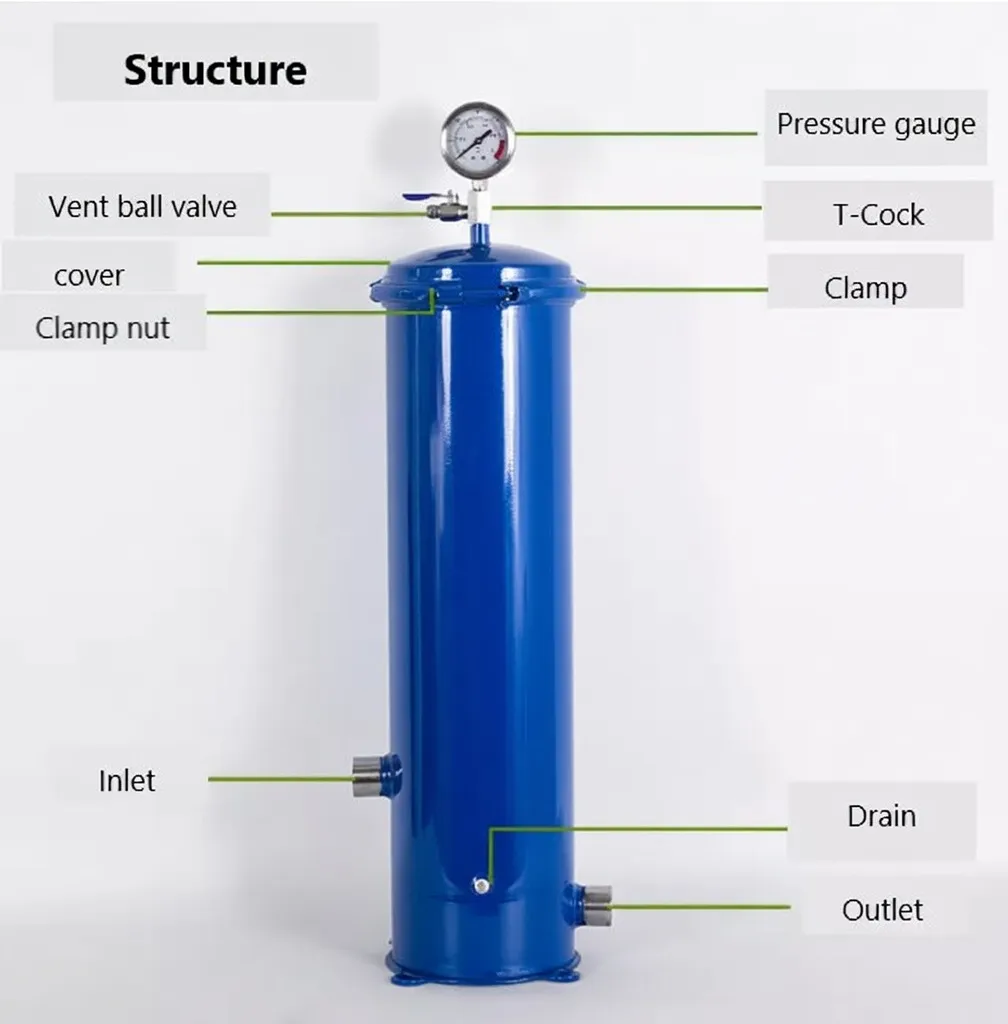 Laser cutting — whether CO2 or fibre — demands exceptionally clean, dry, and pressure-stable compressed air. The air supply serves two distinct roles: as an assist gas delivered coaxially with the laser beam to eject molten material from the kerf, and as purge air that protects the beam path optics from contamination. For fibre laser cutting of stainless steel, mild steel, and aluminium at cutting thicknesses from 1mm to 25mm, working pressures between 6 and 12 bar(g) are typical, with flow demands that vary significantly with material type and thickness. Nitrogen assist gas is generated in many UK fabrication shops by on-site nitrogen generators running off compressed air — meaning the air compressor must supply both laser assist air and nitrogen generator inlet flow simultaneously. Moisture contamination at any point in this circuit can cause catastrophic optical damage, making a rigorously maintained refrigeration dryer and coalescing filtration train essential protective infrastructure for any laser installation.
General Pneumatic Tooling in Automotive Manufacturing — West Midlands
The West Midlands automotive supply chain — spanning tier-one and tier-two suppliers to Jaguar Land Rover, BMW (Mini), and a growing network of EV battery assembly facilities — relies heavily on compressed air for impact wrenches, torque nutrunners, air ratchets, and grinders across body assembly, powertrain, and trim operations. A medium-sized automotive components plant typically operates a ring main system at 7.5–8.5 bar(g), fed by a bank of two or three VFD screw compressors running in cascade control. Redundancy is non-negotiable: an unexpected compressor trip on an automotive production line typically costs between £8,000 and £15,000 per minute in lost output and recovery costs. The compressed air specification must also account for pneumatic robot actuation, air bearings in precision machining centres, and control air for automated painting lines — each with subtly different quality requirements managed by zone-specific filtration.
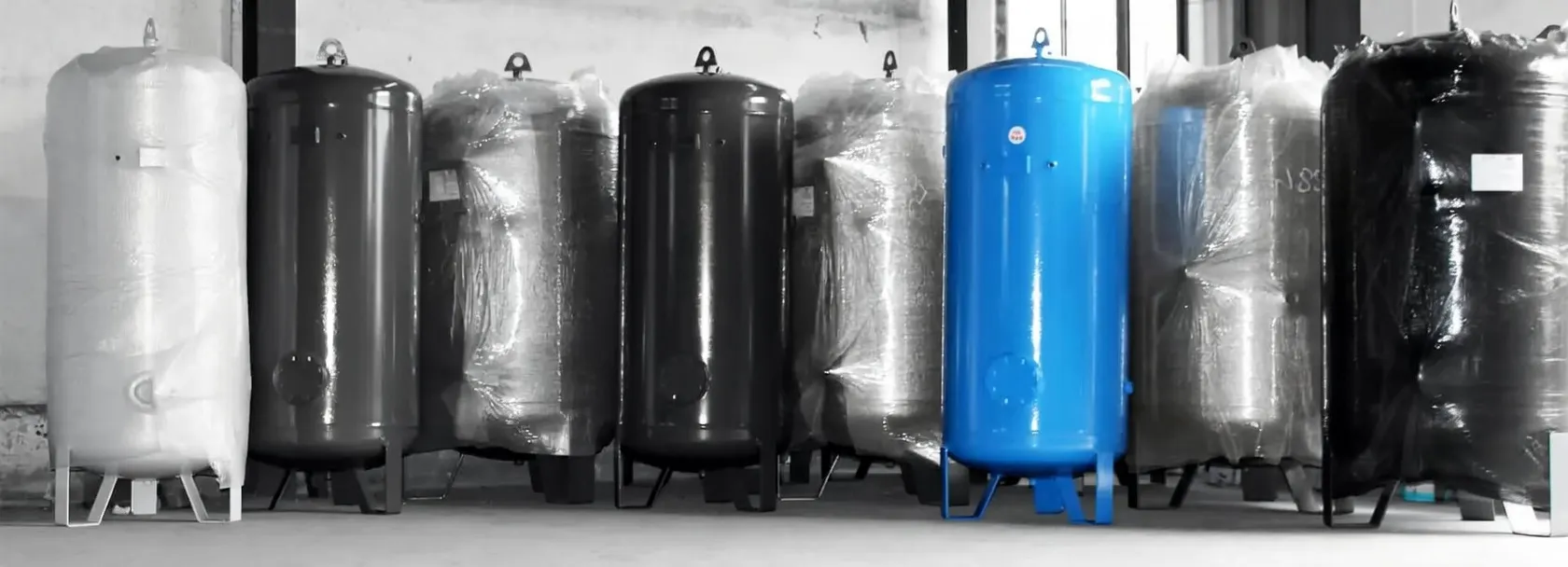
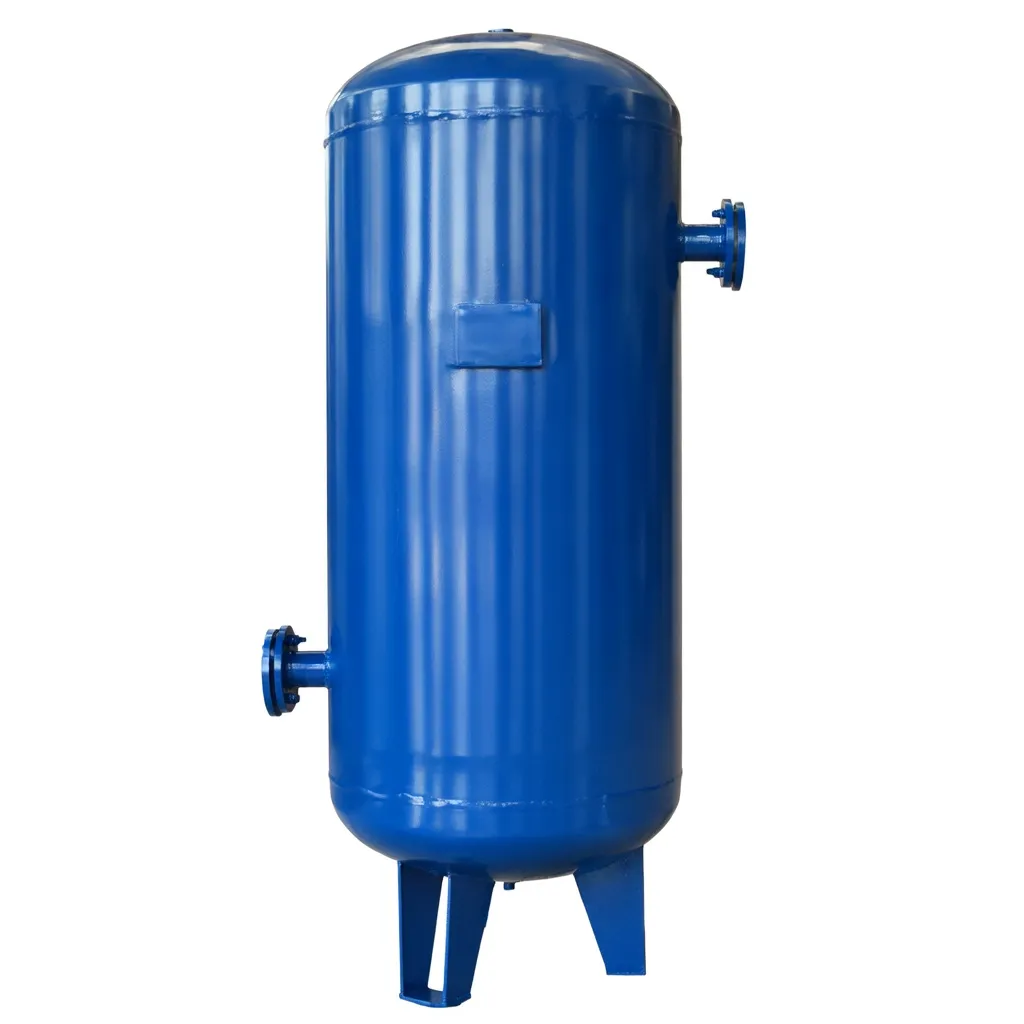 British food manufacturing — one of the UK’s largest industrial sectors with major facilities in Yorkshire, Lancashire, and the East Midlands — operates under stringent British Retail Consortium (BRC) Global Standard requirements for compressed air used in food-contact applications. Where air can contact product directly (pneumatic conveying of powders, filling of beverage containers, cleaning of lines), ISO 8573-1 Class 1.2.1 specification is typical, requiring oil-free, bacteriologically clean air at a pressure dew point of -40°C. Oil-free screw compressors with stainless steel downstream pipework, absolute-rated filtration, and validated monitoring of particle count, humidity, and oil vapour are the baseline specification. Stainless steel receiver vessels like those shown eliminate corrosion-product contamination that would disqualify a carbon steel receiver in direct food-contact air systems.
Pharmaceutical Manufacturing — Instrument Air & Process Gas
Major pharmaceutical manufacturing clusters in Hertfordshire, Cambridgeshire, and the Thames Valley — home to AstraZeneca, GSK, and numerous CMO contract manufacturers — demand compressed air systems validated to EU GMP Annex 1 and Eudralex Volume 4 requirements. Instrument air serving automated valve actuators and analytical instruments must maintain continuous operation with documented proof of quality. Process compressed air used in fermentation sparge air, lyophilisation systems, and sterile filling environments must be demonstrated oil-free, pyrogen-free, and microbiologically controlled. For these applications, oil-free screw compressors with HEPA outlet filtration, 316L stainless pipework, electropolished internal surfaces, and steam-sanitisable distribution loops are the validated norm. Compressor selection documentation — FAT, SAT, IQ/OQ/PQ protocols — must be provided by the manufacturer as standard deliverables.
Civil Engineering & Infrastructure — Portable Compressors on UK Construction Sites
Across UK infrastructure projects — HS2 tunnelling works in the Midlands, highway improvement programmes managed by National Highways, and utility excavation across city networks — diesel-driven portable compressors serve as the primary power source for pneumatic breaking, rock drilling, shotcrete operations, and utility jointing equipment. Portable rotary screw compressors in the 125–750 CFM range dominate here, offering significantly higher efficiency and reliability than the reciprocating piston machines they replaced. Tier 4 Final (NRMM Stage V) emissions compliance is mandatory for all construction equipment operating in UK clean air zones and Low Emission Zone-adjacent sites, particularly in London, Birmingham, and Leeds. Remote monitoring and GPS tracking are increasingly specified by principal contractors as fleet management tools.
Ever Power: Precision Manufacturing & Custom Air Compressor Solutions
As a specialist industrial manufacturer with deep engineering capability across compressed air technology, Ever Power delivers tailored compressed air solutions that go far beyond standard catalogue products. The company’s manufacturing infrastructure supports true end-to-end customisation — from airend geometry optimisation and motor specification through to acoustic enclosure design, control system integration, and full ex-factory commissioning.
🏭
Deep Customisation Capability
From bespoke pressure ratings and non-standard voltage configurations for legacy UK industrial sites through to specialised explosion-proof (ATEX Zone 2) enclosures for chemical processing environments, Ever Power engineers customise at the component level — not merely at the configuration level. Every custom build is supported by full material traceability documentation and third-party witness testing.
🔬
Precision Airend Manufacturing
Rotor profiles are machined and ground on dedicated CNC grinding centres to ±2 µm tolerance, with automated coordinate measurement verification at 100% of production output. Housing bores are honed to Ra 0.4 µm surface finish to minimise blow-by losses. Ever Power’s quality control infrastructure, including CMM inspection bays and leak-test facilities, ensures that every airend leaving the facility meets its rated volumetric efficiency within ±1.5% of specification.
🚢
Supply Chain & Delivery to UK
Ever Power maintains strategic component inventory to support compressed air system lead times competitive with European manufacturers. Full export documentation — CE marking, UKCA declaration of conformity, PED (Pressure Equipment Directive) compliance certificates — is prepared in-house for all UK-destined shipments. FCL and LCL sea freight, air freight for urgent spare parts, and Incoterms-compliant CIF, DAP, or DDP delivery options are available depending on buyer preference and project timeline.
📋
Technical After-Sales Support
Every Ever Power air compressor is supplied with a comprehensive technical dossier: dimensional drawings, P&ID schematic, wiring diagram, spare parts schedule with OEM part numbers, and maintenance manual. Remote commissioning support via video link is available for UK customers at no additional cost. Spare parts — including airend rebuild kits, valve assemblies, and control boards — are held at a UK distributor hub, with next-day delivery available across Great Britain for critical components.
Ready to discuss a bespoke air compressor solution with Ever Power?
Our engineering sales team responds to technical enquiries within one business day. Provide your flow rate, working pressure, duty cycle, and installation environment details and we will return a full technical proposal and competitive price.
Featured Air Compressor Products
Ever Power’s variable speed compressor range represents the current engineering state of the art in energy-efficient industrial compressed air generation. The two flagship models below address the most common UK industrial power ranges:
CM160PVF 可変周波数スクリュー式エアコンプレッサー
The CM160PVF is a high-capacity 160 kW variable frequency screw compressor designed for continuous heavy-duty industrial service. Its integrated permanent magnet VFD motor achieves IE5 efficiency class, delivering up to 45% energy savings compared to equivalent fixed-speed models. Free air delivery range of 14–28 m³/min at 8 bar makes it the preferred choice for larger fabrication shops, foundries, and multi-process manufacturing sites across the UK Midlands and North. The intelligent controller supports cascading operation with up to four compressors for flexible system capacity management.
可変速駆動スクリュー式エアコンプレッサー
The Variable Speed Drive Screw Air Compressor spans the 15–110 kW power range and represents Ever Power’s core VSD offering for mid-tier UK industrial customers. Its compact footprint, quiet canopy design (below 68 dB(A)), and plug-and-play installation philosophy make it the natural choice for in-factory installation without dedicated compressor room construction. Suitable for laser cutting, spray finishing, pneumatic assembly, and instrument air generation, this model delivers consistent performance across highly variable demand profiles with a pressure stability of ±0.1 bar throughout its full operating range.
Customer Success Story: Sheffield Precision Steel Fabricators Ltd
お客様の声
★★★★★
“The pressure stability from the Ever Power VFD units transformed our fibre laser output overnight. We went from constant parameter adjustments to running the same cut settings all week without touching the machine. The 8 bar delivery is solid as a rock — no more wavy edges on thick mild steel.”
— Production Manager, Sheet Metal Fabricator, Sheffield
★★★★★
“What impressed us most was Ever Power’s willingness to customise the control system for our existing BMS protocol without charging a premium for the privilege. The documentation pack — including the PED certificate and CE declaration — was exactly what our insurance assessor needed. Delivered on time to our Birmingham facility, no issues whatsoever.”
— Engineering Director, Automotive Components Manufacturer, Birmingham
★★★★★
“Running oil-free is non-negotiable in our production environment, and the Ever Power Class 0 screw unit has performed without a single quality deviation in 14 months of continuous operation. The stainless receiver and filtration train they specified integrates cleanly into our BRC audit documentation. Very professional engineering team — they clearly understand the food sector’s requirements.”
— Technical Manager, Food Processing Facility, Leeds
よくある質問
Common questions from UK industrial buyers, engineers, and procurement teams
What is the typical price and cost of a variable frequency drive screw air compressor for a UK manufacturing facility?
VFD screw compressor pricing in the UK market varies considerably by power class, oil-free specification, and ancillary equipment. Entry-level 15–22 kW VFD units typically range from £4,500 to £9,000 ex-works. Mid-range 37–75 kW models generally fall between £10,000 and £22,000. High-capacity 132–160 kW VFD compressors — such as the Ever Power CM160PVF — are typically priced from £22,000 to £38,000 depending on motor specification and control features. Oil-free models carry a 30–50% premium over equivalent oil-injected capacity. Contact our team for a tailored quote based on your specific flow and pressure requirements.
How do I choose the right size screw air compressor for a fibre laser cutting machine in a UK workshop?
The correct sizing approach starts with the laser manufacturer’s stated compressed air consumption — typically expressed in litres per minute (L/min) or cubic metres per hour (m³/h) at the required assist gas pressure. For a typical 6 kW fibre laser cutting 6mm mild steel with air assist at 10 bar, peak air consumption is usually 300–500 L/min. Add 20–30% capacity for simultaneous nitrogen generator duty if on-site N2 generation is used. Always include a properly sized refrigeration dryer and coalescing filtration — laser optics are highly susceptible to moisture and oil aerosol damage. VFD compressors are strongly recommended for laser applications because their tight pressure regulation directly benefits cut quality.
Which air compressor supplier in the UK provides the best lead times and technical support for industrial screw compressors?
Lead times for standard VFD screw compressors from specialist manufacturers — including Ever Power — typically run 8–14 weeks from confirmed order for standard configurations, and 14–20 weeks for fully customised builds. UK-stocked spare parts support next-day delivery for consumables and service kits across England, Scotland, and Wales. Ever Power provides dedicated technical after-sales support including remote diagnostics, video-assisted commissioning, and in-house preparation of all required CE/UKCA conformity documentation. For urgent replacement requirements, contact our sales team to discuss expedited production options.
What compressed air quality standard is required for food manufacturing plants in the UK under BRC Global Standard requirements?
For compressed air that contacts food products or product contact surfaces directly, BRC Global Standard Issue 9 references ISO 8573-1 as the recognised standard for compressed air quality classification. Food-contact air typically requires ISO 8573-1 Class 1 for particulate (maximum 0.1 mg/m³ total oil including vapour), Class 2 for water (pressure dew point -40°C or better), and Class 1 for oil. This demands an oil-free compressor or certified oil-injected unit with validated downstream filtration, continuous dew point monitoring, and documented filter change management. Annual third-party verification testing is required for BRC audit compliance.
How much energy can a Birmingham or Sheffield manufacturing site save by switching from fixed-speed to VFD screw air compressors?
For a typical UK manufacturing site running a fixed-speed screw compressor at partial load for 60–70% of operating hours — a common pattern in batch-production environments — the switch to a VFD screw compressor of equivalent capacity typically delivers 25–45% energy savings on the compressed air system. At current UK industrial electricity tariffs, a single 75 kW compressor conversion typically saves £8,000–£15,000 per year in energy costs. Payback periods on the VFD premium (over an equivalent fixed-speed model) commonly run 12–24 months in three-shift operations. The Carbon Trust and Compressed Air Energy Efficiency (CAEE) programme historically provided grants and interest-free finance for exactly this type of upgrade in UK manufacturing SMEs.
Where can I get a competitive quote for a customised industrial air compressor with UKCA certification delivered to a UK address?
Ever Power provides competitive pricing for UKCA-certified industrial air compressors with delivery to any UK mainland address. To request a detailed technical and commercial proposal, email our engineering sales team directly at sales@レーザーカッター用エアーコンプレッサー.com with your required flow rate (m³/min or CFM), working pressure (bar(g)), operating duty (hours per day), installation environment, and any specific certification or documentation requirements. We respond to all technical enquiries within one working day.
What is the difference between an oil-injected and oil-free screw air compressor, and which type is better for UK pharmaceutical applications?
Oil-injected screw compressors inject lubricating oil into the compression chamber during operation, requiring downstream separator and filter elements to achieve acceptable oil carryover levels (typically below 3 ppm). Oil-free screw compressors achieve ISO 8573-1 Class 0 oil content without downstream filtration at the compressor outlet. For UK pharmaceutical manufacturing sites subject to EU GMP and MHRA oversight, oil-free technology is mandatory wherever compressed air contacts product, components, or primary packaging — the risk of any oil contamination in a sterile manufacturing environment is unacceptable regardless of downstream filtration. For instrument air and utility services not in direct product contact, oil-injected compressors with validated filtration trains can be acceptable, subject to site risk assessment.
When should a UK automotive plant consider replacing its compressed air system rather than continuing with ongoing maintenance and repairs?
Several indicators suggest that replacement rather than continued repair is the economically rational choice for ageing compressed air plant in UK automotive facilities: annual maintenance and reactive repair costs exceeding 15–20% of the compressor’s original purchase price; energy consumption significantly above the industry benchmark of 0.10–0.12 kWh/m³ FAD for screw compressors in the 37–75 kW range; repeated unplanned downtime events impacting production KPIs; inability to source genuine spare parts within acceptable lead times; and non-compliance with current pressure regulations under the Pressure Systems Safety Regulations 2000. A full compressed air audit conducted by a qualified engineer is the appropriate starting point before making a capital replacement decision.
Discuss Your Air Compressor Requirements with Ever Power
Custom specifications · UKCA documentation · Competitive pricing · UK delivery
gzlによる編集