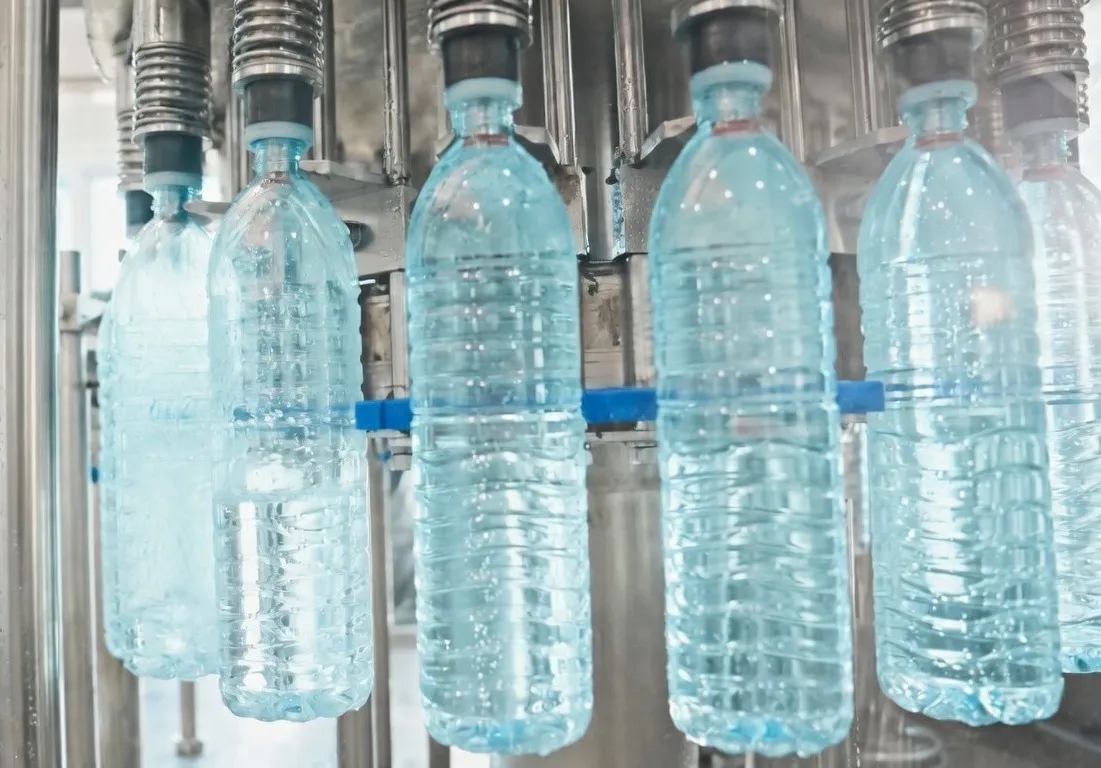
 Walk into any modern beverage facility in the UK — whether it’s a craft lager brewery in Leeds, a still water bottling plant in Devon, or a carbonated soft drink factory in the West Midlands — and you’ll find one piece of infrastructure silently underpinning nearly every production step: the air compressor. It’s easy to overlook compressed air because it doesn’t appear on the finished label, but it shapes every aspect of what ends up inside and around the bottle. From the high-pressure stretch blow moulding that gives a PET bottle its shape, to the ultra-clean pneumatic actuation systems that control fill valves, to the conveying jets that move caps at blinding speed — compressed air is the invisible backbone of beverage manufacturing.
Yet not all compressed air is created equal. A system that performs brilliantly in a woodworking shop would be wholly inadequate — and potentially dangerous — on a food-grade bottling line. The beverage industry demands compressed air that is not only mechanically reliable but also chemically inert, microbiologically safe, precisely controlled, and energy-efficient enough to keep utility bills from eating into already thin margins. This guide explores, in granular detail, exactly what that looks like in practice, drawing on 18 years of hands-on application experience across UK and European beverage production environments.
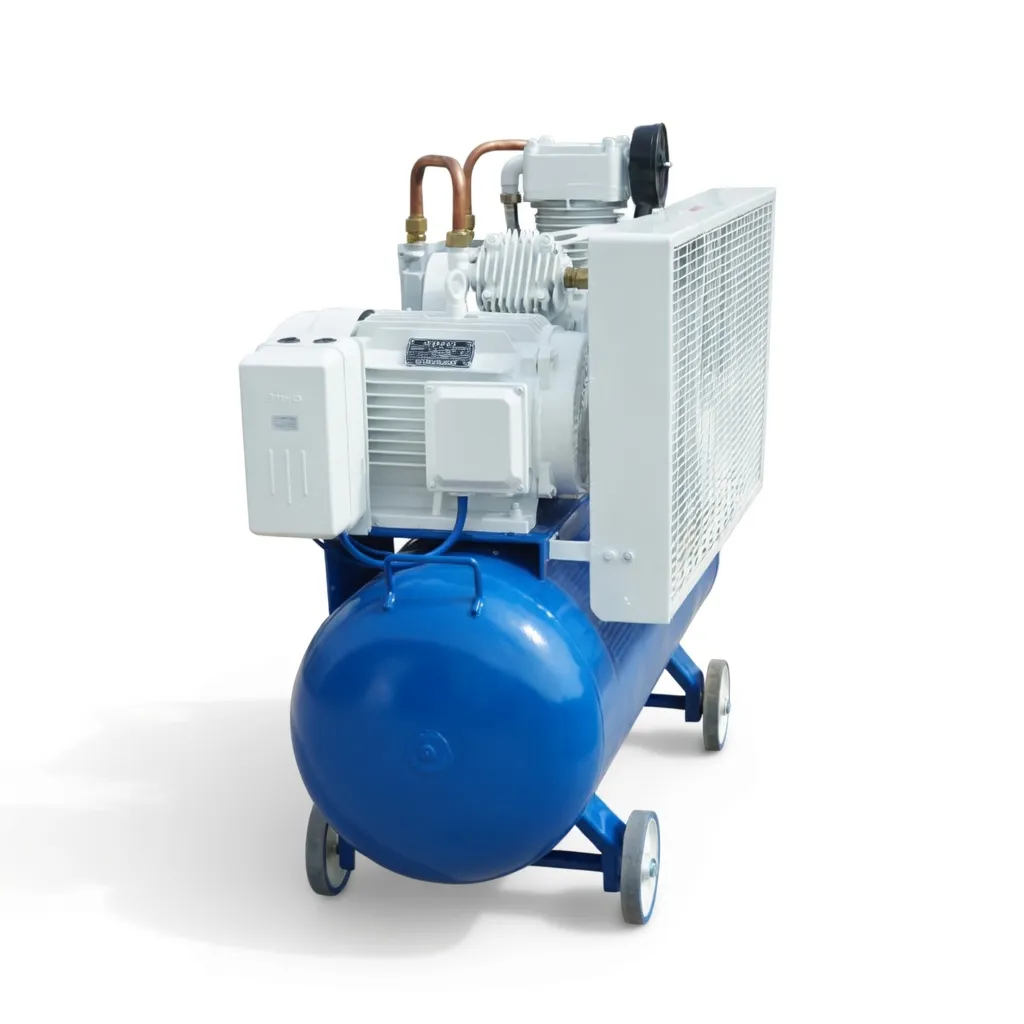
Ever Power high-pressure oil-free air compressor — engineered for PET bottle blowing and beverage filling lines across the UK
Why Compressed Air Is Central to Beverage Manufacturing
The hidden utility that drives every stage of production
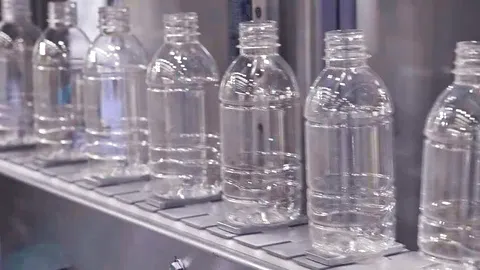 Compressed air touches the beverage production process at no fewer than eight distinct points. In the blow moulding station alone, high-pressure air — typically between 35 and 40 bar — is injected into a preform at precisely controlled intervals to stretch and shape the PET material against a mould. Get the pressure wrong by even 1–2 bar and you’ll see inconsistent wall thickness, weak bases, or complete moulding failures. The air compressor isn’t peripheral to this process; it is the process.
Beyond blowing, medium-pressure compressed air (6–10 bar) drives cap-sorting systems, label applicator pneumatics, conveyor switching, and automated inspection gates. Low-pressure instrument-quality air (4–6 bar) controls fill heads, proportional valves, and batch metering equipment. Each of these pressure tiers demands different performance characteristics, and a well-designed beverage facility will typically have a tiered compressed air architecture rather than a single one-size-fits-all system.
What makes the beverage sector uniquely demanding is the intersection of food safety requirements with continuous high-duty-cycle operation. A bottle blowing compressor might run 20 hours a day, 360 days a year. Its oil-free certification must remain valid under that load profile. Its downstream filtration must maintain ISO 8573-1 Class 1 air quality regardless of ambient temperature swings. For UK manufacturers targeting export markets or BRC/BRCGS certification, these are non-negotiable requirements — not optional upgrades.
Ever Power Beverage Series — Technical Performance Parameters
Key specifications for blow moulding and filling-line configurations
How the Blow Moulding Process Actually Works — and What Your Compressor Must Deliver
The physics behind PET bottle formation
Preform Conditioning
PET preforms are heated in an infrared oven to approximately 100–120°C. At this point, the material is at the ideal stretch temperature — not yet fluid, but malleable. Clean compressed air is already used here for cooling circuits in the oven’s transport system.
Pre-Blow (Low Pressure Phase)
The preform is clamped in the mould and a stretching rod begins to extend it axially. Simultaneously, pre-blow air at 8–12 bar begins inflating the material radially. This phase sets the initial bottle geometry and must be extremely consistent — any fluctuation creates bottle-to-bottle variation.
High-Pressure Blow (Formation)
The main blow phase delivers air at 35–40 bar to force the PET against every surface of the mould. This phase lasts only 0.2–0.5 seconds but demands peak flow. The compressor must sustain pressure precisely; any drop below setpoint produces thin sidewalls, base failures, or stress cracking at high fill speeds.
Exhaust & Recovery
After forming, the high-pressure air is vented and partially recovered via blow air recycling circuits. Advanced installations capture this exhaust energy to feed the pre-blow circuit, reducing overall specific energy consumption by up to 30%. Ever Power systems are designed to integrate with standard blow air recovery manifolds.
Understanding these four phases makes it immediately clear why oil-free compressor technology is the only acceptable solution for direct-contact blow moulding air. Any trace of oil vapour in the high-pressure blow air will contaminate the inner surface of the bottle — a surface that will directly contact your product. Even hydrocarbon concentrations in the parts-per-billion range can affect taste and compromise regulatory compliance. An oil-injected compressor with downstream filtration is a temporary workaround, not a food-grade solution. The only reliable answer is a certified oil-free compression system with ISO 8573-1 Class 1 validated outlet air quality.
Application Scenarios Across the Beverage Spectrum
From still water to carbonated energy drinks — one platform, multiple solutions
Still & Sparkling Water Bottling
Water bottling plants — particularly those in the UK’s thriving natural mineral water sector in Scotland and Wales — demand the highest air purity standards. The product has no flavour masking; any contamination is immediately detectable. Plants running 20,000 BPH (bottles per hour) or above require compressor arrays with seamless load sharing and automatic failover, which Ever Power’s integrated multi-machine controller delivers as standard.
Carbonated Soft Drinks & Energy Drinks
CSD lines combine blow moulding, carbonation, and high-speed filling — each stage consuming compressed air at different pressures. The complexity is higher than water lines, but so is the throughput target. UK energy drink contract manufacturers routinely operate 30,000–50,000 BPH lines. Ever Power’s three-stage reciprocating oil-free compressors are specifically rated for this duty cycle, with a TBF (time between failures) exceeding 25,000 operating hours under full load.
Craft Beer & Cider Production
The UK craft brewing sector has expanded to over 1,500 independent breweries. Most operate at smaller scales but still require dependable compressed air for CIP (Clean-In-Place) systems, keg washing, can seaming, and pneumatic valve control. Compact oil-free scroll and rotary compressors from the Ever Power range deliver the right combination of food-grade air quality, low noise (critical for converted warehouse environments), and low maintenance demands for this market segment.
Juice & Functional Drink Lines
Cold-pressed juices, smoothies, and functional beverages present unique challenges. Many are filled hot (80–90°C) or under aseptic conditions. The pneumatic actuation and bottle-blowing systems must handle thermal expansion effects on bottle geometry and must operate without contributing any microbial contamination risk. Ever Power’s downstream sterile filter housings, combined with our PTFE-lined air distribution manifolds, are specifically designed for aseptic and hot-fill beverage environments.
What Sets Ever Power Beverage Compressors Apart
Engineering advantages built for the demands of food-grade production
100% Oil-Free Compression
No lubricant enters the compression chamber at any stage. PTFE and carbon piston rings, water-cooled intercoolers, and Class 1 outlet verification included.
IE4 Variable Speed Drives
Permanent magnet synchronous motors with VSD deliver up to 35% energy savings versus fixed-speed alternatives. SFP (specific flow power) as low as 5.8 kW/(m³/min) at working pressure.
Smart Monitoring & IoT Integration
Built-in Modbus/TCP and optional OPC-UA for SCADA integration. Real-time dashboards track dew point, outlet temperature, pressure deviation, and predicted maintenance windows.
Extended Service Intervals
6,000-hour valve service intervals, 8,000-hour piston ring life (with food-grade PTFE rings). Designed for facilities where scheduled maintenance windows are 15 minutes or less during a shift change.
Heat Recovery Ready
Up to 76% of compression heat can be recovered for hot water generation — ideal for CIP systems, boiler feed pre-heating, or space heating. Typical payback on heat recovery investment: 14–22 months in UK beverage sites.
Fully Customisable Configuration
Ever Power’s engineering team designs bespoke compressed air packages — from a standalone 7.5 kW scroll unit for a craft brewery to a 500 kW multi-machine system for a major soft drink manufacturer. UK-specific electrical standards (BS 7671 / 17th Edition) are applied as standard on all export orders.
Oil-Free vs Oil-Injected: The Critical Choice for Beverage Applications
Why technology selection defines your compliance and quality risk profile
Note: For any application where compressed air directly contacts product or product packaging, oil-free technology is the recommended and in many cases contractually required solution. UK retailers including major supermarket chains now include oil-free compressor requirements in supplier technical standards.
顧客成功事例
Real results from real beverage manufacturers
Highfield Springs Ltd — Natural Mineral Water, Yorkshire, UK
PET Bottle Blow Moulding + Filling Line Upgrade · 2023
Highfield Springs, a family-owned natural mineral water bottler based near Harrogate, was operating two ageing oil-injected compressors on their bottle blowing line. After a BRC audit flagged concerns over air quality documentation and a filter change protocol gap, the technical team reached out to Ever Power for a comprehensive system review. Their existing 37-bar blow moulding compressors were consuming 22% more power than their rated specification and had accumulated over 45,000 hours without a stage rebuild — far beyond the manufacturer’s recommended major service interval.
Ever Power supplied a twin-machine oil-free reciprocating system with an integrated air/water heat exchanger package. The installation included a blow air recycling manifold that captures exhaust air from the mould and re-routes it into the pre-blow circuit. Commissioning was completed over a single weekend shutdown, with production resuming at full capacity on Monday morning. The technical handover documentation, including ISO 8573-1 test certificates and full O&M manuals with UK electrical drawings, was delivered to the Highfield Springs QA team before commissioning.
We switched from a competitor’s oil-injected system with downstream coalescers to Ever Power’s oil-free package three years ago. The difference in peace of mind during audits is enormous. We know the air is clean because the technology guarantees it — not because we hope the filters were changed on time.
Ever Power came to site before quoting, spent half a day with our engineering team, and delivered a system design that matched our actual demand profile — not a generic catalogue size. The VSD compressor they recommended cut our electricity bill on the filling line by around £14,000 in the first year. That’s money I can use for product development, not running costs.
We’re a small-batch craft gin and tonic producer in Edinburgh and we needed a compact oil-free compressor that could handle our canning line and our botanical infusion chambers. Ever Power sized us a 15 kW oil-free screw that fits neatly in our plant room and has run faultlessly for two years. The after-sales support from their UK technical desk is genuinely impressive — real engineers, not just a call centre.
Ever Power Manufacturing & Custom Engineering Capability
Bespoke compressed air solutions designed and built around your process
Ever Power operates a 42,000 m² dedicated コンプレッサー manufacturing facility equipped with CNC machining centres, precision cylinder honing machines, and a fully accredited air quality test laboratory. Every oil-free compressor destined for the food and beverage sector undergoes a minimum 48-hour factory acceptance test (FAT) before shipment, with third-party witnessed ISO 8573-1 air purity certification available as standard on all Class 1 rated units.
What genuinely sets Ever Power apart in the UK beverage market is our depth of customisation capability. Our applications engineering team — working from a dedicated beverage sector desk — can develop bespoke compressed air packages that integrate blow moulding high-pressure systems, mid-pressure utility air rings, nitrogen generation, and heat recovery into a single, intelligently sequenced package. We design to your line speed, your shift pattern, your utility infrastructure, and your product contact air quality requirements. Standard IP54 and IP65 enclosure ratings are available; ATEX-rated equipment can be supplied for flavour manufacturing areas classified Zone 2. Custom colour finishing, branded panel graphics, and documentation in local language formats are all available to support your internal approval processes. For large UK beverage manufacturers considering multi-site rollout programmes, volume pricing agreements with fixed service tariffs are available on request.
Energy Efficiency and UK Regulatory Compliance — What Beverage Manufacturers Need to Know
Compressed air as a compliance asset, not just a utility cost
 Compressed air systems typically account for 25–40% of a beverage plant’s total electricity consumption. For a mid-size UK carbonated drinks manufacturer running three shifts, that can translate to electricity costs north of £300,000 per year. The variable speed drive (VSD) compressor technology in the Ever Power beverage range directly addresses this. By modulating motor speed to match actual air demand in real time, VSD compressors eliminate the energy waste of load/unload cycling that plagues fixed-speed machines — waste that compounds over long operating hours into thousands of pounds annually.
From a regulatory standpoint, the UK Food Standards Agency (FSA) and British Retail Consortium’s Global Standard for Food Safety both specify requirements around compressed air that contacts food or food-contact packaging. The compressed air quality standard ISO 8573-1:2010 is referenced as the benchmark in most UK retail supplier technical standards. Achieving and maintaining Class 1 air quality isn’t just about product integrity — it’s a commercial prerequisite for supplying major UK supermarket chains, foodservice wholesalers, and export markets.
Ever Power systems ship with a compressed air quality validation pack as standard, including factory-issued test reports for particulate content, humidity/dew point, and residual oil content. This documentation pack is designed to be submitted directly into your HACCP and food safety management system — reducing the administrative burden on your QA team and providing auditors with immediately verifiable evidence. We also offer 12-monthly site verification testing services through our UK service partner network, covering facilities from Cornwall to Aberdeen and all major industrial areas in between.
よくある質問
Common questions from UK beverage manufacturers and procurement teams
What is the best type of air compressor for a PET bottle blowing machine in a UK soft drink factory?
How much does a food-grade oil-free air compressor for a beverage filling line cost in the UK, and what factors affect the price?
Which compressed air quality class is required by UK beverage industry standards for air that contacts the product or bottle interior?
Where can I find a reliable oil-free air compressor supplier for a water bottling plant in Scotland or Northern England?
How do I calculate the right compressor size for my beverage bottle blowing line running at 20,000 bottles per hour?
When should a craft brewery or cider producer in the UK consider upgrading to an oil-free compressor, and what are the signs the current system is inadequate?
Ready to Upgrade Your Beverage Compressed Air System?
Get a free, no-obligation site assessment and equipment proposal from Ever Power’s UK beverage sector specialists. Typical response within 24 hours.
Ever Power · Beverage & Food Industry Compressed Air Solutions · United Kingdom
sales@レーザーカッター用エアーコンプレッサー.com