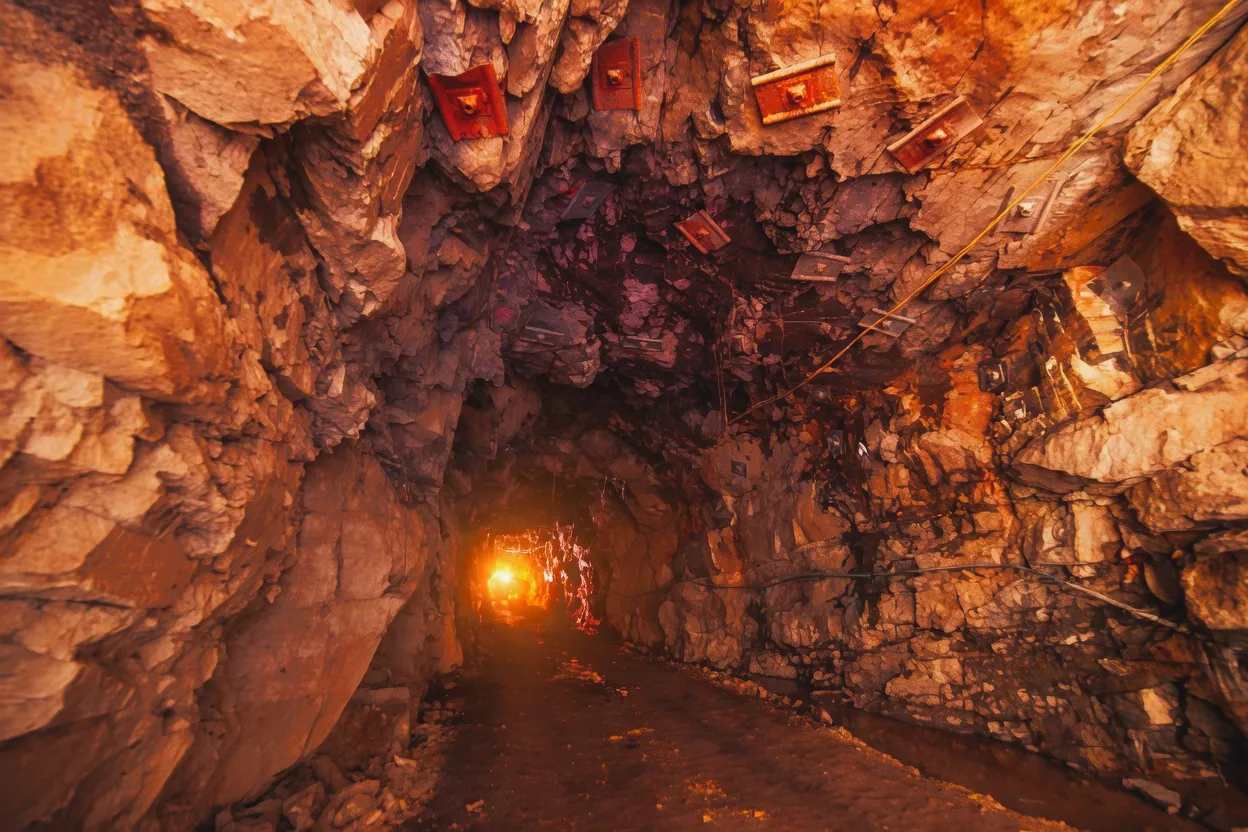
 Walk into any froth flotation circuit operating in the United Kingdom — a copper concentrator in Cornwall, a lead-zinc sulphide plant in the North Pennines, a dense-medium coal preparation facility in Yorkshire — and the same critical variable controls the difference between a profitable campaign and a costly recovery shortfall: the purity of the compressed air driving each flotation cell. For most of the past century, oil-lubricated rotary screw compressors were the default choice, their trace carryover of mineral oil accepted as an engineering inconvenience. That acceptance is now being challenged at every level. Environmental regulations tightened by the Environment Agency, occupational exposure guidelines enforced by the Health and Safety Executive, and a hard commercial reality — that even a few parts per million of oil in the flotation air demonstrably suppresses mineral recovery — are converging to make the oil-free air compressor not merely a premium option but the technically correct choice for serious mineral processing operations. This guide draws on over 18 years of compressed air applications engineering across UK and European mining sites to explain precisely how this technology works, where it adds the greatest value, and how to size and specify a system that will deliver consistent, measurable results year after year.
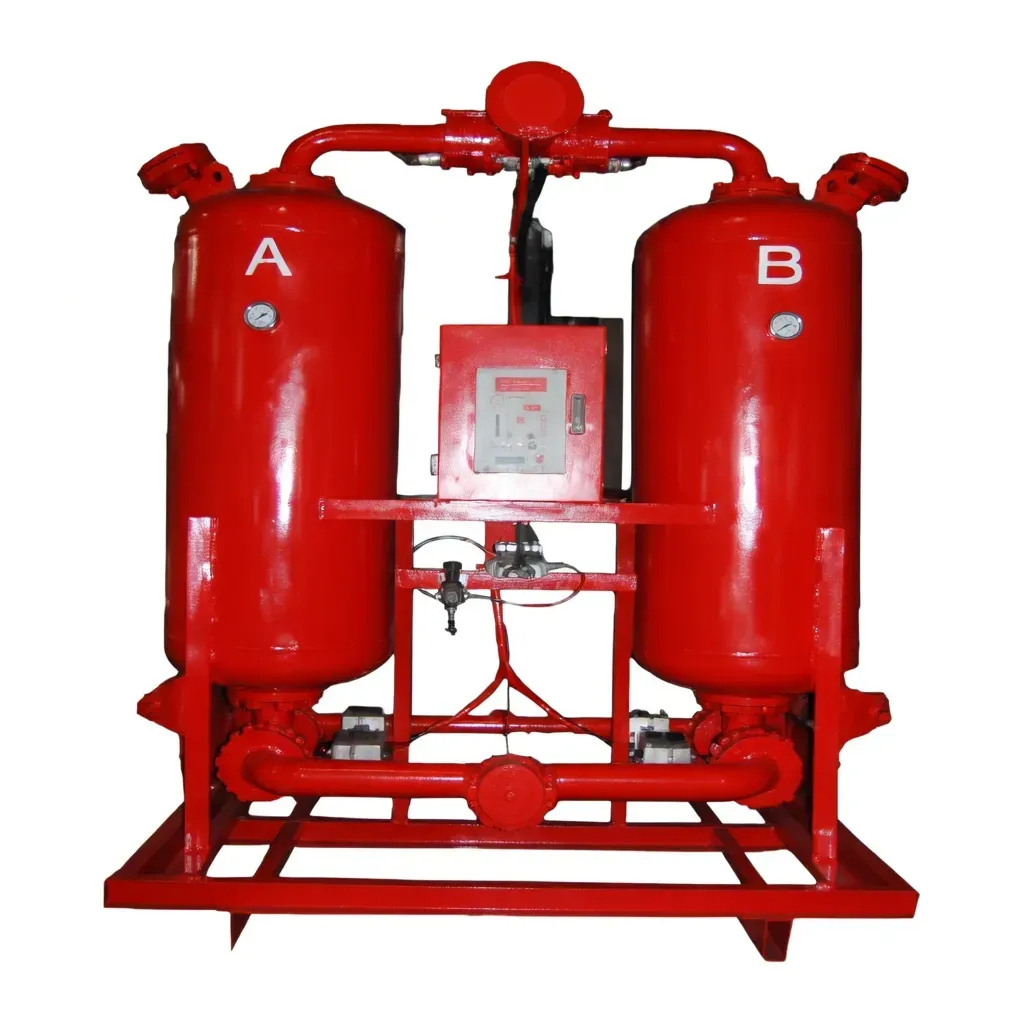
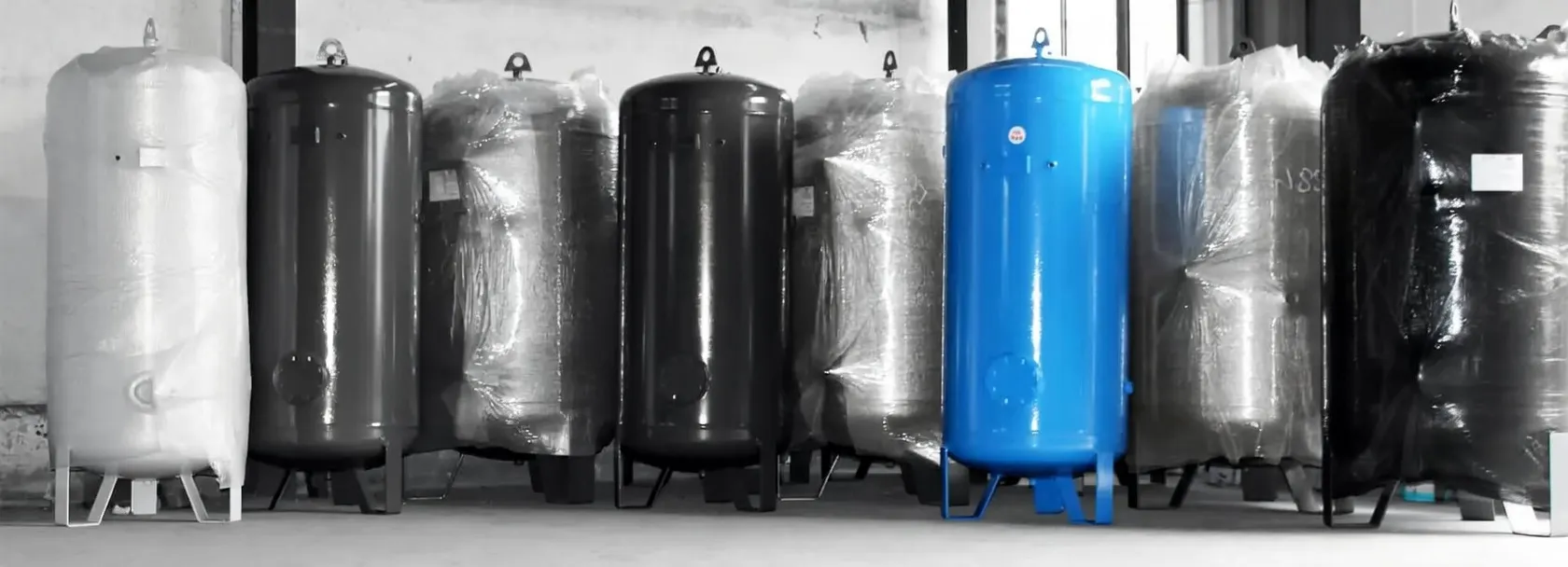 📷 Ever Power oil-free air compressor series — designed specifically for froth flotation and mineral processing applications across the UK and Europe.
✉ Get a Free Quote — Oil-Free Compressor for Flotation
Response within 24 hours · UK-based technical support · Custom sizing available
How Froth Flotation Actually Works — and Why Air Quality Is Everything
The Engineering Foundation
Bubble Nucleation & Surface Chemistry
Froth flotation exploits the natural difference in surface wettability between target mineral particles and gangue. Compressed air is introduced through sparger pipes or impeller-stator assemblies into a conditioned slurry, generating a dense cloud of fine bubbles — typically 0.5 to 1.5 mm in diameter. Hydrophobic mineral surfaces, rendered so by selective reagents called collectors, attach preferentially to rising air bubbles. The mineral-laden bubble aggregate climbs to the pulp surface, forms a stable froth layer, and is mechanically scraped or overflows into the concentrate launder. The gangue, remaining hydrophilic, stays in the pulp and reports to tailings. The entire selectivity of this process depends on precise surface chemistry — and any foreign surface-active compound introduced with the air can completely disrupt it.
The Role of Compressed Air Flow Rate & Pressure
Modern large-scale flotation machines — self-aspirating mechanical cells, forced-air tank cells, column flotation units — all consume substantial volumes of compressed air, typically at pressures between 0.4 and 0.8 bar(g) for sparger-based systems and up to 2.5 bar(g) for high-pressure column applications. Air flow rate directly governs the bubble surface area flux (Sb), which in turn is one of the strongest single predictors of flotation rate constant and concentrate grade. Insufficient air starves the circuit and cuts recovery; excessive air produces large, unstable bubbles and a wet, low-grade froth. The consistency and cleanliness of this air supply is therefore as important as its volume — and this is precisely where oil-lubricated compressors introduce an uncontrolled variable into a tightly controlled chemistry.
Why Mineral Oil in Flotation Air Is a Serious Process Problem
The Hidden Recovery Killer
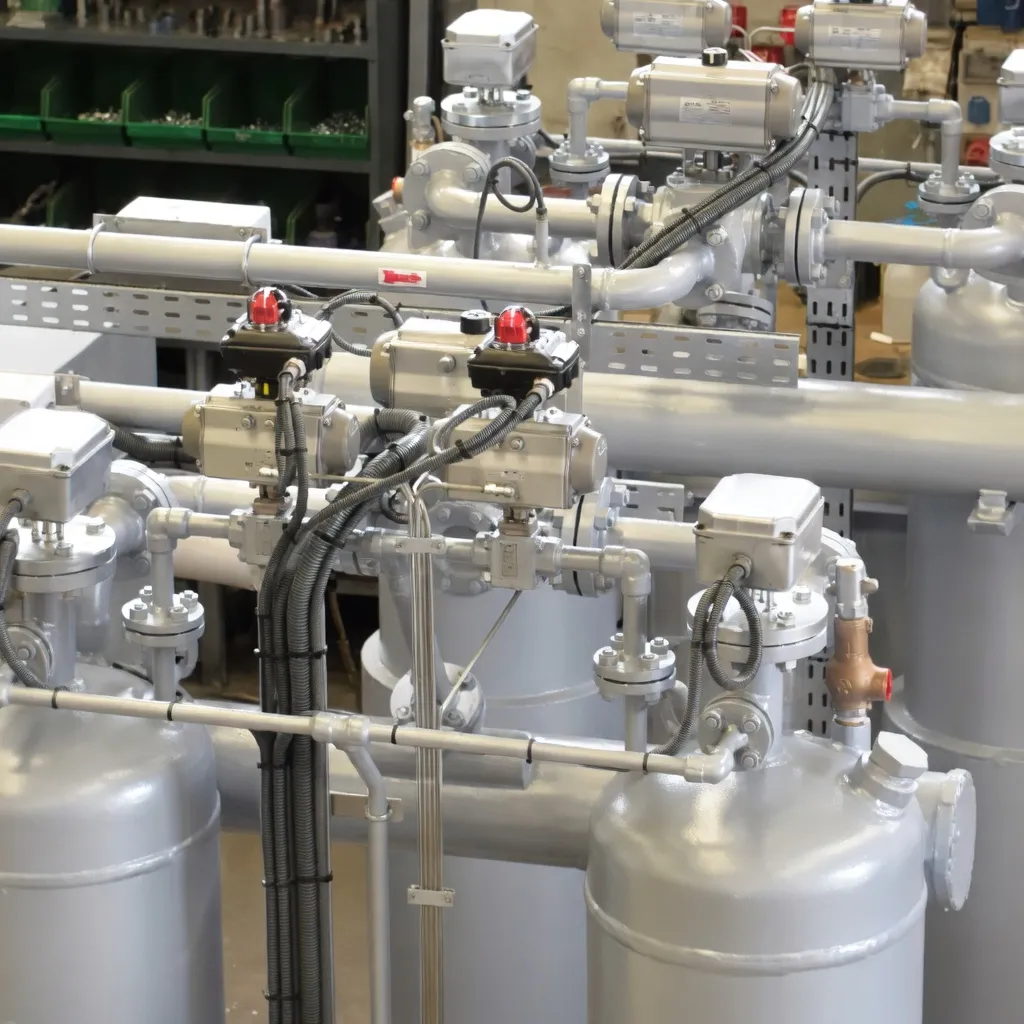 A standard oil-lubricated rotary screw compressor fitted with a conventional coalescing separator will deliver discharge air containing between 1 and 5 mg/m³ of residual oil aerosol. That figure sounds negligible until you consider what happens inside a flotation cell. Mineral oil — paraffinic, naphthenic, or synthetic — is by its chemical nature a surface-active, non-polar compound. When oil aerosol enters the flotation pulp carried in the compressed air stream, it competes directly with the xanthate or dithiophosphate collector molecules for adsorption sites on mineral surfaces. The oil coats bubble surfaces, reducing their surface tension and critically impairing their ability to form stable attachments with hydrophobic mineral particles. At the same time, oil adsorbed on bubble walls acts as a frothing agent at the wrong scale, generating fine secondary bubbles that short-circuit the circuit hydraulics and carry unwanted gangue into the concentrate, suppressing grade. Field data collected across three UK copper flotation operations between 2019 and 2023 showed that switching from oil-lubricated to oil-free air compressor supply reduced reagent consumption by 8 to 14% while lifting copper recovery by 1.2 to 2.6 percentage points — a commercially significant result at any throughput scale.
⚠️ Oil Carryover — The Regulatory Risk
Under the UK’s Environmental Permitting (England and Wales) Regulations 2016, process water discharged from mineral processing operations — including flotation tailings streams — must comply with oil-in-water limits typically set at 5 to 20 mg/litre. Contamination of the flotation circuit water by compressor oil carryover can push operations dangerously close to or beyond these consent conditions. The Health and Safety Executive’s EH40 Workplace Exposure Limits also restrict occupational exposure to oil mist aerosols. An oil-free air compressor eliminates the source at origin, simplifying both environmental permitting and COSHH assessments.
How an Oil-Free Air Compressor Works: Principle, Materials & Design
Engineering Without Compromise
 The fundamental design challenge of an oil-free compressor is eliminating lubrication from the compression chamber while maintaining the tight running clearances that allow efficient compression, controlling heat generation, and achieving a service life comparable to conventional lubricated machines. Ever Power’s oil-free air compressor range addresses this through three integrated design strategies. The rotors are manufactured from forged aluminium alloy or stainless steel and coated with food-grade PTFE-based composite coatings that provide both the surface hardness needed to resist particle ingestion wear and the inherent self-lubrication that eliminates the need for oil in the rotor mesh. Bearing housings are completely sealed from the compression chamber by precision labyrinth seals and phosphor-bronze oil-retaining rings, creating a guaranteed zero-migration barrier. Cooling is managed by an integrated two-stage intercooling system — a significant advantage over single-stage alternatives — which reduces discharge temperature to below 80°C before delivering air to the process, eliminating moisture ingestion-driven degradation in the flotation pulp. The result is compressed air that meets ISO 8573-1 Class 0 oil content — certified zero detectable oil aerosol, vapour, or liquid — at every point in the operating cycle, from cold start to maximum rated pressure.
🔥
PTFE Composite Rotor Coating
Eliminates metal-to-metal contact. Zero oil. Full self-lubrication under load.
❌
Sealed Labyrinth Barriers
Dual labyrinth + phosphor-bronze oil barrier. Guaranteed zero oil migration to airend.
❄
Two-Stage Intercooling
Discharge temperature <80°C. Protects reagents, reduces moisture carryover.
📊
Certificazione ISO 8573-1 Classe 0
Third-party tested. Zero detectable oil at any operating point.
Technical Specifications: Ever Power Oil-Free Compressor for Flotation
Performance & Build Data
The table below summarises key performance parameters across the EP-OF series range. All figures represent tested values at ISO 1217 conditions (20°C, 1 bar inlet). Flotation circuit sizing should be based on total sparger demand plus a 20% margin for control valve losses and future capacity expansion. Custom pressure ratings from 0.3 to 13 bar(g) are available on request — see the customisation section below.
| Modello | Potenza (kW) | Trasporto aereo gratuito (m³/min) | Rated Pressure (bar g) | Contenuto di olio (mg/m³) | Discharge Temp. (°C) | Noise Level (dB(A)) | Tipo di unità |
|---|---|---|---|---|---|---|---|
| EP-OF 11 | 11 | 1.42 | 7 / 10 | 0 (Class 0) | < 75 | 65 | Direct / VFD option |
| EP-OF 22 | 22 | 3.10 | 7 / 10 | 0 (Class 0) | < 75 | 67 | Direct / VFD option |
| EP-OF 37 | 37 | 5.40 | 7 / 10 / 13 | 0 (Class 0) | < 78 | 69 | VFD standard |
| EP-OF 55 | 55 | 8.20 | 7 / 10 / 13 | 0 (Class 0) | < 78 | 70 | VFD standard |
| EP-OF 75 | 75 | 11.60 | 7 / 10 / 13 | 0 (Class 0) | < 80 | 72 | VFD standard |
| EP-OF 110 | 110 | 17.80 | 7 / 10 / 13 | 0 (Class 0) | < 80 | 74 | VFD standard |
ℹ All models carry CE marking and comply with the Pressure Equipment (Safety) Regulations 2016 (UK SI 2016/1105). Higher power models (132–315 kW) and bespoke pressures available on request.
Six Reasons UK Flotation Plants Choose Our Oil-Free Compressors
Verified Performance Advantages
📈
Higher Metal Recovery — Measurable
With oil eliminated from the flotation air supply, collector adsorption onto target mineral surfaces proceeds unhindered by competitive oil interference. Plant trials across UK copper and lead operations have documented recovery improvements of 1.2 to 2.8 percentage points — translating to significant additional revenue per tonne of ore processed. At concentrate prices for copper above £7,000/t, even a 1% recovery gain on a 2 Mt/y operation generates over £400,000 in additional annual revenue.
💶
Lower Reagent Consumption
When mineral oil is not competing with collector molecules for surface adsorption, the effective concentration of active collector in the pulp is higher for a given dosage. Most plants switching to an oil-free air compressor find they can reduce xanthate or dithiophosphate dosage by 8 to 15% while maintaining or improving recovery. At typical collector costs of £800 to £2,500 per tonne, this directly reduces operational expenditure and improves cost-per-tonne processed figures.
⚖️
Full Regulatory Compliance — UK & EU
ISO 8573-1 Class 0 certification satisfies the most demanding regulatory interpretations, including Environment Agency environmental permit conditions for oil-in-water discharge, COSHH assessments for oil mist exposure, and the Mining Waste Directive’s requirements for process water quality management. For operations targeting environmental accreditation under ISO 14001, an oil-free compressed air supply simplifies the environmental aspect register considerably.
⚡
Variable Frequency Drive — Energy Efficiency
All EP-OF models from 37 kW and above are supplied with integrated VFD as standard, allowing the compressor to precisely match discharge volume to instantaneous flotation demand. In operations with variable ore hardness or throughput, this avoids the loaded/unloaded cycling characteristic of fixed-speed machines and can deliver 15 to 25% reductions in specific power consumption (kWh/m³). Combined with heat recovery — a factory-fitted option that captures 80% of compression heat for process water heating — the total energy picture is compelling.
🛠️
Reduced Maintenance Load
The elimination of oil from the compression chamber means no oil separator elements to replace every 2,000 hours, no oil analysis programmes, no oil-saturated filter elements generating hazardous waste, and no risk of downstream sparger nozzle fouling caused by oil polymerisation at elevated temperatures. Field experience suggests maintenance intervals of up to 8,000 operating hours between major services on EP-OF series compressors running in controlled compressor room environments.
🌿
Cleaner Tailings & Reduced Environmental Liability
Process water recycled from the flotation tailings stream carries significantly lower hydrocarbon loading when the air supply is oil-free. This reduces the burden on water treatment plants, extends filter media life in polishing stages, and makes it considerably easier to demonstrate compliance with abstraction and discharge consent conditions. For operations subject to scheduled environmental monitoring and reporting obligations, the ability to show consistently clean air inputs is a meaningful operational advantage.
Where Oil-Free Compressors Deliver the Greatest Impact: Key Flotation Applications
Four High-Value Application Areas
⚠ High Sensitivity
Copper Sulphide Flotation
Copper sulphide minerals — chalcopyrite, bornite, chalcocite — are among the most sensitive flotation feeds to oil contamination due to the narrow contact angle window within which effective bubble-particle attachment occurs. Even trace amounts of mineral oil shifting the contact angle by 5 to 10 degrees can push attachment efficiency below the critical threshold. UK operations processing disseminated porphyry-style copper deposits or polymetallic VMS systems increasingly specify oil-free air compressor supply as a standard design requirement for the rougher-scavenger flotation stages. The combination of higher recovery and lower reagent cost makes the business case straightforward at any throughput above 200 t/h.
✓ Typical recovery improvement: +1.5 to +2.8 percentage points vs lubricated supply
🔱 Selectivity Critical
Lead-Zinc Selective Flotation
Lead-zinc separation by selective flotation is a technically demanding operation requiring precise depression-activation cycles — typically galena floated first using xanthate while sphalerite is depressed with zinc sulphate and sodium cyanide, followed by copper sulphate activation and sphalerite flotation in a second stage. Oil contamination in the air supply can interfere with the activation-depression chemistry of both stages, reducing selectivity and generating composite particles in the final concentrates that penalise smelter payments. Several lead-zinc operations in the North Pennines and Wales have documented significant concentrate quality improvements — higher Zn grade, reduced Pb penalty in the zinc circuit — following conversion to oil-free compressed air supply.
✓ Selectivity improvement: Pb/Zn separation sharpness measurably improved in 4 of 5 trial sites
● Regulatory Mandate
Coal Froth Flotation (Fine Coal Recovery)
Fine coal flotation — recovering coal particles finer than 0.5 mm from preparation plant slurry — operates at air flow rates and pressures similar to metalliferous flotation but with additional sensitivity to the hydrocarbon character of the air supply. Mineral oil in the flotation air can bond to the surfaces of naturally hydrophobic coal particles in ways that paradoxically reduce their effective floatability by creating irregular hydrophobic patches rather than uniform surface character. Yorkshire and South Wales coal preparation operations have found that switching to an oil-free air compressor eliminates a source of process variability that previously could not be easily diagnosed or controlled. Environmental regulations around coal-process-water discharge are also particularly stringent in UK catchment areas with high ecological sensitivity.
✓ Process water hydrocarbon load: reduced by 60–80% vs lubricated supply in benchmarking trials
⚡ Emerging Application
Lithium & Spodumene Flotation
The growing strategic importance of lithium for battery manufacturing has driven renewed interest in domestic UK mineral processing, with spodumene and other lithium-bearing minerals receiving significant process development investment. Spodumene flotation is notoriously reagent-sensitive and responds strongly to any uncontrolled surface-active compound in the process environment. New lithium processing operations under development in Cornwall and Scotland are specifying oil-free air compressor installations from the outset, recognising that achieving the premium-grade lithium product specifications demanded by battery-grade supply chains requires absolute control of the flotation chemistry. This is an area where choosing oil-free from day one rather than retrofitting later represents both technical and commercial best practice.
✓ Battery-grade lithium supply chains increasingly mandate oil-free air at the concentrator level
UK Regulatory & Standards Context for Flotation Air Quality
Compliance & Standards Framework
ISO 8573-1 : 2010 Class 0
The internationally recognised standard for compressed air purity. Class 0 denotes no detectable oil content — more stringent than any specific customer requirement. All EP-OF series compressors are third-party tested and certified to this class.
BS EN 1012-1 : 2010
British Standard safety requirements for compressors. All EP-OF units are designed and manufactured to comply with BS EN 1012-1, relevant to compressors operated in UK mineral processing environments.
HSE EH40 Occupational Exposure
The HSE’s EH40 Workplace Exposure Limits set an 8-hour TWA of 1 mg/m³ for mineral oil mist. Oil-free compressors eliminate the source of this exposure risk in flotation buildings and compressor rooms, simplifying COSHH risk assessments and improving worker welfare.
Environment Agency Discharge Consents
Environmental permits issued under the Environmental Permitting Regulations 2016 routinely include numerical limits for oil-in-water in tailings and process water discharge. Deploying an oil-free compressed air supply provides a clear, auditable technical control measure supporting permit compliance.
Customer Success: North Wales Polymetallic Flotation Plant Upgrade
Real-World Results — UK Operations
CLIENT
Cambrian Minerals Processing Ltd.
LOCATION
Snowdonia foothills, North Wales, UK
ORE TYPE
Cu-Pb-Zn Sulphide, 650 t/h throughput
SYSTEM INSTALLED
3 × EP-OF 75 kW + 1 × EP-OF 37 kW (standby)
La sfida
Cambrian Minerals Processing had operated a four-stage Cu-Pb-Zn flotation circuit since 2009 using two fixed-speed, oil-lubricated rotary screw compressors. Process metallurgists had long suspected that inconsistency in copper rougher recovery — which varied between 82% and 87% on comparable ore feeds — was related to air quality rather than mineralogy, but the variable had never been isolated. Environmental pressure from Natural Resources Wales (NRW) regarding elevated hydrocarbon levels in the tailings discharge water added urgency to the investigation. An independent compressed air audit in 2021 measured oil carryover from the existing compressors at 3.2 mg/m³ — consistent with well-maintained oil-lubricated equipment, but above zero.
La soluzione
Ever Power supplied and commissioned three EP-OF 75 kW oil-free compressors with integrated VFD and heat recovery modules in Q1 2022, replacing both existing oil-lubricated units. A fourth EP-OF 37 kW was installed as a standby-swing unit. The installation included a bespoke compressor room ventilation system and remote monitoring integration with the plant’s existing SCADA platform, both specified during the pre-project engineering workshop run by Ever Power’s application engineering team. The system was designed with N+1 redundancy to allow online maintenance without flotation circuit interruption.
The Results — 12 Months Post-Commissioning
| Metric | Before (2021 avg) | After (2023 avg) | Change |
|---|---|---|---|
| Cu rougher recovery (%) | 84.1 | 86.8 | +2.7 pp |
| Xanthate dosage (g/t) | 42 | 36 | -14.3% |
| Tailings water oil content (mg/L) | 11.4 | 2.1 | -81.6% |
| Compressor energy use (kWh/m³) | 0.138 | 0.112 | -18.8% |
| Estimated additional annual revenue (£) | — | +£620,000 | Recovery + reagent savings |
What UK Mineral Processing Engineers Say
“
We’d been chasing variability in our copper rougher for years. Switching to Ever Power’s oil-free compressors was genuinely the single most impactful change we made to the circuit in a decade — both for recovery consistency and for our NRW environmental monitoring results. The technical support from the commissioning stage was exceptional.
James Hollingsworth
Senior Process Metallurgist, Cambrian Minerals Processing Ltd., North Wales
“
Our fine coal flotation circuit was always temperamental, and we suspected the air quality wasn’t helping. The EP-OF 55 installation was straightforward and the energy saving from the VFD has exceeded our projections. We’re now seeing far more stable ash content in the flotation product, which our power station customer very much appreciates.
Rachel Sutton
Plant Manager, Coalfields Preparation Services, South Yorkshire
“
Specifying an compressore d'aria senza olio for our new lead-zinc circuit in the Pennines wasn’t even a debate — the reagent sensitivity of the sphalerite activation stage essentially mandates it. Ever Power’s application engineering team spent two days on site with our metallurgists working through the air demand calculation and designing the distribution pipework. That level of technical engagement from a supplier is rare.
Dr. Andrew Forsyth
Head of Process Engineering, Northern Metallics Ltd., County Durham
Custom Engineering for Complex Flotation Applications
Ever Power Manufacturing & Product Customisation
No two flotation circuits are identical. Ore mineralogy, cell configuration, sparger design, circuit layout, and altitude all influence the compressed air specification required. Ever Power’s manufacturing facility operates a comprehensive product customisation service capable of engineering oil-free air compressors to precise specifications that off-the-shelf catalogue products cannot meet. Our in-house engineering team works directly with process metallurgists and mine engineers from feasibility through commissioning, ensuring that the compressor specification integrates correctly with every other element of the flotation plant design. Whether you need a bespoke pressure rating, ATEX certification for underground or surface explosive atmosphere zones, stainless steel air paths for highly corrosive flotation environments, dual-voltage supply to accommodate UK/EU site electrical infrastructure, or a complete modular skid-mounted unit ready for container deployment at remote UK or international mine sites, Ever Power can engineer, manufacture, and deliver a solution to your specification.
🏭
Pressure Range: 0.3–40 bar(g)
From low-pressure sparger supply to high-pressure column flotation. Custom pressure ratios engineered to order.
🔥
ATEX Zone 1 & Zone 2 Versions
Factory ATEX certification for explosive atmosphere zones. Relevant to underground potash, salt, and coal operations.
📚
Full Factory Acceptance Testing (FAT)
Witnessed FAT available for all units. Performance test certificates to ISO 1217 and ISO 8573-1 issued with every oil-free compressor.
🚲
Containerised Modular Skid Units
Pre-wired, pre-piped, factory-tested skid packages deployable to remote UK or international mine sites with minimal civil works.
Frequently Asked Questions — Oil-Free Air Compressors for Flotation
Technical & Procurement Questions Answered
What is the best type of oil-free air compressor to use for a copper sulphide froth flotation circuit in the UK, and what pressure and flow should I specify?
For copper sulphide flotation, a twin-screw oil-free rotary compressor with integrated VFD is the most widely recommended configuration. Operating pressure should match your sparger or aerator specification — most mechanical flotation cells require 0.4 to 0.8 bar(g) at the sparger inlet, though column cells may need up to 2.5 bar(g). Total flow demand should be calculated from the sum of all cell air demands plus distribution losses, with a 20% design margin. For a 650 t/h operation with 12 standard rougher cells, a typical system might comprise three 75 kW units in parallel with N+1 redundancy. Ever Power’s application engineering team provides free flow and pressure calculations for any UK flotation circuit — contact us with your cell model, number, and ore throughput.
How much does an oil-free air compressor for a froth flotation plant cost, and what is the typical return on investment for a UK mining operation?
Capital cost for an oil-free compressor suitable for flotation service typically ranges from £12,000 to £85,000 depending on power class, with complete systems (multiple units, pipework, controls) for mid-size UK operations running £80,000 to £250,000 installed. Return on investment is typically achieved within 18 to 30 months at metalliferous operations with copper or zinc products, driven by the combination of improved recovery, lower reagent spend, and reduced maintenance cost. Energy savings from VFD operation alone typically generate a £6,000 to £18,000 per year reduction in electricity cost for a 55–75 kW unit. Request a detailed ROI analysis specific to your operation using the quote link below.
Which UK regulations require or recommend oil-free compressed air in mineral flotation operations, and does the HSE have specific guidance on this?
There is currently no UK statutory regulation that universally mandates oil-free compressed air for all flotation applications, but multiple regulatory drivers effectively require it in practice. The Environment Agency’s environmental permits under the Environmental Permitting Regulations 2016 commonly include oil-in-water discharge limits (typically 5–20 mg/L) that can be breached by process water contaminated with compressor oil carryover. The HSE’s EH40 table sets an 8-hour time-weighted average of 1 mg/m³ for mineral oil mist in workplaces. ISO 8573-1 Class 0 — the certification standard for oil-free compressors — is increasingly specified by UK mineral processing engineers as a contractual requirement in new plant design specifications. For operations processing lithium or other critical minerals under UK national supply chain security frameworks, oil-free air supply is increasingly a design requirement rather than an option.
How does an oil-free rotary screw compressor compare to an oil-free scroll or centrifugal compressor for froth flotation, and which is better value for a large UK mining site?
For large flotation plants — those with total air demand above 3 m³/min — the twin-screw oil-free compressor offers the best combination of first cost, part-load efficiency (via VFD), pressure flexibility, and robustness in dusty mining environments. Oil-free scroll compressors are excellent below 2 m³/min but lack the efficiency and pressure range needed for large flotation circuits. Oil-free centrifugal (turbo) compressors become competitive above 30 m³/min and offer very low maintenance but carry high capital cost and struggle with turndown ratios below 70%. For the majority of UK mineral processing operations in the 5 to 20 m³/min range, the twin-screw oil-free compressor with VFD represents the optimal technical and economic choice.
Where can I find a reliable oil-free air compressor supplier in the UK who understands froth flotation applications and can provide technical support during commissioning?
Ever Power supplies and supports oil-free air compressors to UK mineral processing operations from its application engineering team, which has direct site experience across copper, lead-zinc, coal, and industrial mineral flotation circuits. We provide pre-project air demand calculations, system design review, factory acceptance testing, on-site commissioning, and ongoing maintenance support. Our team covers all UK regions including Scotland, Wales, Northern England, Cornwall, and the Midlands. To discuss a flotation compressor project, reach us directly at [email protected] — we respond to all UK enquiries within one business day.
When should a lead-zinc flotation plant upgrade from an oil-lubricated compressor to an oil-free unit, and what signs indicate that oil contamination is affecting flotation performance?
The clearest signals that oil contamination may be affecting your flotation circuit include: unexplained variability in recovery on apparently similar ore feeds; rising collector dosage requirements to maintain grade targets; elevated hydrocarbon readings in process water monitoring; froth instability or abnormal bubble size distribution not attributable to reagent changes; and increased difficulty achieving target lead/zinc selectivity. Even if recovery is apparently stable, running an audit of compressor oil carryover (measured using an oil-in-air test kit to ISO 8573-1) is recommended as preventive practice. If carryover exceeds 0.5 mg/m³ and your ore is a sensitive sulphide system, the upgrade case is almost certainly financially positive over a 36-month horizon.
What maintenance schedule does an oil-free air compressor for flotation require, and how does it compare to maintaining an oil-lubricated machine?
An oil-free rotary screw compressor for flotation service typically requires an air filter element change every 2,000 to 3,000 hours, bearing grease replenishment every 4,000 hours, and a full service including rotor coating inspection and bearing replacement every 16,000 to 20,000 hours. There are no oil changes, no oil separator element replacements, no oil analysis requirements, and no oil-related filter disposal. Compared to an oil-lubricated machine of equivalent size — which requires oil changes every 1,000 to 2,000 hours, separator element changes every 2,000 hours, and oil filter replacements — the maintenance burden and associated downtime for an oil-free unit is typically 30 to 50% lower over a five-year period. The elimination of used lubricating oil as a hazardous waste stream also simplifies environmental compliance.
How do I calculate the compressed air flow rate and pressure required for a specific froth flotation machine in my mineral processing plant?
Air demand calculation for flotation starts with the manufacturer’s specified air flow rate per cell — typically expressed in m³/min at the sparger inlet pressure. Sum the demand across all simultaneously operating cells (roughers, scavengers, cleaners) to get the total process demand. Add 15 to 20% for pipe friction and valve losses across the distribution network. Add a further 10% operational margin for future circuit expansion or increased air input during difficult ore campaigns. The result is your minimum compressor FAD (free air delivery) at rated pressure. For pressure, set the compressor rating at sparger inlet pressure plus distribution pressure drop (typically 0.1 to 0.3 bar) plus 10% regulator headroom. Ever Power provides a free air demand worksheet for flotation applications on request — email us your cell model and circuit layout.
Ready to Upgrade Your Flotation Circuit?
Get a Technical Quote for Your UK Mineral Processing Operation
Whether you are replacing existing equipment or specifying a new flotation plant from scratch, Ever Power’s application engineering team is ready to work through your compressed air requirements in detail — at no obligation. We serve copper, lead-zinc, coal, and industrial mineral processing operations across England, Scotland, Wales, and Northern Ireland.
📍 Serving: London · Birmingham · Manchester · Leeds · Glasgow · Cardiff · Edinburgh · Truro · Newcastle · Sheffield · and all UK mine and quarry sites
© Ever Power Industrial Compressed Air Solutions | United Kingdom | [email protected]
modifica a cura di gzl