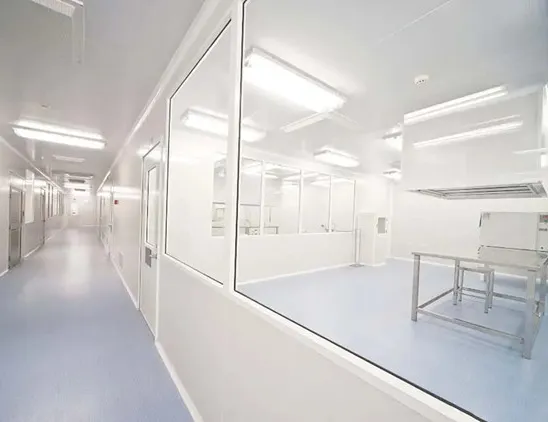
 Pembuatan layar kristal cair, panel OLED, dan komponen optik presisi tinggi membutuhkan tingkat pengendalian lingkungan yang sebagian besar lingkungan industri tidak mampu penuhi. Di dalam ruang bersih ISO Kelas 3 atau Kelas 4, satu molekul minyak di udara—yang diukur dalam bagian per miliar—sudah cukup untuk mengganggu integritas lapisan optik, menimbulkan cacat kabut pada substrat layar, atau membatalkan seluruh batch lensa presisi. Konsekuensi finansial dari peristiwa kontaminasi tersebut, ditambah dengan jendela produksi yang ketat yang khas di fasilitas layar dan optik Inggris, menjadikan kualitas udara terkompresi bukan lagi sekadar kenyamanan, tetapi variabel yang sangat penting bagi produksi.
Udara bertekanan digunakan di seluruh jalur produksi optik dan panel display — mulai dari lengan transfer substrat pneumatik dan sistem penanganan cangkir hisap yang memindahkan panel kaca rapuh tanpa kontak fisik, hingga nosel tiup bertekanan tinggi yang digunakan untuk membersihkan partikel dari permukaan sebelum setiap proses pelapisan, dan udara instrumen yang memasok peralatan inspeksi optik otomatis. Setiap titik kontak ini merupakan jalur kontaminasi potensial. Ketika pasokan udara membawa bahkan sejumlah kecil uap minyak hidrokarbon, konsekuensinya tidak terlihat sampai menjadi tidak dapat dipulihkan.
Panduan ini mengkaji alasan penggunaan kompresor udara bebas oli di lingkungan manufaktur optik dan panel display, menjelaskan prinsip-prinsip teknik di balik teknologi kompresor Kelas 0 modern, dan membantu tim pengadaan dan teknik fasilitas di Inggris memahami apa yang perlu diperhatikan saat menentukan sistem udara terkompresi untuk operasi ruang bersih mereka.
Hubungi langsung teknisi aplikasi kami — respons dalam satu hari kerja.
Ancaman Tak Terlihat: Mengapa Kontaminasi Minyak Tingkat ppb Merusak Hasil Produksi Optik
Memahami mekanisme kontaminasi adalah langkah pertama untuk menghilangkannya.
 Hubungan antara kemurnian udara terkompresi dan kualitas produk optik tidak linier — bahkan bisa berakibat fatal pada batas-batas tertentu. Kompresor sekrup berpelumas standar, bahkan ketika dilengkapi dengan tiga tahap filtrasi hilir, dalam kondisi tertentu akan meloloskan aerosol dan uap minyak hidrokarbon dengan konsentrasi antara 0,003 dan 0,1 mg/m³ ke dalam sirkuit udara hilir. Untuk aplikasi industri umum, ini sepenuhnya dapat diterima. Namun, untuk ruang deposisi film tipis optik yang beroperasi pada toleransi sub-mikron, ini merupakan peristiwa kontaminasi yang dapat merusak proses.
Uap minyak mengembun pada substrat kaca yang didinginkan selama persiapan sputtering, membentuk lapisan hidrokarbon tak terlihat yang mengganggu adhesi lapisan anti-reflektif, anti-silau, dan selektif panjang gelombang. Pada substrat LCD dan OLED, bahkan lapisan tunggal kontaminasi minyak mengganggu penyelarasan polimer kristal cair dan material emitor organik, mengakibatkan ketidakseragaman piksel, rasio kontras yang berkurang, dan penurunan luminansi yang dipercepat. Lensa sensor optik dan modul kamera yang dilapisi di ruang bersih yang terkontaminasi menunjukkan peningkatan cahaya hamburan — suatu kesalahan yang hanya dapat dideteksi setelah perakitan akhir, dengan biaya pengerjaan ulang maksimum.
⚠ Data Industri
Data audit ruang bersih dari produsen optik di Inggris menunjukkan bahwa kontaminasi oli udara bertekanan bertanggung jawab atas hingga 34% kegagalan adhesi lapisan yang tidak dapat dijelaskan — kesalahan yang biasanya dikaitkan dengan persiapan substrat atau kimia proses hingga kualitas udara diuji.
Pada prinsipnya, solusinya sederhana: hilangkan oli dari teknologi kompresor sepenuhnya. Kompresor bebas oli — baik tipe sentrifugal maupun tipe sekrup — menghilangkan sumber kontaminasi daripada mencoba menyaringnya di hilir. Hasilnya adalah standar kemurnian udara yang terjamin, terukur, dan terdokumentasi yang tidak dapat ditandingi secara andal oleh kompresor yang dibanjiri oli, betapapun baiknya penyaringannya, di semua kondisi operasi dan siklus servis filter.
Prinsip-prinsip Teknik: Bagaimana Kompresor Bebas Oli Mencapai Kemurnian Kelas 0
Dua teknologi yang telah terbukti, keduanya menghasilkan udara terkompresi tanpa oli untuk aplikasi ruang bersih yang paling menuntut.
Kompresor Sekrup Bebas Oli
Kompresor ulir bebas oli menggunakan sepasang rotor heliks yang dikerjakan dengan presisi — biasanya dilapisi dengan PTFE (politetrafluoroetilena) atau sistem injeksi air — yang memampatkan udara tanpa kontak antara permukaan logam. Ruang kompresi secara fisik terisolasi dari sirkuit pelumasan bantalan dan gearbox oleh serangkaian segel labirin dan sistem udara penghalang bertekanan. Pemisahan mekanis ini memastikan bahwa tidak ada oli yang dapat bermigrasi ke jalur udara terkompresi dalam kondisi operasi apa pun.
Kompresor sekrup bebas oli modern beroperasi pada rentang aliran sekitar 1 hingga 30 m³/menit pada tekanan 6 hingga 13 bar, menjadikannya pilihan utama untuk ruang bersih optik dan panel layar skala menengah. Kemampuan penggerak kecepatan variabel (VSD) memungkinkan pencocokan aliran yang tepat dengan permintaan, mengurangi konsumsi energi hingga 35% dibandingkan dengan kompresor kecepatan tetap — faktor penting mengingat operasi terus menerus 24/7 yang lazim pada lini produksi layar.
Kompresor Sentrifugal Bebas Oli
Kompresor sentrifugal memampatkan udara secara dinamis, menggunakan energi kinetik dari impeller berkecepatan tinggi (berputar pada 20.000–80.000 rpm) untuk mempercepat dan kemudian memperlambat aliran udara, mengubah kecepatan menjadi tekanan. Karena kompresi dicapai melalui dinamika fluida dan bukan perpindahan positif, tidak ada kontak antara komponen bergerak di dalam jalur udara, dan pelumasan berbasis oli sama sekali tidak ada pada tahap kompresi. Hasilnya adalah keluaran yang secara inheren bebas oli pada tingkat Kelas 0.
Sistem ini merupakan andalan dalam fabrikasi panel kaca LCD skala besar dan ruang bersih semikonduktor, mampu menghasilkan aliran udara lebih dari 100 m³/menit dengan efisiensi luar biasa. Pengiriman udara kontinu tanpa denyut sangat dihargai dalam proses sputtering dan deposisi uap kimia (CVD), di mana fluktuasi tekanan dapat mengganggu keseragaman lapisan. Tidak adanya elemen kompresi yang aus juga berarti biaya perawatan yang lebih rendah dibandingkan dengan alternatif sekrup yang dilumasi.
🔔 Sistem Pengeringan: Separuh Persamaan Lainnya
Kompresor bebas oli saja diperlukan tetapi tidak cukup untuk udara terkompresi kelas ruang bersih. Udara atmosfer yang masuk ke saluran masuk kompresor mengandung uap air yang, setelah dikompresi, menjadi kondensat cair — pembawa partikel mikro dan kontaminasi mikroba. Jalur produksi optik ruang bersih membutuhkan udara terkompresi dengan titik embun tekanan -40°C atau lebih rendah (ISO 8573-1 Kelas 2 kelembaban) untuk mencegah kondensasi di dalam saluran pneumatik dan di titik nosel. Pengering desikan adsorpsi yang menggunakan alumina aktif atau media saringan molekuler adalah teknologi standar untuk mencapai hal ini, dan ditentukan sebagai paket terintegrasi dengan setiap sistem kompresor ruang bersih Ever Power. Pengering panas kompresi regeneratif (HOC), yang menggunakan energi termal kompresi itu sendiri untuk meregenerasi desikan, juga tersedia untuk instalasi yang dioptimalkan energinya.
Spesifikasi Teknis & Data Kinerja
Seri Ruang Bersih Ever Power — Rangkaian Kompresor Sekrup Bebas Oli (model representatif)
* Semua model berlabel CE. Performa titik embun dicapai dengan paket pengering desikan terintegrasi. Model VSD menyertakan opsi pemulihan energi. Konfigurasi tekanan dan aliran khusus tersedia berdasarkan permintaan.
Di mana Udara Terkompresi Bebas Minyak Membuat Perbedaan: Skenario Aplikasi Utama
Enam tahapan proses kritis di mana kemurnian udara terkompresi secara langsung menentukan kualitas produk.
Pembersihan dan Pengeringan Permukaan Substrat
Nosel peniup udara bertekanan menghilangkan partikel sub-mikron dari substrat kaca sebelum setiap siklus pengendapan. Kabut minyak apa pun dalam aliran udara akan langsung menempel pada permukaan yang telah dibersihkan, sehingga meniadakan langkah pembersihan sepenuhnya. Udara Kelas 0 memastikan proses peniupan mencapai hasil yang diinginkan.
Lengan Penanganan & Pemindahan Substrat Pneumatik
Cangkir hisap vakum dan ujung efektor pneumatik yang menangani kaca LCD atau substrat induk OLED memerlukan udara bebas minyak untuk mencegah perpindahan kontaminasi pada setiap operasi pengambilan dan penempatan. Bahkan kontak sesaat antara cangkir hisap yang terkontaminasi minyak dan substrat layar dapat menyebabkan bekas perekat permanen yang hanya muncul setelah laminasi akhir.
Persiapan Sputtering Film Tipis & PVD
Ruang deposisi uap fisik (PVD) yang digunakan untuk mengaplikasikan lapisan ITO (indium timah oksida) dan elektroda logam memerlukan saluran gas pembersih untuk menjaga atmosfer terkontrol selama pemuatan substrat. Uap minyak yang masuk melalui saluran gas pembersih mencemari dinding ruang deposisi dan material target, menurunkan stoikiometri film dan memerlukan siklus pembersihan ruang yang mahal.
Perlengkapan Pemusatan & Perakitan Lensa Optik
Dalam pembuatan lensa optik, spindel bantalan udara dan perlengkapan pemusatan lensa pneumatik bergantung pada udara terkompresi yang sangat bersih untuk mempertahankan akurasi penyelarasan tingkat mikron. Kontaminasi oli di celah bantalan udara meningkatkan gesekan secara tidak terduga, menimbulkan kesalahan kemiringan yang menyebar ke seluruh rakitan optik dan memerlukan penyelarasan ulang yang mahal setelah pelapisan.
Peralatan Inspeksi Optik & Metrologi
Sistem inspeksi optik otomatis (AOI) dan alat metrologi interferometrik dibersihkan dengan udara kering bersih untuk mencegah kondensasi pada elemen referensi optik bernilai tinggi dan sensor CCD. Udara yang terkontaminasi menyebabkan penurunan akurasi instrumen secara bertahap, menimbulkan deteksi cacat positif palsu dan mengikis ketertelusuran pengukuran — keduanya merupakan masalah serius bagi fasilitas di Inggris yang beroperasi di bawah kerangka kerja mutu BS EN ISO.
Segel Pintu HVAC & Pneumatik Ruang Bersih
Udara bertekanan juga digunakan dalam infrastruktur ruang bersih itu sendiri — segel pintu tiup, sistem tirai udara, dan interlock pneumatik yang mempertahankan tekanan diferensial antara tingkatan ruang bersih. Udara yang terkontaminasi minyak dalam sistem ini merusak material segel elastomer, memperpendek masa pakai, dan dapat menyebabkan pelepasan senyawa organik volatil (VOC) ke lingkungan ruang bersih — hal ini menjadi perhatian khusus untuk bahan kimia pelapis optik.
Sertifikasi Material, Konstruksi & Industri
Elemen kompresi Ever Power kompresor sekrup bebas oli Rotor ini dibuat dari rumah besi cor bermutu tinggi dengan profil rotor yang digiling secara presisi hingga toleransi ±2 mikrometer. Permukaan rotor dilapisi dengan lapisan komposit PTFE eksklusif yang memberikan operasi gesekan rendah, stabilitas dimensi di seluruh rentang suhu operasi, dan inert secara kimiawi terhadap semua gas proses ruang bersih standar dan bahan pembersih. Tidak adanya pelumas berbasis minyak di ruang kompresi merupakan bagian inheren dari desainnya — hal ini tidak dicapai melalui filtrasi dan tidak dapat dihilangkan oleh kelalaian perawatan atau kegagalan filter.
Saluran udara internal dibuat dari baja tahan karat 316L atau paduan aluminium yang dipoles secara elektrolitik, kedua material tersebut memiliki nilai kekasaran permukaan Ra ≤0,4 µm yang meminimalkan adhesi partikel dan menyederhanakan prosedur pembersihan validasi internal. Semua elastomer yang bersentuhan dengan cairan dan material gasket dipilih agar kompatibel dengan kimia ruang bersih ISO Kelas 5, menggunakan formulasi EPDM atau Viton yang memenuhi standar pelepasan gas sesuai ASTM E595.
Setiap unit dalam Seri Ruang Bersih Ever Power memiliki sertifikasi pihak ketiga sesuai ISO 8573-1 Kelas 0 untuk kandungan minyak total, yang dikeluarkan oleh TÜV Rheinland. Tanda CE menegaskan kepatuhan terhadap Arahan Mesin Eropa 2006/42/EC dan Arahan Peralatan Tekanan (PED) 2014/68/EU — kedua arahan tersebut tetap diadopsi ke dalam hukum Inggris pasca-Brexit di bawah kerangka hukum Uni Eropa yang dipertahankan, dengan tanda UKCA tersedia untuk pasokan khusus Inggris.
✅ Sertifikasi & Standar
- ✓ ISO 8573-1 Kelas 0 (Kandungan Minyak)
- ✓ BS EN ISO 14644-1 Siap untuk Ruang Bersih
- ✓ Bersertifikasi CE & UKCA
- ✓ Bersertifikasi Pihak Ketiga TÜV Rheinland
- ✓ Sesuai dengan PED 2014/68/EU
- ✓ Kelas Efisiensi Motor IE3 / IE4
- ✓ Tersedia Opsi Zona ATEX 2
MEMBUTUHKAN DOKUMENTASI SERTIFIKASI KHUSUS?
Kami menyediakan lembar data material lengkap, laporan FAT, dan paket validasi ruang bersih untuk setiap sistem.
Melayani Sektor Manufaktur Optik & Layar di Inggris Raya
Dari taman sains Cambridge hingga klaster optik presisi Skotlandia — solusi udara terkompresi tepercaya untuk produsen Inggris.
Britania Raya menjadi tuan rumah bagi sejumlah besar dan terus berkembangnya operasi manufaktur optik dan yang terkait dengan tampilan, yang mencakup produsen perangkat pencitraan medis di Thames Valley dan Inggris Tenggara, spesialis optik presisi yang melayani klien kedirgantaraan dan pertahanan di koridor Bristol–Bath, produsen fotonik hasil pengembangan universitas di Cambridge dan Oxford, serta integrator teknologi tampilan yang mendukung sektor HMI otomotif di seluruh Midlands. Masing-masing fasilitas ini beroperasi dengan skala produksi dan klasifikasi ruang bersih yang berbeda, tetapi memiliki satu persyaratan umum: pasokan udara terkompresi bebas minyak yang terverifikasi dan dapat diaudit.
Standar ruang bersih di Inggris diatur oleh BS EN ISO 14644, yang mencerminkan standar ISO internasional dan mengklasifikasikan ruang bersih dari Kelas ISO 1 (terbersih, jumlah partikel ≤10/m³ pada 0,1 µm) hingga Kelas ISO 9. Sebagian besar lingkungan produksi pelapisan optik dan panel tampilan beroperasi dalam rentang Kelas ISO 4 hingga Kelas 6, di mana jumlah total partikel dikontrol dengan ketat dan setiap sumber kontaminasi yang masuk selama proses — termasuk udara bertekanan — harus divalidasi dan didokumentasikan sebagai bagian dari strategi pengendalian kontaminasi (CCS) fasilitas tersebut sesuai dengan standar sektor yang relevan.
Stok di Inggris & Pengiriman Cepat
Model standar tersedia dari distributor yang berbasis di Inggris dengan pengiriman 2–4 minggu ke fasilitas mana pun di daratan Inggris.
Tim Layanan Berbasis di Inggris
Teknisi layanan lapangan tersedia di seluruh Inggris, Skotlandia, dan Wales untuk instalasi, komisioning, dan kontrak perawatan preventif (PPM).
Dokumentasi UKCA
Setiap unit dilengkapi dengan penandaan UKCA lengkap, kepatuhan terhadap UK PSSR 2000, dan dokumentasi Standar Inggris.
Harga GBP Tersedia
Semua penawaran harga diterbitkan dalam pound sterling dengan perlakuan PPN Inggris. Opsi pembiayaan dan sewa tersedia melalui mitra di Inggris.
Kisah Sukses Pelanggan
Hasil nyata dari produsen optik dan layar yang telah menstandarisasi sistem bebas oli Ever Power.
Integrator Layar HMI Otomotif Inggris — Midlands, Inggris
Perakitan panel tampilan | Ruang bersih ISO Kelas 5 | 3 unit VSD EP-OF 55 terpasang
Sebuah perusahaan manufaktur yang berbasis di Midlands, yang memasok modul layar OLED melengkung ke tiga OEM otomotif besar Eropa, mengalami tingkat cacat rata-rata 4,7% pada inspeksi optik akhir — yang sebagian besar bermanifestasi sebagai pita kabut dan ketidakseragaman tingkat piksel di seluruh bagian tengah layar. Investigasi kualitas internal telah menyingkirkan sumber substrat, peralatan laminasi ruang bersih, dan kimia proses sebagai penyebab utama selama periode investigasi delapan belas bulan. Pengujian kualitas udara, yang dilakukan sebagai bagian dari audit udara terkompresi yang ditugaskan setelah rekomendasi konsultan, mengungkapkan kandungan hidrokarbon total pada nosel titik penggunaan sebesar 0,038 mg/m³ — jauh di atas ambang batas yang dapat diterima untuk penanganan substrat OLED.
Tiga unit kompresor sekrup bebas oli EP-OF 55 VSD dipasang dalam konfigurasi ring-main paralel, menggantikan dua kompresor sekrup putar berpelumas oli yang sudah tua dengan filtrasi hilir tiga tahap. Pengering desikan terintegrasi yang menghasilkan titik embun tekanan -40°C juga disertakan. Validasi kualitas udara pasca-pemasangan mengkonfirmasi kandungan oli total 0,000 mg/m³ di seluruh dua puluh empat posisi uji penggunaan.
Dalam waktu delapan minggu setelah pengoperasian, tingkat penolakan inspeksi optik fasilitas tersebut turun dari 4,7% menjadi 0,6% — pengurangan sebesar 87%. Penghematan biaya pengerjaan ulang dan limbah tahunan dihitung sebesar £620.000, menghasilkan pengembalian investasi modal penuh dalam waktu sebelas bulan. Fasilitas tersebut sejak itu telah diperluas dengan unit EP-OF 55 keempat untuk mendukung lini produksi modul OLED baru.
Hasil Utama
“Kami telah menggunakan unit bebas oli Ever Power di ruang bersih fotonik Cambridge kami selama tiga tahun sekarang. Konsistensi kualitas udara bukanlah sesuatu yang perlu kami pikirkan lagi — sistem beroperasi 24/7 tanpa kendala. Tim tersebut sangat memahami persyaratan proses spesifik kami selama fase desain, yang memberi kami kepercayaan diri sebelum kami mengambil keputusan.”
— Manajer Teknik Fasilitas
Produsen sensor fotonik, Cambridge, Inggris
“Yang paling saya hargai adalah paket dokumentasinya. Untuk lini optik pencitraan medis kami yang diatur oleh ISO 13485, kami membutuhkan ketertelusuran penuh pada setiap utilitas penting. Ever Power menyediakan laporan FAT lengkap, sertifikat material, dan sertifikasi kandungan minyak TÜV yang disetujui oleh tim kualitas kami tanpa permintaan informasi tambahan apa pun. Itu jarang terjadi menurut pengalaman saya.”
— Kepala Teknik Proses
Produsen perangkat optik medis, Surrey, Inggris
“Kami mengevaluasi empat pemasok sebelum memilih Ever Power untuk fasilitas pelapisan lensa AR kami di Skotlandia. Faktor penentu adalah kesediaan mereka untuk merancang tata letak skid khusus agar sesuai dengan ruang mesin kami yang sudah ada — dengan lebar terbatas 900 mm di antara kolom. Pemasok lain hanya memberi kami item katalog dan mengangkat bahu. Ever Power memberi kami solusi khusus yang sangat sesuai dan dikirim tepat waktu.”
— Direktur Pabrik
Produsen lensa optik AR, Edinburgh, Skotlandia
Kemampuan Rekayasa & Manufaktur Kustom
Tidak ada dua fasilitas ruang bersih yang identik — solusi kita pun seharusnya tidak demikian.
Fasilitas manufaktur Ever Power mengoperasikan divisi rekayasa khusus yang menangani konfigurasi kompresor non-standar mulai dari konsep awal hingga pengujian penerimaan pabrik (FAT). Kemampuan ini sangat dihargai di sektor manufaktur optik dan tampilan, di mana keterbatasan ruang, konfigurasi catu daya spesifik, integrasi dengan Sistem Manajemen Gedung (BMS), dan kebutuhan akan paket dokumentasi validasi khusus membuat solusi siap pakai tidak memadai.
Proyek-proyek khusus yang telah kami rancang untuk pelanggan ruang bersih di Inggris dan internasional meliputi: sistem skid-mounted berprofil sempit untuk pemasangan ulang ke ruang mesin yang sudah ada, desain rangka dasar getaran rendah untuk fasilitas yang membutuhkan isolasi seismik untuk peralatan metrologi yang sensitif, konfigurasi paralel tugas/siaga redundan dengan peralihan otomatis untuk jaminan waktu operasional 99,99%, konektivitas SCADA terintegrasi dengan protokol OPC-UA untuk pemantauan fasilitas Industri 4.0, dan sistem verifikasi kemurnian udara tekan khusus dengan pemantauan uap minyak online berkelanjutan dan pematian otomatis jika ambang batas terlampaui.
Jika fasilitas komponen optik atau panel display Anda memiliki persyaratan yang tidak dapat dipenuhi oleh produk katalog standar, teknisi aplikasi kami ingin mendengar dari Anda. Kami bekerja sama dengan tim fasilitas sejak tahap desain awal pembangunan dan renovasi ruang bersih baru, dan dapat menyediakan konsultasi pra-FEED (rekayasa dan desain awal) tanpa biaya untuk proyek yang memenuhi syarat. Tujuannya adalah spesifikasi sistem udara tekan yang ukurannya tepat untuk profil permintaan Anda, siap untuk ekspansi produksi di masa depan, dan memberikan standar kualitas udara yang dibutuhkan proses Anda — tanpa menghabiskan terlalu banyak uang untuk kapasitas yang tidak Anda butuhkan saat ini.
🔧 Kemampuan Kustomisasi Kami
- ✦ Dimensi & tata letak palet sesuai pesanan
- ✦ Tegangan & frekuensi non-standar
- ✦ Paket pengering & filter terintegrasi
- ✦ Sistem tugas/siaga redundan
- ✦ Integrasi SCADA / BMS / OPC-UA
- ✦ Pemantauan uap minyak secara online
- ✦ Pengujian Penerimaan Pabrik (FAT)
- ✦ Dokumentasi validasi ruang bersih lengkap
- ✦ Varian ATEX / suhu rendah
Pertanyaan yang Sering Diajukan
Jawaban atas pertanyaan yang paling sering diajukan oleh produsen optik dan layar di Inggris.
Siap untuk Mendapatkan Tingkat Kemurnian Udara Kelas 0 untuk Ruang Bersih Anda?
Bicaralah dengan seorang insinyur aplikasi yang mengetahui perbedaan antara nosel peniup substrat dan saluran pembersihan ruang sputtering. Kami akan membantu Anda menentukan dengan tepat apa yang dibutuhkan proses manufaktur optik Anda — tidak lebih, tidak kurang.
✉ Dapatkan Konsultasi Teknik Gratis
[email protected] | Tanggapan dalam 1 hari kerja | Proyek Inggris & Internasional diterima
© Ever Power Compressor Technology. Semua spesifikasi produk dapat berubah sewaktu-waktu. Sertifikasi ISO 8573-1 Kelas 0 diverifikasi oleh TÜV Rheinland. Untuk pertanyaan proyek: [email protected] | diedit oleh gzl