 Masuklah ke pabrik makanan bervolume tinggi mana pun di Inggris Raya — dari produsen keripik di Birmingham hingga tempat pemanggangan di Edinburgh — dan udara bertekanan ada di mana-mana. Udara bertekanan menyegel kantong, mengisi kemasan atmosfer termodifikasi (MAP), mengangkut bahan-bahan melalui jalur pipa yang panjang, dan mengoperasikan ratusan aktuator pneumatik secara bersamaan. Yang jauh kurang terlihat, tetapi jauh lebih penting bagi bisnis Anda, adalah... kualitas dari udara terkompresi tersebut. Satu kejadian kontaminasi yang dapat ditelusuri kembali ke oli kompresor dapat memusnahkan ribuan unit jadi, memicu penarikan produk secara menyeluruh, dan menimbulkan kerusakan reputasi yang membutuhkan waktu bertahun-tahun untuk diperbaiki. Risiko tersebut sepenuhnya dapat dicegah — dan solusinya terletak pada sumbernya: kompresor udara bebas oli.
Di Ever Power, tim teknik aplikasi kami telah merancang, menentukan spesifikasi, dan melakukan commissioning sistem udara tekan bebas oli untuk fasilitas pengolahan dan pengemasan makanan selama lebih dari delapan belas tahun. Permintaan tidak pernah sekuat ini. Pengetatan peraturan keamanan pangan, meningkatnya persyaratan audit pengecer berdasarkan Standar Global BRC, dan meningkatnya kompleksitas pengemasan dengan umur simpan yang lebih lama telah mengangkat teknologi bebas oli dari pilihan premium menjadi kebutuhan operasional. Panduan ini mencakup semua yang perlu diketahui oleh manajer produksi, teknisi perawatan, atau spesialis pengadaan sebelum menentukan spesifikasi kompresor udara bebas oli untuk lini pengemasan makanan.
Mengapa Kontaminasi Minyak dalam Udara Terkompresi Merupakan Krisis Keamanan Pangan yang Akan Segera Terjadi
 Kompresor ulir dan piston berpelumas konvensional adalah andalan industri umum — tetapi kompresor ini terus-menerus menyuntikkan sejumlah aerosol minyak ke dalam aliran udara terkompresi. Bahkan dengan pemisah minyak-air dan filter koalesensi yang terpasang di hilir, kabut minyak sisa dengan konsentrasi 0,01–0,1 mg/m³ dapat menembus sistem distribusi dalam kondisi operasi normal. Dalam konteks manufaktur atau otomotif standar, hal itu tidak relevan. Namun dalam lingkungan pengemasan makanan, hal itu sama sekali tidak dapat diterima.
Kontaminasi minyak pada saluran udara kemasan makanan menciptakan masalah berantai di seluruh proses produksi. Gas kemasan atmosfer termodifikasi yang bercampur dengan uap minyak dapat bereaksi secara kimiawi dengan produk-produk sensitif—terutama kacang panggang, kopi premium, dan daging olahan—mempercepat oksidasi lipid dan ketengikan, bukannya mencegahnya. Udara terkompresi berminyak yang mengalir melalui pipa pengangkut pneumatik melapisi dinding bagian dalam dengan lapisan lengket yang menarik bakteri patogen, sehingga menggagalkan protokol CIP (pembersihan di tempat) yang paling ketat sekalipun. Kenyataan yang berbahaya adalah bahwa sebagian besar kejadian kontaminasi tidak langsung terlihat: pada saat keluhan rasa yang tidak sedap mencapai tim kualitas atau audit pengecer menandai masalah tersebut, ribuan unit mungkin sudah berada dalam rantai distribusi.
Badan Standar Pangan Inggris (UK Food Standards Agency) dan Standar Global BRC untuk Keamanan Pangan — kerangka audit yang dirujuk oleh hampir setiap grup supermarket besar di Inggris — mensyaratkan bukti terdokumentasi bahwa udara terkompresi yang memenuhi atau melebihi standar kemurnian yang ditentukan secara konsisten dialirkan ke zona kontak makanan. Tolok ukur yang diterima secara internasional adalah ISO 8573-1. Kelas 1 menetapkan kandungan minyak maksimum yang diizinkan pada 0,01 mg/m³; penunjukan Kelas 0 yang lebih unggul menegaskan tidak ada kontaminasi minyak yang terdeteksi. Kompresor udara bebas minyak adalah satu-satunya solusi teknik yang secara andal memberikan dan membuktikan kepatuhan Kelas 0 di sumbernya — bukan di atas kertas, tetapi dalam praktik, dari shift ke shift.
Rekayasa di Balik Teknologi Kompresi Bebas Minyak
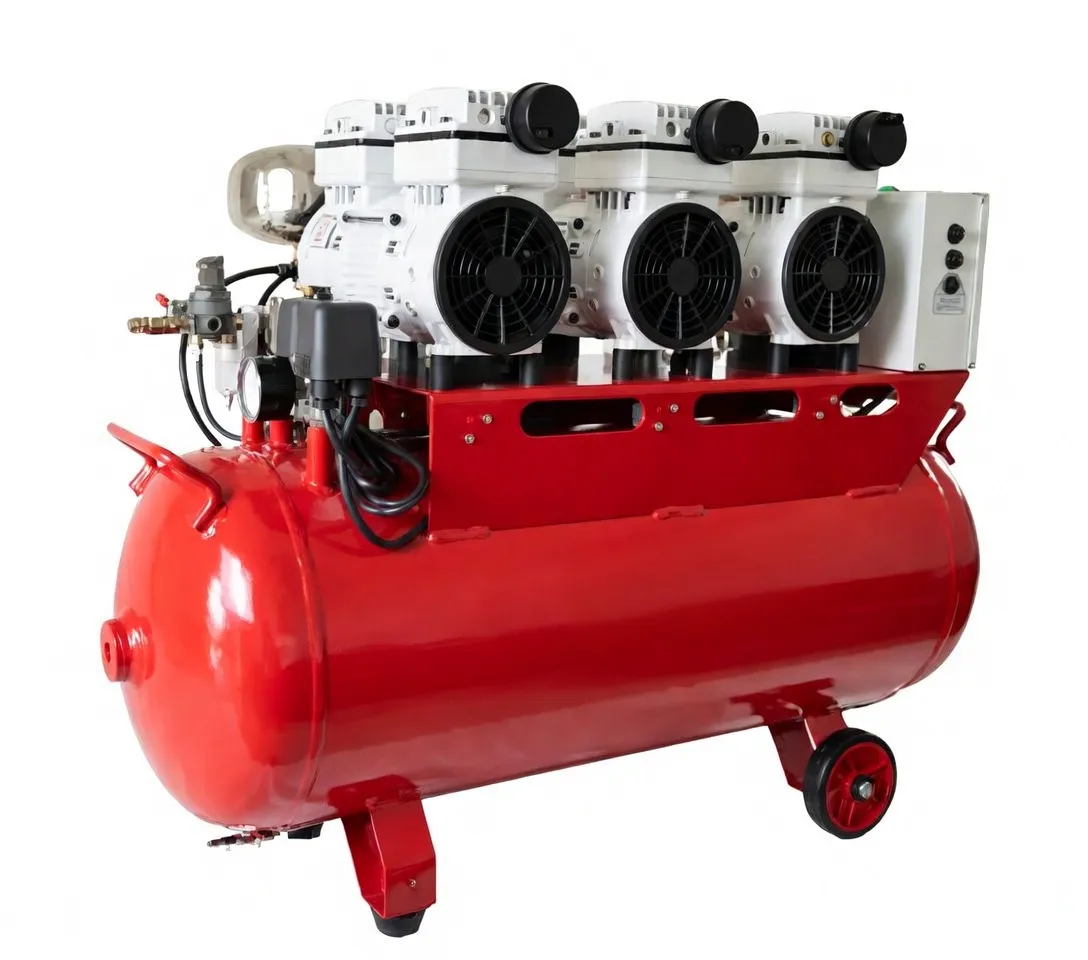
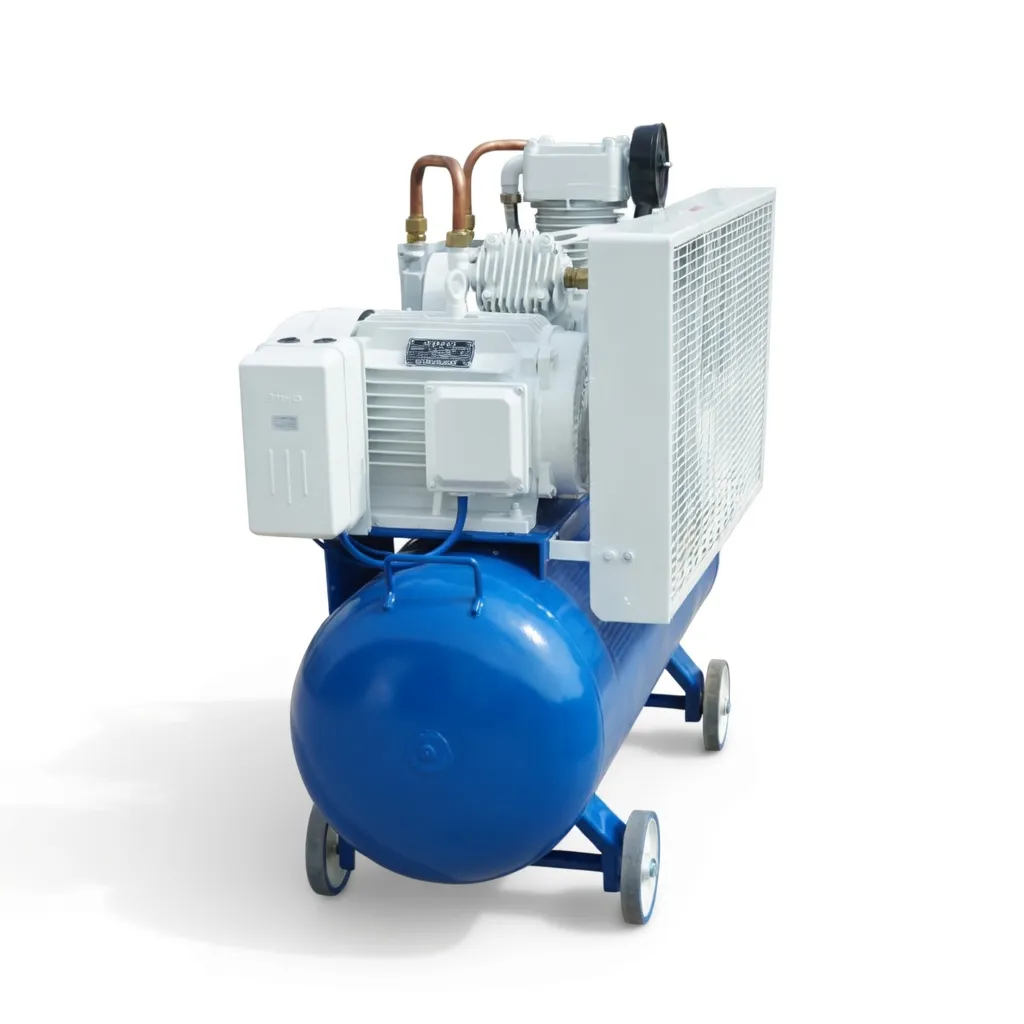
Perbedaan mendasar antara kompresor ulir berpelumas dan unit bebas oli terletak pada cara pengelolaan ruang kompresi. Pada mesin konvensional berpelumas oli, pelumas disuntikkan langsung ke dalam rongga rotor ulir untuk menutup celah, mendinginkan udara yang masuk, dan melumasi elemen yang berputar. Oli tersebut kemudian perlu dipisahkan dari udara terkompresi di hilir — tidak pernah sempurna dan tidak pernah permanen. Sebaliknya, kompresor ulir bebas oli menggunakan rotor yang dikerjakan dengan presisi tinggi dan digiling hingga toleransi sangat halus serta dilapisi dengan PTFE atau bahan yang kompatibel dengan makanan, sehingga kompresi mekanis terjadi tanpa pelumas yang masuk ke tahap kompresi. Pelumasan bantalan secara fisik diisolasi dari jalur udara oleh segel labirin dan terus-menerus dibuang ke atmosfer.
Kompresi sekrup bebas oli dua tahap adalah konfigurasi yang paling praktis dan hemat energi untuk aplikasi pengemasan makanan di atas 7,5 kW. Tahap pertama mengompresi udara sekitar ke tekanan menengah; intercooler menghilangkan panas kompresi; tahap kedua mengompresi ke tekanan pengiriman akhir. Desain ini tidak hanya menjamin kualitas udara keluaran Kelas 0 tetapi juga mencapai angka konsumsi daya spesifik yang seringkali sama atau lebih baik daripada mesin beroli yang setara — poin penting secara komersial mengingat tingkat tarif energi industri Inggris saat ini.
Varian kompresor gulir injeksi air dan kompresor baling-baling putar bebas oli sangat cocok untuk lini pengemasan makanan yang lebih kecil atau fasilitas di mana tingkat kebisingan rendah menjadi prioritas — relevan di zona persiapan makanan terbuka. Terlepas dari teknologi kompresor yang dipilih, jaminan utamanya tetap sama: udara terkompresi yang keluar dari mesin bebas oli dan masuk ke peralatan pengemasan makanan Anda tidak mengandung kontaminasi oli yang berasal dari kompresor. Jaminan itu berlaku di berbagai musim, pola kerja, dan siklus penggantian filter, karena tidak ada filter yang dapat rusak.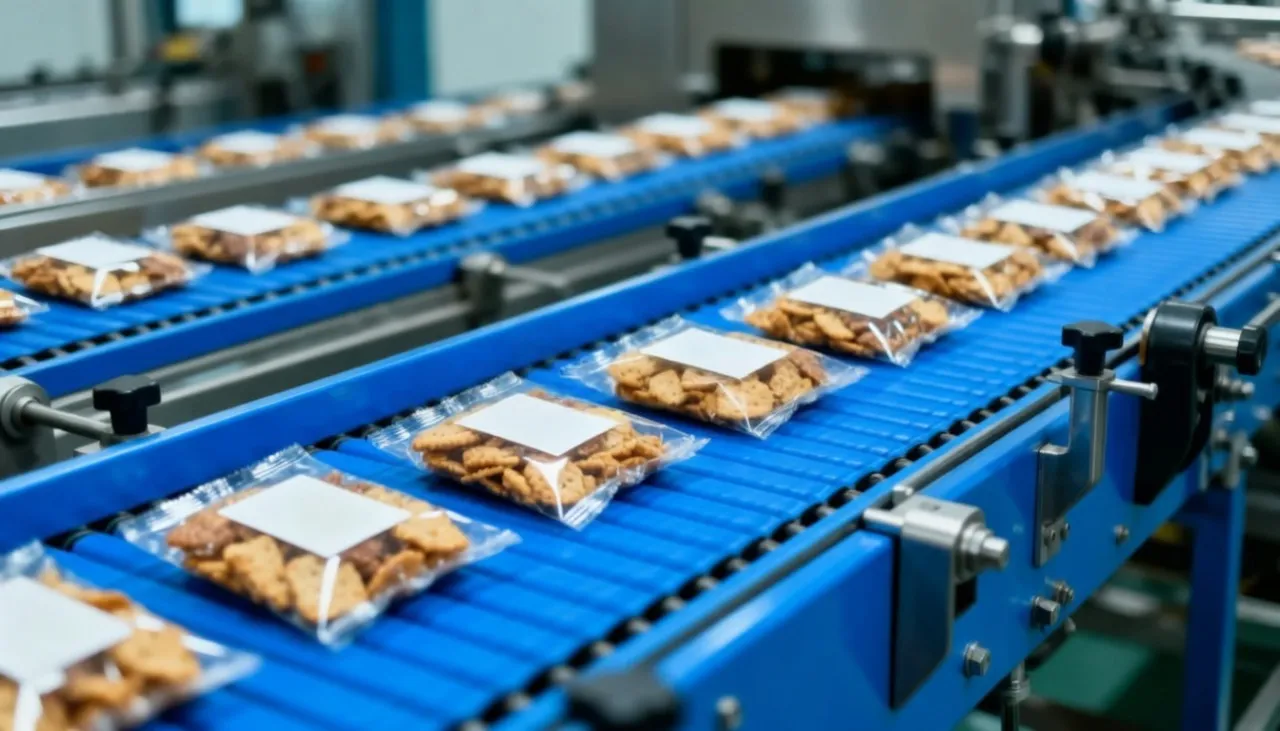
Spesifikasi Kinerja Teknis — Kompresor Bebas Oli Seri EF
| Parameter | EF-7.5 (Entri) | EF-22 (Jarak Menengah) | EF-55 (Industri) |
|---|---|---|---|
| Tenaga Motor | 7,5 kW | 22 kW | 55 kW |
| Pengiriman Udara Gratis (FAD) | 0,9 m³/menit | 3,2 m³/menit | 9,1 m³/menit |
| Tekanan Pengiriman | 6 – 10 bar(g) | 6 – 10 bar(g) | 6 – 13 bar(g) |
| Kualitas Udara (ISO 8573-1) | Kelas 0 | Kelas 0 | Kelas 0 |
| Tingkat Kebisingan | 62 dB(A) | 68 dB(A) | 72 dB(A) |
| Metode Pendinginan | Berpendingin udara | Udara / Air | Berpendingin air |
| Jenis Penggerak | Kecepatan tetap | VSD tersedia | Standar VSD |
| Sertifikasi | CE · UKCA | CE · UKCA | CE · UKCA |
| Garansi Standar | 2 tahun | 3 tahun | 3 tahun |
Klasifikasi Kualitas Udara ISO 8573-1 — Arti Sebenarnya dari Standar Tersebut bagi Produsen Makanan
Standar ini mengklasifikasikan kontaminasi minyak (aerosol, uap, dan cairan) secara independen dari partikulat dan kelembapan. Bagi produsen makanan di Inggris yang memasok pengecer di bawah kerangka audit BRC, FSSC 22000, atau SQF, memahami kelas mana yang berlaku untuk setiap zona di fasilitas Anda adalah titik awal untuk spesifikasi udara terkompresi apa pun.
| Kelas ISO | Kandungan Minyak (mg/m³) | Penggunaan Umum | Cara Mencapai |
|---|---|---|---|
| Kelas 4 | ≤ 5 | Peralatan bengkel umum, pengisian angin ban | Terendam minyak + pemisah |
| Kelas 2 | ≤ 0,1 | Pengecatan semprot, instrumentasi | Filter terendam + koalesensi |
| Kelas 1 | ≤ 0,01 | Standar minimum kemasan makanan (BRC) | Bebas minyak + karbon aktif |
| Kelas 0 ✓ | Tidak terdeteksi | Kontak langsung dengan makanan, pengiriman gas MAP. | Kompresor bebas oli (bersertifikat) |
Di sinilah udara bertekanan bebas minyak membuat perbedaan yang krusial.
MAP Packaging — Keripik, Kacang & Kopi
Pengemasan atmosfer termodifikasi menggantikan oksigen dengan nitrogen atau CO2 untuk memperpanjang umur simpan. Setiap kepala penyegel, katup pengiriman gas, dan manifold pengangkut menggunakan udara terkompresi. Udara terkompresi bebas minyak memastikan kemurnian gas MAP tidak pernah terganggu, melindungi profil rasa dan klaim umur simpan yang diandalkan oleh merek-merek makanan ringan dan kopi premium Inggris di tingkat ritel.
Pengangkutan Pneumatik — Permen dan Biskuit
Gula, bubuk kakao, tepung, dan pati mengalir melalui pipa pengangkut tertutup di bawah tekanan positif. Kontaminasi minyak melapisi permukaan bagian dalam pipa, menciptakan endapan lengket yang menjadi tempat berkembang biaknya patogen, dan hampir tidak mungkin untuk dihilangkan sepenuhnya tanpa pembongkaran total pipa. Udara bebas minyak menghilangkan mode kegagalan ini sebelum dapat dimulai.
Pencetakan Tiup Botol PET
Proses pencetakan botol bertekanan tinggi untuk produk jus, air, dan bumbu membutuhkan udara terkompresi pada tekanan 25–40 bar. Kompresor penguat bertekanan tinggi bebas oli memastikan bahwa permukaan bagian dalam setiap botol bersih pada saat pencetakan — persyaratan kebersihan yang sangat penting untuk setiap produk yang dijual melalui saluran ritel bahan makanan di Inggris.
Pengoperasian Jalur Pengisian & Dosis
Silinder pneumatik yang mengontrol nosel pengisian, katup pengatur dosis, dan pengalih produk pada jalur pengemasan makanan berkecepatan tinggi membutuhkan udara terkompresi yang bersih, kering, dan bebas minyak. Udara yang terkontaminasi minyak menyebabkan kemacetan katup, keausan segel yang dipercepat, dan akurasi dosis yang tidak menentu — yang secara langsung mengakibatkan pemborosan produk dan penghentian jalur produksi yang tidak direncanakan.
Fluidisasi Biji-bijian & Bubuk
Produksi buah kering, biji-bijian, dan bubuk instan menggunakan fluidisasi udara dan menara pengering semprot yang membutuhkan volume besar udara terkompresi ultra-bersih. Kontaminasi minyak dalam proses ini dapat mengubah pembacaan kadar air, menurunkan tekstur dan rasa produk, serta memicu temuan ketidaksesuaian selama audit pihak ketiga BRC.
Kemasan Daging Segar & Makanan Siap Saji
Penyegelan baki, pengemasan vakum, dan perforasi tutup laser untuk daging segar, unggas, dan makanan siap saji dingin beroperasi di bawah klasifikasi zona higienis yang ketat. Udara terkompresi bebas minyak — yang dikeringkan dengan benar — mencegah pertumbuhan mikroorganisme yang akan dipercepat oleh uap air dan minyak yang bercampur di area produksi berisiko tinggi.
Mengapa Produsen Makanan Inggris Memilih Kompresor Bebas Oli Ever Power?
Kelas 0 Bersertifikasi Pihak Ketiga
Setiap unit diuji dan disertifikasi secara independen sesuai dengan ISO 8573-1 Kelas 0. Sertifikat kesesuaian yang dapat dilacak disertakan dengan setiap kompresor sebagai standar — siap untuk folder dokumentasi BRC Anda.
Efisiensi Energi VSD
Teknologi penggerak kecepatan variabel menyesuaikan output motor dengan permintaan udara secara real-time, memangkas konsumsi listrik sebesar 20–35% dibandingkan dengan penggerak kecepatan tetap — penghematan yang signifikan mengingat kondisi tarif energi industri Inggris saat ini.
Beban Pemeliharaan Minimal
Tidak perlu penggantian oli, tidak perlu kartrid filter oli, tidak perlu elemen pemisah, tidak perlu pembuangan oli. Interval servis hingga 4.000 jam — secara substansial mengurangi total biaya kepemilikan selama masa operasional tipikal 10 tahun pada lini pengemasan makanan.
Siap Diaudit BRC & FSSC 22000
Paket dokumentasi lengkap — laporan uji pabrik, sertifikasi bebas minyak, lembar MSDS, dan panduan integrasi HACCP — menyediakan semua yang dibutuhkan produsen makanan di Inggris untuk lulus audit keamanan pangan pihak ketiga tanpa harus terburu-buru di menit-menit terakhir.
Bersertifikasi Ganda UKCA & CE
Semua unit Seri EF memiliki tanda UKCA dan CE, yang memenuhi peraturan permesinan Inggris pasca-Brexit dan persyaratan ekspor Eropa — relevan bagi produsen makanan Inggris yang memasok saluran ritel domestik dan Eropa secara bersamaan.
Pemantauan Jarak Jauh IIoT
Konektivitas terintegrasi memberikan visibilitas waktu nyata terhadap tekanan, suhu, laju aliran, dan konsumsi energi melalui dasbor berbasis cloud. Peringatan pemeliharaan prediktif membantu tim produksi makanan menghindari penghentian yang tidak direncanakan dan menjaga catatan udara terkompresi secara berkelanjutan untuk kepatuhan HACCP.
Kesuksesan Pelanggan: Dari Risiko Audit BRC hingga Tingkat Kepercayaan A
Studi Kasus — Produsen Makanan Ringan di Inggris Utara
Tantangan
Sebuah produsen makanan ringan gurih berukuran sedang yang berbasis di Yorkshire — memproduksi keripik, popcorn, dan produk kacang campur untuk tiga jaringan supermarket besar di Inggris — mendapat teguran selama audit BRC karena kandungan minyak yang tidak konsisten dalam sirkuit pengemasan nitrogen MAP-nya. Kompresor yang terendam minyak dengan filtrasi koalesensi hilir yang ada beroperasi pada 0,008 mg/m³ dalam kondisi ideal di awal shift, tetapi melonjak menjadi 0,03 mg/m³ di tengah produksi karena elemen filter menjadi jenuh sebagian. Fasilitas tersebut berpotensi mengalami penurunan peringkat BRC ke Grade B, yang akan memicu peninjauan formal oleh pengecer dan kemungkinan penghapusan dari posisi rak premium.
Solusi
Para insinyur aplikasi Ever Power melakukan audit udara tekan lengkap selama dua shift produksi — mengukur profil permintaan aktual, penurunan tekanan di seluruh jaringan distribusi, dan kualitas udara di enam titik pengambilan sampel. Rekomendasinya adalah konfigurasi dua unit: kompresor sekrup bebas oli EF-22 VSD 22 kW sebagai mesin utama, didukung oleh EF-15 15 kW dalam mode siaga-kerja. Total investasi modal mencapai sekitar £28.000, meliputi dua kompresor, pengering udara refrigeran yang menurunkan titik embun hingga -40°C PDP (spesifikasi yang direkomendasikan untuk jalur MAP yang beroperasi di lingkungan pabrik makanan dengan suhu yang bervariasi), semua modifikasi pipa, komisioning, dan pelatihan serah terima operator.
Hasilnya
Pengujian kualitas udara ISO 8573-1 independen pada tiga puluh hari setelah pengoperasian mengkonfirmasi kandungan minyak Kelas 0 di keenam titik pengambilan sampel jaringan. Fasilitas tersebut lulus audit ulang dengan sertifikasi BRC Grade A — pertama kalinya dalam empat tahun fasilitas tersebut mencapai peringkat tertinggi. Penggerak VSD mengurangi biaya listrik kompresor tahunan sebesar 27% dibandingkan dengan sistem kecepatan tetap sebelumnya, menghasilkan penghematan sekitar £4.200 per tahun. Berdasarkan hal itu saja, periode pengembalian energi kurang dari tujuh tahun — sebelum memperhitungkan biaya yang dihindari dari penarikan produk atau penghapusan daftar pengecer, peristiwa yang menurut data industri dapat merugikan produsen makanan menengah antara £150.000 dan £500.000 per insiden. Lokasi Yorkshire sejak itu telah menetapkan konfigurasi VSD EF-22 yang sama untuk fasilitas kedua mereka di Lancashire.
Apa Kata Pelanggan Kami
“Kami telah menunda penggantian kompresor berpelumas kami selama bertahun-tahun karena biaya modalnya, tetapi setelah adanya temuan audit BRC, kami benar-benar tidak punya pilihan lain. Tim Ever Power bekerja cepat, profesional, dan paket dokumentasi yang mereka berikan persis seperti yang dibutuhkan auditor kami. Kami belum mengalami satu pun ketidaksesuaian terkait oli sejak pemasangan — ketenangan pikiran itu saja sudah sepadan dengan investasi yang telah kami lakukan.”
Manajer Teknik, produsen keripik, Yorkshire
“Pabrik pemanggangan kopi kami menggunakan EF-22 untuk memasok lini pengemasan MAP kami untuk biji kopi utuh dan bubuk. Setelah 18 bulan, sertifikat kualitas udara masih menunjukkan Kelas 0 pada setiap pengujian triwulanan. Penghematan energi VSD merupakan bonus yang sangat menggembirakan di samping kepercayaan akan kepatuhan — kami memperkirakan telah menghemat sekitar £3.800 untuk listrik hanya dalam tahun pertama.”
Direktur Operasional, perusahaan pemanggangan kopi spesial, Edinburgh
“Kami memasok makanan siap saji dingin ke supermarket besar di Inggris dan standar kebersihan benar-benar tidak dapat ditawar. Sistem bebas oli Ever Power telah mengubah infrastruktur udara terkompresi kami. Ketika kami membutuhkan komponen pengganti musim dingin lalu, tim logistik Inggris mengirimkannya ke lokasi pada hari yang sama — yang persis seperti yang Anda butuhkan ketika jalur pengemasan berhenti beroperasi.”
Manajer Produksi, produsen makanan siap saji, Midlands
Sistem Udara Terkompresi Bebas Minyak yang Dibuat Sesuai Pesanan — Dibangun Secara Tepat Sesuai Spesifikasi Anda
Tidak ada dua fasilitas pengemasan makanan yang sama. Pabrik biskuit di Manchester yang beroperasi dengan sistem dua shift pada tiga jalur produksi memiliki kebutuhan udara terkompresi yang sangat berbeda dari produsen cokelat premium di London dengan satu unit pengemasan khusus. Fasilitas manufaktur Ever Power beroperasi dengan model produksi yang sepenuhnya fleksibel — kustomisasi sistem yang sesungguhnya di setiap tingkat spesifikasi, bukan sekadar unit katalog dengan label yang berbeda.
Tim rekayasa aplikasi kami bekerja langsung dengan fungsi produksi, pemeliharaan, dan jaminan mutu Anda untuk menentukan spesifikasi udara terkompresi yang tepat yang benar-benar dibutuhkan proses Anda. Tekanan pengiriman (dari 6 bar untuk aktuasi pengemasan umum hingga 40 bar untuk aplikasi pencetakan tiup), volume pengiriman udara bebas, target titik embun, konfigurasi redundansi, batasan akustik, ruang lingkup spasial, dan persyaratan konektivitas IIoT semuanya dimasukkan ke dalam desain sistem yang dibuat khusus. Kami secara rutin menentukan dan memasok stasiun udara terkompresi lengkap — yang mencakup pengering refrigeran dan desikan terintegrasi, pra-filtrasi, bank filtrasi titik penggunaan, panel pemantauan pusat, dan kit pipa stainless steel kelas makanan — menghadirkan sistem yang siap dioperasikan, bukan kumpulan komponen yang harus dipecahkan oleh tim Anda.
Bagi produsen makanan yang memperluas kapasitas, pindah lokasi, atau membangun fasilitas produksi baru di seluruh Inggris Raya, fungsi rekayasa proyek kami menyediakan survei lokasi lengkap, desain sistem, pasokan peralatan, pengawasan instalasi, komisioning, dan pelatihan operator dalam satu kontrak terkelola. Kontrak pemeliharaan dengan waktu respons terjamin tersedia untuk lokasi di seluruh Inggris, Skotlandia, dan Wales — artinya teknisi terlatih Ever Power biasanya dapat berada di lokasi dalam waktu empat jam setelah panggilan kerusakan kritis selama jam produksi.
Dukungan Udara Terkompresi untuk Produsen Makanan di Seluruh Inggris Raya
Britania Raya memiliki salah satu lingkungan regulasi manufaktur makanan yang paling ketat dan terdokumentasi dengan baik di dunia. Persyaratan sertifikasi UKCA pasca-Brexit, bersamaan dengan adopsi berkelanjutan Standar Global BRC dan panduan yang diterbitkan oleh Badan Standar Makanan tentang kebersihan udara terkompresi, berarti produsen makanan Inggris menghadapi lanskap kepatuhan yang semakin transparan — dan semakin diawasi ketat oleh pengecer — dengan setiap siklus audit. Ever Power mendukung pelanggan manufaktur makanan mulai dari fasilitas produksi keripik kentang terbesar di East Midlands hingga operasi pengemasan produk susu rumahan di South West dan produsen makanan premium suhu ruang di Greater London.
Jaringan logistik kami memungkinkan kompresor Seri EF yang tersedia langsung dari stok dapat menjangkau pelanggan di seluruh Inggris, Skotlandia, dan Wales dalam waktu 48 jam, dan mitra layanan regional dapat menyediakan dukungan instalasi di minggu yang sama dari Glasgow hingga Bristol. Bagi produsen makanan di Wales dan Skotlandia, paket dokumentasi kami diformat untuk memenuhi persyaratan FSA-Inggris dan Food Standards Scotland, yang mencerminkan interpretasi peraturan khusus yang berlaku di bawah struktur pemerintahan daerah.
Baik Anda membeli untuk pertama kalinya kompresor udara bebas oli Baik untuk lini pengemasan makanan baru di Birmingham atau Leeds, peningkatan sistem yang sudah tua di fasilitas Manchester atau Sheffield, atau pengadaan infrastruktur udara tekan lengkap untuk lokasi baru di Bristol, Norwich, atau Cardiff, Ever Power memiliki rangkaian produk, pengalaman aplikasi, dan kemampuan layanan berbasis di Inggris untuk membuat proyek berjalan lancar — tepat waktu dan sesuai anggaran.
Pertanyaan yang Sering Diajukan
Siap untuk Mengupgrade Lini Pengemasan Makanan Anda ke Bebas Minyak?
Hubungi teknisi aplikasi Ever Power hari ini. Kami akan meninjau pengaturan udara tekan Anda saat ini, merekomendasikan spesifikasi yang tepat untuk volume produksi dan persyaratan kepatuhan Anda, serta memberikan penawaran terperinci — cepat, tanpa kewajiban.
diedit oleh gzl