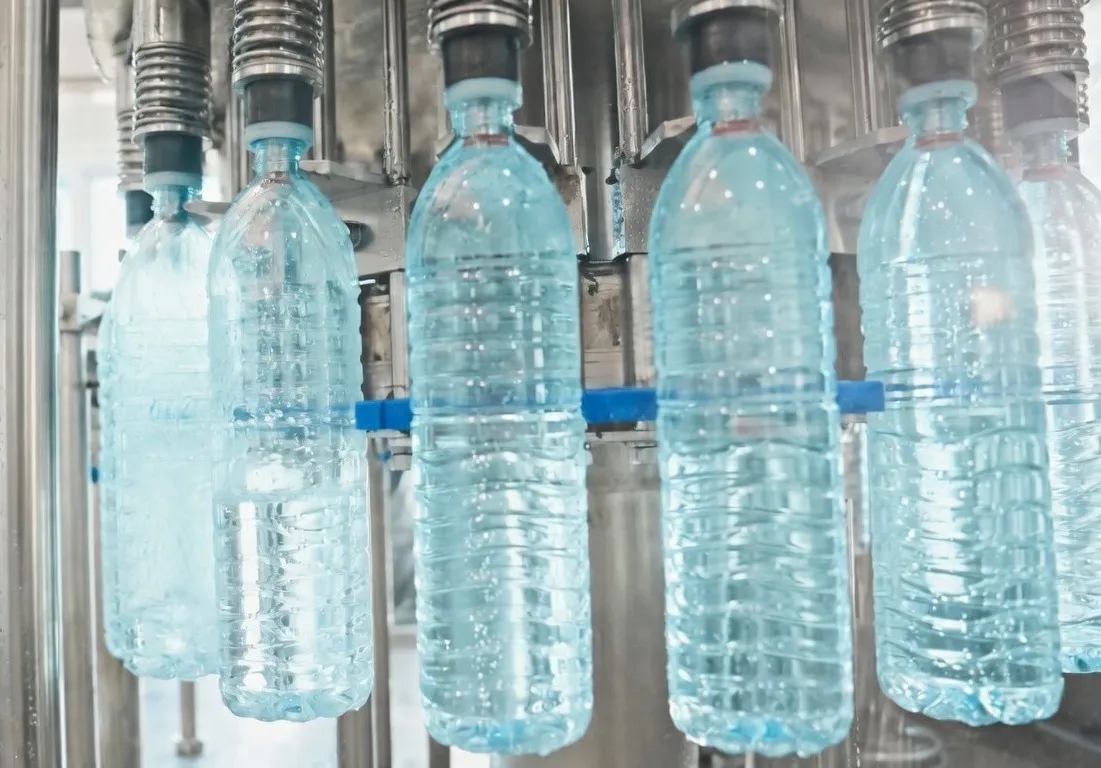
 Walk into any modern beverage plant — whether it’s a craft brewery in Yorkshire, a sparkling water bottling facility near Manchester, or a large-scale juice production line in the East Midlands — and compressed air is doing far more work than most people realise. It powers the stretch-blow moulding machines that turn small PET preforms into finished bottles, it controls the pneumatic valves that time every filling cycle, and in many lines it acts as the direct product contact medium that pushes liquid through nozzles. That last point matters enormously: the air that touches your product — even indirectly — has to be clean to a level that most generic industrial compressors simply cannot guarantee.
Selecting the right air compressor for beverage filling and bottle blowing is not a procurement checkbox — it is an engineering decision that affects product safety, line efficiency, energy costs, and regulatory compliance under UK Food Standards Agency guidelines and international BRC standards. A wrong choice here shows up in your cost-per-bottle figure, in contamination incidents, and in compressor downtime that stops the whole line. Over 18 years of working with food and beverage clients across Britain and Europe, we’ve seen what happens when facilities buy the wrong machine. This guide is written to prevent exactly that.
📧 Get a Quote — [email protected]
Our engineering team responds within 24 hours. Custom configurations available for all line speeds and bottle formats.
How Compressed Air Actually Works Inside a Beverage Production Line
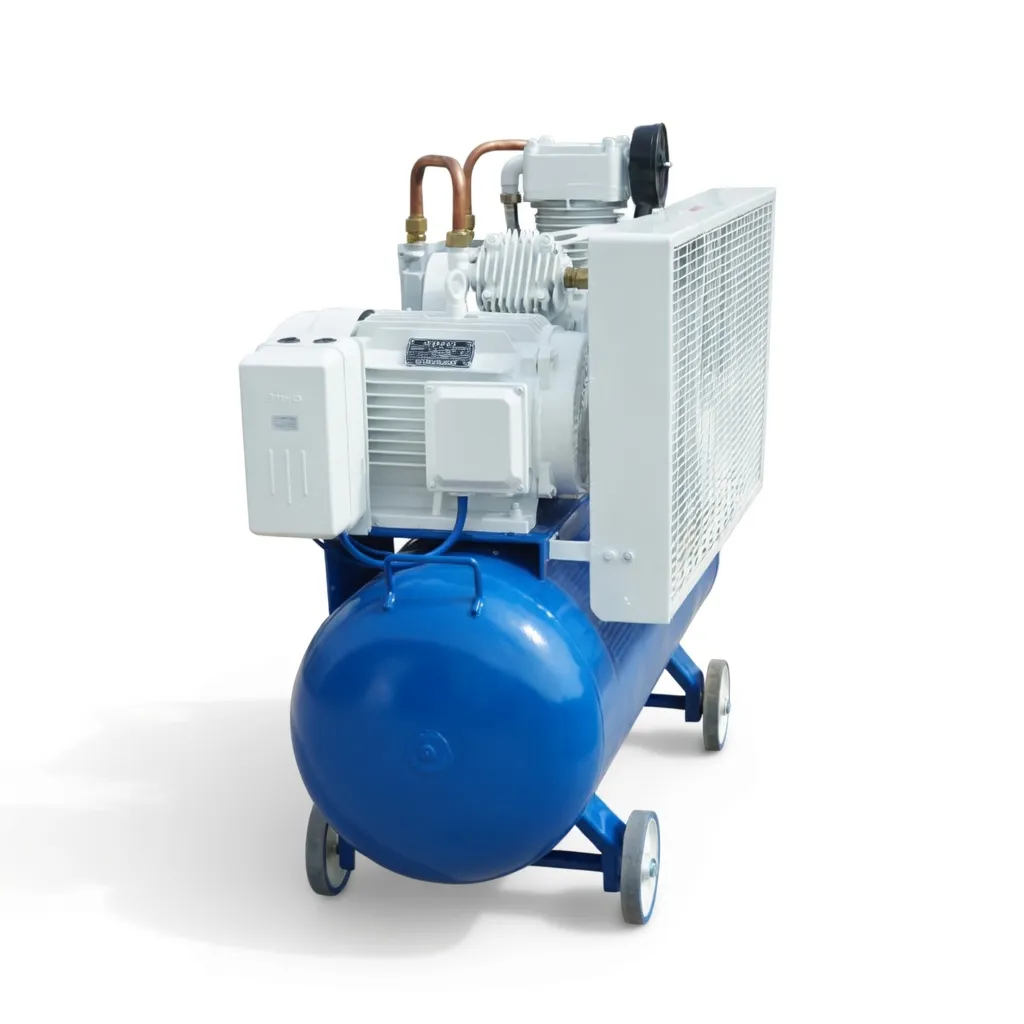 There are two fundamentally different compressed air roles in any beverage facility, and they demand very different technical solutions. The first is high-pressure blowing air, used exclusively in stretch-blow moulding (SBM) machines to inflate PET preforms into finished bottle shapes. This process typically requires pressures between 25 and 40 bar, delivered in precise timed bursts. The air enters the hot preform at high velocity, stretching it axially and radially against the mould cavity walls. If pressure is inconsistent — even by 1–2 bar — wall thickness distribution changes, bottles fail drop tests, or the neck ring distorts. The compressor feeding an SBM machine needs to be a purpose-built, high-pressure, oil-free reciprocating or booster unit, not a standard workshop compressor with a high-pressure head bolted on.
The second role is process and utility air at lower pressures — typically 6 to 10 bar — for pneumatic actuators, cap-sorting conveyors, rinsing stations, and filling valve controls. This air may not contact the product directly, but in rinse-fill-seal systems it absolutely does, which means oil-free specification and bacterial-grade filtration (particulate, oil vapour, and sterile) are still mandatory. Getting these two separate networks designed correctly — with appropriate ring mains, receiver sizing, pressure regulators, and dew-point monitoring — is where experience really counts.
Pressure Stability
Blow moulding demands ±0.5 bar tolerance at 25–40 bar. Pressure fluctuation causes bottle wall inconsistency and increased reject rates.
Oil-Free Compression
ISO 8573-1 Class 0 oil-free air is non-negotiable where compressed air contacts beverage product, packaging, or filling nozzles.
Energy Efficiency
Variable-speed drive (VSD) compressors reduce energy consumption by 30–50% in fluctuating-demand beverage lines compared to fixed-speed units.
Paramètres de performance technique
Typical specification ranges for Ever Power beverage-grade compressor systems
Six Core Application Scenarios in Beverage Production
The air compressor for beverage filling operations serves a surprising breadth of functions across a single production facility. Understanding each application is the foundation for specifying the right system — or the right combination of systems.
PET Bottle Blow Moulding
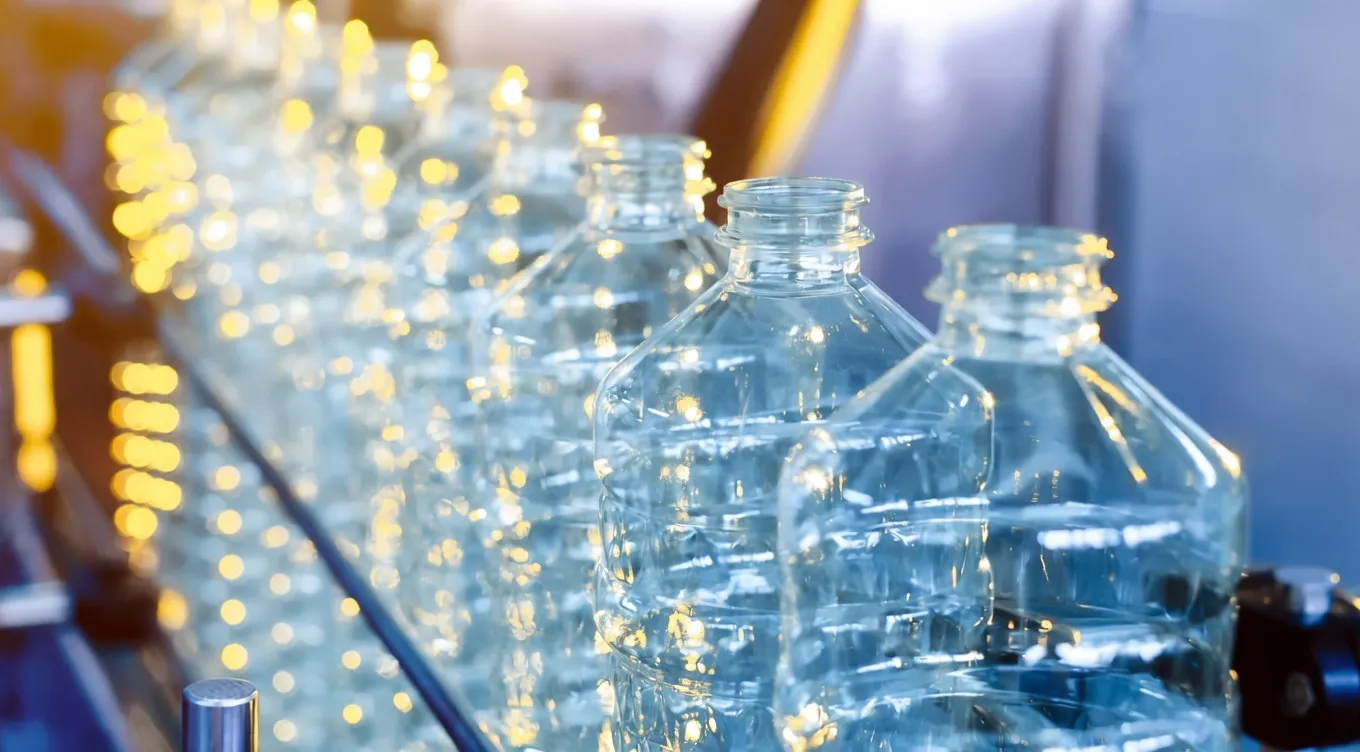
The highest-pressure application in any beverage plant. Compressed air at 25–40 bar inflates hot PET preforms into finished bottle shapes in under 2 seconds. Output quality depends entirely on air pressure consistency and zero-oil contamination of the mould cavity.
Pneumatic Filling Valve Control
Every filling head on a rotary filler is opened and closed by pneumatic actuators timed to the bottle carousel. Air quality and pressure stability here translate directly to fill accuracy and line speed. Even minor pressure drops cause overfill events and carbonated product foaming.
Bottle Rinsing & Drying
Pre-fill rinse stations use sterile compressed air or water-air combinations to remove dust and particulate from bottle interiors. Post-fill drying air ensures label adhesion and prevents cap-area corrosion on carbonated drinks. Both applications require bacteriological-grade air quality.
Cap Feeding & Capping Machines
Pneumatic cap orienters, cap elevators, and capping-head torque systems all consume compressed air continuously. While these are non-product-contact uses, they must still maintain clean dry air to prevent cap contamination and protect pneumatic component life.
CIP / Hygiene System Actuation
Clean-In-Place systems use compressed air to actuate diverter valves, pressure-test piping after cleaning cycles, and purge lines before production restart. Reliable, clean air supply is fundamental to maintaining BRC audit compliance across UK beverage facilities.
Label Application & Coding
High-speed labelling machines and inkjet coders depend on clean, stable compressed air to maintain print quality and label registration accuracy. Moisture or oil in the air stream causes adhesive failures, blurred coding, and costly rework on labelled product.
Why Ever Power Compressors Are Chosen by UK Beverage Manufacturers
Choosing a compressor for a beverage filling line means choosing a supplier who genuinely understands the food production environment. Not every industrial compressor manufacturer has spent time on the production floor of a UK bottling plant watching how compressed air actually behaves during a 16-hour production shift. We have. That direct production experience shapes every aspect of how our beverage-grade systems are engineered, from the sealing materials used in the compressor head to the way the monitoring display presents dew-point alarms to operators on the factory floor.
ISO 8573-1 Class 0 Certified
Zero detectable oil in compressed air output — verified by third-party test. The only acceptable standard for direct product-contact air in beverage filling.
VSD Drives as Standard
Variable-speed motors adapt output to real-time demand, cutting energy consumption by up to 45% compared to fixed-speed alternatives — reducing operating cost per 1,000 bottles significantly.
Integrated Smart Monitoring
Built-in Modbus/TCP-IP connectivity for SCADA integration. Real-time monitoring of pressure, temperature, dew point, and oil-carry-over sensors with alarm outputs to plant control systems.
Custom Engineering
Every system is configured to your specific line speed, bottle format, number of cavities, and production hours. We provide custom skid packages integrating compressor, dryer, filtration, and receiver.
UKCA & BRC-Ready Documentation
Full documentation packs including CE/UKCA declarations, food-safety risk assessments, and air quality test reports — formatted to support your BRC Global Standard audit submissions.
Low Maintenance Design
Extended service intervals of 4,000 hours (versus the 2,000-hour industry norm) reduce planned downtime costs and engineering labour for busy UK beverage production operations.
Customer Success Case: Thornbridge Drinks Group, Sheffield
Reducing Compressed Air Cost by 38% on a 12,000 BPH PET Filling Line
Thornbridge Drinks Group operates a 12,000 bottles-per-hour PET water and soft drink line out of their South Yorkshire facility. When they came to us in early 2023, they were running three ageing oil-lubricated compressors — two for low-pressure utility air and one high-pressure reciprocating unit that had been repeatedly modified to push above its original 30-bar design rating. The plant’s BRC auditors had flagged the oil-lubricated units as a food safety risk, and the high-pressure unit was delivering inconsistent blowing pressure causing a reject rate of approximately 2.3% on 500ml bottles — a figure that was costing roughly £47,000 per year in wasted preforms, resin, and downtime.
We conducted a full compressed air audit — measuring actual demand profiles, leakage rates (which accounted for 19% of total compressed air production), and pressure drop across their ring main. The recommendation was a two-compressor solution: a 90 kW oil-free VSD screw unit for utility air, paired with a purpose-built 55 kW three-stage oil-free high-pressure compressor to supply the SBM machines at a stable 38 bar. Both units were integrated on a custom steel skid with a combined refrigerant and desiccant dryer system, food-grade filtration rated to Class 0, and a single remote monitoring panel. Following commissioning, bottle rejects dropped to 0.4%, the BRC flagged issue was fully resolved, and total energy consumption for compressed air fell by 38% — saving over £31,000 per year on electricity alone.
What Our Customers Are Saying
“We’ve run two of their high-pressure oil-free units for nearly three years now without a single unplanned stop. The stability of blowing pressure transformed our bottle consistency, and the ongoing support from their UK technical team is genuinely outstanding.”
“When our BRC auditor identified our old lubricated compressor as a risk, we needed a solution fast. Ever Power’s team had a full audit report and equipment proposal to us within a week, and commissioning went completely smoothly. We passed our next audit with no air-quality observations at all.”
“The custom skid package was exactly what we needed — one supplier, one point of contact, fully pre-piped and pre-wired. It dropped straight into our utilities room with minimal installation time. The VSD on the low-pressure unit alone has reduced our air generation costs dramatically since commissioning.”
Factory Capabilities & Custom Compressor Engineering
No two beverage filling lines are the same. Bottle format varies from 250ml miniatures to 5-litre bulk containers; production schedules range from single-shift craft operations to 24/7 continuous runs; utilities connections differ across every site. This is why Ever Power operates a full custom engineering service, not just a catalogue sales model. Our manufacturing facility is equipped with CNC machining centres for compresseur head components, automated winding lines for motor production, and a dedicated test bay where every unit is run at full load before despatch — measuring performance against your specific pressure, flow, and air purity requirements before the machine leaves our factory.
Our custom product range for beverage applications covers bespoke high-pressure boosters designed for your exact blowing pressure and cavity count, integrated utility air skids sized to your total plant demand, combined high-pressure and low-pressure twin-skid packages for new factory installations, and retrofit solutions designed to drop in alongside your existing equipment without line relayout. We also provide complete compressed air system audits for UK beverage plants looking to benchmark their current energy and quality performance before making investment decisions. Every custom project is backed by a dedicated project engineering team and includes full documentation for BRC and UKCA compliance purposes.
Supplying Beverage-Grade Compressors Across the United Kingdom
Britain’s food and beverage manufacturing sector — from the bottling valleys of Wales and the dairy processing sites of Cheshire to the busy soft drink plants of Greater London and the distilleries of the Scottish Highlands — has increasingly specific needs from its compressed air suppliers. Post-Brexit UKCA certification requirements mean that any pressure equipment installed in a UK production facility must comply with domestic conformity assessment procedures, adding a documentation layer that international suppliers without UK presence sometimes struggle to meet. We handle this as a matter of standard practice for every machine supplied to a UK site.
UK beverage manufacturers face particular scrutiny under BRC Global Standards (Food Safety Issue 9), which includes specific requirements for food-contact compressed air. For plants in England, Scotland, Wales, and Northern Ireland seeking to maintain or achieve higher BRC grades, the air purity documentation and risk assessment support we provide as part of every system delivery makes a meaningful difference at audit time. Whether you are based in Birmingham, Leeds, Glasgow, Cardiff, or Belfast — our engineering support and spare parts supply chain is structured to keep your production running without extended wait times for technical assistance or service parts.
Foire aux questions
Real questions from UK beverage manufacturing engineers and procurement teams
Ready to Specify Your Beverage Compressor System?
Tell us your line speed, bottle format, site location, and current compressed air setup. Our engineering team will prepare a tailored technical and commercial proposal — typically within 24 hours.
édité par gzl