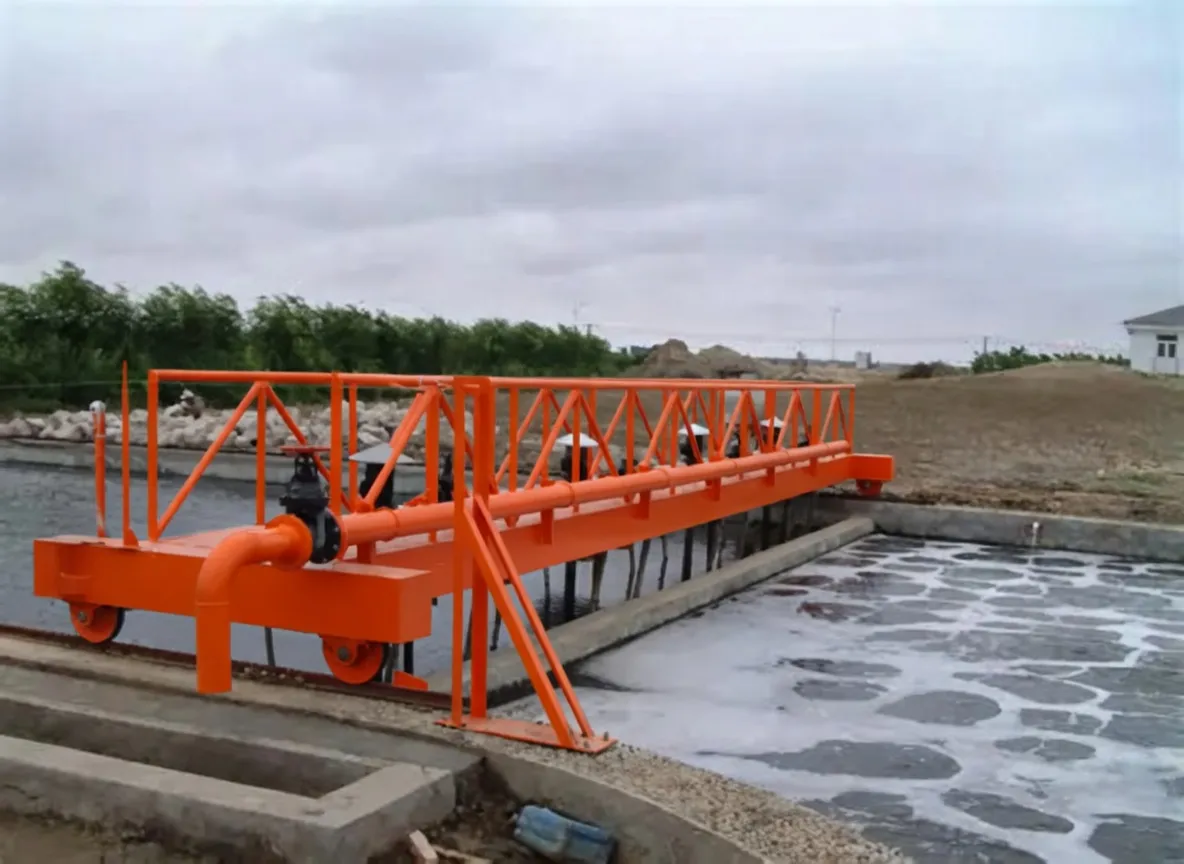
 Walk into the aeration hall of any modern British wastewater treatment plant and you will hear it immediately — the steady, rhythmic hum of blowers pushing compressed air into millions of litres of settled sewage. That air is not incidental. It is the lifeblood of biological treatment. Without a reliable, contamination-free supply of low-pressure compressed air, the microorganisms in the activated sludge tanks simply cannot do their job, and the entire treatment chain collapses. What has changed dramatically in recent years is which type of machine delivers that air — and why water companies and industrial operators across England, Scotland and Wales are switching to oil-free air compressor technology at an accelerating pace.
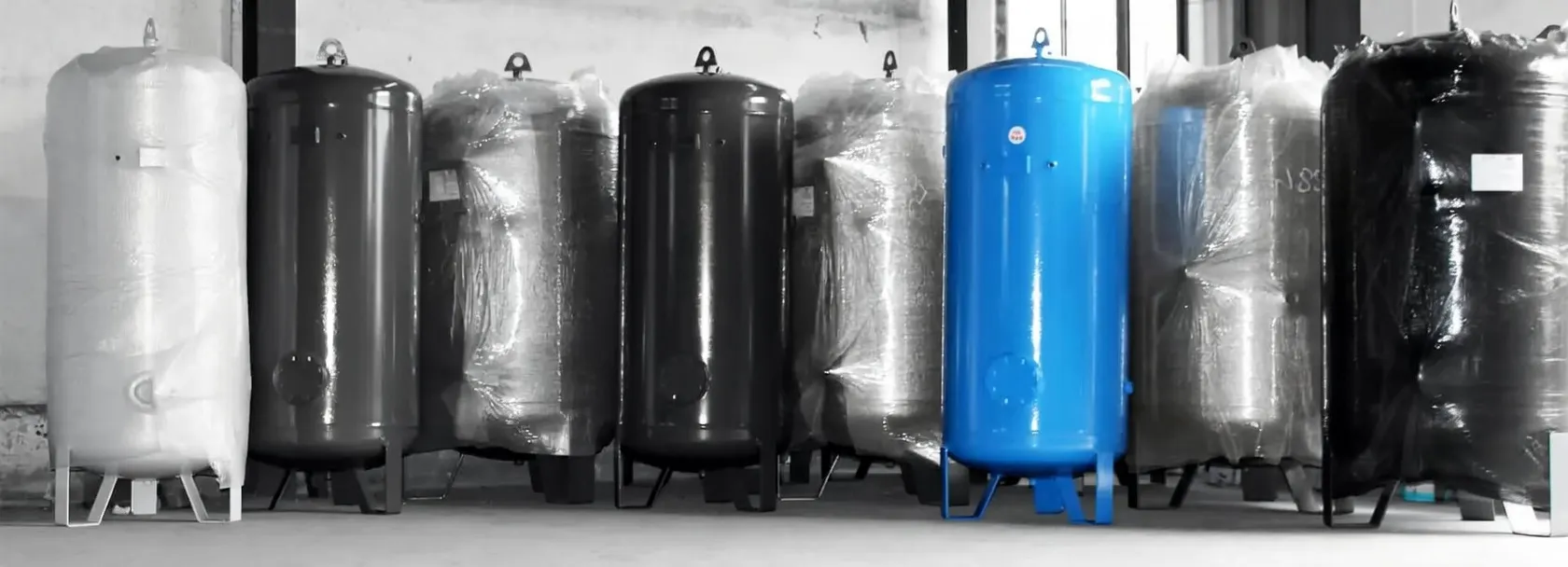
The traditional workhorse — the oil-lubricated Roots blower — served the industry for decades. It is robust, mechanically simple, and engineers understand it intuitively. Yet it carries a fundamental liability: lubricating oil inevitably migrates into the discharged airstream. Even with downstream filtration, trace oil reaches the aeration basin, forming a thin film on the water surface that suppresses oxygen transfer and coats biomass carriers in membrane bioreactor (MBR) systems. Over time this leads to reduced biological activity, higher BOD (biochemical oxygen demand) in the final effluent, and the uncomfortable possibility of a compliance failure with Environment Agency discharge consents. The oil-free air compressor — whether in oil-free screw, turbo-blower, or high-speed centrifugal configuration — removes that risk entirely, delivering Class 0 air (per ISO 8573-1) to the process without compromise.
How Biological Aeration Actually Works — And Why Air Purity Matters
In the activated sludge process — the dominant biological treatment method used at the vast majority of UK sewage treatment works — raw settled wastewater enters large open tanks filled with a dense suspension of aerobic microorganisms. These bacteria metabolise dissolved organic compounds (measured as BOD or COD), converting pollutants into carbon dioxide, water, and more biomass. The critical input is oxygen. Without a continuous, adequately pressurised supply of air, dissolved oxygen (DO) levels in the basin drop within minutes, bacteria shift to anaerobic metabolism, and the treatment process fails.
Low-pressure compressed air — typically delivered at 0.5 to 1.0 bar(g) — is pushed through fine-bubble membrane diffusers installed at the base of the aeration tanks. These diffusers convert the compressed airstream into millions of tiny bubbles, maximising the air-water contact area and thus oxygen transfer efficiency (OTE). The oil-free air compressor is the source machine that pressurises and delivers this airstream. Any oil contamination in the air breaks down the PTFE or EPDM membrane diffuser material over time, reduces bubble-release efficiency, and — critically — deposits hydrophobic oil films onto the biomass, physically inhibiting the bacterial activity that the entire system depends upon. Modern OFWAT regulations and Environment Agency discharge consents in England and Wales leave no room for such performance degradation.
Fine-Bubble Diffusion
Oil-free air preserves diffuser membrane integrity, sustaining Standard Oxygen Transfer Efficiency (SOTE) above 28% per metre of submergence throughout the diffuser lifecycle.
Variable Speed Drive
Integrated VSD control matches airflow precisely to real-time DO demand, cutting average power consumption by 20–35% versus fixed-speed Roots blowers running at constant throughput.
Zero Secondary Pollution
ISO 8573-1 Class 0 certification means no oil mist reaches the water body — an essential requirement for compliance with Environment Agency effluent quality standards.
Parámetros de rendimiento técnico
Ever Power oil-free aeration blower range — typical specification for municipal wastewater duty in the United Kingdom
| Parámetro | Oil-Free Screw Blower | Centrifugal Turbo-Blower | Traditional Roots Blower |
|---|---|---|---|
| Operating Pressure Range | 0.3 – 1.5 bar(g) | 0.4 – 1.0 bar(g) | 0.3 – 0.8 bar(g) |
| Flow Rate Capacity | 100 – 5,000 m³/h | 500 – 20,000 m³/h | 200 – 8,000 m³/h |
| Air Quality Class | ISO 8573-1 Class 0 | ISO 8573-1 Class 0 | Class 3–5 (oil present) |
| Specific Power (kW per 1000 m³/h at 0.6 bar) | 13.5 – 16.0 kW | 11.0 – 14.5 kW | 18.0 – 24.0 kW |
| Noise Level (at 1 m) | 68 – 74 dB(A) | 65 – 72 dB(A) | 80 – 92 dB(A) |
| Oil Carry-Over in Air | 0.000 mg/m³ | 0.000 mg/m³ | 0.5 – 5.0 mg/m³ |
| VSD Control | Standard | Standard | Retrofit only |
| Planned Maintenance Interval | 4,000 – 8,000 h | 8,000 – 16,000 h | 2,000 – 4,000 h |
Why UK Water Utilities Are Choosing Oil-Free Aeration Blowers
The case for upgrading is not simply a matter of environmental conscience — it is driven by hard operational economics and tightening regulatory pressure. Thames Water, Severn Trent, United Utilities, and Anglian Water have all published net-zero roadmaps committing to dramatic reductions in energy intensity across their asset bases. Aeration typically accounts for 50–60% of a wastewater treatment works’ total electricity consumption, which makes blower efficiency the single largest lever available to site engineers seeking to reduce both cost and carbon footprint.
Energy Cost Reduction >20%
Independent audits across multiple UK sites consistently demonstrate that replacing aged Roots blowers with VSD-controlled oil-free screw blowers delivers energy savings between 20% and 38% annually. At today’s UK electricity prices, this translates directly into six-figure annual savings for medium and large STWs.
Regulatory Compliance Assurance
The Environment Agency’s tightening of discharge consent thresholds — particularly for BOD, ammonia, and phosphorus — makes treatment process reliability non-negotiable. Class 0 oil-free air guarantees that no aeration-side contamination events compromise biological performance, protecting operators from costly enforcement notices and permit reviews.
Lower Lifecycle Maintenance Cost
Oil-free screw and centrifugal blowers carry no oil-circuit components — no oil coolers, no oil separators, no oil filters. Maintenance intervals stretch to 8,000–16,000 operating hours in centrifugal configurations, cutting planned maintenance visit frequency and unplanned breakdown risk substantially compared with traditional lubricated machines.
Smart DO-Linked Control
Modern oil-free aeration blowers integrate directly with SCADA systems via Modbus, PROFIBUS, or Ethernet/IP. Dissolved oxygen probes in the basin feed real-time signals to the blower VSD controller, continuously optimising airflow to match biological oxygen demand — further suppressing energy waste during low-load periods overnight and at weekends.
Wastewater Aeration Applications Across the UK
The versatility of the oil-free air compressor means it covers the full spectrum of biological treatment configurations found across the United Kingdom’s water sector. From small rural package plants serving a few hundred population equivalent (PE) to the largest urban STWs treating tens of millions of litres per day, the underlying requirement is always the same: a clean, reliable, variable-volume supply of compressed air that can respond dynamically to fluctuating load conditions through the diurnal flow cycle.
Materials, Construction & Working Principle
The oil-free screw blower achieves its contamination-free output through a fundamentally different design philosophy to its lubricated counterpart. Male and female rotor profiles — precision-machined from high-grade aluminium alloy or stainless steel — are coated with PTFE or ultra-fine ceramic thermal spray coatings that provide the necessary running clearances without any oil-wetted sealing surfaces. Timing gears synchronise rotor rotation to sub-micron accuracy, maintaining compression-side clearances measured in thousandths of a millimetre. The result is an internal air compression cycle that never contacts oil — at any point along the airflow path from inlet filter to discharge manifold.
High-speed centrifugal turbo-blowers operate on a different principle — dynamic compression through an impeller spinning at 15,000–50,000 rpm on magnetic or air bearings, again entirely eliminating oil from the compression process. The magnetic bearing design removes all mechanical contact between rotating and stationary components, making these machines extraordinarily quiet and vibration-free compared with positive displacement alternatives. For large UK municipal works handling 50,000–500,000 PE, the turbo-blower’s combination of high flow capacity, very high efficiency at full load, and exceptional air purity makes it the preferred specification of major consulting engineers including Atkins, Jacobs, and Stantec on current AMP8 frameworks.
Rotor Material
7075-T6 aluminium alloy or 316L stainless steel, PTFE / ceramic thermal spray coated to Ra <0.4 µm
Casing
High-pressure die-cast GJL-250 grey iron with integral cooling fins and epoxy powder-coat finish to BS EN 13240
Bearings
Angular contact ball bearings (grease-lubricated, isolated from airpath) or active magnetic bearings (AMB) in centrifugal variants
Drive System
IE4 permanent magnet motor with integrated VSD, IP55 enclosure (IP65 option), Class F insulation, 50 Hz / 400 V three-phase supply
Controls & Communications
Onboard PLC with 7-inch colour HMI touchscreen; Modbus RTU/TCP, PROFIBUS-DP, Ethernet/IP, 4–20 mA DO signal input standard
Customer Success: Anglian Water — Peterborough STW Upgrade
Case Study · East Midlands, England · Municipal Water Sector
The Peterborough Stanground STW serves approximately 180,000 PE across the city and surrounding Cambridgeshire districts. The existing blower house contained four ageing oil-lubricated Roots blowers installed during the AMP4 period, operating at fixed speed on a step-control strategy that wasted substantial energy during off-peak hours. Dissolved oxygen readings in the secondary treatment lanes regularly exceeded 3.0 mg/L overnight — a classic sign of gross over-aeration — whilst oil carry-over was causing progressive fouling of the ceramic fine-bubble diffuser panels installed in 2019 at significant capital cost.
Ever Power supplied four oil-free screw blowers with integrated IE4 PM motors and VSD control, sized for 2,200 m³/h each at 0.65 bar(g) with 40% turndown capability. SCADA integration with the existing Siemens PCS7 system allowed direct DO-cascade control. Following 12 months of operational data collection, the site recorded a 31% reduction in blower hall electrical consumption — saving the equivalent of 420 tonnes of CO2 per year and over £180,000 in electricity costs. Diffuser fouling rates dropped to negligible levels, extending the projected membrane replacement interval from 5 years to over 10 years.
31%
Energy saving achieved
£180k
Annual electricity savings
420 t
CO2 reduction per year
What Our Customers Say
❝
We had real reservations about moving away from Roots blowers — the team knew them inside out. But the performance data from the first winter quarter convinced everyone. The DO control is night and day compared with what we had before, and the noise reduction in the blower house is significant. Our operators are genuinely pleased.
— Process Engineer, Severn Trent Water · West Midlands STW
❝
Our MBR membranes were fouling at a rate that made the system economics borderline. Since specifying Ever Power oil-free blowers for both biology and membrane scouring, the fouling rate has dropped dramatically. We are now projecting membrane life well beyond the original design basis. The payback on the blower investment has been under three years.
— Site Manager, Industrial ETP Operator · Yorkshire, England
❝
The procurement process was straightforward and Ever Power’s technical team were very knowledgeable — they understood our SBR cycle parameters and sized the blowers appropriately for both aerobic and anoxic phases. Delivery to site in Scotland was quicker than expected, and commissioning was completed within a single day per unit. I would recommend them without hesitation for rural package plant upgrades.
— Contracts Manager, Water Treatment Contractor · Scotland
Ever Power: Bespoke Oil-Free Blower Solutions for the UK Water Industry
Ever Power operates a modern manufacturing facility equipped with 5-axis CNC machining centres, precision rotor grinding lines, and a fully instrumented performance test rig calibrated to BS EN ISO 1217 and ISO 5167 standards. Our engineering team works from the first contact with UK clients to understand the specific hydraulic conditions — tank depth, diffuser submergence, pipe network pressure drop, and control philosophy — before issuing a formal quotation. This is not a catalogue-selection process. Every aeration blower package leaving our factory is sized, configured, and performance-tested against the actual site duty point.
Our product customisation capability extends well beyond standard model variants. We regularly manufacture bespoke rotor profiles for non-standard pressure ratios, fabricate stainless steel casing assemblies for aggressive leachate and industrial effluent environments, supply ATEX Zone 1 and Zone 2 certified configurations for landfill sites and chemical plants, and integrate third-party DO sensor interfaces into our standard controller platform. For UK framework agreements and AMP8 capital delivery programmes, we offer dedicated project management, on-site commissioning support from our British-based service engineers, and 24/7 remote monitoring connectivity as standard.
Ready to Upgrade Your Aeration System?
Tell us your flow rate, discharge pressure, and basin configuration. Our engineers will return a full technical proposal and indicative pricing within 48 hours — with no obligation whatsoever.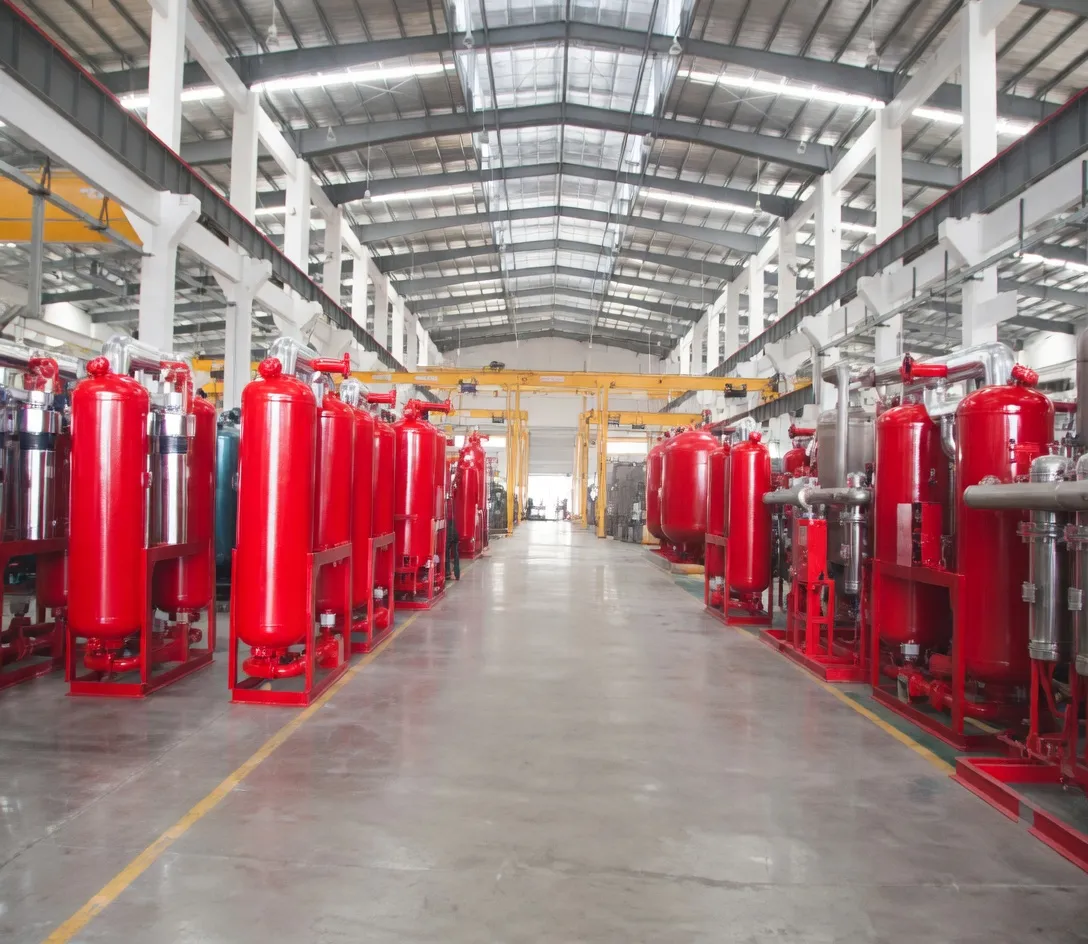
Preguntas frecuentes
Ever Power Industrial — Oil-Free Aeration Solutions
Supplying oil-free screw and centrifugal blowers to the UK water industry. Bespoke engineering. Competitive pricing. UK-based commissioning support.
Editado por gzl