Oil-Free Technology · Cold Chain · Controlled Atmosphere Storage
Oil-Free Air Compressor for CA Storage: How UK Cold Chain Operators Protect Nitrogen Generators, Pass BRCGS Audits, and Extend Produce Shelf Life
From apple orchards in Kent to large-scale logistics hubs serving Britain’s major supermarket groups — the air compressor feeding your CA nitrogen generator is more critical than most operators realise.
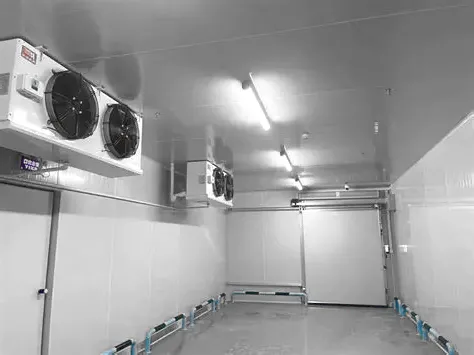 Controlled atmosphere (CA) storage has become one of the most commercially important post-harvest technologies in the British fresh produce sector. By precisely maintaining oxygen concentrations as low as 1–2%, elevating carbon dioxide to between 2% and 8%, and keeping these levels stable throughout a storage season that can run from late September through to May, CA stores dramatically slow the cellular respiration of apples, pears, root vegetables, and soft fruit — extending marketable shelf life well beyond what conventional refrigeration alone could achieve. For a Herefordshire apple grower supplying a major retailer on year-round terms, a well-managed CA store can be the difference between a commercially viable season and a catastrophic postharvest loss event.
At the mechanical heart of every CA installation sits a nitrogen generator — either a pressure swing adsorption (PSA) unit loaded with carbon molecular sieve beds, or a hollow-fibre membrane separator. Both technologies convert compressed air into high-purity nitrogen on-site, and both are extraordinarily sensitive to contamination at their compressed air inlet. Specifically, they cannot tolerate oil. A single oil-flooded rotary screw compressor upstream of a PSA generator — even with multiple coalescing filter stages — introduces a degree of oil aerosol and vapour that, over time, permanently degrades the sieve material, collapses membrane fibre performance, and ultimately compromises the food safety integrity of the entire store. That is precisely why an oil-free air compressor has become the non-negotiable specification standard for CA storage projects across the United Kingdom.
✉ Request a Free Technical Quote
UK cold chain specialists respond within 4 business hours · Tailored specification for your nitrogen generator & store capacity
The Technical Chain from Compressor to Cold Room — And Why Each Link Matters
Understanding where an oil-free air compressor fits within a complete CA storage system
🌬️
1 — Atmosphere Modification
A sealed CA chamber replaces a proportion of the ambient atmosphere with nitrogen, pulling O₂ from the natural 21% down to the protocol target — often 1–3% for top fruit varieties such as Cox, Gala, and Conference. Carbon dioxide is simultaneously managed, either rising naturally through respiration or being actively scrubbed. This dual-gas control is what differentiates CA storage from simple refrigeration and delivers the extended shelf life that makes year-round supply contracts commercially viable.
⚙️
2 — On-Site Nitrogen Generation
Nitrogen is generated on-site either by a PSA unit — which cycles compressed air through twin towers of carbon molecular sieve material that selectively adsorbs oxygen — or by a hollow-fibre membrane module that exploits differential gas permeability. PSA systems typically deliver nitrogen purities of 97–99.999% depending on configuration, while membrane generators are more suitable for lower-purity, higher-flow applications. Both consume compressed air continuously at 6–10 bar and are critically sensitive to oil contamination entering the inlet stream.
💧
3 — Air Treatment After Compression
Even with an oil-free air compressor installed, the air treatment train matters. A refrigerant dryer to achieve a pressure dew point of −20°C or lower removes bulk moisture that would otherwise accelerate molecular sieve degradation. A coalescing pre-filter and a particulate dust filter complete the treatment package. Together, this train delivers ISO 8573-1 Class 0 for oil and Class 2 or better for moisture — the quality specification that nitrogen generator manufacturers require and that BRCGS food safety auditors expect to see evidenced in operator documentation.
📊
4 — Continuous Atmosphere Monitoring
Modern CA stores use paramagnetic O₂ analysers and infrared CO₂ sensors with automatic top-up controls. When ambient O₂ creeps upward through door leakage or respiration imbalance, the control system calls on the nitrogen generator — and therefore the oil-free air compressor — to produce a correction dose of nitrogen. The compressor must therefore maintain consistent flow and pressure throughout a storage season that, for a British apple store, can represent nine continuous months of duty. Reliability during this period is not negotiable.
Five Consequences of Using an Oil-Lubricated Compressor in a CA Storage System
Why operators who switch to oil-free technology never go back
🚫
Molecular Sieve Poisoning
Oil aerosols coat the carbon molecular sieve granules, permanently blocking the angstrom-scale micropores that selectively adsorb oxygen. Once the CMS beds reach saturation point, nitrogen purity falls below the 99% threshold required by most CA protocols, the store atmosphere cannot be maintained, and the sieve material — costing several thousand pounds per tower — cannot be regenerated by thermal cycling alone. It must be replaced, typically mid-season.
🧵
Membrane Fibre Swelling
Hollow-fibre membrane modules are manufactured from polysulfone or polyimide polymer bundles. Synthetic ester-based compressor oils — including those marketed as food-grade lubricants — cause the polymer chains to swell and fuse. Permeability decreases, the oxygen-to-nitrogen selectivity ratio collapses, and the membrane bundle requires complete replacement. Unlike a CMS bed, a contaminated membrane module gives no warning before failure — purity can drop suddenly over a single duty cycle.
🍎
Direct Food Contamination Risk
Any residual oil that bypasses the nitrogen generator enters the store atmosphere directly. In a sealed CA room holding hundreds of tonnes of top fruit, this represents a direct food contact contamination pathway. Under the Food Safety Act 1990 and retained EU Regulation 852/2004, the operator faces potential prosecution, mandatory product recall, retailer delisting, and reputational damage that a single season’s revenue cannot recover. Oil-free compressed air eliminates this pathway entirely, not partially.
💸
Costly Mid-Season Failures
Emergency replacement of a contaminated PSA bed or membrane module typically costs between £8,000 and £30,000 in parts alone, before accounting for emergency call-out labour and — critically — the commercial value of produce in a store that has come out of controlled atmosphere while the repair is conducted. A 1,000-tonne apple store coming out of atmosphere in February, with peak market prices still months away, represents a revenue loss that no maintenance budget anticipates and no insurance policy fully covers.
📋
Audit & Certification Failure
BRCGS Food Safety Issue 9, Section 4.5.2, explicitly requires that compressed air in direct or indirect contact with food, food contact surfaces, or food-adjacent equipment meets ISO 8573-1 Class 1 quality or better for oil content — making Class 0 the only defensible specification. A BRCGS audit identifying oiled compressed air feeding a CA nitrogen generator will result in a critical non-conformance, potentially suspending certification and with it the operator’s contracts with Tesco, Sainsbury’s, M&S, and other BRCGS-aligned retail customers.
Technical Performance Data: Ever Power Oil-Free Compressor Range for CA Storage
Standard range — custom specifications available for non-standard flow rates, low-ambient plant rooms, and OEM integration
| Parameter | EP-OFD-7 | EP-OFD-15 | EP-OFD-22 | EP-OFD-37 | EP-OFD-55 |
|---|---|---|---|---|---|
| Motor Power (kW) | 7.5 | 15 | 22 | 37 | 55 |
| Free Air Delivery (m³/min @ 8 bar) | 0.85 | 1.85 | 2.80 | 4.60 | 7.20 |
| Working Pressure Options (bar) | 7 / 8 / 10 (configurable) | ||||
| Oil Content — Outlet Air | ISO 8573-1 Class 0 (≤ 0.01 mg/m³) | ||||
| Compression Technology | Dry Scroll (7.5–22 kW) / Oil-Free Twin-Screw (37–55 kW) | ||||
| Cooling Method | Air-Cooled (standard) / Water-Cooled (option) | ||||
| Noise Level dB(A) @ 1 m | 62 | 65 | 67 | 68 | 70 |
| Drive | Direct Drive with IE3 Premium Efficiency Motor | ||||
| Control System | PLC + Colour Touch HMI, Modbus TCP/RTU, SCADA-ready | ||||
| Ambient Operating Range | −5°C to +45°C (low-ambient cold store models available) | ||||
| Certificering | CE / UKCA · ISO 9001:2015 · ISO 8573-1 Class 0 Verified · PSSR 2000 Compliant | ||||
Where UK Operators Are Deploying Oil-Free Compressors in CA and Modified Atmosphere Systems
Across British agriculture, cold chain logistics, and food processing — six sectors where ISO Class 0 air quality is not optional
🍏
Apple & Pear CA Stores — Kent, Herefordshire, Worcestershire
Britain’s top-fruit heartlands operate some of the most sophisticated CA installations in Europe. A Bramley store in Herefordshire running a 1% O₂ / 5% CO₂ protocol from September to April needs a nitrogen generator capable of initial pull-down from 21% O₂ in under 72 hours, plus continuous make-up against leakage throughout the season. An oil-free air compressor in the 15–22 kW range paired with a 20–50 Nm³/h PSA generator is the standard specification for a 1,000–2,000 tonne single-room installation, and the investment is frequently recovered within two commercial seasons through extended sales windows and reduced postharvest losses.
🥔
Potato Long-Term Storage — Lincolnshire, Yorkshire
Large-scale potato stores in the East Midlands and North Yorkshire are increasingly adopting nitrogen flushing during critical temperature transition periods to suppress sprouting and control sugar accumulation in processing varieties. Facilities handling 5,000 tonnes or more typically specify oil-free compressors in the 37–55 kW range, supplying a membrane nitrogen generator in a duty-and-standby configuration to ensure no single point of failure. The very low ambient temperatures in potato store plant rooms — often below 8°C in winter — make a low-ambient-rated compressor package essential, and this is one area where a manufacturer with genuine custom engineering capability delivers measurable advantages over catalogue-only distributors.
🫐
Soft Fruit & MAP Packing Lines — Scotland, East Anglia
Blueberry, raspberry, and strawberry packing operations in Tayside and Suffolk use modified atmosphere packaging (MAP) technology to flood retail punnets with a calibrated gas mix — typically 60–80% nitrogen balanced with CO₂ and residual O₂ — before heat-sealing. The nitrogen for MAP sealing gas is drawn from on-site generators supplied by compact oil-free scroll compressors in the 7.5–15 kW range. Because MAP gas makes direct contact with loose fruit in the package, ISO 8573-1 Class 0 air quality upstream of the generator is absolutely mandatory, and a product recall triggered by oil contamination of MAP gas would be commercially devastating for any packing house.
🏭
Cold Chain Logistics Hubs — Midlands M1 Corridor, Home Counties
Multi-temperature 3PL logistics centres near the Midlands motorway corridor routinely include CA chambers for high-value imported avocados, citrus, and exotic fruit arriving through Felixstowe or Tilbury. These facilities typically run multiple oil-free compressors in a parallel ring-main configuration with duty-assist-standby switching managed by central BMS. The requirement for a fully documented compressed air quality management programme — monthly inline oil monitoring, annual ISO 8573-1 testing, and filter change records — is now standard in retailer supply chain audits, and an oil-free compressor eliminates the single largest compliance risk in one decision.
🧅
Onion & Garlic — East Anglia, Lancashire, Yorkshire
CA technology is gaining significant traction in the allium sector, where low-oxygen atmospheres measurably reduce internal breakdown, neck rot incidence, and sprouting losses in long-term storage. Growers in Cambridgeshire and the Fylde coast are retrofitting conventional refrigerated stores with CA infrastructure, and oil-free compressors typically form a key element of the retrofit specification alongside upgraded door sealing, acoustic baffling, and increased nitrogen generation capacity. The smaller store capacities common in allium operations — often 500–1,500 tonnes — make the 15 kW and 22 kW compressor models particularly relevant.
🚢
CA Reefer Container Filling — UK Ports & Export Depots
UK exporters shipping fresh produce in CA-equipped reefer containers to markets across the Middle East, Far East, and West Africa use shore-based nitrogen generation stations to condition the container atmosphere before departure. These filling stations require sustained high-flow, oil-free compressed air — often from 37 or 55 kW compressors operating on a continuous-duty cycle through the autumn and winter export season. A compressor failure at a container filling station during peak season can delay departures, compromise produce quality, and trigger penalty clauses in export contracts. Reliability and after-sales support matter as much as the initial specification here.
Customer Success: Longmead Fresh Produce, Golden Valley, Herefordshire
A complete CA compressed air upgrade — from BRCGS non-conformance to clean audit in one season
Case Study · Herefordshire · Top Fruit CA Storage
From Critical BRCGS Observation to Clean Audit: Six Weeks of Additional Storage Revenue Per Season
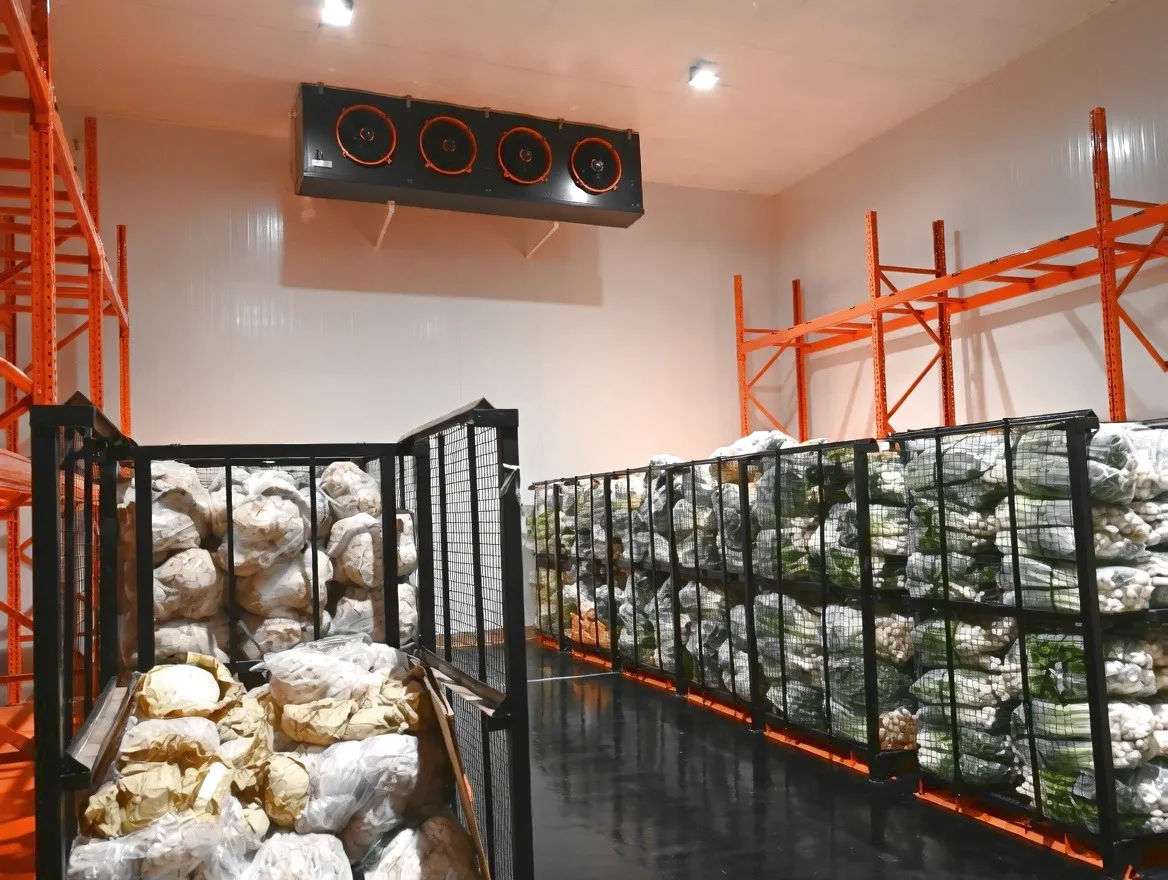
Longmead Fresh Produce operates four CA store chambers with a combined capacity of 3,800 tonnes of Cox, Gala, and Bramley apples in the Golden Valley area of Herefordshire. Before engaging with Ever Power, the facility ran a pair of oil-flooded rotary screw compressors with a three-stage filtration package — coalescing pre-filter, activated carbon adsorber, and submicron dust filter — between the compressors and the PSA nitrogen generator. The rationale was that aggressive filtration would adequately protect the molecular sieve beds from oil contamination.
Despite the investment in filtration, quarterly inline oil monitoring consistently returned readings of 0.08–0.12 mg/m³ at the nitrogen generator inlet — well above the ISO 8573-1 Class 0 threshold of 0.01 mg/m³. The root cause was oil carryover from aged compressor shaft seals combined with oil vapour that bypassed the adsorber at elevated inlet temperatures during summer. The BRCGS auditor flagged this as a critical observation during the 2022 annual audit, noting that compressed air quality documentation did not demonstrate compliance with Section 4.5 of the standard.
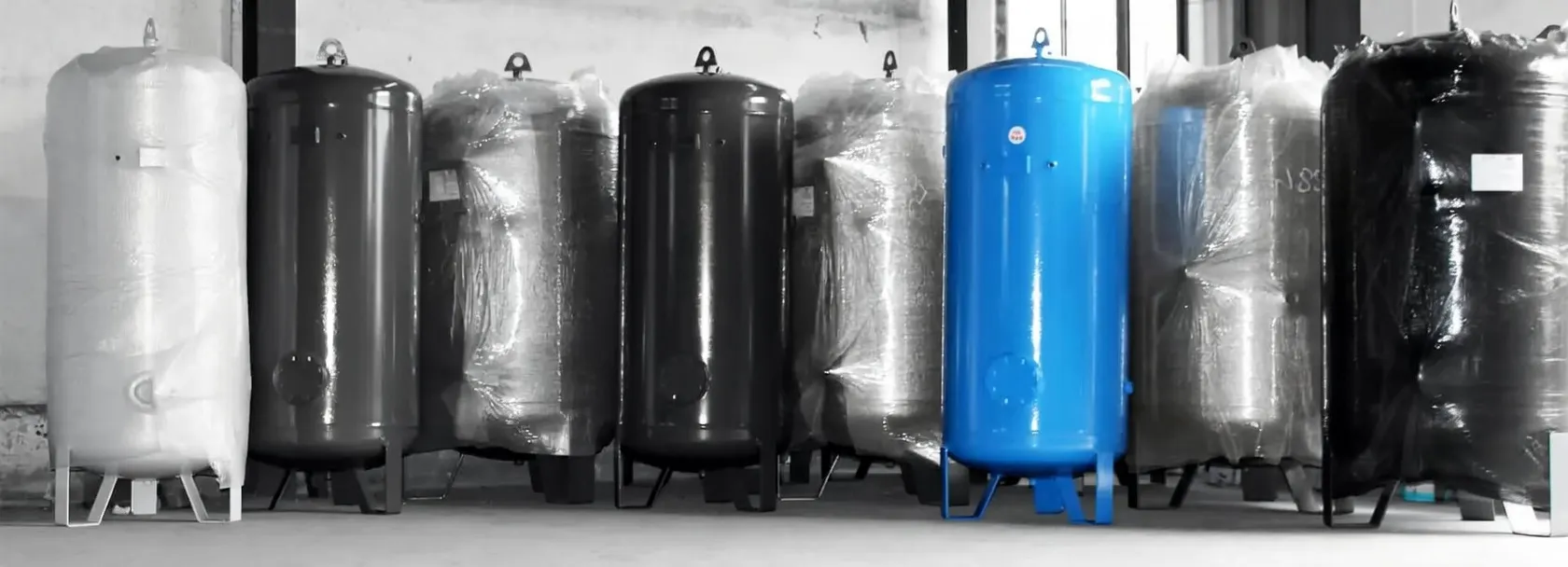
Ever Power’s UK applications team conducted a site survey in March 2023, reviewing the nitrogen generator manufacturer’s inlet air specification, the plant room ambient temperature range (which dropped to 4°C in January), and the existing pipework layout. A twin-set installation of EP-OFD-22 dry oil-free scroll compressors — each with an integrated refrigerant dryer, pressure dew point sensor, coalescing filter, and 500-litre receiver — was specified in a duty-assist-standby configuration with automatic changeover. Installation was completed in July 2023, five weeks ahead of the first autumn CA intake. The 2023–24 season was the first in six years during which the facility achieved a clean BRCGS audit result with zero non-conformances relating to compressed air quality, and the extended season added an estimated six weeks of additional premium market availability for the Bramley crop.
Project Results
+6 weeks
Extended Bramley marketing window
Class 0
ISO 8573-1 oil level from Day 1
Zero
Non-conformances at 2024 BRCGS audit
~18 mo.
Estimated full payback period
What UK Cold Chain Professionals Say About Ever Power Oil-Free Technology
“We had been fighting that oil reading for three seasons and getting nowhere with more filtration. Switching to the Ever Power oil-free units resolved it completely. The first BRCGS audit after installation came back totally clean on compressed air quality, and the PSA beds have had no maintenance issues since changeover. I wish we had done it two years earlier.”
James R., Operations Director
Longmead Fresh Produce, Hereford
★★★★★
“We specified Ever Power oil-free compressors for a new-build 2,400-tonne CA store in Lincolnshire last year. The technical support through the specification process was genuinely impressive — they understood our nitrogen generator requirements and sized the compressor output accurately without over-specifying. Commissioning was smooth and the system has run through a full potato storage season without a single issue.”
Simon H., Project Engineer
Cold Store Specialists Ltd, Lincolnshire
★★★★★
“As a CA systems consultant working with growers across East Anglia and the East Midlands, I’ve been recommending Ever Power oil-free compressors for over two years. The Class 0 certification documentation, the PLC controls with SCADA capability, and the pricing — which is genuinely competitive against Western European alternatives — make them a strong specification choice. Lead times to the UK have also been consistently reliable.”
Mark B., CA Systems Consultant
Independent, Cambridge
★★★★★
Ever Power: Direct Manufacturer with Full Custom Engineering for UK CA Projects
We manufacture — we do not resell. That distinction matters when your project has specifications a catalogue cannot meet.
Most air compressor distributors supply from fixed product ranges and offer limited scope for modification. Ever Power’s UK business operates as a direct extension of the manufacturing facility, which means that non-standard requests — a compressor package built for a plant room where ambient temperature drops to −5°C in January, a system requiring Profibus integration with a pre-existing CA control platform, or a duty-assist-standby set pre-wired and pressure-tested before shipping — are handled as standard engineering tasks rather than exceptions requiring months of procurement lead time. For UK cold chain operators facing construction programmes, retail audit deadlines, or end-of-season replacement windows, this custom engineering capability is a material commercial advantage.
🔧
Custom Pressure & Flow
Working pressure configurable from 6 to 13 bar. Non-standard flow rates for large multi-room CA ring-main installations accommodated at the factory stage.
🌡️
Low-Ambient Cold Store Models
Compressor packages rated for plant rooms adjacent to CA stores where ambient temperatures drop below 5°C — a common UK cold store plant room scenario not handled by standard product ranges.
🔗
BMS / SCADA Integration
Modbus RTU, Modbus TCP, and Profibus interfaces pre-installed at the factory, enabling seamless integration with existing CA control systems or site BMS platforms.
📦
Packaged Skid Systems
Factory-assembled, pressure-tested skids combining oil-free compressor, dryer, filters, air receiver, and controls — significantly reducing on-site commissioning time and risk.
🏷️
OEM & Private Label
Nitrogen generator manufacturers and CA system integrators can supply Ever Power oil-free compressors under their own brand as part of a packaged system offering to UK end customers.
📋
Full UK Compliance Documentation
UKCA / CE Declaration of Conformity, PSSR 2000 documentation, ISO 8573-1 Class 0 third-party test certificates, wiring diagrams, and English-language maintenance manuals as standard.
Get a Quote — Tailored for Your CA Storage Project
✓ No-obligation technical specification review · ✓ Competitive pricing for UK buyers · ✓ CE / UKCA & ISO 8573-1 Class 0 certified
Frequently Asked Questions — Oil-Free Air Compressors for CA Storage in the UK
Questions UK cold store operators, system integrators, and equipment specifiers ask most often
Ever Power · Oil-Free Compressor Specialists · Serving the UK Cold Chain
Ready to Specify an Oil-Free Compressor for Your CA Storage System?
Whether you are building a new CA store in Herefordshire, retrofitting an existing facility in Lincolnshire, specifying a nitrogen generator skid for a logistics hub in the Midlands, or sourcing for a port-side container conditioning station — our technical team delivers a full, site-specific specification within 48 hours of receiving your nitrogen generator data.
✉ Get a Quote: [email protected]
© Ever Power · ISO 9001:2015 · ISO 8573-1 Class 0 Verified · CE / UKCA Certified · PSSR 2000 Compliant
edit by gzl