The Invisible Threat Inside Every Cleanroom
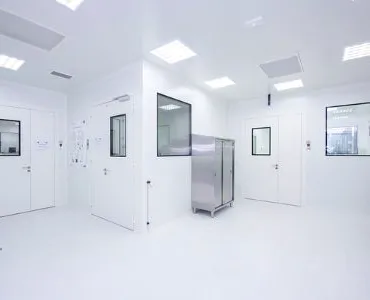 Modern display manufacturing — whether you are producing LCD panels for automotive dashboards, OLED screens for flagship smartphones, or precision optical lenses for medical imaging equipment — operates in environments where contamination tolerances are measured in parts per billion. This is not an exaggeration. In the fabrication of optical thin films and semiconductor-grade glass substrates, an oil aerosol concentration as low as 0.003 mg/m³ can produce coating defects that render an entire panel batch worthless. For a production run valued at tens of thousands of pounds, that single invisible contamination event represents a catastrophic financial and operational setback.
Compressed air sits at the very heart of these production environments. It powers robotic substrate handling arms, drives pneumatic blowing systems that remove sub-micron particles from glass surfaces, maintains positive pressure within cleanroom enclosures, and provides the precise actuation force needed for sputtering target positioning. Yet compressed air — generated by conventional oil-lubricated rotary screw or reciprocating compressors — inherently carries oil carry-over that passes through filtration systems and into the production environment. Even multi-stage coalescing filters cannot guarantee true oil-free performance at the ppb (parts per billion) level demanded by tier-one optical and display manufacturers.
This is precisely why an oil-free air compressor — certified to ISO 8573-1 Class 0, confirming zero detectable oil aerosol, vapour, or liquid — has become the mandatory standard across the global display and optical component sector. From semiconductor fabs in Cambridge to optical coating facilities in Cheshire, and from photonics research campuses in Edinburgh to display assembly plants in the North of England, forward-thinking UK manufacturers are specifying oil-free centrifugal and dry screw compressor technology as their baseline compressed air infrastructure.
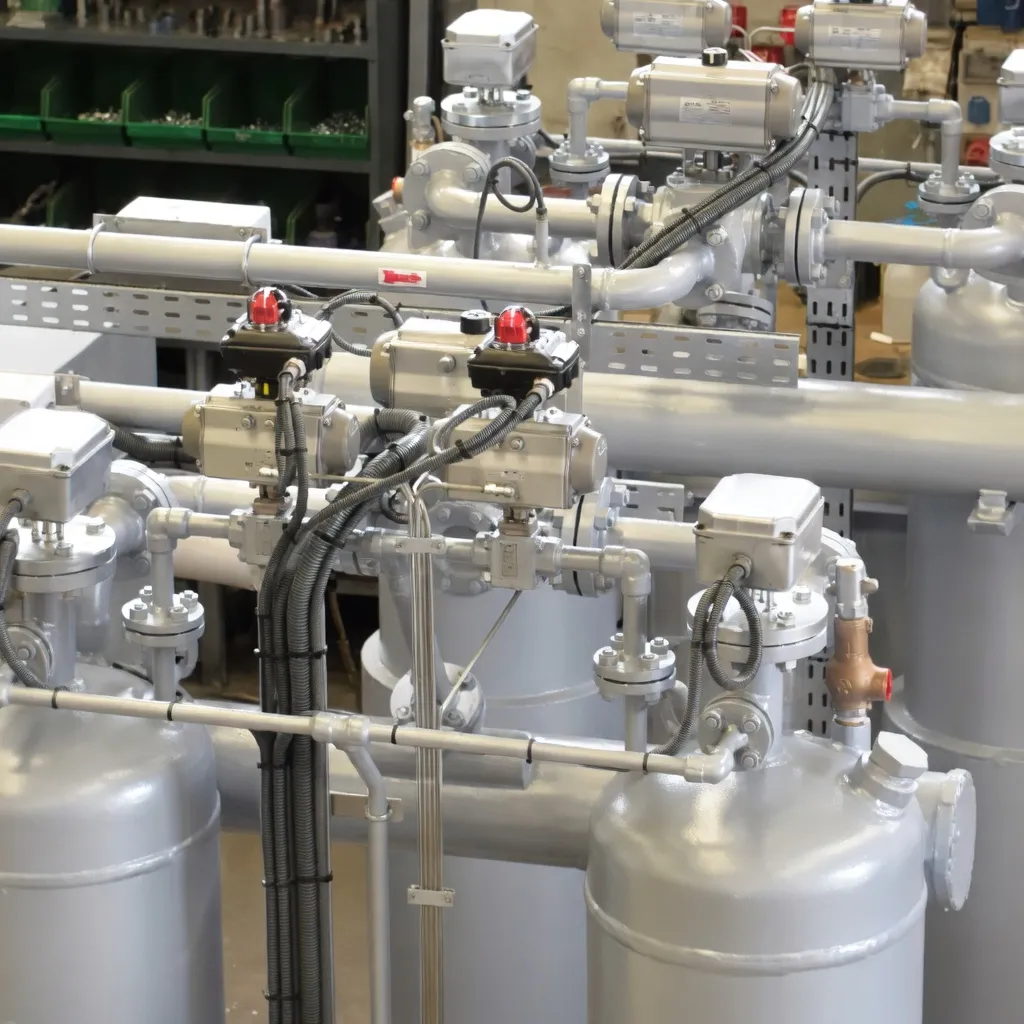
Ever Power Oil-Free Compressor Series
Engineered specifically for cleanroom environments. ISO 8573-1 Class 0 certified. Available in 7.5 kW to 315 kW configurations, with bespoke engineering available for UK facilities.
What Happens When Standard Compressed Air Enters an Optical Cleanroom
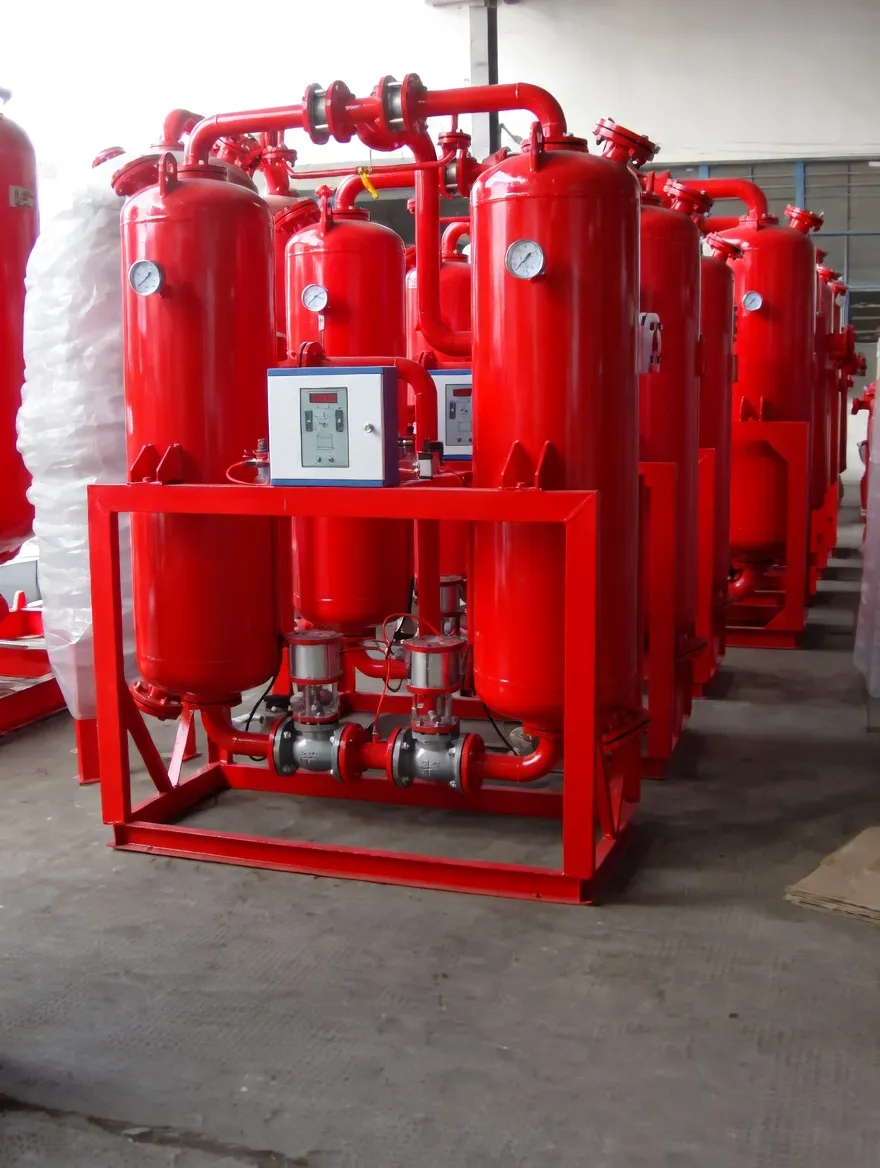 Most engineers understand that oil contamination in compressed air causes visible problems in conventional manufacturing settings — stained products, damaged pneumatic components, fouled filtration systems. However, in the production of LCD and OLED display panels, the failure mode is far more insidious. Oil vapour at sub-micrometre particle sizes does not produce a visible stain on a glass substrate. Instead, it disrupts the surface energy of the glass, causing vacuum-deposited thin films to delaminate, adhere unevenly, or produce optical interference patterns that only become visible during final quality inspection — after the substrate has already been processed through sputtering, photolithography, and encapsulation.
For precision optical lens manufacturers — producing components for telescopes, spectrometers, LiDAR systems, and AR/VR headsets — the stakes are equally high. Anti-reflection coatings, beam-splitting coatings, and high-reflectivity mirror stacks deposited by physical vapour deposition (PVD) or chemical vapour deposition (CVD) require an atomically clean substrate surface. Any hydrocarbon contamination — including the carbonaceous residues left behind when oil aerosol undergoes pyrolysis under heat lamp exposure — will compromise coating adhesion and optical transmission values, typically causing yield losses of 15–30% even with downstream correction steps.
An oil-free air compressor eliminates this entire failure pathway. Unlike oil-lubricated machines with downstream filtration, which can only reduce oil carry-over to approximately 0.001 mg/m³ under ideal conditions, a true Class 0 oil-free compressor — whether a two-stage dry screw, a water-injected screw, or an oil-free centrifugal turbocompressor — produces compressed air with zero oil content by design. There is no lubrication in the compression chamber, no oil reservoir to leak, and no degrading filter element standing between your production process and a contamination event.
Technical Specifications — Ever Power Oil-Free Compressor Series
| Parameter | EP-OF-7 (7.5 kW) | EP-OF-22 (22 kW) | EP-OF-75 (75 kW) | EP-OF-315 (315 kW) |
|---|---|---|---|---|
| Compression Type | Dry Screw | Dry Screw | Two-Stage Dry Screw | Centrifugal Turbo |
| Oil Content (ISO 8573-1) | Class 0 | Class 0 | Class 0 | Class 0 |
| Flow Rate (m³/min FAD) | 0.8 – 1.2 | 2.4 – 3.6 | 8.2 – 12.5 | 35 – 58 |
| Working Pressure (bar g) | 6 – 10 | 6 – 10 | 7 – 13 | 6 – 9 |
| Pressure Dew Point (PDP) | -40 °C (with dryer) | -40 °C (with dryer) | -70 °C (with dryer) | -70 °C (with dryer) |
| Noise Level (dB(A) @ 1m) | ≤ 62 | ≤ 65 | ≤ 70 | ≤ 74 |
| Ambient Temp. Range (°C) | 2 – 40 | 2 – 40 | 2 – 45 | 5 – 45 |
| Drive Type | Fixed Speed / VSD | Fixed / VSD | VSD Standard | VSD + IGV |
| Certification / Standards | CE, ISO 8573-1, PSSR 2000 | CE, ISO 8573-1, PSSR 2000 | CE, ISO 8573-1, PSSR 2000 | CE, ISO 8573-1, PSSR 2000 |
| Energy Efficiency Class | IE4 | IE4 | IE4 | IE4 / IE5 |
* FAD = Free Air Delivery measured at 20 °C, 1 bar(a), 0% relative humidity per ISO 1217. VSD = Variable Speed Drive. IGV = Inlet Guide Vane. PSSR 2000 = Pressure Systems Safety Regulations 2000 (UK).
Six Reasons UK Optical Manufacturers Specify Ever Power Oil-Free Compressors
Absolute Zero Oil Contamination
ISO 8573-1 Class 0 certification is independently verified, not self-declared. The compression chamber contains no oil whatsoever — there is no lubricant, no oil sump, and no possibility of oil carryover under any operating condition, including start-up, shutdown, or partial-load cycling. For UK cleanroom facilities operating under BS EN ISO 14644, this provides documentary evidence of compressed air purity for audit purposes.
Variable Speed Drive Efficiency
Optical manufacturing processes rarely demand constant compressed air flow. Substrate cleaning cycles, pneumatic actuator movements, and cleanroom pressurisation all fluctuate across the production shift. Ever Power VSD-equipped oil-free compressors modulate motor speed in real time to match demand, delivering energy savings of 25–40% compared with fixed-speed oil-lubricated alternatives. For UK manufacturers facing industrial energy costs above 25 p/kWh, this translates to substantial annual savings on operating expenditure.
Reduced Total Cost of Ownership
Conventional oil-lubricated compressors require regular oil changes, coalescing filter replacements, oil-water separator servicing, and eventual air-end replacement due to oil degradation. These costs accumulate rapidly — a typical 75 kW lubricated screw compressor may incur £8,000–£14,000 per year in consumables alone. An oil-free compressor eliminates oil change costs entirely, reduces filter replacements to annual intervals, and in centrifugal designs, the compression element is air-bearing supported with no contact wear — extending overhaul intervals to 40,000+ hours.
Enhanced Yield and Quality Consistency
Manufacturers who have transitioned from oil-lubricated to oil-free compressed air infrastructure consistently report measurable improvements in production yield. In optical thin-film coating applications, surface contamination-related defect rates have dropped by 60–80% following the switch. In LCD panel manufacturing, pixel defect rates attributable to substrate contamination have been virtually eliminated. The financial return on the capital investment in oil-free compressor infrastructure is typically realised within 18–30 months through improved yield alone.
Quiet Operation for Sensitive Environments
Many optical and photonics research facilities share buildings with laboratories where vibration and airborne noise affect sensitive interferometers, optical benches, and measurement equipment. The Ever Power dry-screw oil-free compressor series operates at 62–70 dB(A) at 1 metre — significantly quieter than comparable output lubricated machines. Additionally, the absence of oil-wetted components means that compressor-generated airborne hydrocarbon vapour, which can settle on optical surfaces in adjacent labs, is completely eliminated.
Regulatory and Customer Compliance
Major display panel OEMs and optical component supply chain customers increasingly specify ISO 8573-1 Class 0 compressed air as a supplier qualification requirement. UK manufacturers supplying into the medical devices sector must also satisfy MHRA guidelines and BS EN ISO 13485, which mandate documented control of all environmental contaminants in manufacturing areas. Ever Power oil-free compressors ship with full test certification documentation, third-party ISO 8573 test reports, and Declaration of Conformity for CE marking — satisfying all audit documentation requirements.
Working Principle: How a Dry-Screw Oil-Free Compressor Achieves Class 0 Purity
Synchronised Timing Gears
Male and female screw rotors are driven by precision-machined synchronising timing gears located outside the compression chamber. The rotors counter-rotate without contact, eliminating the need for any lubrication inside the compression element. There is no possibility of oil entering the compressed air stream at any point in the compression cycle.
PTFE-Coated Rotor Profiles
The screw rotor surfaces receive a PTFE (polytetrafluoroethylene) composite coating that provides dry lubrication during initial rotor run-in and prevents metallic contact during transient overload conditions. This coating is FDA-approved and leaves zero extractable contaminants in the compressed air — critical for pharmaceutical-grade and food-grade optical component production environments.
Integrated Air Drying System
After compression, the hot, moisture-laden air passes through an integrated aftercooler, a high-efficiency refrigerant dryer (achieving +3 °C PDP), and optionally through a downstream heatless regenerative desiccant dryer to achieve a PDP of -40 °C or lower. For semiconductor-grade cleanrooms and PVD/CVD deposition systems, moisture carry-over at ppb levels is equally destructive to coating quality as oil, so the complete drying system is an inseparable part of the oil-free compressor package.
Intelligent Monitoring Controller
The EP-Smart controller integrates discharge temperature monitoring, vibration analysis, dewpoint logging, and air quality trending into a single touch-screen interface. Modbus TCP/IP and OPC-UA connectivity allow real-time data feed into factory SCADA and MES systems — essential for UK manufacturers maintaining quality system data integrity under ISO 9001 or IATF 16949 frameworks. Remote diagnostics and predictive maintenance alerts help prevent unplanned downtime that can halt an entire cleanroom production line.
The materials used in the construction of Ever Power oil-free compressors for cleanroom and optical manufacturing applications are selected specifically to avoid any risk of secondary contamination. Wetted components in contact with the compressed air stream use 316L stainless steel or electropolished aluminium alloy. Seals are EPDM or PTFE with no plasticiser migration. Internal pipe work and fittings are cleaned and passivated to ASTM A380 standards before assembly. This level of material discipline ensures that the compressed air leaving the compressor is as clean when it enters a PVD chamber or a precision lens cleaning station as it is when it leaves the compressor outlet.
Where Oil-Free Compressed Air Makes the Difference: Application Scenarios
Substrate Surface Cleaning and Blow-Off
Ionised oil-free compressed air is used to remove sub-micron particles from glass and silicon substrates prior to PVD deposition. A single ionising air knife consumes up to 200 litres per minute of compressed air, and any oil in that airflow would immediately compromise the substrate surface energy, preventing proper thin-film adhesion. Oil-free air compressors ensure that the blow-off air contributes zero contamination.
Vacuum Suction Cup Handling Systems
Bernoulli-type non-contact suction cups and vacuum generators used to transport large-format glass substrates and OLED panels through production lines use compressed air to generate vacuum via venturi effect. Oil-free compressed air from a certified Class 0 source ensures that the suction cups do not transfer oil residues to sensitive panel surfaces during robotic handling operations.
Cleanroom Positive Pressure Maintenance
ISO Class 3 and Class 4 cleanrooms rely on a continuous supply of HEPA-filtered, conditioned makeup air to maintain positive pressure differential against adjacent lower-grade zones. The air handling units (AHUs) supplying these environments are fed from the central compressed air infrastructure. Oil-free sources eliminate the risk of hydrocarbon contamination entering the HEPA filtration train and potentially re-emitting volatile organic compounds (VOCs) into the cleanroom atmosphere over time.
Thin-Film Sputtering Target Positioning
In magnetron sputtering systems used for ITO (indium tin oxide) deposition on LCD substrates or anti-reflection coating stacks on optical lenses, pneumatic cylinders actuate shutter mechanisms, target tilt adjustments, and substrate rotation drives. The compressed air driving these pneumatic actuators must be oil-free and dry. Any hydrocarbon contamination introduced via pneumatic leaks into a vacuum deposition chamber can require a full system bake-out, costing days of lost production.
Optical Metrology and Inspection Systems
Automated optical inspection (AOI) systems, ellipsometers, and white-light interferometers used for in-process quality control of optical coatings and LCD panel structures employ precision air bearings on their motion stages to achieve sub-nanometre positioning accuracy. These air bearings are extraordinarily sensitive to oil contamination — even ppb-level oil aerosol can alter the viscosity of the air film and cause positioning errors. Class 0 oil-free compressed air is a non-negotiable supply requirement for these systems.
Precision Optical Lens Grinding and Polishing
CNC optical grinding centres and polishing machines use compressed air to actuate tool-change systems, coolant nozzle positioning, and workholding clamps. In the production of high-performance camera lenses, telescope mirrors, and medical endoscope optics, oil contamination during the grinding stage is particularly problematic, as residual oils can become embedded in the subsurface glass layer and resist removal during subsequent cleaning, leading to coating adhesion failures.
🇬🇧
Serving the UK’s Precision Optics and Display Manufacturing Sector
The United Kingdom has a long and distinguished history in optical manufacturing, from Barr & Stroud’s telescope production in Glasgow to the modern photonics technology cluster centred around Southampton, Cambridge, and the Scottish Corridor. Today, UK companies producing optical components for defence, aerospace, telecommunications, and consumer electronics represent a significant and growing market for cleanroom-grade compressed air infrastructure.
Ever Power supports UK optical and display manufacturers with local technical representation, pre-sale site surveys, and compressed air system audits. Our engineers have experience working within UK facilities governed by PSSR 2000 (Pressure Systems Safety Regulations), COSHH (Control of Substances Hazardous to Health) regulations regarding lubricant management, and the HSE guidance on compressed air systems (HSG39). Every oil-free air compressor we supply to UK customers is CE-marked under UK CA marking requirements post-Brexit, and arrives with a UKCA-compliant Declaration of Conformity.
Customer Success Story: Precision Optical Coatings Manufacturer, Hampshire, England
The Challenge
OptaCoat Technologies produces broadband anti-reflection (BBAR) coatings for camera lenses used in broadcast and cinema production, as well as precision beamsplitter coatings for scientific instrumentation. Their existing compressed air system comprised two 37 kW oil-lubricated rotary screw compressors with coalescing filtration downstream. Despite regular filter changes, their coating quality engineers were observing periodic adhesion failures and haze defects across approximately 8% of production batches. Root cause analysis traced these failures back to oil vapour contamination of glass substrates during pneumatic blow-off operations prior to deposition. The financial impact — including scrapped glass blanks, lost deposition chamber capacity, and customer rework charges — was reaching £180,000 per year.
The Solution
Ever Power supplied two EP-OF-22 oil-free dry screw compressors in a duty/standby configuration, paired with twin-tower heatless regenerative desiccant dryers providing a guaranteed pressure dew point of -40 °C. The complete system included an EP-Smart monitoring controller with remote access capability, allowing OptaCoat’s maintenance team to monitor air quality parameters from the facility’s SCADA system. Installation was completed over a single bank holiday weekend to minimise production disruption, with our field engineer providing full commissioning documentation and operator training.
The Results
What Our Customers Say
“We went from using three-stage coalescing filtration and still seeing oil-related defects, to zero detectable contamination events in the 18 months since we installed the Ever Power oil-free system. The documentation package they provided satisfied our AS9100 aerospace supply chain audit without any queries.”
“The integrated EP-Smart monitoring system was a major deciding factor. We can see real-time dewpoint, discharge temperature, and running hours from our production floor DCS. When we’re producing OLED panels at this level of precision, we cannot afford to guess whether our compressed air is within specification — we need data.”
“We specified three EP-OF-75 units for our new photonics component facility in Cambridge. The application engineering support during the design phase was exceptional — they carried out a compressed air demand analysis, sized the receiver vessel correctly for our cyclic production pattern, and helped us achieve BREEAM Excellent certification by demonstrating the energy efficiency credentials of the VSD system.”
Bespoke Engineering & Customisation: Built Around Your Cleanroom Requirements
No two optical or display manufacturing facilities are identical. Cleanroom footprints, ceiling heights, utility connection points, existing piping infrastructure, fire suppression system compatibility, and local authority building requirements all vary. Ever Power’s engineering team has the in-house capability to design and manufacture fully bespoke oil-free compressor packages that integrate seamlessly into your specific facility constraints — from custom acoustic enclosures to non-standard voltage/frequency specifications for export projects.
Our factory operates an ISO 9001:2015 certified quality management system. Every compressor undergoes a full factory acceptance test (FAT) before dispatch, with the option for customer witness testing where the customer’s inspection team can observe final performance verification. We can provide bespoke test reports documenting oil carryover measurements at ppb level, particle count certification to ISO 8573-1 Class 0, and vibration and noise testing to BS EN ISO 2151 — providing all the documentation your cleanroom qualification team needs for initial facility validation.
Non-standard pressures, custom voltage specs, skid-mounted turnkey packages, N+1 redundancy systems
FAT reports, UKCA Declaration, ISO 8573-1 Class 0 test cert, O&M manuals in English
White-label and OEM supply available for system integrators and equipment builders worldwide
Annual PPM contracts, remote monitoring subscription, 24/7 emergency breakdown support for UK sites
Frequently Asked Questions
Ready to Eliminate Oil Contamination from Your Optical Manufacturing Process?
Talk to an Ever Power application engineer today. We provide free compressed air audits, sizing calculations, and formal quotations for UK optical and display manufacturers. No obligation, no sales pressure — just engineering expertise.
✉ Get a Quote — Contact Our Team